
 Lina Irawan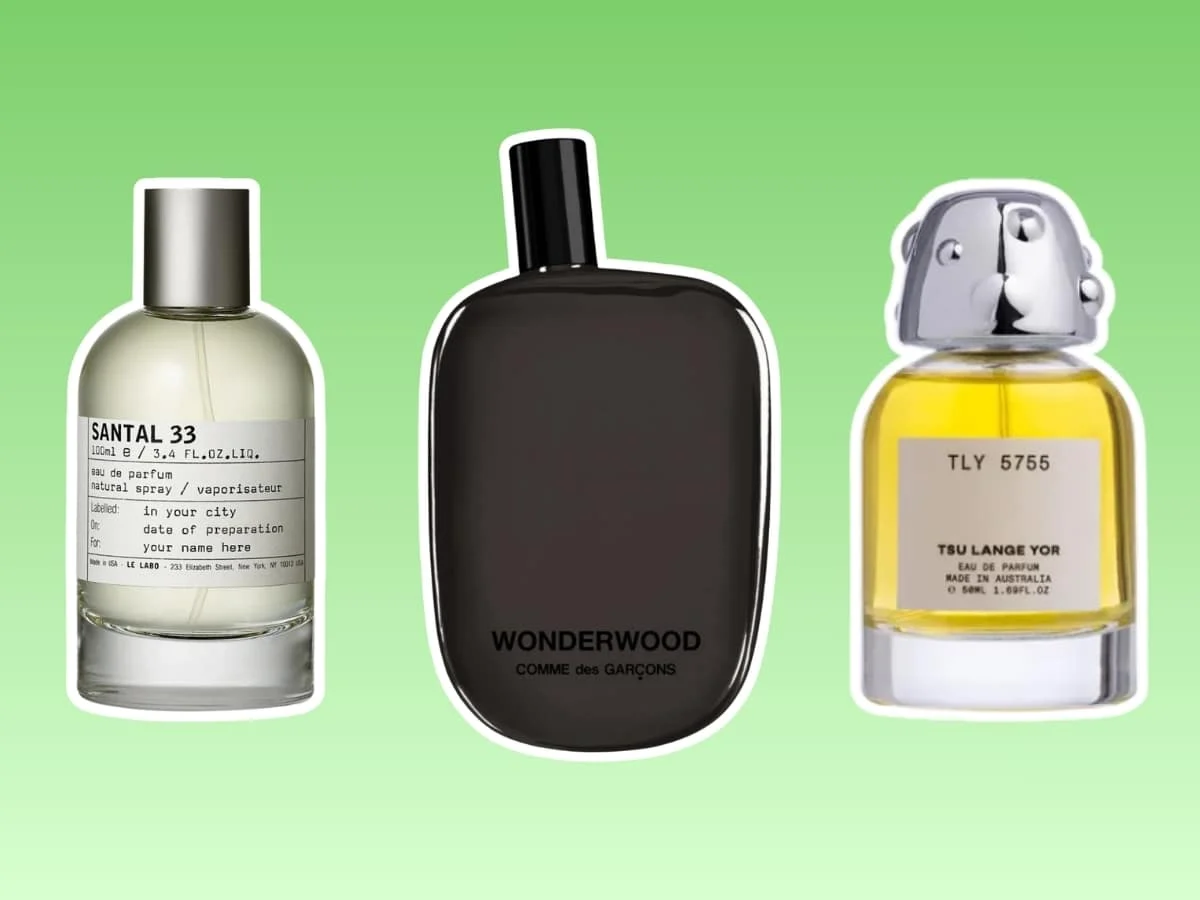
The traditional paradigm of the "signature scent"—a singular olfactory identity maintained by a man for decades—is rapidly being replaced by the concept of the fragrance wardrobe. This shift reflects a broader transformation in men’s grooming, moving away from rigid, one-size-fits-all rules toward a more fluid and expressive approach to personal style. As fragrance becomes a central pillar of self-expression, industry experts suggest that modern men should curate a collection of three to five distinct scents to suit varying occasions, moods, and environmental conditions. Steven Glyde, Fragrance Education Lead at Mecca, notes that the era of the singular signature scent is effectively winding down, replaced by a demand for versatility and intentionality in how men present themselves to the world.
The Evolution of Men’s Fragrance: From Utility to Expression
The concept of the signature scent was born out of a mid-20th-century marketing strategy that emphasized consistency and reliability. For generations, the goal of a men’s fragrance was to provide a recognizable "trail" that became synonymous with the wearer’s presence. This approach aligned with a time when the fragrance market was dominated by a handful of major fashion houses and the options for men were largely limited to "sport," "fresh," or "musky" profiles.
However, the last decade has seen a radical expansion of the fragrance industry. According to market analysis from Fortune Business Insights, the global fragrance market was valued at approximately USD 45.85 billion in 2022 and is projected to grow to nearly USD 70 billion by 2030. This growth is driven largely by the rise of niche perfumery and a surging interest in premium grooming products among male consumers. As the variety of scents has increased, so too has the consumer’s desire to match their scent to their specific environment. Just as a man would not wear the same attire to a high-intensity gym session, a corporate boardroom, and a formal evening event, experts argue that a singular scent cannot adequately serve these diverse contexts.

The Fragrance Wardrobe: A Strategic Framework
A fragrance wardrobe is not merely a collection of bottles; it is a strategic assortment of scents selected with purpose. Steven Glyde emphasizes that a well-built wardrobe does not need to be expansive to be effective. For most men, a core collection of three to five fragrances is sufficient to cover the necessary bases. The objective is to move from "default" scenting to "intentional" scenting.
The foundation of any successful fragrance collection lies in an understanding of the four primary fragrance families:
- Fresh: Characterized by citrus, aquatic, and green notes. These are typically energizing and clean.
- Woody: Utilizing notes of cedar, sandalwood, vetiver, and patchouli. These offer a sense of groundedness and masculinity.
- Amber (formerly Oriental): Rich, opulent scents featuring vanilla, resins, and spices. These are often associated with warmth and evening wear.
- Floral: While traditionally associated with feminine scents, modern masculine florals utilize iris, geranium, and rose to add sophistication and complexity.
By identifying which families one naturally gravitates toward, a consumer can begin to build a collection that feels personal yet functional.
The Three Essential Pillars of a Modern Collection
To build a functional fragrance wardrobe from scratch, industry professionals recommend starting with three distinct "staples." These categories ensure that a man is prepared for the most common scenarios in modern life.
1. The Clean and Elevated Staple
This category is designed for everyday wear, particularly in professional or casual daytime settings. The goal is to smell "clean" without being overpowering. These scents often rely on musk and citrus to create a "skin-like" aura.
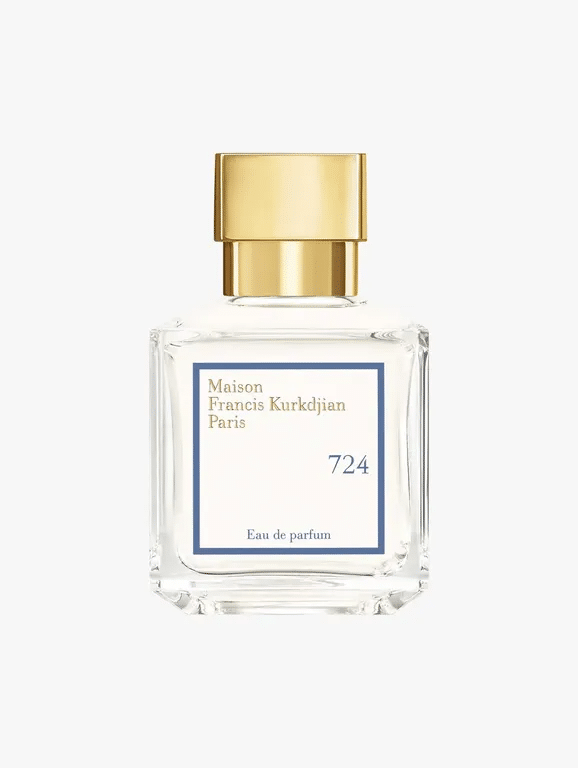
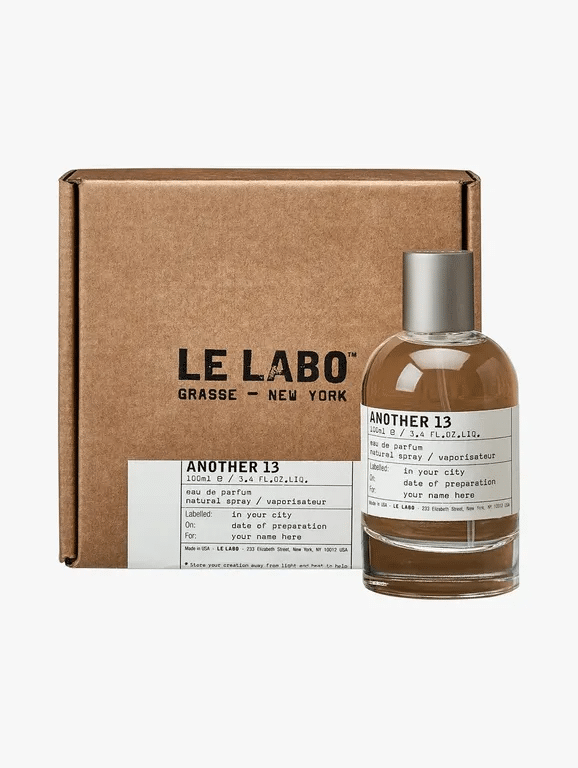
- Industry Standards: Maison Francis Kurkdjian’s 724 and Le Labo’s AnOther 13 are frequently cited as the gold standard for this category. AnOther 13, in particular, utilizes a heavy dose of Ambroxan to create a minimalist, ethereal scent that reacts uniquely to the wearer’s skin chemistry.
2. The Woody Core
Woody scents provide a sense of gravitas and are highly versatile. They can range from the dry, pencil-shaving crispness of cedar to the creamy, earthy depth of sandalwood.
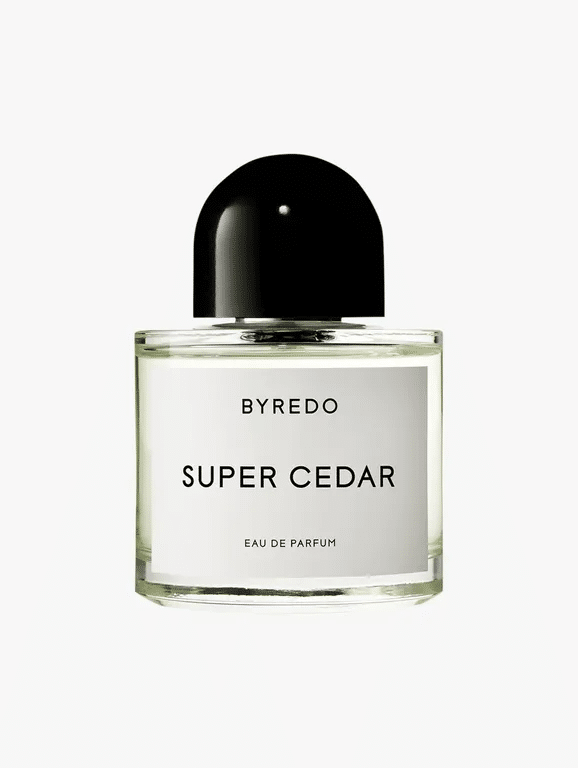
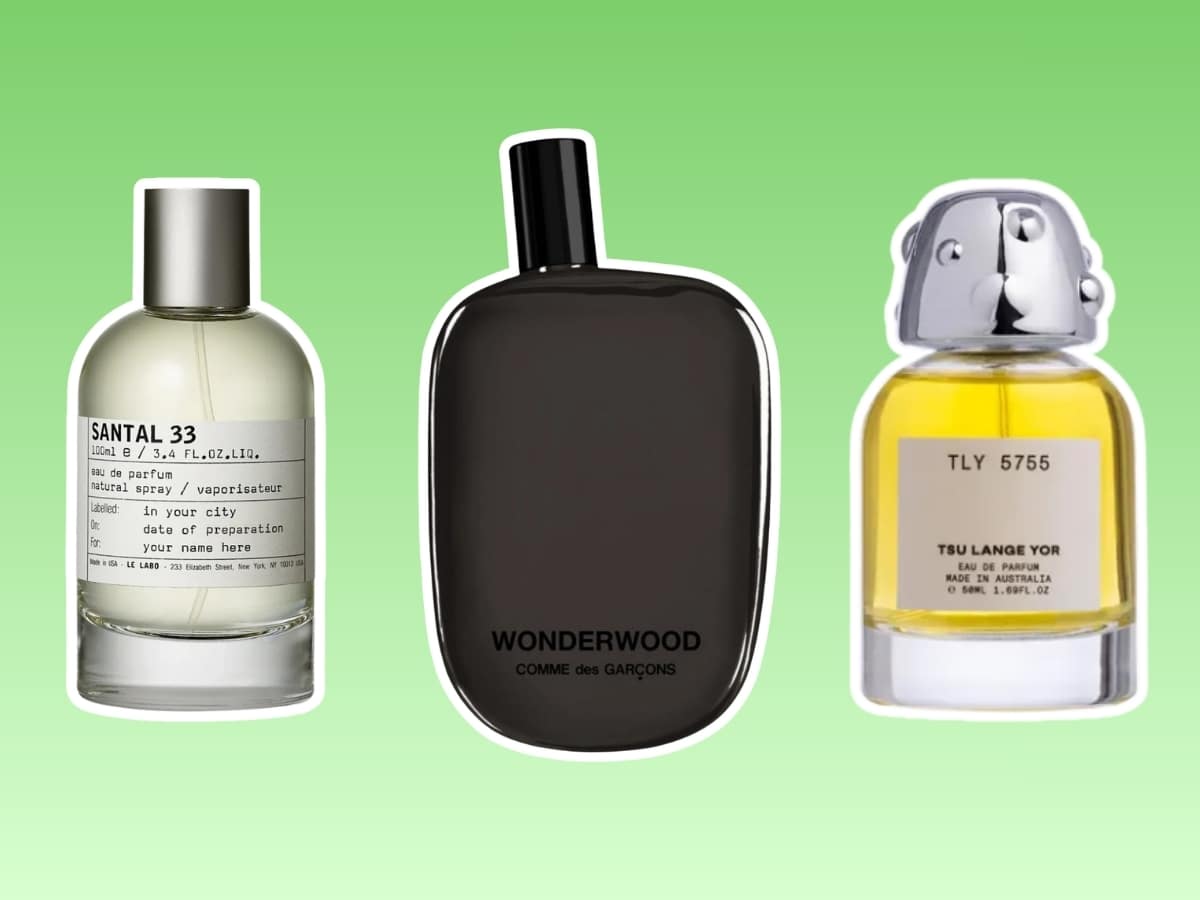
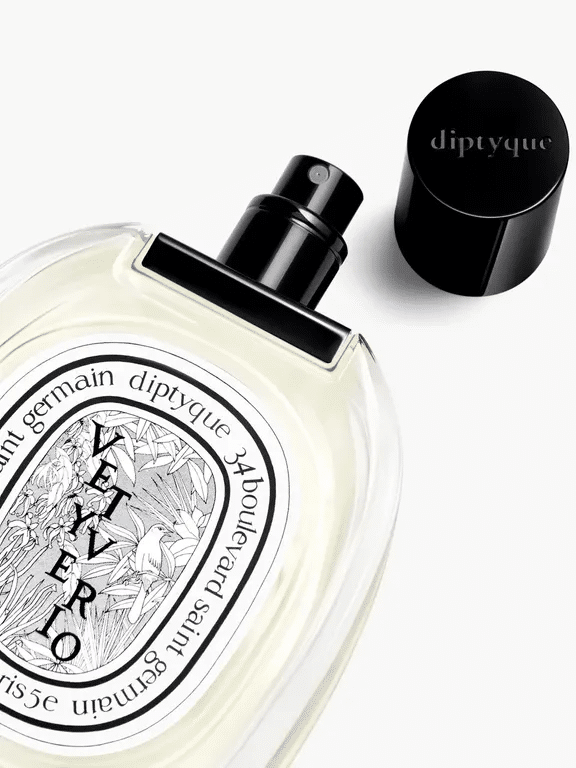
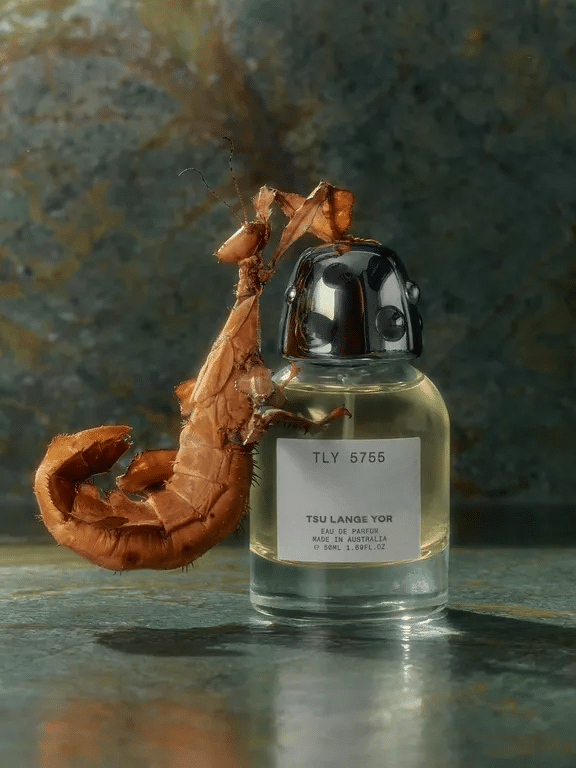
- Key Recommendations: Byredo’s Super Cedar and Diptyque’s Vetyverio offer sophisticated entry points. For those seeking a more artistic or "niche" edge, Tsu Lange Yor’s TLY 5755 provides a modern, industrial take on woody notes that stands out in a crowded market.
3. The Warm Amber for Presence
Every wardrobe requires a "power" scent—something with significant projection and longevity designed for evening events, cold weather, or special occasions. These scents are often described as opulent and timeless.
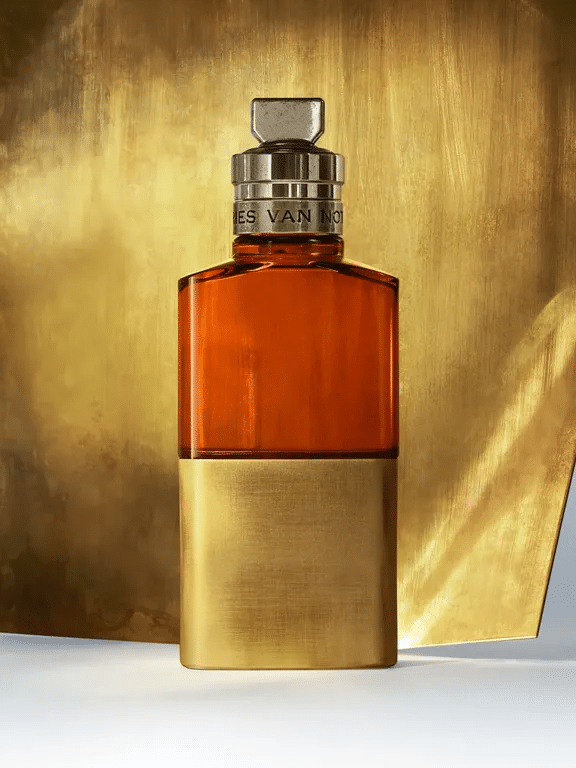
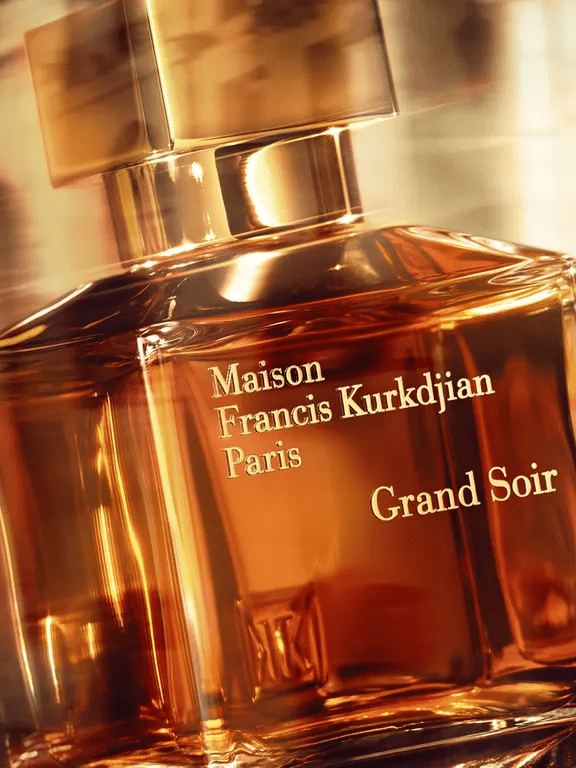
- Top Tier Options: Maison Francis Kurkdjian’s Grand Soir is often heralded as a "liquid gold" fragrance, utilizing labdanum and benzoin to create a rich, honeyed amber. Dries Van Noten’s Havanna Gold offers a similarly luxurious profile with notes of tobacco and vanilla.
The Impact of Temperature and Seasonality on Scent Performance
While personal preference remains the primary driver of fragrance choice, the laws of chemistry play a significant role in how a scent performs. Temperature affects the rate of evaporation of fragrance molecules. In the heat of summer, volatile top notes like citrus and light florals evaporate quickly and can become cloying if they are too heavy. Conversely, in the winter, body heat is lower, meaning a fragrance requires more "weight"—usually in the form of resins, woods, and spices—to project effectively.
In climates like Australia, where temperature fluctuations can be extreme, seasonality becomes a practical consideration. A heavy, spicy amber that feels cozy in a Melbourne July may feel suffocating in a Sydney January. Experts suggest using temperature as a guide: lighter, fresher scents for the heat, and bolder, richer scents for the cold.
The Rise of Niche Perfumery and the Death of Gendered Labels
One of the most significant trends in the modern fragrance industry is the dismantling of gendered marketing. Traditionally, fragrances were strictly categorized as "Pour Homme" or "Pour Femme." However, niche houses such as Le Labo, Byredo, and D.S. & Durga have largely abandoned these labels in favor of unisex or "gender-neutral" branding.
Steven Glyde points out that the concept of "masculine" or "feminine" notes is largely a cultural construct that changes over time. For instance, in 19th-century France, floral scents were considered the height of masculinity. Today, the industry is returning to a more holistic view. Ben Gorham, the founder of Byredo, has famously stated that fragrance should be approached like food: one does not ask if a meal is for a man or a woman, only if it brings joy.
This shift has allowed men to explore a wider palette of ingredients, including rose, iris, and jasmine, which add a layer of sophistication often missing from traditional "masculine" perfumery. The success of scents like Le Labo’s Santal 33—which became a global phenomenon worn equally by all genders—underscores the market’s move toward olfactory quality over demographic labeling.
Technical Mastery: Testing and Storage
To truly master the fragrance wardrobe, consumers must move beyond the "paper strip" test. Because fragrance interacts with the natural oils and pH of human skin, a scent can smell radically different on two different people. Professional perfumers recommend spraying a scent on the wrist and allowing it to "dry down" for at least 20 to 30 minutes before making a purchase decision. The initial "top notes" of a fragrance are designed to be appealing but only last for the first few minutes; the "heart" and "base" notes represent what the wearer will actually smell like for the majority of the day.
Furthermore, the longevity of a fragrance collection depends heavily on storage. Fragrance molecules are sensitive to light, heat, and humidity. Storing bottles on a bathroom counter or a sunny windowsill can cause the "juice" to oxidize and degrade within months. To preserve the integrity of the scent, bottles should be kept in a cool, dark place, such as a bedroom drawer or a dedicated fragrance cabinet.
Conclusion: Scent as the Final Frontier of Style
The transition from a signature scent to a fragrance wardrobe represents a maturation of the men’s grooming market. It reflects an understanding that personal style is multi-dimensional and that scent is a powerful tool for navigating different social and professional landscapes. By building a curated collection of high-quality fragrances—ranging from clean office staples to bold evening ambers—modern men can ensure they are presenting the most intentional version of themselves in any given environment. As the industry continues to innovate and the barriers of gendered marketing continue to fall, the opportunities for olfactory self-expression have never been greater.


 Jia Lissa
 Yuyun Lusiyani
 Joko Widodo
 Eva Lovia

 Pevita Pearce