
 Amara Maple
Investigative journalist Carey Gillam recently unveiled a significant development in the contentious debate surrounding the widely used herbicide glyphosate, reporting the abrupt ouster of Dr. Daniele Mandrioli, the chief scientist overseeing a comprehensive, independently funded study on glyphosate’s safety. Dr. Mandrioli, a long-standing figure at the Ramazzini Institute Cesare Maltoni Cancer Research Center near Bologna, Italy, was reportedly dismissed amidst concerns from other leading scientists about potential undue influence from the chemical industry. This incident reignites long-standing accusations of corporate interference in scientific research, particularly concerning substances with massive commercial implications like glyphosate.
The Ramazzini Institute and Its Groundbreaking Global Glyphosate Study
The Ramazzini Institute, a venerable toxicology research center established in 1971, has built a reputation for its rigorous, independent studies on the health effects of over 200 substances. Its work is frequently utilized by regulatory bodies in Europe and the United States to inform public health policy. Unlike many studies on agricultural chemicals, the Institute’s research is notably free from chemical industry funding, instead relying on a unique model of worldwide crowdfunding to ensure impartiality.
Under Dr. Mandrioli’s leadership, the Institute embarked on a monumental undertaking known as the "Global Glyphosate Study." Launched several years ago, this multi-pronged investigation aimed to explore the effects of glyphosate herbicides at "current real-world levels" across various toxicological endpoints, including carcinogenicity, endocrine disruption, and reproductive impacts. The study’s methodology, focusing on chronic, low-dose exposures, sought to address gaps in existing research, much of which has been criticized for not accurately reflecting human exposure patterns.
Preliminary findings from the Global Glyphosate Study have already generated significant alarm within the scientific community and, conversely, strong opposition from the chemical industry. As Gillam reported, a report issued last summer by the Institute "strengthened evidence that glyphosate herbicides, at doses that regulators consider safe, cause tumors in these animals and could be causing cancers in humans." Earlier studies from Mandrioli’s team had also pointed to potential endocrine and reproductive impacts of glyphosate. These findings, challenging the prevailing industry narrative of glyphosate’s safety, have positioned Dr. Mandrioli and the Ramazzini Institute at the forefront of a highly politicized scientific debate.
Allegations of Industry Pressure and Scientific Outrage
The dismissal of Dr. Mandrioli, scheduled for the end of January 2026, has sparked a wave of condemnation from the Institute’s own scientific advisory committee and other prominent academics. Ramazzini Institute President Loretta Masotti has asserted that the termination was unrelated to pressure from the chemical industry, a claim vehemently questioned by many.
Dr. Philip Landrigan, a distinguished epidemiologist and pediatrician who heads the International Scientific Advisory Committee of the Ramazzini Institute, penned a sharply worded letter to President Masotti on January 21. In his letter, Dr. Landrigan stated unequivocally, "Dr. Mandrioli has been subjected to vicious attacks by the chemical industry because the findings of the Institute’s independent research have cost these companies money and hurt their bottom line." This direct accusation underscores the deep suspicion among scientific peers that Mandrioli’s ouster is a retaliatory measure designed to undermine the integrity and impact of the Global Glyphosate Study.
The lack of consultation with the Institute’s advisory board and other key academics regarding Mandrioli’s dismissal has further fueled outrage. Critics argue that such a unilateral decision threatens the fundamental independence of the institution and its research center, creating a chilling effect for scientists investigating controversial substances. Letters have reportedly been sent to the Institute’s leadership, urging reconsideration of the decision and emphasizing the critical importance of protecting scientific autonomy from external pressures.
A Troubling Pattern of Attacks on Independent Scientists
The situation at the Ramazzini Institute is not an isolated incident but rather echoes a disturbing pattern of alleged intimidation and personal attacks against scientists whose research challenges the safety claims of the chemical industry. Carey Gillam, author of "Whitewash: The Story of a Weed Killer, Cancer, and the Corruption of Science" and "The Monsanto Papers: Deadly Secrets, Corporate Corruption, and One Man’s Search for Justice," has extensively documented these tactics.
One prominent example involves the International Agency for Research on Cancer (IARC), a specialized cancer agency of the World Health Organization. In 2015, IARC classified glyphosate as "probably carcinogenic to humans" (Group 2A). This classification, based on a comprehensive review of publicly available scientific literature, triggered an immediate and aggressive backlash from the chemical industry, notably Monsanto (now owned by Bayer). IARC scientists were accused of publishing "junk science," manipulating results, and intentionally misleading the public. The industry reportedly launched personal attacks on the scientists’ integrity and credibility, issued subpoenas to obtain personal emails, and lobbied the World Health Organization to retract IARC’s findings. Furthermore, there were concerted efforts to push for a Congressional investigation into IARC and to strip its funding. A House committee did indeed get involved, with Republican members reportedly leveling insults at IARC, which Gillam notes "left a tarnish on IARC because of its glyphosate work."
Similar attacks have been directed at independent scientists at institutions like the University of Washington who have published research critical of glyphosate. This consistent pattern suggests a well-resourced strategy by industry players to discredit adverse scientific findings and silence dissenting voices, thereby protecting their commercial interests. For scientists new to the glyphosate debate, this aggressive industry response can be profoundly unsettling.
The Avalanche of Glyphosate Litigation and Bayer’s Strategic Defense
The 2015 IARC classification of glyphosate proved to be a pivotal moment, unleashing an "avalanche of litigation" in the United States. Individuals diagnosed with non-Hodgkin lymphoma, who attributed their disease to exposure to glyphosate-based herbicides like Roundup and other brands manufactured by Monsanto, filed close to 200,000 lawsuits.

In a strategic move that coincided with the very first trial in 2018, Monsanto was acquired by Bayer AG for approximately $63 billion. This acquisition, however, also inherited the colossal legal liabilities associated with Roundup. To date, Bayer has reportedly paid out over $11 billion in settlements and jury verdicts, attempting to stem the tide of ongoing litigation. Despite these massive payouts, a significant number of cases remain unresolved. According to Bayer’s own figures, out of approximately 175,000 cases filed, between 50,000 and 60,000 are still pending.
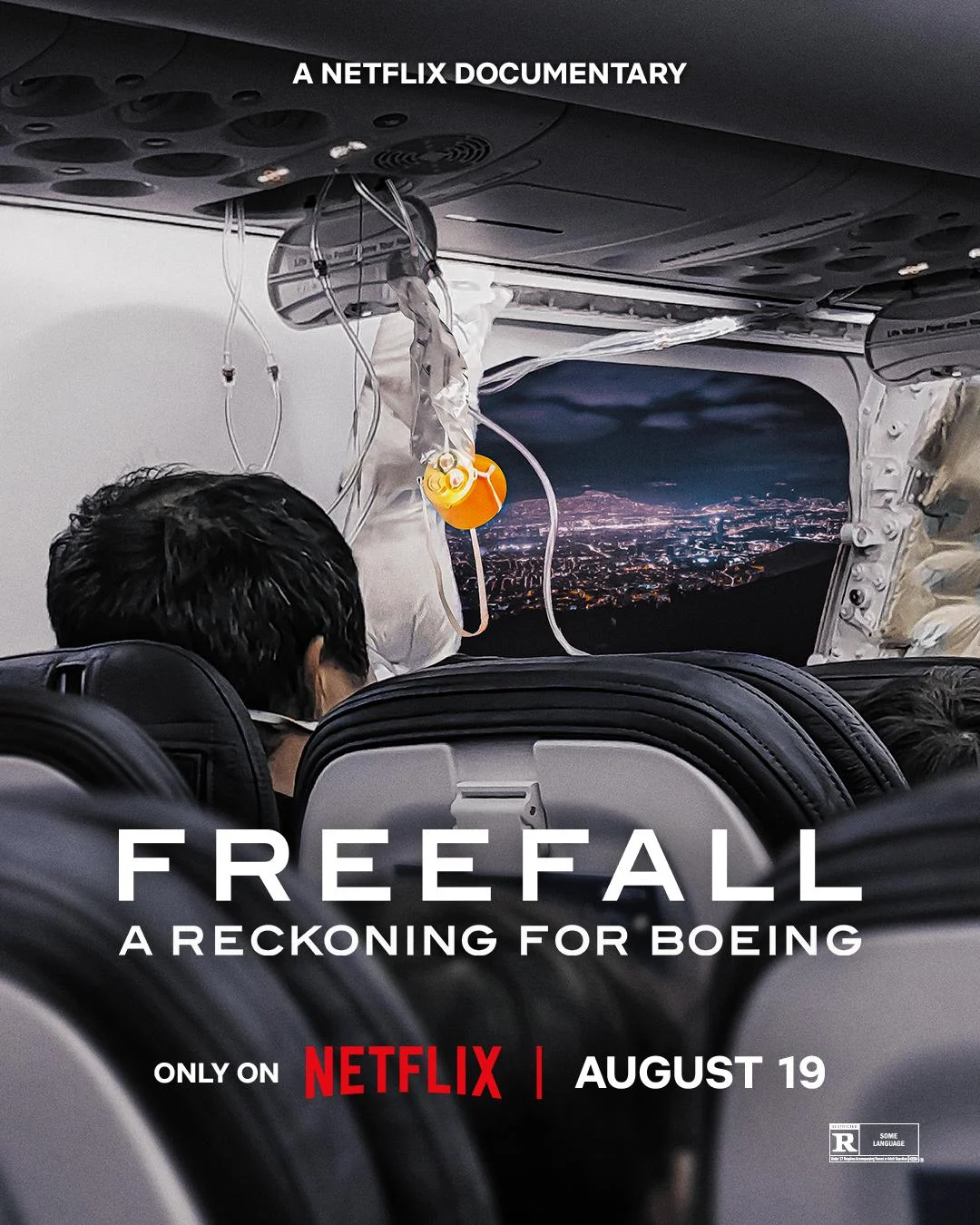
The litigation has seen a mix of outcomes in jury verdicts. While Bayer has secured some wins, plaintiffs have also achieved several high-profile victories, often resulting in staggering damage awards. Notable examples include the first jury verdict of $289 million in 2018, followed by a $2 billion verdict, and another case awarding $80 million. These landmark verdicts, alongside smaller settlements and pre-trial resolutions, have underscored the legal risks associated with glyphosate. The complexity and scale of the litigation have made it a global phenomenon, even inspiring a forthcoming Netflix movie about one of the lead plaintiff attorneys.
Bayer’s Multi-Front Battle: Supreme Court, Pre-emption, and Lobbying
Bayer is actively pursuing a multi-pronged strategy to put an end to the glyphosate litigation. One critical move involves an appeal to the U.S. Supreme Court concerning the Roundup litigation. Bayer’s central argument is that state-based "failure to warn" claims should be disallowed because they are pre-empted by federal law. The company contends that the Environmental Protection Agency (EPA) is the primary regulator of pesticides, and since the EPA does not mandate a cancer warning on glyphosate labels, no entity should be able to sue Bayer for failing to warn consumers of a cancer risk. The Supreme Court is expected to hear this question in the spring of 2026, with a decision anticipated by June. Bayer has communicated to its investors that a favorable ruling from the Supreme Court could significantly impede future litigation and potentially resolve many existing cases.
Beyond the judicial arena, Bayer is also engaged in aggressive legislative lobbying efforts at both federal and state levels to embed this pre-emption argument into law. The company has successfully pushed for such provisions in at least two states and is actively pursuing similar legislation in others. These proposed laws would effectively declare the EPA as the ultimate authority on pesticide labeling, thereby preventing state-level "failure to warn" claims.
The "failure to warn" claim is considered the linchpin of many product liability lawsuits, including those against Bayer. While lawsuits often include other claims such as design defect, negligence, and breach of warranty, these often build upon the foundational premise that the manufacturer failed to adequately warn consumers of known risks. If plaintiffs are unable to sue on the basis of "failure to warn," the viability of their other claims could be severely compromised.
To bolster its lobbying efforts, Bayer has formed the "Modern Ag Alliance," a coalition comprising dozens of agricultural groups nationwide. This alliance advocates that without such legal protections, glyphosate itself could be jeopardized due to the prohibitive costs of litigation, potentially impacting agricultural practices and the availability of crucial herbicides. The industry often frames these lawsuits as exploitative, alleging that plaintiff attorneys capitalize on individuals suffering from cancer by advancing claims that lack scientific validity. This narrative positions chemical companies as needing protection from "predatory law firms." These arguments are gaining traction on Capitol Hill, with expectations of language supporting industry positions appearing in the upcoming farm bill.
Advocacy and Frustration: The "Make America Healthy Again" Movement
Amidst these corporate and legal maneuvers, advocacy groups like the "Make America Healthy Again" (MAHA) movement are actively pushing back. Gillam reported that MAHA played a crucial role in successfully stripping an "immunity shield" provision from a recent U.S. appropriations bill, a rider that would have provided legal protection to the pesticide industry.
However, MAHA activists express deep frustration with the perceived lack of substantial action from the current administration, including the EPA, regarding pesticides and environmental chemicals. They argue that the EPA continues to prioritize corporate interests over public health. This sentiment was exacerbated when an initial draft report from the Department of Health and Human Services (under Bobby Kennedy, a figure some MAHA activists look to) reportedly named glyphosate and atrazine as dangerous substances requiring more rigorous regulation. Yet, after intensive lobbying by agrichemical companies on Capitol Hill, the final report published last fall made no mention of these pesticides.
This perceived capitulation has led to significant disillusionment within MAHA, prompting calls for the ouster of EPA chief Lee Zeldin. While Zeldin is reportedly attempting to appease MAHA, activists argue that these efforts lack any meaningful commitment to reining in the use of harmful pesticides. This ongoing tension highlights the deep chasm between public health advocacy and the powerful influence of the chemical industry on regulatory bodies.
The Enduring Role of Independent Journalism
Carey Gillam’s persistent investigative journalism, exemplified by her work on "The New Lede" (the journalism initiative of the Environmental Working Group), remains critical in bringing these complex issues to public attention. Her detailed reporting, rooted in extensive interviews and documentation, provides a vital counter-narrative to industry-backed claims and official statements. By shedding light on incidents like Dr. Mandrioli’s dismissal and the broader strategies employed by the chemical industry, Gillam underscores the challenges to scientific integrity and the public’s right to unbiased information regarding product safety.
The story of glyphosate, from its widespread adoption to its classification as a probable carcinogen and the ensuing legal and scientific battles, serves as a stark reminder of the intricate interplay between science, commerce, law, and public health. The alleged suppression of independent research and the aggressive defense strategies employed by powerful corporations have profound implications for scientific freedom, regulatory oversight, and ultimately, the health of populations globally. As the Supreme Court weighs its decision and legislative battles continue, the fight for transparency and accountability in the chemical industry remains a critical journalistic and societal endeavor.

 Yuyun Lusiyani
 Ana Megawati
 Joko Widodo
 Eva Lovia
 Jia Lissa
 Pevita Pearce