
 Jia Lissa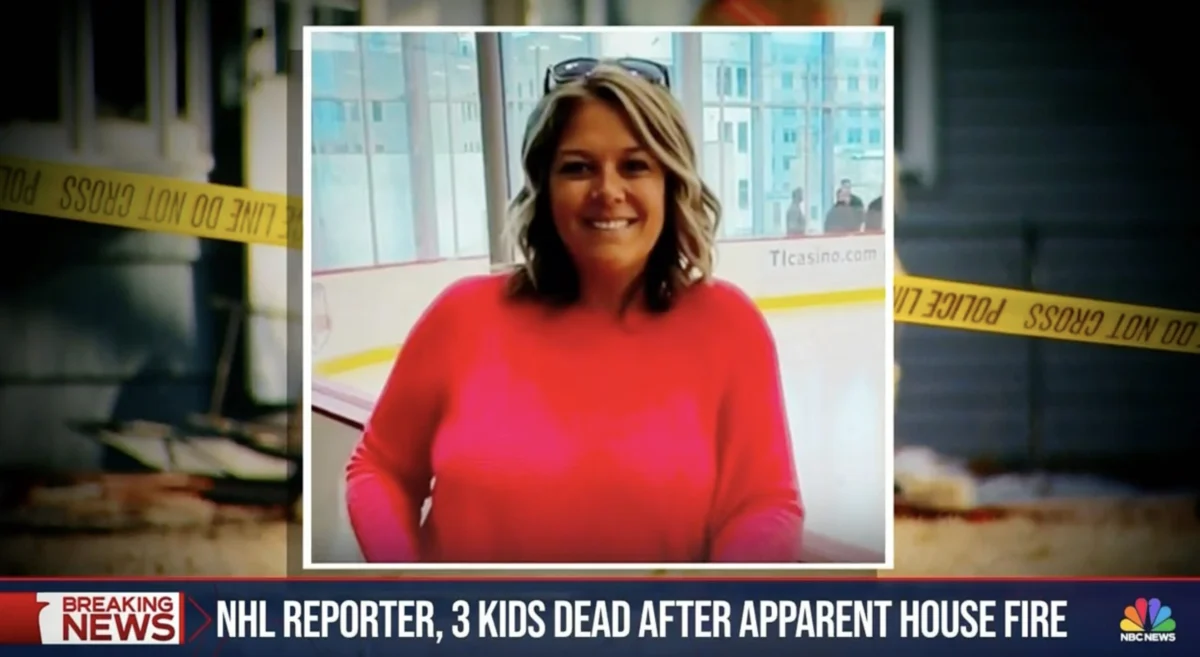
The sports journalism community and the state of Minnesota are mourning the loss of a prominent voice following a devastating house fire in White Bear Lake that claimed the lives of veteran NHL reporter Jessi Pierce and her three young children. The incident, which occurred in the early hours of Saturday morning, has sent shockwaves through the National Hockey League and the tight-knit "State of Hockey" community. Pierce, 37, was a respected figure in sports media, known for her extensive coverage of the Minnesota Wild and her vibrant presence on social media and digital platforms.
The Fatal Blaze in White Bear Lake
The emergency began in the quiet residential neighborhood of White Bear Lake, a suburb located approximately 20 miles northeast of Minneapolis. According to the White Bear Lake Fire Department and local law enforcement, the first 911 calls were placed by neighbors in the predawn hours of Saturday. Witnesses reported seeing heavy flames venting through the roof of the Pierce residence.
First responders arrived on the scene within minutes of the initial dispatch, finding the structure heavily engulfed in fire. Despite the rapid response of firefighting crews from White Bear Lake and surrounding mutual aid departments, the intensity of the blaze made immediate entry difficult. Once the fire was brought under sufficient control to allow for a search of the interior, officials discovered the bodies of Jessi Pierce and her three children: 8-year-old Hudson, 6-year-old Cayden, and 4-year-old Avery.
Footage from the scene, later broadcast on NBC Nightly News, showed the extensive damage to the home, with the roof partially collapsed and significant charring throughout the upper level. Neighbors described a scene of chaos and profound sadness as the reality of the tragedy set in. One neighbor, visibly shaken, told reporters that the children were well-known and well-liked in the area, describing them simply as "good kids" while struggling to contain his emotions.
A Life Dedicated to Family and the Rink
Jessi Pierce’s final public interaction occurred just hours before the tragedy. On Friday afternoon, she shared a photograph with her 19,000 followers on the social media platform X (formerly Twitter). The image captured Hudson, Cayden, and Avery enjoying ice cream, a mundane but poignant moment of domestic happiness that has since become a focal point for those mourning the family.
Professionally, Pierce was a powerhouse in the Minnesota sports scene. For over a decade, she served as a primary contributor for NHL.com, specifically focusing on the Minnesota Wild. Her work was characterized by a deep technical understanding of the game coupled with an accessible, engaging writing style. Beyond her written work, Pierce was a fixture in the podcasting world. She was the co-host of Bardown Beauties, a podcast that provided in-depth analysis and behind-the-scenes looks at the NHL, particularly the happenings within the Wild organization.
Pierce also contributed significantly to SKOR North, a prominent Minnesota-based sports website and digital media hub. Her colleagues at SKOR North and the wider NHL media circle have described her as a tireless professional who balanced the demanding schedule of a professional sports beat reporter with the responsibilities of being a devoted mother of three.
Professional Tributes and Industry Impact
The reaction from the professional hockey world was immediate and heartfelt. As news of the tragedy spread, organizations and individuals across the league released statements honoring Pierce’s legacy.
Bill Price, the Editor-in-Chief of NHL.com, expressed the profound grief felt by the editorial team. "The entire NHL.com team is devastated and heartbroken by the loss of Jessi and her children," Price said in an official statement. He emphasized that Pierce’s passion for hockey was matched only by her love for her family, noting that her energy was a vital part of the site’s coverage. "She will be deeply missed," he added.
Phil Mackey, the head of SKOR North, echoed these sentiments, highlighting the personal loss felt by those who worked alongside her daily. Mackey’s statement reflected the shock of the news, describing Pierce as a vital member of their media family. The Minnesota Wild organization also acknowledged the loss, as Pierce had been a staple in the press box at the Xcel Energy Center for many years, becoming a familiar face to players, coaches, and staff.
The impact of Pierce’s death extends beyond Minnesota. As a woman in a traditionally male-dominated field of sports journalism, she was seen as a mentor and a trailblazer for aspiring female reporters in the hockey world. Her ability to navigate the complexities of professional sports reporting while being open about her life as a parent resonated with many in the industry.
Residential Fire Data and Safety Context
While the specific cause of the Pierce family fire remains under investigation, the tragedy highlights broader concerns regarding residential fire safety. According to data from the National Fire Protection Association (NFPA), house fires in the United States claim thousands of lives annually, with a significant portion of fatal fires occurring between the hours of 11:00 p.m. and 7:00 a.m., when occupants are typically asleep.
In Minnesota, the State Fire Marshal’s office tracks annual fire fatalities. Historically, the state sees an uptick in residential fires during the colder months, often related to heating systems, electrical malfunctions, or unattended candles. While Minnesota has seen a general downward trend in fire fatalities over the last several decades due to improved building codes and the prevalence of smoke detectors, incidents involving multiple fatalities—particularly children—remain a primary concern for public safety officials.
Statistics indicate that the risk of dying in a reported home fire is 55% lower in homes with working smoke alarms than in homes with no alarms or none that worked. Following the White Bear Lake tragedy, local fire officials have reiterated the importance of ensuring that every level of a home has functioning smoke detectors and that families have a practiced escape plan.
The Investigation and Next Steps
The White Bear Lake Fire Department, in conjunction with the Minnesota State Fire Marshal, is leading the investigation into the origin and cause of the blaze. As of Sunday evening, officials had not determined what sparked the fire. Investigators are expected to conduct a forensic analysis of the structure, examining electrical systems, appliances, and potential heat sources.
In cases of fatal residential fires, the investigation is often a meticulous process that can take weeks or even months to conclude. Authorities will look at whether smoke detectors were present and functional at the time of the incident. The Ramsey County Medical Examiner’s Office is also involved, as is standard procedure, to confirm the official causes of death for Pierce and her three children.
The local community has already begun organizing efforts to support the surviving members of the family and to honor the memory of Jessi, Hudson, Cayden, and Avery. Memorials have begun to appear near the site of the home, and there is an outpouring of support on social media platforms where fans and colleagues are sharing their favorite stories of Pierce’s reporting and her dedication to her children.
Broader Implications for the Community
The loss of the Pierce family is more than a news story for the people of White Bear Lake and the Minnesota hockey community; it is a collective trauma. For the Minnesota Wild, the loss of a long-term beat reporter represents the disappearance of a key bridge between the team and its fan base.
In the media landscape, the tragedy underscores the human element behind the bylines. Sports journalists often spend more time with their colleagues and the teams they cover than with their own families during the grueling 82-game NHL season. The loss of a peer in such a violent and sudden manner often leads to a period of reflection within the industry regarding work-life balance and the fragility of the communities built around professional sports.
As the investigation continues, the focus remains on honoring the lives of a talented journalist and three young children whose lives were cut short. The "State of Hockey" will likely see various tributes in the coming days, including moments of silence at upcoming games and potential scholarship funds or memorials established in Pierce’s name. For now, a community stands in shock, mourning a family that was a vibrant part of the Minnesota landscape.


 Yuyun Lusiyani
 Joko Widodo
 Eva Lovia
 Pevita Pearce