
 Yuyun Lusiyani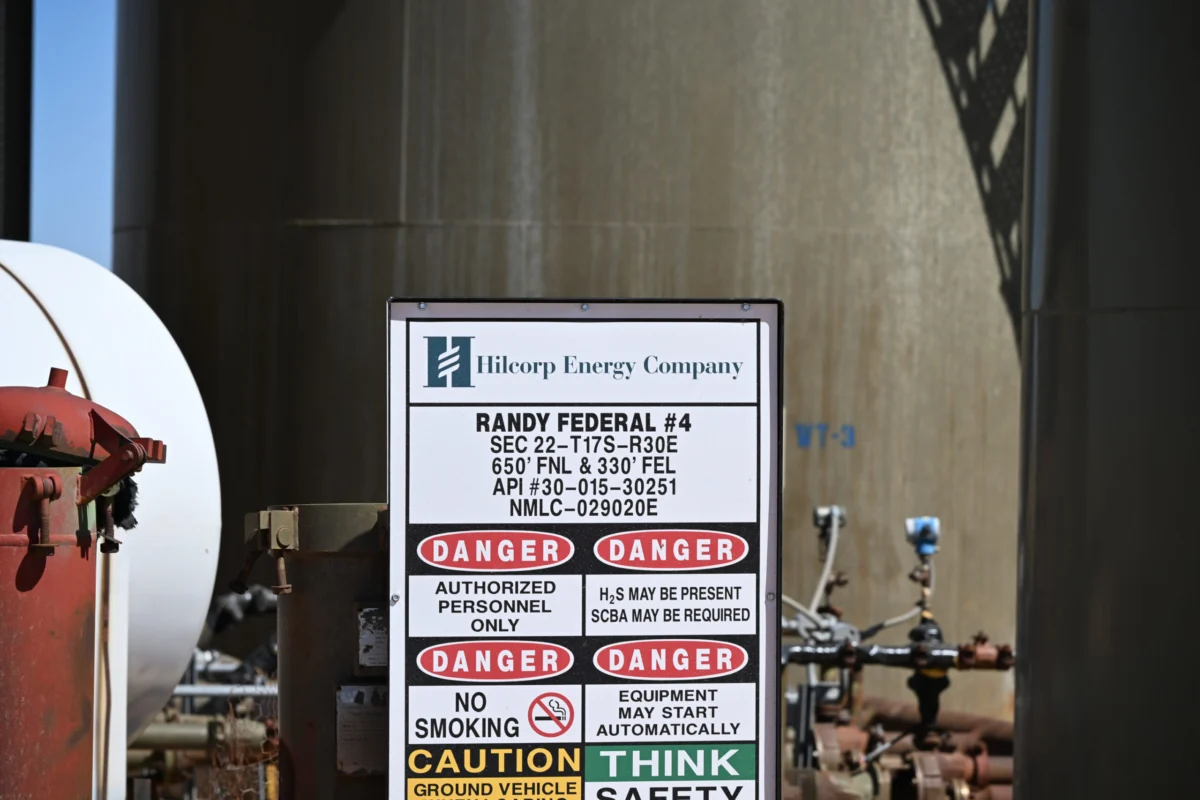
The Trump administration is advancing a significant overhaul of environmental regulations, targeting methane emissions from oil and gas operations, particularly those stemming from low-producing "stripper wells." This proposed rule, currently under review by the White House, seeks to drastically weaken requirements for leak inspections and equipment upgrades across an estimated 700,000 such wells, a move that critics contend prioritizes industry profits over critical climate action and public health.
The Heart of the Proposal: Deregulating "Stripper Wells"
At the core of the Environmental Protection Agency’s (EPA) draft rule is a sweeping deregulation of stripper wells, defined as those producing up to 15 barrels of oil or the energy equivalent in natural gas per day. These wells, often older and less well-maintained, are disproportionately responsible for methane pollution. While they account for only about 6% of the nation’s total oil and natural gas output, studies cited even by the EPA itself indicate they contribute roughly half of the entire sector’s methane emissions. Methane, a potent greenhouse gas, is estimated to be over 80 times more powerful than carbon dioxide at warming the planet over a 20-year period, making its reduction a crucial component of any effective climate strategy.
The EPA’s rationale, as outlined in the draft rule seen by ProPublica, posits that the cost of complying with existing regulations would render these lowest-producing wells uneconomical, forcing their shutdown. The agency deemed this outcome "unreasonable," despite an industry estimate cited in the proposal suggesting that such shutdowns would only impact a mere 0.4% of overall U.S. oil and gas production. This small fraction of production, however, is linked to an outsized share of climate-damaging emissions.
Economic Windfalls and Climate Costs
The financial implications of this proposed rollback are substantial for the industry. The proposal, which also aims to weaken methane controls across the broader oil and gas sector, is projected to save companies an estimated $42 billion through 2050. An internal memo accompanying the draft rule reportedly frames this deregulation as a step to "unleash American energy," echoing a frequent slogan of President Donald Trump.
However, environmental advocates swiftly challenged the administration’s claims, arguing that the negligible boost to energy output would be overwhelmingly overshadowed by a significant increase in climate pollution. "This is not about energy dominance," stated Darin Schroeder of the Clean Air Task Force, a prominent climate advocacy group. "It’s about padding the pockets of oil and gas operators and saddling society with the costs." This sentiment underscores a fundamental divergence in how the administration and its critics weigh economic benefits against environmental and societal burdens. The estimated $42 billion in industry savings would, according to environmental groups, effectively be an externalized cost borne by the planet and future generations through accelerated climate change.
Methane: A Critical Climate Battleground
Methane’s role in climate change has come under increasing scrutiny in recent years. While it persists in the atmosphere for a shorter duration than carbon dioxide—around a dozen years compared to centuries for CO2—its immediate warming potential is significantly higher. This makes rapid methane reductions one of the most effective short-term levers available to slow the pace of global warming within our lifetimes. According to the United Nations Environment Programme, methane is responsible for approximately one-third of the temperature rise since the Industrial Revolution.
The previous administration, under President Joe Biden, had made aggressive methane reduction a cornerstone of its climate agenda. In 2024, the Biden EPA finalized comprehensive standards designed to cut methane pollution from the oil and gas industry by an ambitious 80%. At the time, the EPA projected these rules would yield over $7 billion annually in climate, health, and energy benefits, even after accounting for the industry’s compliance costs. These benefits stemmed not only from reducing global warming but also from preventing the loss of valuable natural gas to the atmosphere through leaks and flares, effectively capturing energy that would otherwise be wasted.
In a departure from established precedent, the Trump EPA’s current proposal notably omits calculations of the environmental and health impacts of its proposed changes. This absence of analysis raises concerns among public health and environmental organizations about the transparency and thoroughness of the rulemaking process. If implemented, much of the public benefit projected by the Biden-era rules is expected to "evaporate," transferring those benefits directly into increased profits for oil and gas producers.
A Campaign of Influence: Industry Lobbying and Political Appointments
The proposed changes are the culmination of an intensive and successful campaign by a specific, previously less prominent, faction of the oil industry. This segment, focused on older, lower-producing wells, has gained unprecedented influence within the current Trump administration. The EPA’s draft rule explicitly acknowledges that it is moving to deregulate stripper wells in direct response to petitions from groups such as the Independent Petroleum Association of America (IPAA) and the National Stripper Well Association (NSWA), among others.

ProPublica’s previous reporting in June detailed the significant role played by oil billionaire Jeffery Hildebrand, founder and owner of Hilcorp. Hilcorp is a privately held company known for acquiring and operating older, often poorly maintained stripper wells. This business model faced considerable headwinds when the Biden administration imposed its aggressive methane pollution restrictions in 2024.
In response, Hildebrand emerged as one of the oil industry’s most substantial donors to Donald Trump. Following Trump’s return to office, a former Hilcorp lobbyist, Aaron Szabo, was swiftly appointed to a high-ranking position at the EPA. Szabo was then tasked with leading the effort to dismantle the very methane rules that had threatened Hilcorp’s business.
The Deregulatory Architect: Aaron Szabo’s Role
Aaron Szabo’s journey from industry lobbyist to environmental policymaker is a focal point of the controversy. Prior to his appointment, Szabo had been instrumental in drafting a letter on behalf of the American Exploration and Production Council (AXPC)—an organization whose board includes Hilcorp’s CEO—specifically opposing the Biden administration’s methane rules. His involvement extended further, as he provided advice on climate regulations for Project 2025, a comprehensive conservative roadmap for a potential Trump administration’s deregulatory agenda.
Among Project 2025’s explicit recommendations is the elimination of an EPA program designed to track and mandate responses to "super-emitter" events. These events refer to enormous, often intermittent, methane releases that have historically plagued the oil and gas industry. Both the AXPC and the IPAA have also publicly advocated for ending this program. The current proposal from Trump’s EPA appears poised to fulfill this recommendation, effectively removing a critical tool for identifying and mitigating major methane leaks.
Industry and Advocate Responses
In response to inquiries, an IPAA spokesperson declined to comment directly on the group’s influence within the Trump administration but stated via email that its lobbying efforts "has focused on ensuring regulations are workable for low-production and marginal wells." This statement aligns with the EPA’s stated rationale for the rollback, emphasizing the economic viability of these wells.
The NSWA and AXPC did not respond to emailed requests for comment. However, NSWA representatives had previously told ProPublica that they requested softer restrictions on stripper wells because many of their members could not afford the compliance costs of the Biden-era rules. AXPC CEO Anne Bradbury had previously asserted to ProPublica that the group’s members were "committed to building on a legacy of world-leading methane emission reductions," a claim that environmental groups would argue is undermined by the current push for deregulation. Hilcorp spokesperson Nick Piatek also declined to provide a new comment but had previously expressed the company’s "pride" in its recent emissions reduction efforts.
Aaron Szabo did not respond to direct emails from ProPublica. The EPA’s press office issued a statement asserting that Szabo "had not done any work for AXPC for well over a year before he started working for the federal government" and that he had reviewed federal ethics rules with the agency’s ethics staff upon joining. The agency declined to comment on the substantive details of the methane rule revisions, confirming only that they were undergoing review by the White House Office of Management and Budget (OMB). The OMB’s press office did not respond to requests for comment, maintaining the veil of official silence around the specifics of the draft proposal.
Broader Implications: Climate, Health, and Policy Precedent
The potential rollback of these methane regulations carries significant implications across multiple fronts. From a climate perspective, increasing methane emissions from U.S. oil and gas operations would undermine domestic and international efforts to combat global warming. The U.S. is a signatory to the Global Methane Pledge, which aims for a 30% reduction in global methane emissions by 2030 from 2020 levels. A policy that significantly increases emissions from a major sector would make achieving this commitment considerably more challenging and could damage the U.S.’s credibility on the international climate stage.
Beyond global warming, methane emissions are often accompanied by other volatile organic compounds (VOCs) and hazardous air pollutants. These co-emitted substances contribute to ground-level ozone (smog), which can exacerbate respiratory illnesses such as asthma, particularly in communities located near oil and gas infrastructure. Weaker leak detection and repair requirements would likely lead to increased local air pollution, posing public health risks to nearby residents.
From a policy standpoint, this move highlights the stark differences in environmental philosophy between administrations and the powerful influence of industry lobbying on regulatory outcomes. The rapid reversal of significant environmental protections established by a previous administration sets a precedent for regulatory instability, making long-term planning difficult for both industries and environmental organizations. It also raises questions about the balance between economic incentives for specific industry segments and the broader public good related to environmental protection and climate stability.
The proposed rule will likely undergo a public comment period once formally released, providing an opportunity for diverse stakeholders—including environmental groups, public health advocates, scientists, and other industry players—to submit their feedback. Given the high stakes, it is widely anticipated that any final rule mirroring the current draft would face immediate legal challenges from environmental organizations, potentially leading to prolonged court battles over its legality and scientific basis. The future of methane regulation in the U.S. remains a contentious battleground, with profound implications for the nation’s climate trajectory and environmental legacy.




 Joko Widodo
 Jia Lissa
 Pevita Pearce
 admin
admin