
 Jia Lissa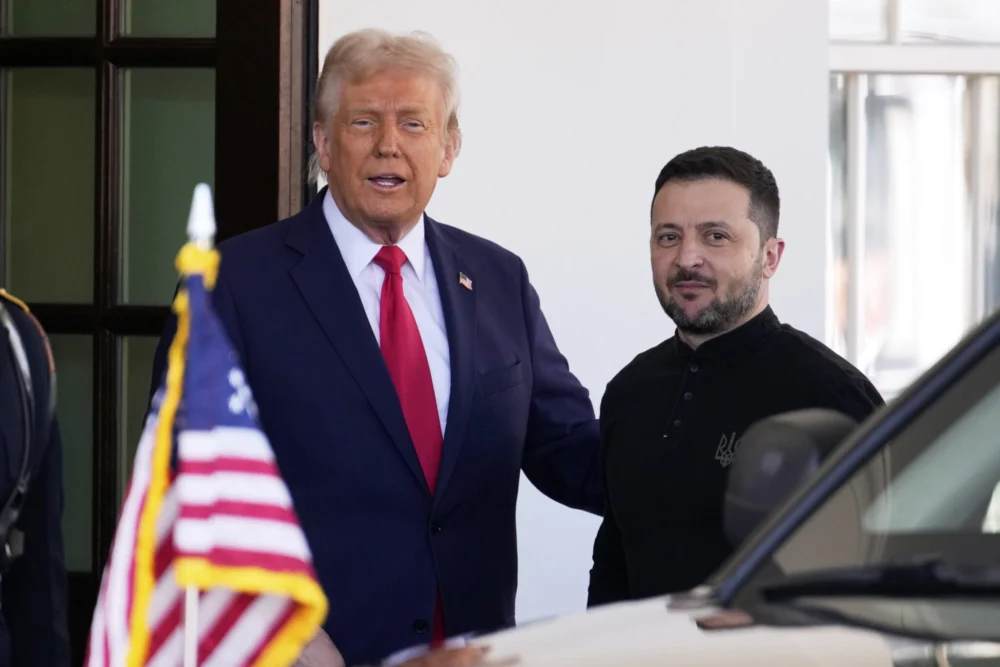
The administration of President Donald Trump reportedly declined a comprehensive proposal from Ukrainian President Volodymyr Zelenskyy last year that would have established a strategic partnership to develop and deploy advanced anti-drone technology. According to a detailed report published by Axios on Tuesday, the Ukrainian government offered the United States access to its battlefield-tested defense systems designed specifically to counter Iranian-made "Shahed" drones—the very technology the U.S. military is now urgently seeking as conflict in the Middle East intensifies. The revelation comes at a critical juncture for U.S. national security, as the Pentagon grapples with the proliferation of low-cost loitering munitions that have already claimed American lives and challenged traditional air defense doctrines.
The August Proposal: Making the Drone Industry Great
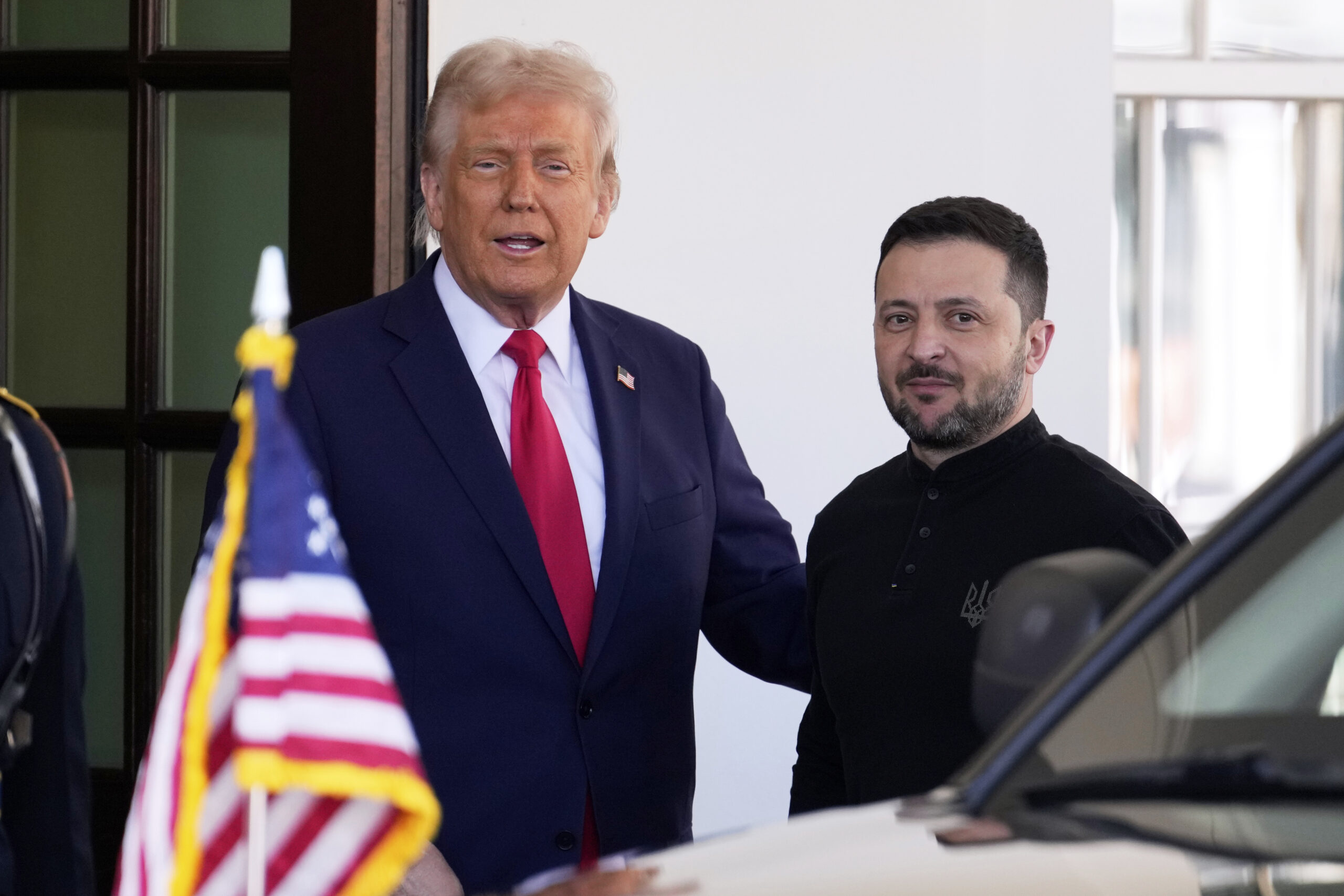
The offer was formally presented during President Zelenskyy’s visit to Washington, D.C., in August 2024. Seeking to align with President Trump’s "America First" economic platform and his background in private enterprise, the Ukrainian delegation prepared a presentation titled "Making US-Ukraine Drone Industry Great." This branding was a clear nod to the President’s campaign slogan and was designed to frame the security partnership as a lucrative business opportunity for the United States.
According to Axios, the presentation was delivered during a closed-door meeting between the two leaders. It outlined a plan to create "drone combat hubs" at U.S. military installations throughout the Middle East and Turkey. The proposal promised to provide the U.S. with "privileged access" to Ukraine’s most effective drone technology, which has been refined through years of direct combat against Russian forces utilizing Iranian-supplied equipment. The Ukrainian officials framed the deal as an expression of gratitude for American security assistance, offering to "give back" by helping the U.S. achieve "drone dominance."
The Economics of Modern Attrition: Shaheds vs. Patriots
A central pillar of the Ukrainian proposal was the economic efficiency of their interceptor technology. In the current conflict landscape, the cost-exchange ratio heavily favors the aggressor. Iranian-made Shahed-136 drones are estimated to cost between $20,000 and $50,000 per unit. In contrast, the traditional American response relies on sophisticated missile systems such as the Patriot or THAAD (Terminal High Altitude Area Defense). A single Patriot interceptor missile can cost approximately $4 million, creating a massive financial and logistical imbalance when defending against "swarms" of dozens or hundreds of cheap drones.
Ukraine’s solution involved "low-cost interceptor drones"—essentially "anti-drone drones"—that are even cheaper than the Shaheds they are designed to destroy. By utilizing high-speed, maneuverable FPV (First Person View) drones and automated sensors, the Ukrainian military has developed a way to neutralize aerial threats for a fraction of the cost of traditional surface-to-air missiles.
A Ukrainian official speaking to Axios noted that while the country has the technical capacity and design expertise to produce up to 20 million interceptor drones, they currently possess the financial resources to fund only 50% of that capacity. The proposal sought a U.S. investment to cover the remaining 50%, in exchange for shared production rights and localized manufacturing within the United States, which would have boosted American industrial jobs.
Chronology of a Tactical Miscalculation
The timeline of the rejected offer highlights what some officials now describe as a significant missed opportunity:
- August 2024: President Zelenskyy meets with President Trump in Washington. The "Making US-Ukraine Drone Industry Great" proposal is presented. The Trump administration, focused on reducing foreign entanglement and reassessing aid to Ukraine, does not move forward with the partnership.
- Late 2024: Iran continues to ramp up production of the Shahed series, providing updated variants to Russia and regional proxies. Ukraine continues to refine its interceptor technology in isolation.
- February 28, 2025: Tensions in the Middle East boil over into active kinetic conflict. U.S. positions in the region come under sustained attack from drone swarms.
- March 2025: Seven American service members are killed in drone strikes. The U.S. military acknowledges a critical gap in its ability to counter massed, low-cost aerial threats effectively.
- Present: The Trump administration is now actively attempting to acquire the same technology it rejected six months prior.
Internal Dissent and Official Reactions
The decision to snub the Ukrainian offer has reportedly sparked internal debate within the U.S. defense and intelligence communities. Axios cited two U.S. officials who characterized the rejection as one of the administration’s "biggest tactical miscalculations" regarding the current conflict with Iran. One official was quoted as saying, "If there’s a tactical error or a mistake we made leading up to this, this was it."
Critics of the administration’s initial hesitation argue that the "America First" approach may have inadvertently overlooked a strategic advantage that would have protected American troops. Proponents of the administration’s initial stance, however, suggest that at the time, the focus was on auditing previous aid to Ukraine and ensuring that any new partnerships did not further escalate tensions with Moscow or commit the U.S. to long-term manufacturing dependencies.
While the White House has not issued a formal statement regarding the Axios report, the Pentagon has recently emphasized the need for "rapid prototyping" and "asymmetric solutions" to the drone threat, signaling a shift in priority that aligns with the very technology Ukraine offered in August.
The Global Proliferation of the Shahed Threat
The urgency of the situation is underscored by the technical evolution of the Iranian drone program. The Ukrainian presentation in August included a "dire prediction" that Iran would continue to improve the Shahed’s range, speed, and resistance to electronic jamming. These predictions have largely come to fruition.
The Shahed-136, often called a "suicide drone," uses a combination of civilian-grade GPS and inertial navigation to hit fixed targets. Because they fly low and can be launched in large numbers, they often overwhelm traditional radar systems designed to track larger, faster aircraft or ballistic missiles. The integration of these drones into the arsenals of various regional actors has fundamentally changed the nature of perimeter defense for U.S. bases in the Middle East.
Ukraine’s expertise is unique because it is the only nation that has successfully integrated a multi-layered, low-cost defense grid against these specific platforms. Their "drone ecosystem" includes acoustic sensors that "listen" for the distinct lawnmower-like sound of Shahed engines, linked to a decentralized network of mobile fire teams and interceptor drone operators.
Implications for U.S. National Security and Future Policy
The current scramble to acquire Ukrainian drone tech reflects a broader realization within the Department of Defense: the era of expensive, exquisite platforms being the sole answer to aerial threats is over. The "Art of the Deal" in 21st-century warfare may increasingly depend on the ability to produce mass-scale, disposable technology.
The failure to secure the partnership in August has had several immediate implications:
- Readiness Gaps: U.S. forces in the Middle East remain vulnerable to swarm tactics while the military works to fast-track new procurement cycles.
- Diplomatic Leverage: Ukraine now holds significant leverage as the primary provider of a critical defense solution, potentially complicating the Trump administration’s efforts to negotiate a conclusion to the Russia-Ukraine war.
- Industrial Delay: Had the deal been signed in August, localized production of these interceptors could have been well underway in U.S. factories by now, providing both security and economic benefits.
As the U.S. military now moves to bridge this technological gap, the incident serves as a case study in the challenges of balancing "America First" political objectives with the rapidly evolving realities of global asymmetric warfare. The "drone combat hubs" once proposed by Zelenskyy are now being reconsidered, not as a favor to Ukraine, but as a necessity for American survival in an increasingly hostile regional environment.
The outcome of the current efforts to acquire this technology will likely determine the effectiveness of U.S. air defense for the remainder of the decade. For now, the administration faces the difficult task of playing catch-up with a partner it once turned away, while the threat from Iranian-made drones continues to escalate.


 Yuyun Lusiyani
 Ana Megawati
 Joko Widodo
 Eva Lovia
 Pevita Pearce