
 Yuyun Lusiyani
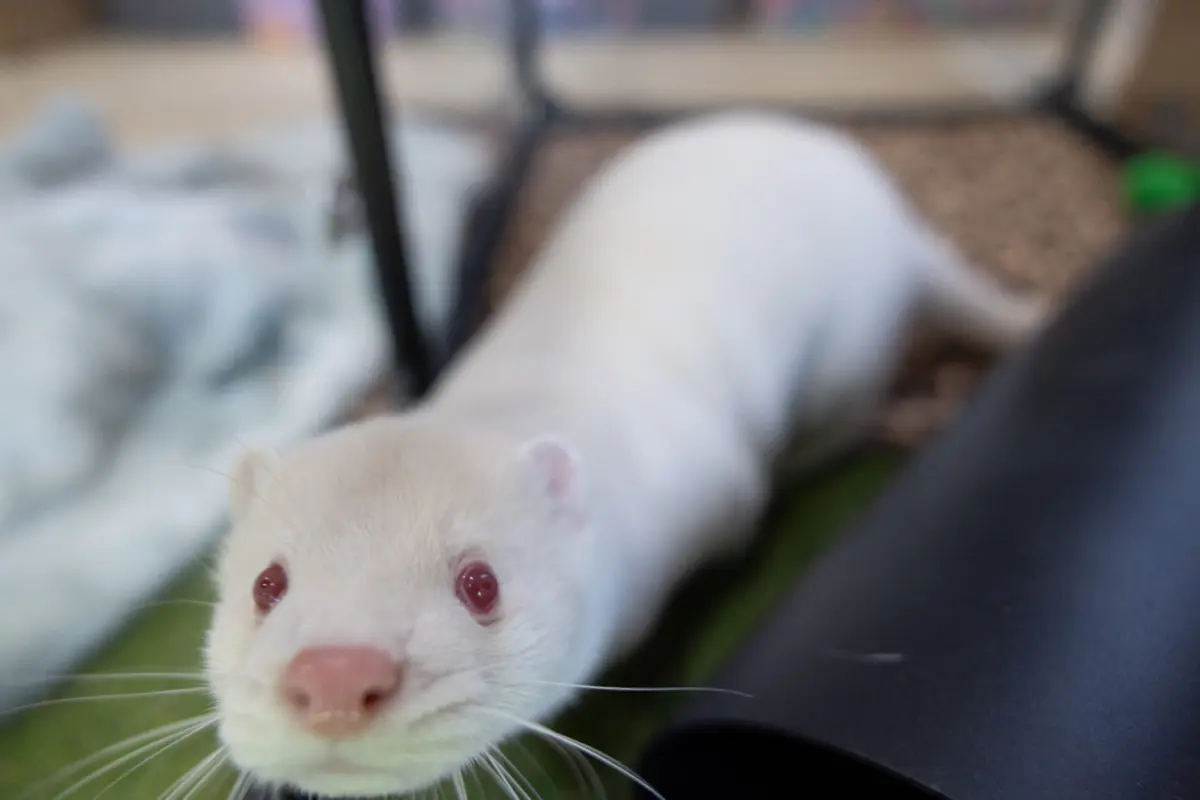
A ProPublica investigation has unveiled a critical public health crisis unfolding in Utah, where a virulent strain of bird flu, H5N1, has raged uncontrolled on a mink fur farm for over two months. This unchecked outbreak, occurring in an animal species uniquely poised to facilitate viral mutation and jump to humans, has drawn sharp condemnation from leading flu experts who describe the official response as "irresponsible," "puzzling," and "playing with fire." The situation highlights profound failures in inter-agency coordination, a prioritization of commercial interests over public health, and a alarming disregard for established pandemic prevention protocols, raising the specter of a new, potentially deadlier global pandemic than COVID-19.
The Perilous Crossroads: Bird Flu, Mink, and the Path to Pandemic
The current H5N1 strain has been a devastating force in American poultry farms for four years, responsible for the culling of millions of birds and the deaths of two humans who contracted it directly from infected animals. Crucially, the virus has, until now, remained largely a "bird" flu, optimized to attach to avian cells and lacking the critical mutations needed for efficient human-to-human transmission via respiratory droplets. However, scientific consensus warns that this stability is precarious. A single mutation, or a series of mutations, could enable the virus to gain a "foothold" in human respiratory systems, potentially unleashing a pandemic that experts fear could eclipse the lethality of COVID-19.
For such a catastrophic shift to occur, the bird flu typically requires an intermediate host—an animal susceptible to both avian and human viruses, where the virus can evolve. These intermediate hosts, especially when densely housed, provide an ideal "petri dish" for viral adaptation. Mink, small carnivorous mammals raised globally for their luxurious fur, represent precisely such a host. Their respiratory systems, on a cellular level, bear a striking resemblance to those of humans, making them highly vulnerable to influenza viruses that can infect both birds and people. Mink have a documented history of contracting and spreading various flu strains, and notably, were implicated in human COVID-19 infections during the early stages of that pandemic.

The ProPublica investigation revealed that this perfect storm of conditions is not theoretical; it is actively unfolding at C&T Fenn Farms, a mink fur operation located approximately an hour’s drive south of Salt Lake City. The farm, housing thousands of mink, has been battling an H5N1 outbreak since at least mid-August.
A Timeline of Official Inaction and Public Health Neglect
The chronology of the Utah bird flu outbreak on the mink farm paints a disturbing picture of delayed response and a systematic downplaying of risk:
- Mid-August: Utah agriculture officials were first alerted to mink deaths at C&T Fenn Farms, confirming H5N1 as the cause. This marked the beginning of an uncontrolled outbreak that has persisted for over two months.
- Initial Response (Utah Department of Agriculture and Food – UDAF): State veterinarian Amanda Price, responsible for leading Utah’s response, sought guidance from the U.S. Department of Agriculture (USDA). However, the USDA, primarily focused on poultry and cattle, indicated they had no specific regulatory authority, approved vaccines, or culling protocols for mink.
- Lack of CDC Engagement: Despite the severe public health implications, Centers for Disease Control and Prevention (CDC) officials reportedly never directly communicated with Price regarding the outbreak. Price, in turn, did not proactively reach out to the CDC.
- Prioritizing Business Over Public Health: Records and interviews indicate that the primary concern of Utah officials was the welfare of the fur farm owner and the business, rather than containing the potential zoonotic threat. Price expressed sympathy for the owner, stating, "This is his life’s work that he’s seeing be destroyed. I really hope that you understand the humanity behind this situation."
- Rejection of Culling: Unlike poultry farms, where a single positive H5N1 case mandates the culling of entire flocks (with federal reimbursement), Utah never seriously considered depopulating the mink farm. A fur trade representative warned Price that such a measure would devastate the business and the wider industry, which relies on decades of selective breeding for unique genetic lineages.
- "Sitting and Waiting": Price stated, "There’s just not a lot of options out there other than kind of sitting and waiting and seeing what happens." This stance is in stark contrast to other nations like Finland and Spain, which swiftly ordered the culling of mink on H5N1-infected fur farms to prevent broader spread and mutation. Tom Peacock, an avian influenza researcher at the Pirbright Institute, called the decision "very concerning," noting that depopulation is typically the first instinct.
- Absence of Worker Monitoring: Despite explicit CDC guidance urging symptom monitoring for individuals exposed to bird flu, Utah officials failed to implement any such measures for the mink farm workers. This policy was reportedly influenced by complaints from agricultural colleagues that proactive monitoring annoyed farmers and hindered cooperation.
- A "Verbal Hold" and Limited Surveillance: Instead of a formal quarantine, Price issued a "verbal hold" instructing the farm not to move mink, manure, or carcasses. She asserted confidence that the virus would not spread off the farm, despite mink being known "escape artists" and the aggressive nature of the animals, which workers described with scars from bites and scratches. Experts, however, caution that without active surveillance, the absence of reported cases does not equate to the absence of spread.
- Ignoring a Key Symptom: A ProPublica reporter identified a worker at the Utah mink farm with a visibly red eye, a telltale symptom present in over 90% of human H5N1 cases and explicitly requiring testing according to CDC guidelines. The farm owner, Chad Fenn, reported this to the Utah County Health Department, but testing was not recommended, with the department reportedly stating there was "no need" unless other symptoms like cough or sore throat developed.
- Stalled Genetic Sequencing: While initial genomic data from early samples showed no immediate alarming mutations, the virus has had two months to continue mutating. New samples were taken two weeks prior to the ProPublica report, but results were still pending, leaving a critical knowledge gap about the virus’s evolution. John Korslund, a retired USDA official, stressed the urgency of examining newer genetic samples to detect accumulated mutations.
The Science of Spillover: Why Mink Matter
The H5N1 strain, formally known as highly pathogenic avian influenza, has shown a troubling propensity for interspecies jump. Its spread to dairy cows in 2024, and subsequent rampant circulation within herds, demonstrated its adaptability beyond avian hosts. The genomic data from the infected Utah mink confirms they were struck by the same strain prevalent in dairy herds. While the exact transmission route to the mink remains unconfirmed, the common practice of feeding mink raw livestock organs, including those from cows, presents a plausible pathway.

Mink are particularly dangerous intermediate hosts due to their unique respiratory biology. Their airways possess an abundance of both avian-like and human-like cell receptors, providing a dual gateway for the virus. This allows the bird flu virus, primarily adapted to avian receptors, to experiment with mutations that could enable it to bind more effectively to human-type receptors. Research has already shown that a single mutation in the dairy strain could switch its preference from bird-type to human-type receptors. Studies using ferrets, close relatives of mink, have further demonstrated the virus’s ability to acquire mutations that allow it to attack human-type cell receptors.
Beyond direct mutation, there’s the equally concerning risk of "reassortment." This occurs when an animal (like a mink or human) is simultaneously infected with two different flu viruses – for example, H5N1 and a seasonal human flu. Inside the co-infected cell, the genetic material of the two viruses can mix and swap, potentially creating a novel hybrid virus that retains the high pathogenicity of H5N1 and acquires the human-to-human transmissibility of the seasonal flu. The timing of the mink outbreak, coinciding with one of the earliest flu seasons on record in September, significantly amplifies this risk. Jennifer Nuzzo, director of the Pandemic Center at the Brown University School of Public Health, unequivocally stated, "The most likely scenario for a pandemic is that we have a virus that reassorts with another virus… Obviously, having this circulate amid human flu season is not great."
Policy Failures and the Erosion of "One Health"
The Utah incident underscores a glaring failure in the "One Health" approach to viral threats, a globally recognized strategy advocating for integrated action across human, animal, and environmental health sectors. Experts who reviewed ProPublica’s findings concluded that this collaborative framework is conspicuously absent in Utah, with both state and federal governments bearing responsibility. Erin Sorrell, a senior scholar at the Johns Hopkins Center for Health Security, lamented the lack of a "leader of this ‘one health’ team to take charge," warning that this vacuum "is going to allow the virus to continue to circulate, potentially adapt and potentially spill over into another host."
The disparity in response protocols is stark. While poultry farmers are mandated to cull infected flocks and receive federal compensation (a program that has cost over $1 billion since 2022), no such federal framework exists for mink. The USDA’s stance is that Congress would need to specifically fund a program for mink depopulation and reimbursement. This legislative gap leaves states without a clear federal playbook or financial support, potentially contributing to the hesitant and reactive approach seen in Utah.

Moreover, federal guidance regarding bird flu prevention on mink farms has been critically incomplete, failing to address the risk posed by contaminated beef, a known pathway for the dairy strain and a routine feed source for mink. This oversight, combined with the lack of active surveillance and worker monitoring, creates a perilous environment for viral evolution and spillover.
Utah’s response stands in stark contrast to its actions during the COVID-19 pandemic. In 2020, when SARS-CoV-2 spread explosively on mink farms, including the very same C&T Fenn Farms, state officials actively collaborated with federal experts, researched viral adaptation, set traps for escaped mink, and conducted extensive testing of both animals and workers. These proactive measures led to the identification of mink-to-human transmission of COVID-19 in other countries. The USDA justified its lesser involvement now by claiming the bird flu virus has less "significant" potential for human-animal transmission compared to COVID-19, a claim that public health experts widely dispute given H5N1’s high mortality rate in humans.
The Broader Stakes: Industry, Policy, and the Next Pandemic
The reluctance to act decisively in Utah is deeply intertwined with the economic interests of the fur industry. The industry, which primarily produces luxury pelts for overseas markets, has faced declining demand in the U.S. and increasing pressure from animal rights advocates. The state veterinarian’s deference to the farm owner’s privacy and business concerns, even to the extent of not visiting the infected property, exemplifies this prioritization. Chad Fenn, the farm owner, dismissed concerns about mink as a risky host, attributing them to "anti-fur activists" and contrasting what he perceived as "scared" European responses with the American approach.
However, public health experts are unequivocal: the stakes far outweigh the commercial interests of a niche industry. Neil Vora, executive director for the Preventing Pandemics at the Source Coalition, called the events in Utah a "clear warning sign" and stated, "It’s absurd that we’re willing to gamble with the lives of millions of people just to keep an industry alive."

The implications extend beyond Utah’s borders. An uncontrolled reservoir of a mutating H5N1 virus in mink poses a global threat. The lack of proactive measures—culling, robust worker monitoring, and aggressive genetic sequencing—means that the virus is being given every opportunity to adapt to human biology. Meghan Davis, an epidemiologist at Johns Hopkins University, summarized the precarious situation: "We might get lucky, and a response that is not robust may not have dire consequences. But we may get unlucky."
The current legislative landscape further complicates matters. While animal rights groups advocate for phasing out the fur industry, efforts in Congress are paradoxically moving to expand market opportunities for mink farmers, with the Senate set to consider a Farm Bill that would undo a prohibition on subsidizing the fur trade. This legislative direction appears to ignore the mounting scientific and public health warnings.
As the outbreak continues, albeit at a slower pace, on C&T Fenn Farms, the world watches. The unanswered questions regarding the virus’s current mutations and the lack of active surveillance create a dangerous blind spot. As Tom Peacock starkly warned, "I would want a full on hazmat suit if I were on that farm. Or, preferably, I’d rather not to be on that farm." The unchecked spread of a highly pathogenic avian influenza in a potent intermediate host, coupled with official inaction and a failure to heed expert warnings, presents a chilling reminder of the pathways to past pandemics and the critical need for robust, proactive public health governance.




 Nila Kartika Wati

 Eva Lovia

 Lina Irawan

 Ana Megawati

 Joko Widodo
