
 Joko Widodo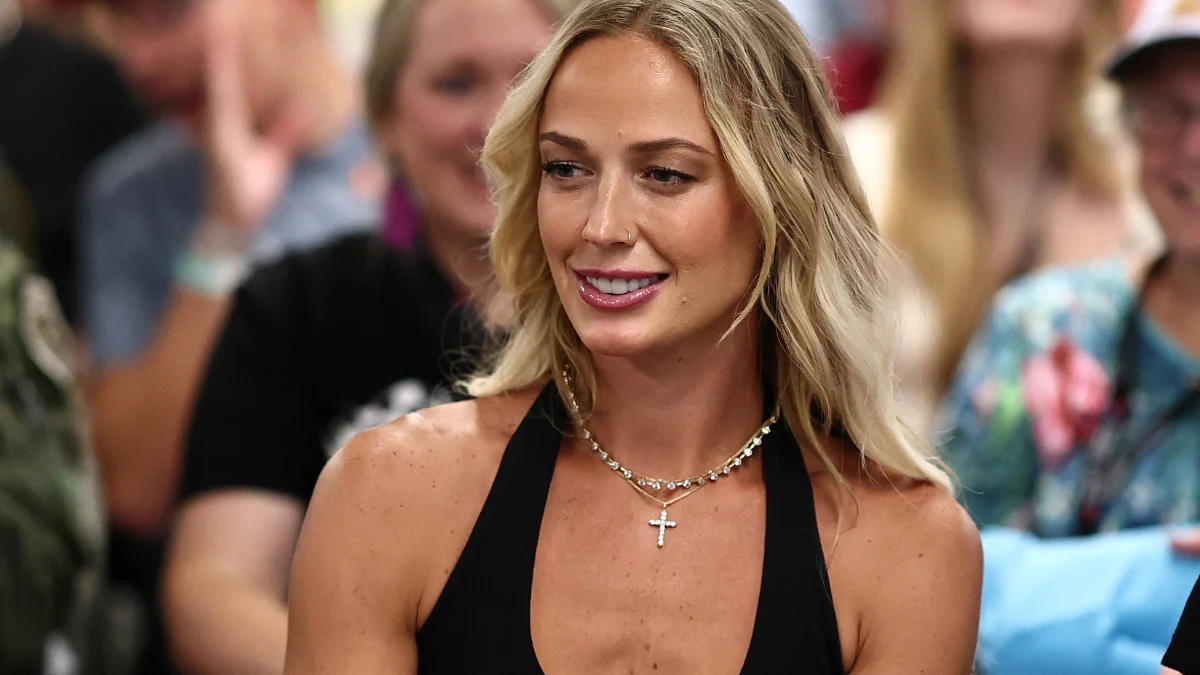
WNBA star Sophie Cunningham has broken her silence on the widely discussed advertising campaign featuring actress Sydney Sweeney for a sports prediction platform. Cunningham, a prominent player for the Indiana Fever, voiced her reservations about the ad’s authenticity during a recent episode of her podcast, "No Hesitation With Sophie Cunningham & Drew Hanlen." While expressing a personal dislike for the advertisement, Cunningham also emphasized Sweeney’s autonomy in making career choices, advocating for a stance of "do your thing, sis."
The Genesis of the Controversy: Sweeney’s Risqué Campaign
The advertisement in question, which features Sweeney in revealing attire alongside sports paraphernalia, rapidly gained traction and ignited a fervent public debate. The campaign was launched by a sports prediction platform, aiming to leverage Sweeney’s star power to attract a broad audience. The visual strategy, which leaned heavily on Sweeney’s celebrity and a more provocative aesthetic, immediately drew attention, prompting widespread discussion across social media and traditional media outlets. This approach contrasted with typical sports advertising, which often focuses on athletic prowess or fan engagement through more conventional imagery.
Cunningham’s Perspective: Authenticity and Autonomy
During the discussion on her podcast, which was recently rebranded and expanded to include Drew Hanlen, Cunningham articulated her primary concern: the perceived lack of authenticity in Sweeney’s endorsement. "The amount of text messages, DMs, comments of people wanting me to talk about the Sydney Sweeney ad. I have so many takes, but like it’s just first of all, like does she even gamble on sports? Like it’s just so unauthentic. You know what I mean?" Cunningham stated, directly questioning Sweeney’s personal connection to the product. This sentiment highlights a growing consumer demand for genuine endorsements, particularly within the sports and wellness sectors, where perceived credibility can significantly impact brand perception.
However, Cunningham was quick to temper her criticism by acknowledging Sweeney’s established career trajectory. "Like, am I surprised of how she represented the brand? No. Like, that’s what she’s made her whole career off," she conceded. This observation points to Sweeney’s consistent use of a particular public persona in her endorsements, which, while effective in generating attention, can also invite scrutiny regarding the genuine alignment with the products being promoted. Despite this, Cunningham reiterated her personal feelings about the advertisement itself. "Still, she admitted, ‘Do I like it? Like, that particular ad. Not really. Like, I think, what are we doing?’"
Crucially, Cunningham pivoted to a message of individual freedom and empowerment. "However, she quickly added, ‘She’s making her money. Go do your thing, sis.’" This statement underscores a broader perspective on celebrity endorsements and personal branding, suggesting that while one might not personally approve of a particular choice, it is important to respect an individual’s right to make their own decisions, especially when it pertains to their livelihood.
Examining the Public Reaction and Gender Dynamics
Cunningham also addressed the polarized reactions to the advertisement, particularly among women. "Why are girls mad? Like, that is literally what she does. Why is anyone mad?" she questioned. This prompts an examination of the societal expectations placed upon women in the public eye, and how these expectations intersect with the evolving landscape of advertising and personal branding. The ad’s suggestive nature, while a deliberate marketing tactic, may have also touched upon sensitive themes related to female representation and the objectification of women in media.
Cunningham acknowledged the "kind of weird" moral dimension of the ad from her perspective but ultimately concluded with a principle of tolerance. "to each their own," she stated, reinforcing her belief in respecting individual choices, even when they differ from one’s own ethical or aesthetic preferences. This stance reflects a mature understanding of the diverse motivations and contexts behind public figures’ decisions. Furthermore, Cunningham explicitly called for solidarity among women, urging them not to engage in mutual criticism over such choices. "And hey, don’t get me wrong, I like her," she added, emphasizing that her critique was not personal animosity but rather a commentary on the advertisement’s presentation.
Sweeney’s Defense and the Athlete Comparison
In response to the backlash, Sydney Sweeney herself had previously addressed some of the criticism by drawing parallels with other prominent figures. She shared images of both male and female athletes who had posed nude or semi-nude for ESPN The Magazine’s "Body Issue." This comparison aimed to contextualize her own advertising choices within a broader trend of athletes and celebrities utilizing their physical presence in artistic and promotional capacities. ESPN’s annual "Body Issue," which ran from 2009 to 2019, celebrated the athletic form and often featured athletes in minimalist attire or nude, emphasizing strength, health, and the human body in its athletic context. This move by Sweeney sought to align her campaign with established precedents of artistic and athletic body portrayal in media.
However, critics were quick to point out a significant distinction: Sweeney is an actress, not a professional athlete. This differentiation is crucial, as the context and intent behind an athlete posing for such a feature often differ from that of an actor promoting a commercial product. Athletes’ bodies are instruments of their profession, and their portrayal can be seen as a celebration of their dedication, training, and physical capabilities. Sweeney’s participation, while potentially artistic or attention-grabbing, is primarily tied to her role as a celebrity endorser for a commercial venture, leading some to argue that the comparison, while illustrative of nudity in media, doesn’t fully address the nuances of her specific situation.
The Broader Implications: Celebrity Endorsements and Brand Ethics
The discourse surrounding Sydney Sweeney’s sports betting advertisement and Sophie Cunningham’s commentary highlights several significant trends and ongoing debates within the realms of advertising, celebrity endorsements, and public perception.
Shifting Consumer Expectations for Authenticity
In an era saturated with advertisements, consumers are increasingly discerning. The rise of social media influencers and direct-to-consumer marketing has amplified the demand for authentic connections between endorsers and the products they promote. When a celebrity’s personal life or known interests appear disconnected from an advertised product, it can lead to skepticism and criticism, as seen with Cunningham’s questioning of Sweeney’s gambling habits. This trend suggests that brands may need to move beyond simply leveraging star power and instead focus on forging genuine partnerships that resonate with audiences on a more credible level. The financial success of an endorsement is no longer solely measured by reach but by the depth of audience trust and perceived authenticity.
The Evolution of Advertising Strategies
The use of provocative imagery in advertising is a long-standing tactic, but its effectiveness and ethical implications are constantly under review. Sweeney’s campaign, by employing a degree of nudity and suggestive posing, tapped into established strategies for generating buzz and capturing attention. However, the backlash suggests that such tactics can also alienate segments of the audience or raise questions about the underlying values being promoted. Brands must carefully consider the potential downsides of shock value versus long-term brand reputation and consumer loyalty. The line between edgy and exploitative can be thin, and public reaction often dictates where that line is perceived to be.
Gender Representation and Media Scrutiny
The debate also underscores the persistent scrutiny faced by women in the public eye. Cunningham’s observation about women being "mad" points to potential internal dialogues and societal pressures regarding female sexuality, professionalism, and self-expression. While Sweeney’s defense referencing ESPN’s "Body Issue" attempted to normalize such portrayals, the distinction between artistic expression and commercial endorsement remains a point of contention, particularly when gender dynamics are involved. The incident serves as a reminder of the complex landscape of female representation in media and the ongoing conversations about agency, objectification, and empowerment.
The Role of Athletes as Influencers
For athletes like Sophie Cunningham, their voices carry a particular weight within the sports community. Her candid remarks offer an insider’s perspective on the intersection of sports culture and celebrity endorsements. Her emphasis on authenticity and her support for individual autonomy provide a balanced view that acknowledges both the business realities of endorsements and the importance of genuine connection. As athletes increasingly become significant influencers beyond their athletic careers, their opinions on such matters can shape public discourse and influence how endorsements are perceived within their fan bases.
Legal and Regulatory Considerations
While not directly addressed in the provided text, the advertising of sports betting is a heavily regulated industry in many jurisdictions. The nature of the advertisement, including its visual content and messaging, could fall under the purview of advertising standards and consumer protection laws. Regulatory bodies often monitor campaigns for misleading claims or potentially harmful content, especially concerning industries that involve gambling. The controversy could, in broader terms, prompt further scrutiny from such bodies regarding the ethical boundaries of promoting gambling activities through celebrity endorsements.
In conclusion, Sophie Cunningham’s commentary on Sydney Sweeney’s controversial sports betting advertisement offers a nuanced perspective that balances personal opinion with a broader understanding of individual freedom and the complexities of celebrity endorsements. The incident highlights the ongoing evolution of advertising strategies, the enduring demand for authenticity, and the critical conversations surrounding gender representation in media. As the lines between entertainment, sports, and commerce continue to blur, such debates will likely remain a significant feature of the public discourse.




 Yuyun Lusiyani
 Jia Lissa
 Pevita Pearce
 admin
admin
