
 Lina Irawan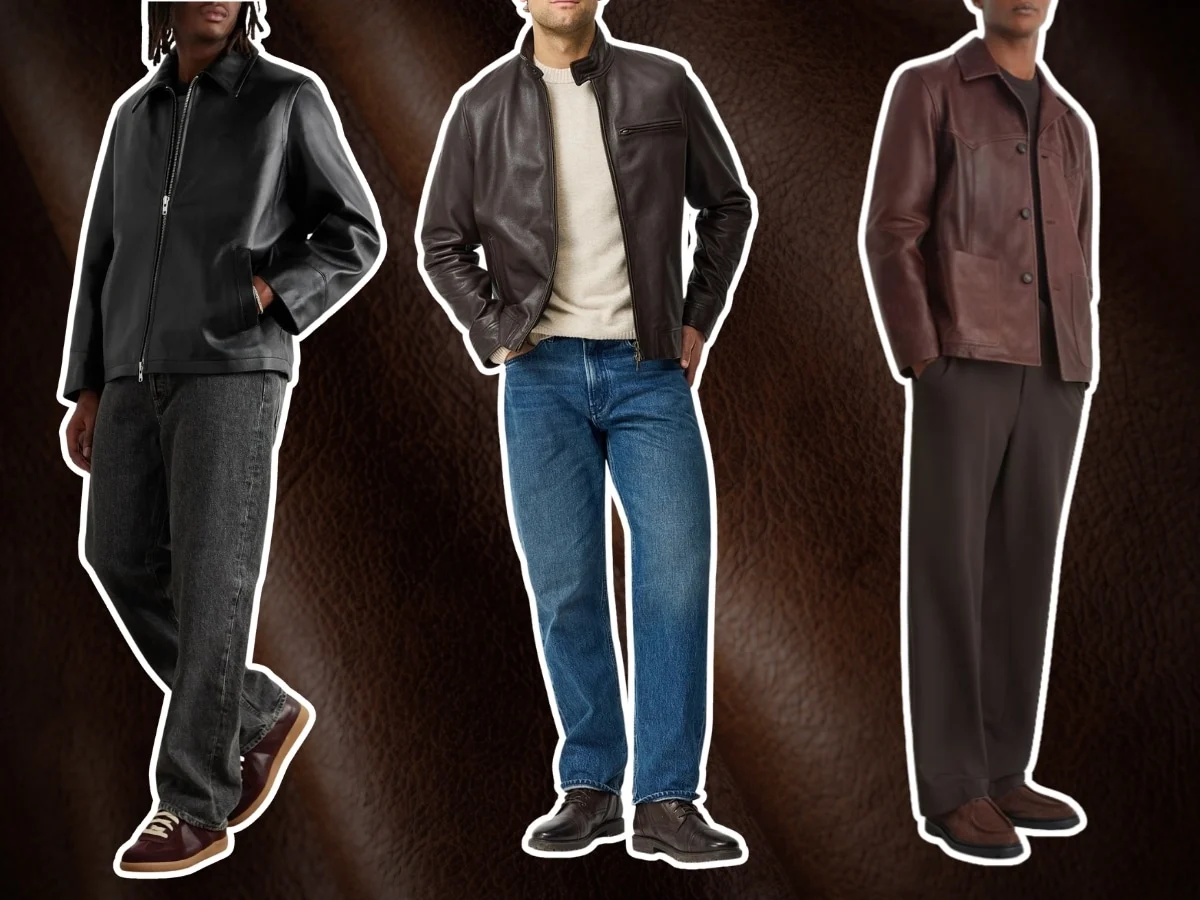
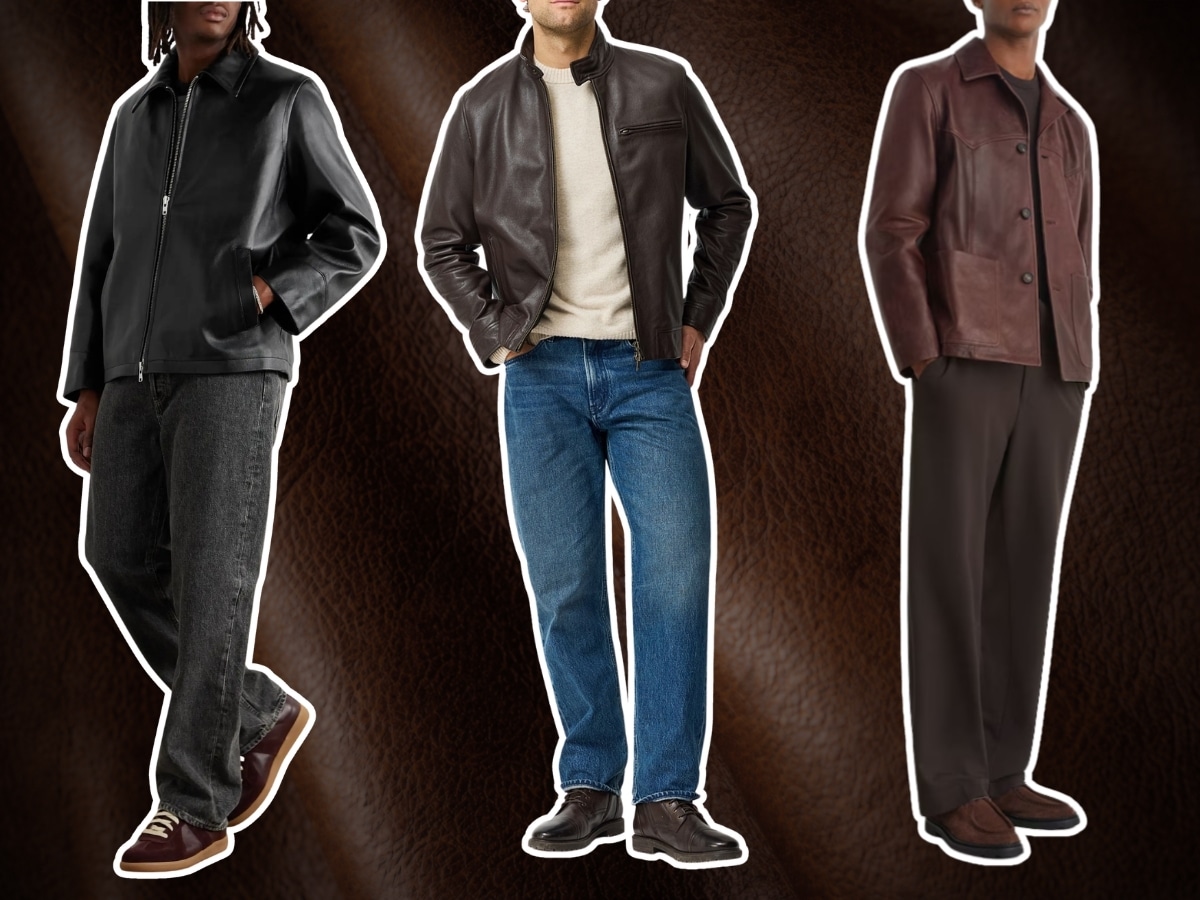
The global men’s leather jacket market continues to undergo a significant transformation as the 2026 fashion season approaches, shifting away from disposable fast-fashion trends toward a "buy-it-for-life" philosophy. For the modern consumer, the leather jacket has transitioned from a mere subcultural symbol into a sophisticated investment vehicle, comparable to luxury horology or heritage footwear. As supply chain costs for premium hides rise and artisanal craftsmanship becomes a rare commodity, the selection of a high-quality jacket requires a technical understanding of materials, construction, and historical context.
The Historical Context: From Utility to Luxury
The leather jacket’s journey into the 2026 pantheon of essential menswear is rooted in a century of functional evolution. Originally developed for early 20th-century aviators and military personnel—most notably the A-1 and A-2 flight jackets—the garment was designed for thermal regulation and extreme durability. By the mid-20th century, the "Perfecto" motorcycle jacket, popularized by figures like Marlon Brando, shifted the narrative toward rebellion.
In the current era, the trajectory has moved into the realm of "Quiet Luxury" and "Heritage Workwear." Brands are now looking back to the mid-century "car coat" and the "blouson" to meet the demands of a professional workforce that values versatile outerwear capable of transitioning from a boardroom to a casual weekend setting. This historical arc informs the 2026 market, where vintage silhouettes are being reimagined through the lens of modern minimalism and superior material science.

Market Analysis and Consumer Data
The demand for high-end leather apparel is supported by robust market data. Analysts suggest that the global leather goods market is projected to expand at a compound annual growth rate (CAGR) of approximately 6.5% through 2030. A significant driver of this growth is the male demographic’s increasing preference for "full-grain" and "top-grain" hides.
Surveys of luxury consumers indicate that 72% of buyers now prioritize "durability and longevity" over "brand name recognition" when purchasing outerwear exceeding the $1,000 price point. This shift has benefited labels like Ralph Lauren’s RRL and boutique ateliers that emphasize transparent sourcing and bench-made construction. Furthermore, the "cost-per-wear" economic model has become a primary justification for high-ticket leather investments, with a premium jacket often retaining 40-60% of its value on the secondary resale market after a decade of use.
The 2026 Selection: Top 10 Investment Pieces
The following selection represents the pinnacle of the 2026 market, categorized by their utility, material grade, and aesthetic contribution to a modern wardrobe.
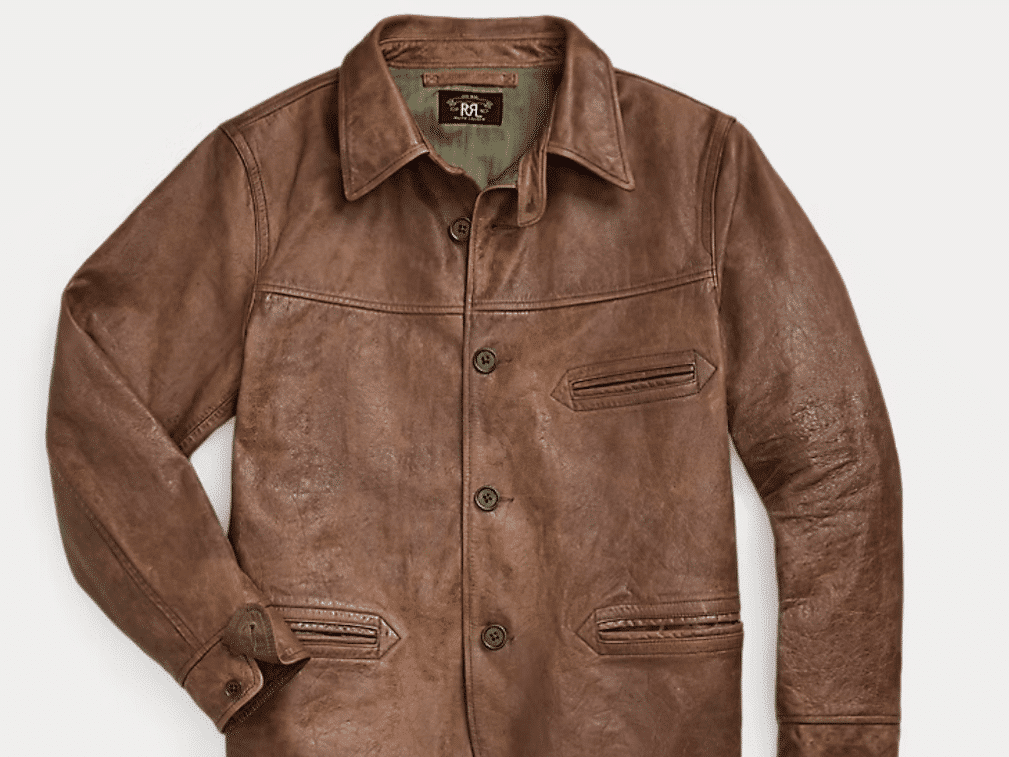
1. RRL Leather Car Coat: The Heritage Standard
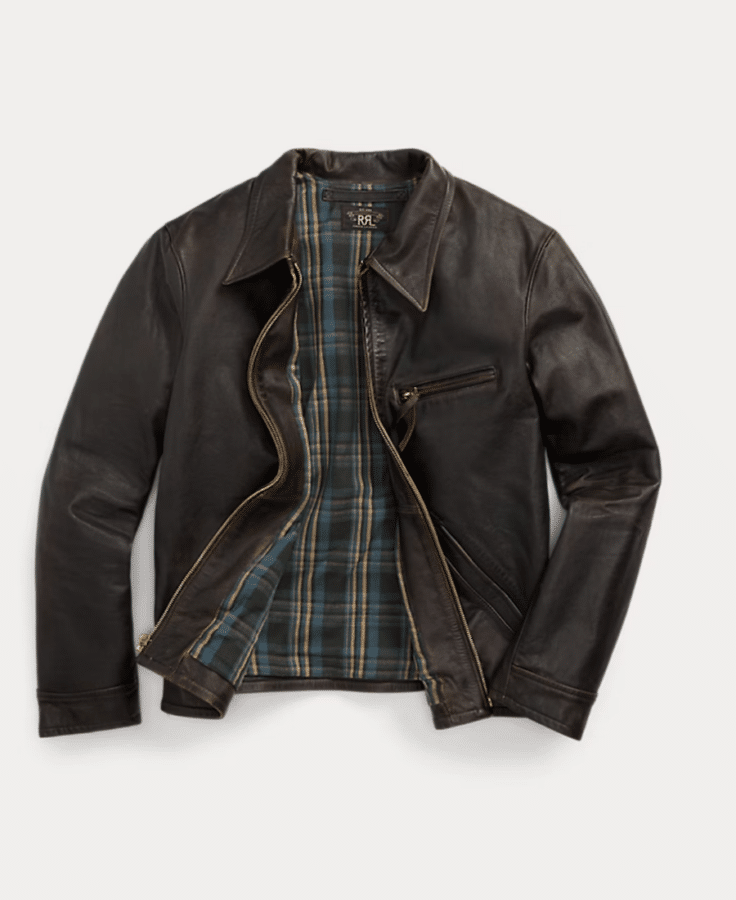
The RRL Car Coat remains the "Holy Grail" for collectors of Americana. Utilizing heavy full-grain cowhide, this piece is treated to mimic the patina of a mid-century find. Its design features—such as the adjustable buttoned tabs and olive herringbone twill lining—reflect a commitment to military-grade specifications. At a retail price of approximately $3,799 AUD, it represents a significant financial commitment aimed at generational longevity.
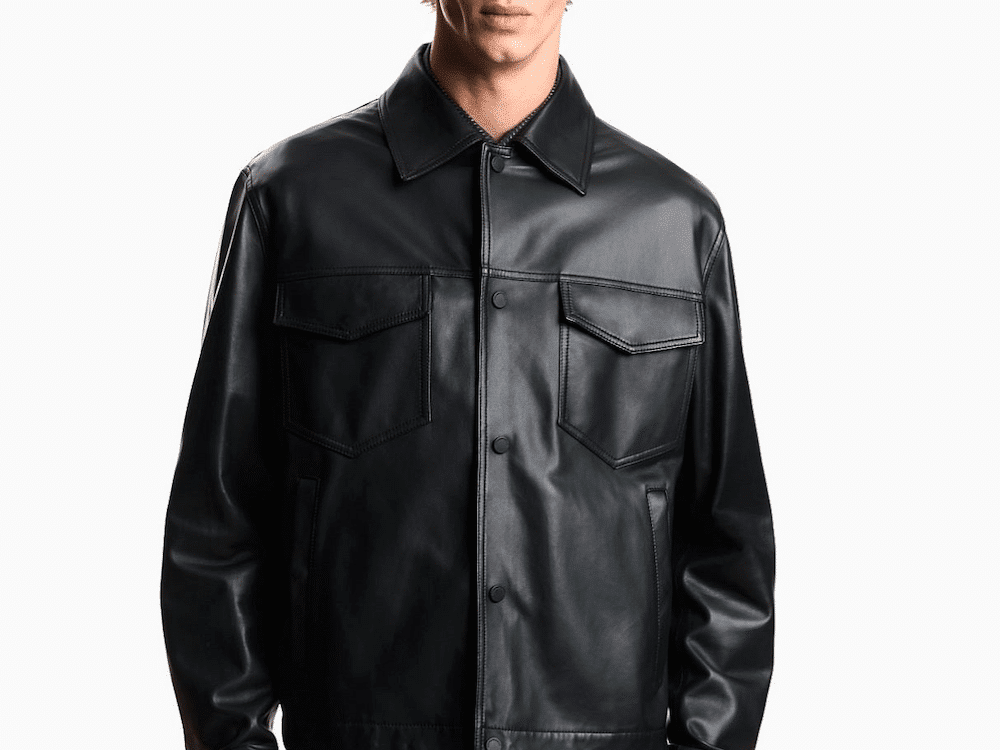
2. Emporio Armani Man’s Outerwear: The Corporate Alternative
As traditional blazers lose favor in increasingly casual corporate environments, Emporio Armani has filled the void with a structured lamb leather jacket. By removing the aggressive hardware typically associated with biker styles, Armani has created a fluid, minimalist silhouette that pairs seamlessly with tailored trousers.
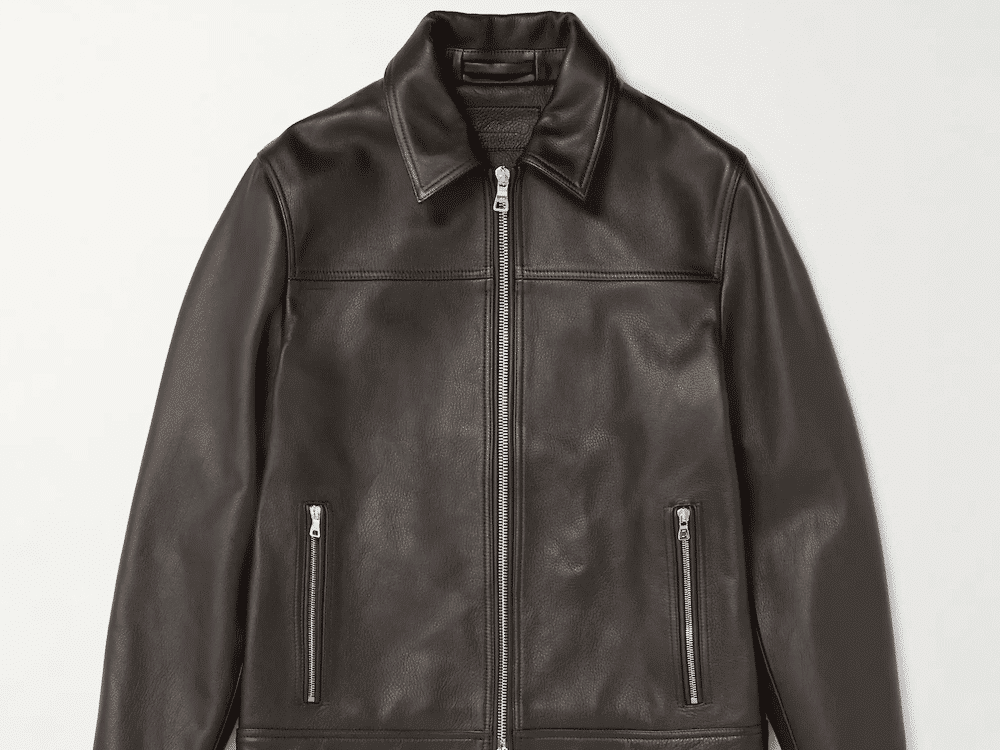
3. MR P. Full-Grain Leather Coach Jacket: The Elevated Staple
Mr Porter’s in-house label, MR P., has successfully elevated the streetwear-inspired coach jacket. By utilizing premium full-grain leather, the brand has transformed a casual shape into a piece of luxury outerwear that serves as an ideal transitional layer for the autumn and spring seasons.
4. RRL "Black Over Brown" Leather Jacket: The Patina Specialist
Distinct from the car coat, this RRL model utilizes a specialized dyeing technique. The "Black Over Brown" finish is designed to wear away at high-friction points, revealing the underlying brown tones. This creates a bespoke aging process unique to the wearer’s physical movements.
5. Rodd & Gunn Canvastown: The Value Proposition
Retailing just under $1,000 AUD, the Canvastown jacket by Rodd & Gunn offers an entry point into the premium market without sacrificing structural integrity. It features grained natural cow leather and high-performance YKK zippers, representing the "value play" for the 2026 season.
6. Reiss Varlan Burnished-Leather: The Western Influence
The Varlan jacket incorporates Western-inspired yokes and a button-through front, offering a softer, more "lived-in" aesthetic. Its burnished finish provides a tactile quality that distinguishes it from the stiffer, more rigid hides found in traditional motorcycle gear.
7. AGOLDE Chadwick: The Modern Minimalist
AGOLDE, while primarily known for denim, has gained traction in the leather space with the Chadwick jacket. Its boxy, slightly cropped fit appeals to a younger demographic looking for modern proportions and ease of movement.

8. Reiss Strader: The Smart-Casual Zip-Up
The Strader model serves as a versatile bridge between formal and casual. Its clean lines and two-way front zip make it a functional choice for urban commuters who require a streamlined profile.
9. Reiss Ortega: The Everyday Buffalo Hide
Utilizing buffalo leather—known for its distinct, large-pore grain and exceptional toughness—the Ortega is built for daily rigors. Its relaxed shape allows for layering over heavy knitwear, making it a practical choice for colder climates.

10. Knickerbocker Benson: The Artisan Choice
Handmade in Portugal, the Benson jacket emphasizes the "atelier" approach. Using supple calf leather and custom-developed YKK hardware, Knickerbocker produces this item in limited quantities to maintain exclusivity and quality control.
Technical Analysis: Material Science and Construction
The disparity in pricing among the top 10 jackets is largely dictated by the grade of the hide and the tanning process used. Understanding these tiers is essential for a factual assessment of value.

- Full-Grain Leather: This is the highest grade, featuring the outermost layer of the hide. Because it is not sanded or buffed, it retains the natural "grain" and strength of the skin. It is the only leather that will develop a true patina—a darkening and softening process that occurs over decades.
- Top-Grain Leather: This grade has the very top layer sanded off to remove scars or imperfections. While it is more uniform and thinner than full-grain, it loses some of its inherent strength and the ability to age naturally.
- Lambskin vs. Cowhide: Lambskin offers immediate "buttery" softness and a lighter weight, making it ideal for fashion-forward, tailored pieces. Cowhide and Buffalo leather offer superior abrasion resistance and wind protection, requiring a "break-in" period but offering greater long-term durability.
Expert Statements and Industry Reactions
Industry experts emphasize that the quality of a jacket is often found in the details that are invisible to the untrained eye. Gath D’Silva, Head of Design at The Jacket Maker, notes that structural quality is paramount. "Look for smooth cuts that create a striking silhouette and sturdy materials used throughout the stitching and hardware," D’Silva states. He stresses that full-grain leather is the "starting point" for any piece intended to be passed down to the next generation.
Personal stylist Christina Robert White highlights the importance of hardware and color theory in the selection process. "I’d make sure the metal hardware suits your coloring," she advises, noting that silver tones work best for cool complexions, while gold or bronze suit warmer tones. Similarly, art director Charlie Rincón points to heritage houses like Saint Laurent as the benchmark for those whose budgets allow for "superb quality designed for longevity."

Broader Implications: Sustainability and Ethics
The shift toward high-quality leather jackets also carries environmental implications. In an era of heightened ecological awareness, the "slow fashion" movement argues that one leather jacket lasting twenty years is significantly more sustainable than multiple synthetic jackets that contribute to microplastic pollution and landfill waste.
Furthermore, many of the brands listed in the 2026 guide are increasingly adhering to Leather Working Group (LWG) standards, which certify tanneries based on energy use, waste management, and water treatment. This ethical alignment is becoming a key metric for consumers who view their purchases as reflections of their personal values.

Conclusion: The 2026 Outlook
As we move into 2026, the men’s leather jacket remains the undisputed anchor of the masculine wardrobe. Whether it is the rugged, patina-ready cowhide of an RRL car coat or the minimalist lambskin of an Armani blouson, the focus remains on the intersection of utility and luxury. For the informed consumer, the purchase of a leather jacket is no longer a seasonal whim but a strategic acquisition of a functional heirloom. By prioritizing leather grade, hardware quality, and timeless silhouettes, the modern man ensures that his investment will not only endure the elements but will improve with every year of wear.

 Jia Lissa
 Yuyun Lusiyani
 Joko Widodo
 Eva Lovia

 Pevita Pearce