
 Lina Irawan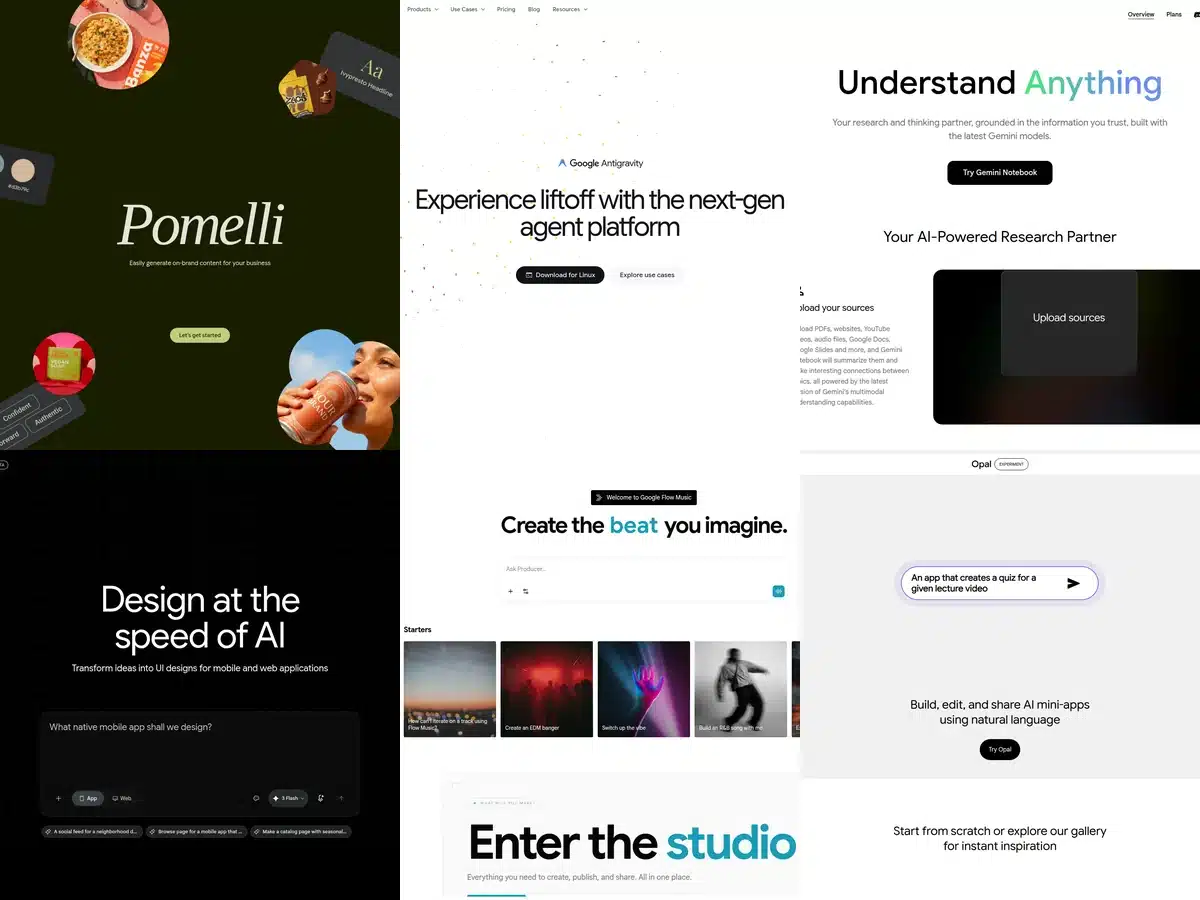
Google has significantly expanded its suite of accessible artificial intelligence software, offering a range of tools that now rival or exceed the capabilities of many paid enterprise solutions. As of July 2026, the company provides 12 distinct AI-driven platforms that are free for public use, targeting small business owners, students, developers, and creative professionals. This strategic move comes as Google consolidates its Gemini ecosystem across various hardware and software platforms, including the latest generation of Gemini-integrated laptops and collaborative wearable technology such as Samsung’s AI glasses.
The current landscape of Google’s free AI offerings follows a period of significant restructuring. In June 2026, the company retired several free tiers for legacy developer tools, moving them into consolidated enterprise environments. This transition has shifted the focus toward "Google Labs" experiments and "Agentic" workflows, where AI systems act as autonomous assistants rather than simple prompt-response interfaces. Man of Many co-founder Scott Purcell, alongside the firm’s proprietary AI system Otto, recently conducted a comprehensive audit of these tools, cross-referencing user experiences with official Google technical documentation to identify the most viable resources for professional and creative use.
The Evolution of Google’s AI Ecosystem: A 2025–2026 Timeline
To understand the current availability of these tools, it is necessary to examine the rapid sequence of releases and consolidations that occurred over the previous 18 months.

- November 2025: Google launched Gemini 3 and the initial Antigravity platform, signaling a shift toward multi-agent developer environments.
- January 2026: The expansion of "Project Astra" capabilities into the public beta of Stitch and Pomelli.
- May 2026: Google I/O 2026 saw the announcement of Antigravity 2.0 and the rebranding of several experimental "LM" (Language Model) projects.
- June 2026: A major consolidation phase resulted in the removal of free tiers for Gemini CLI and Gemini Code Assist, which were integrated into the Antigravity ecosystem for enterprise users.
- July 2026: NotebookLM was officially rebranded as Gemini Notebook, receiving significant upgrades in data analysis and cross-app integration.
Essential Marketing and Design Tools for Small Businesses
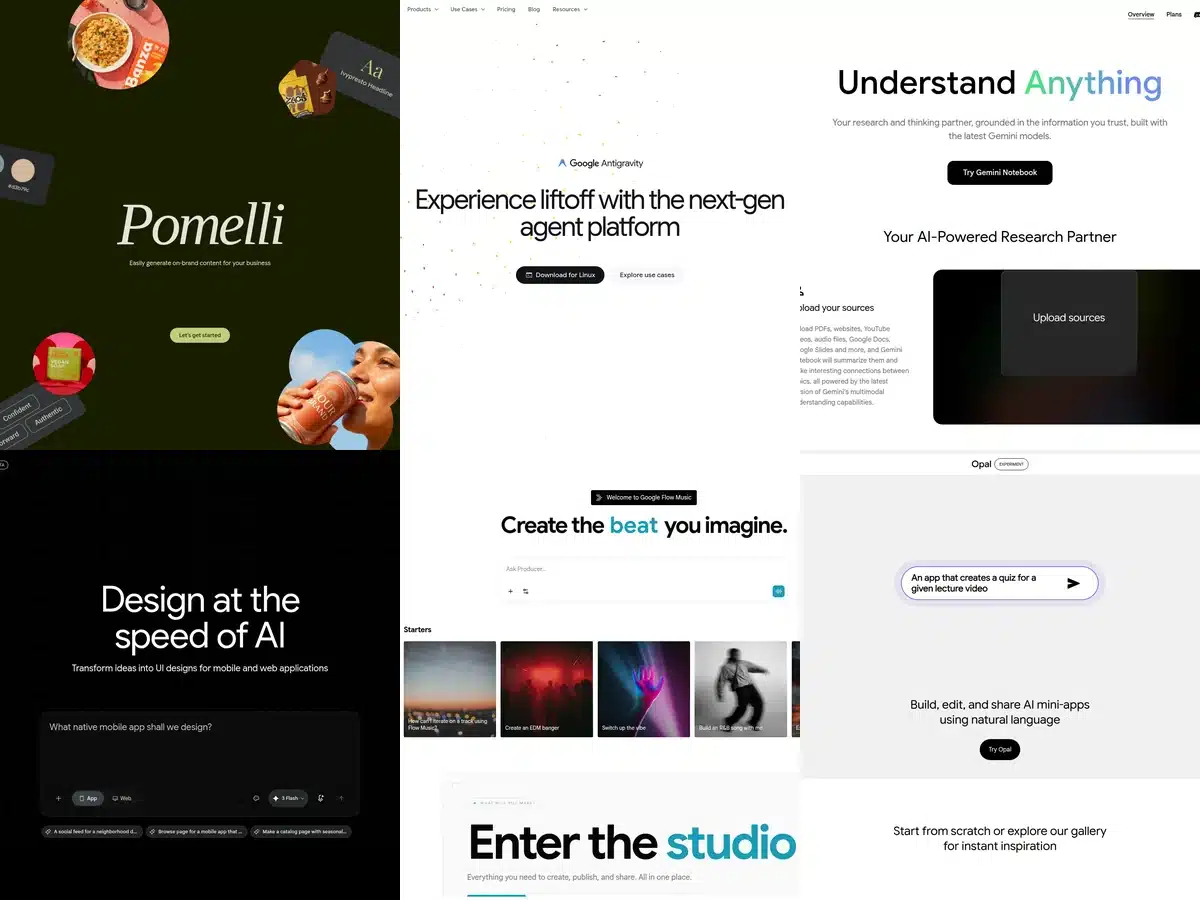
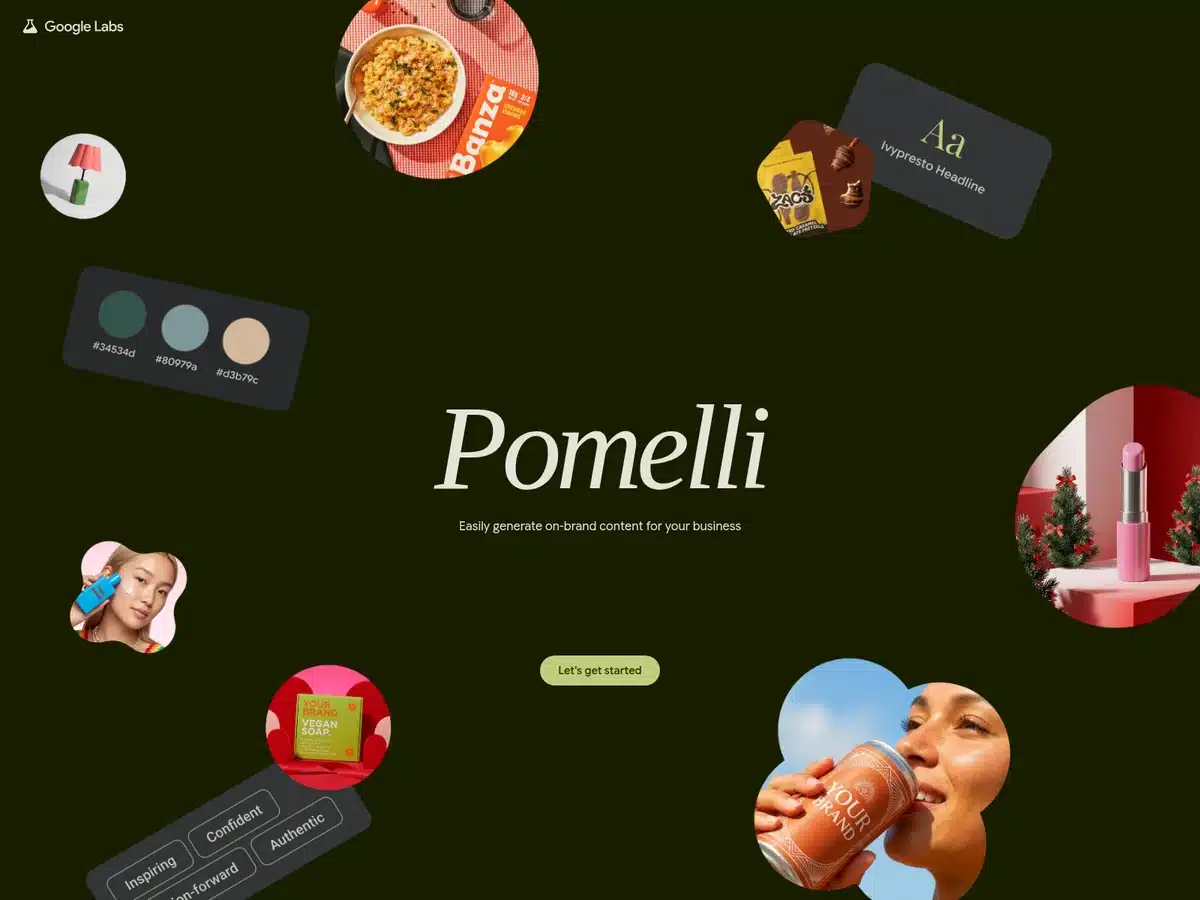
For small business owners and independent creators, the barrier to high-end branding and marketing has been lowered through tools like Pomelli and Stitch. Pomelli, a product of Google Labs and Google DeepMind, is designed to generate a "Business DNA" profile by analyzing a user’s existing web presence. This tool extracts tone of voice, typography, and color palettes to create cohesive social media posts and advertising campaigns. In mid-2026, the platform introduced "Photoshoot," a feature that utilizes generative AI to transform standard product photography into studio-quality marketing assets. Currently, Pomelli is available in public beta across the United States, Canada, Australia, New Zealand, and parts of Europe.
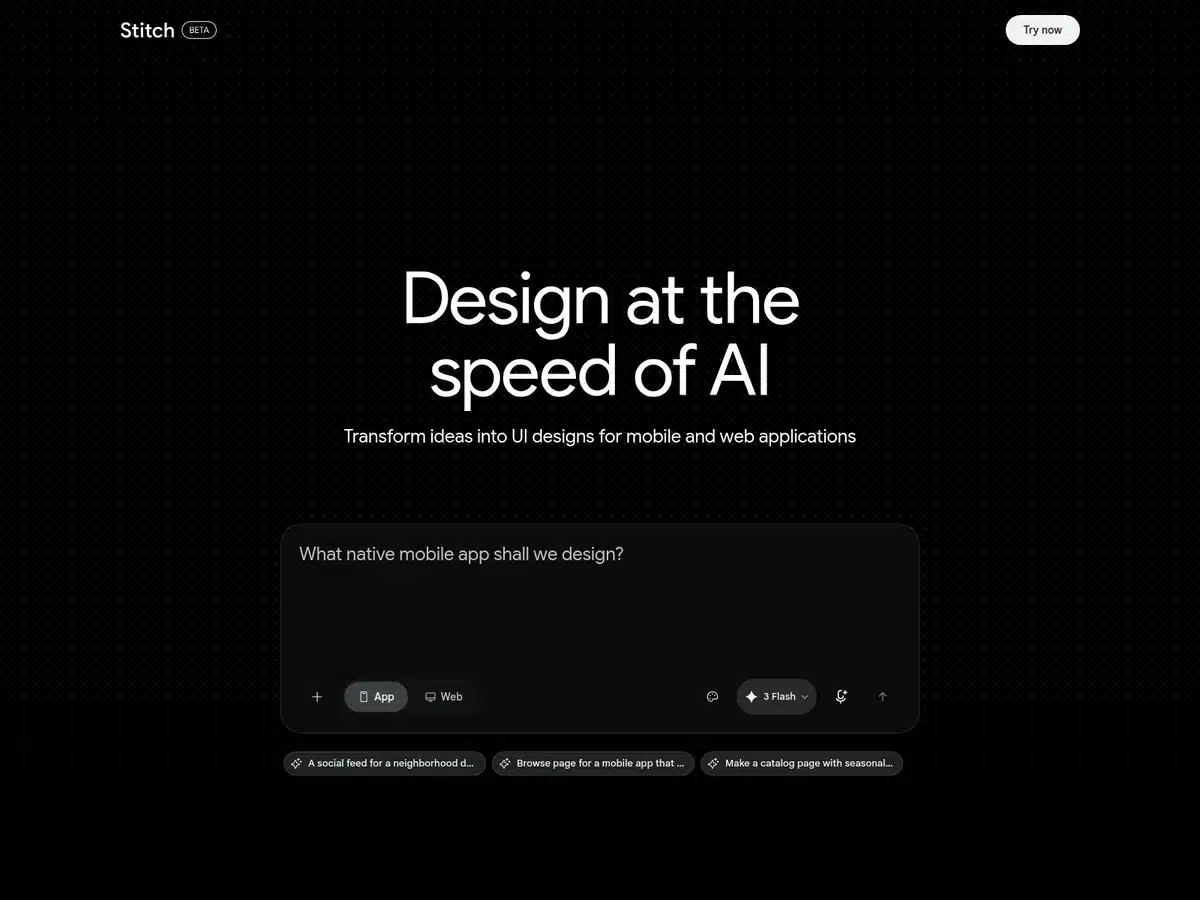
Stitch serves a different segment of the creative market by bridging the gap between interface design and frontend development. It allows users to convert text prompts or rough wireframe sketches into functional UI designs and the corresponding frontend code. This tool is particularly effective for rapid prototyping, reducing the friction typically associated with the handoff between designers and developers.
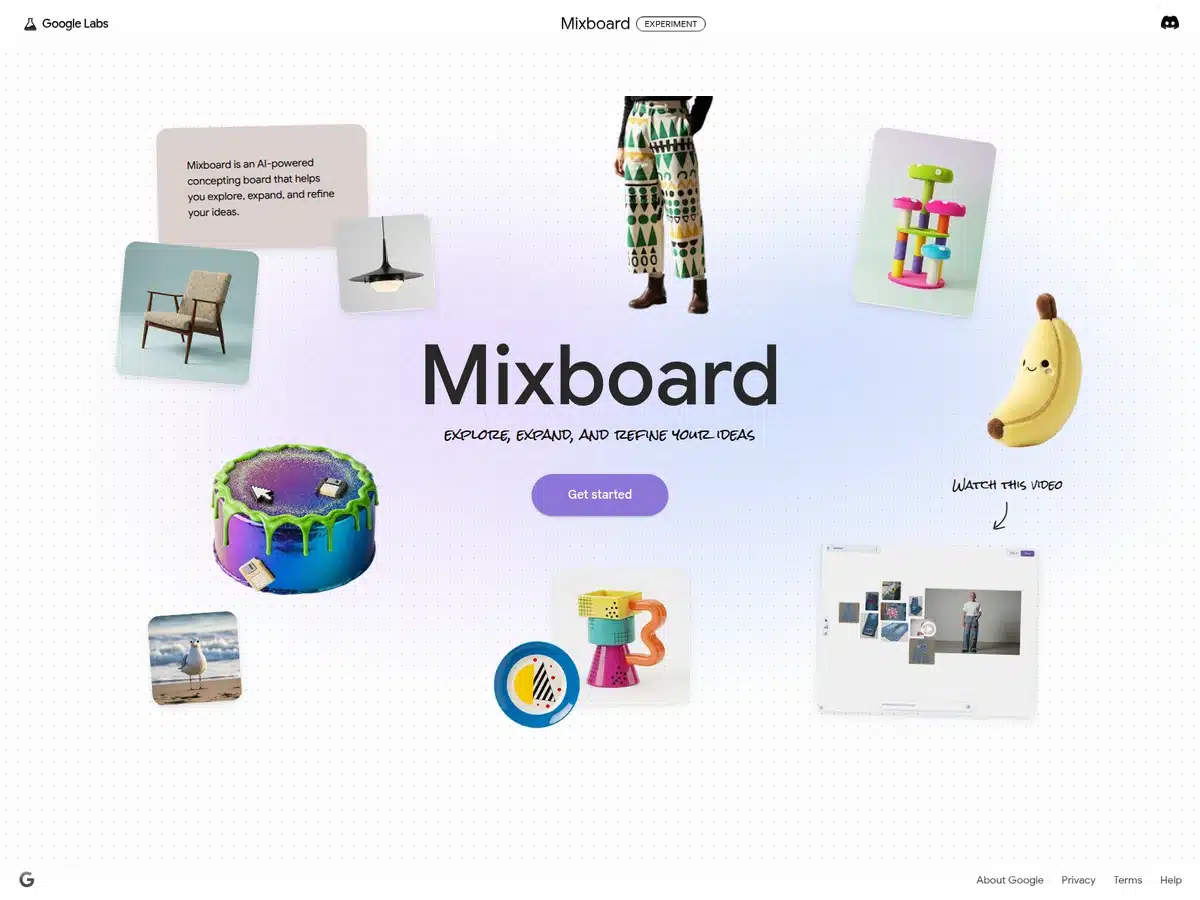
In the realm of conceptualization, Mixboard has emerged as a powerful alternative to traditional mood-boarding platforms. Utilizing Gemini and the "Nano Banana" image model, Mixboard allows users to generate and manipulate imagery through natural language descriptions. This provides a more dynamic environment for creative direction than static platforms like Pinterest, as the AI can reshape visual ideas in real-time based on descriptive feedback.
Research, Education, and Data Analysis
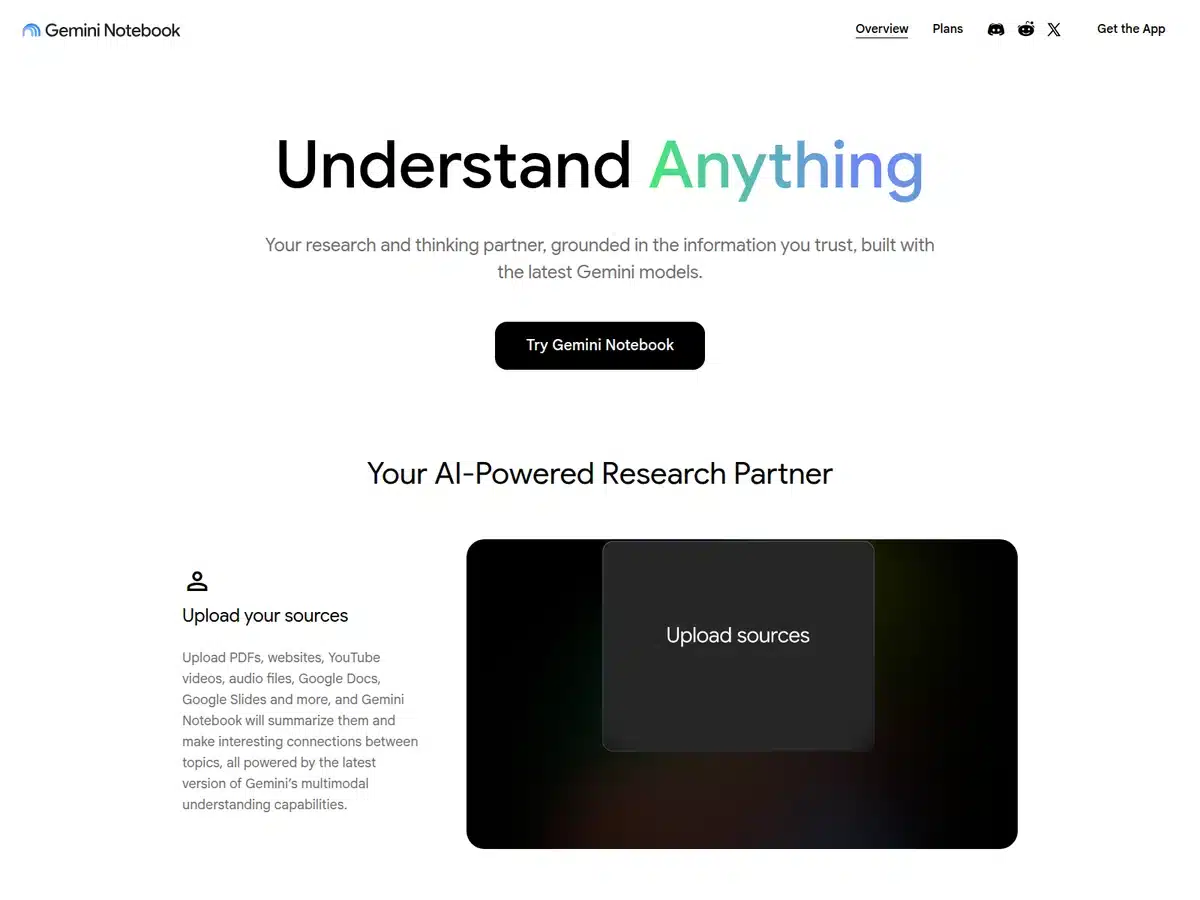
The rebranding of NotebookLM to Gemini Notebook in July 2026 marked a pivotal moment for Google’s research-oriented AI. The tool retains its core functionality—grounding AI responses strictly in user-provided documents such as PDFs, transcripts, and videos—but has been augmented with the ability to execute code for complex data analysis. This makes it an essential resource for students and researchers who require accurate summarization and the generation of structured study guides without the risk of external "hallucinations" common in broader LLMs.
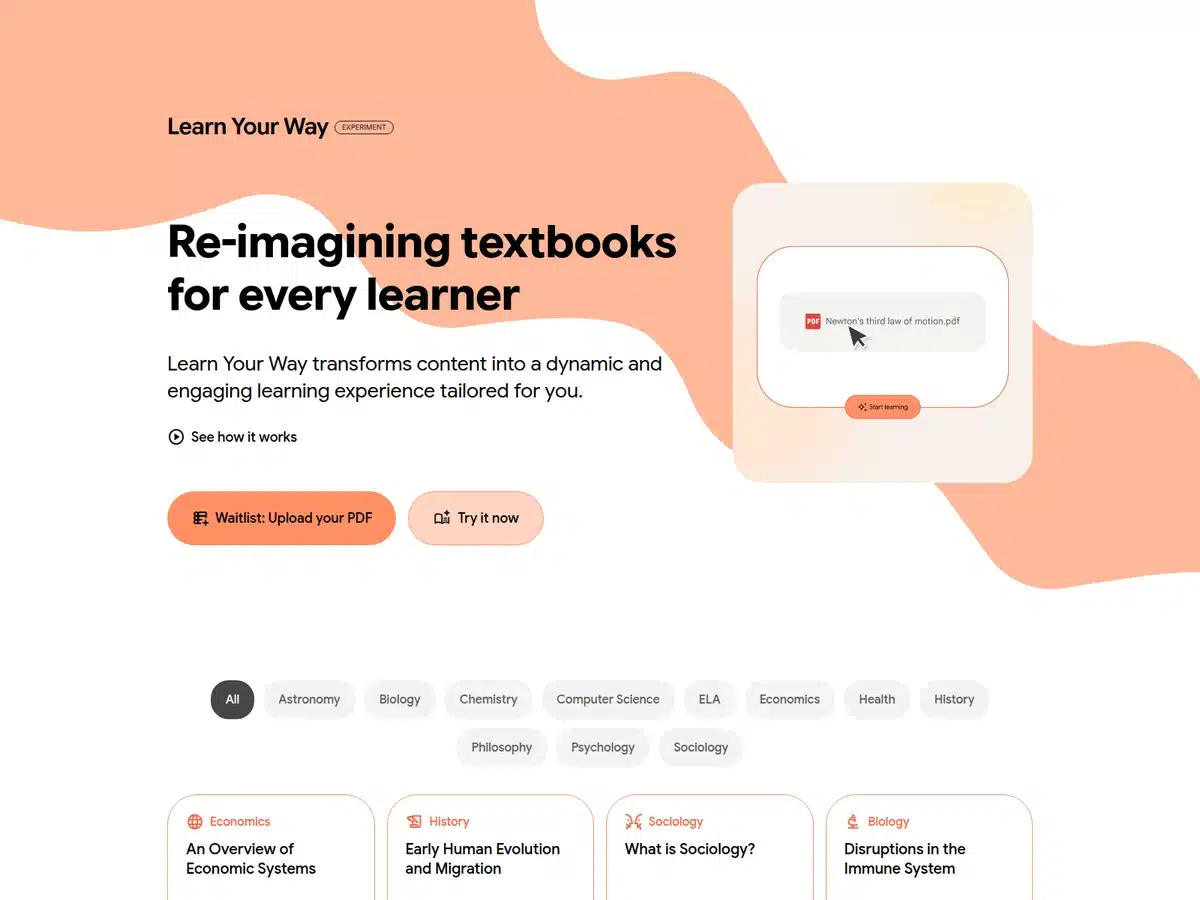
Complementing this is "Learn Your Way," a specialized education tool that reimagines traditional textbooks. By uploading a PDF, users can have the material rewritten to suit their specific grade level or personal interests. For example, a student interested in music can have economic principles explained through analogies related to the music industry. A controlled study conducted by Google Research involving 60 students aged 15 to 18 demonstrated that those using Learn Your Way scored 11 percent higher on retention tests compared to those using standard reading materials.
Advanced Productivity and No-Code Automation
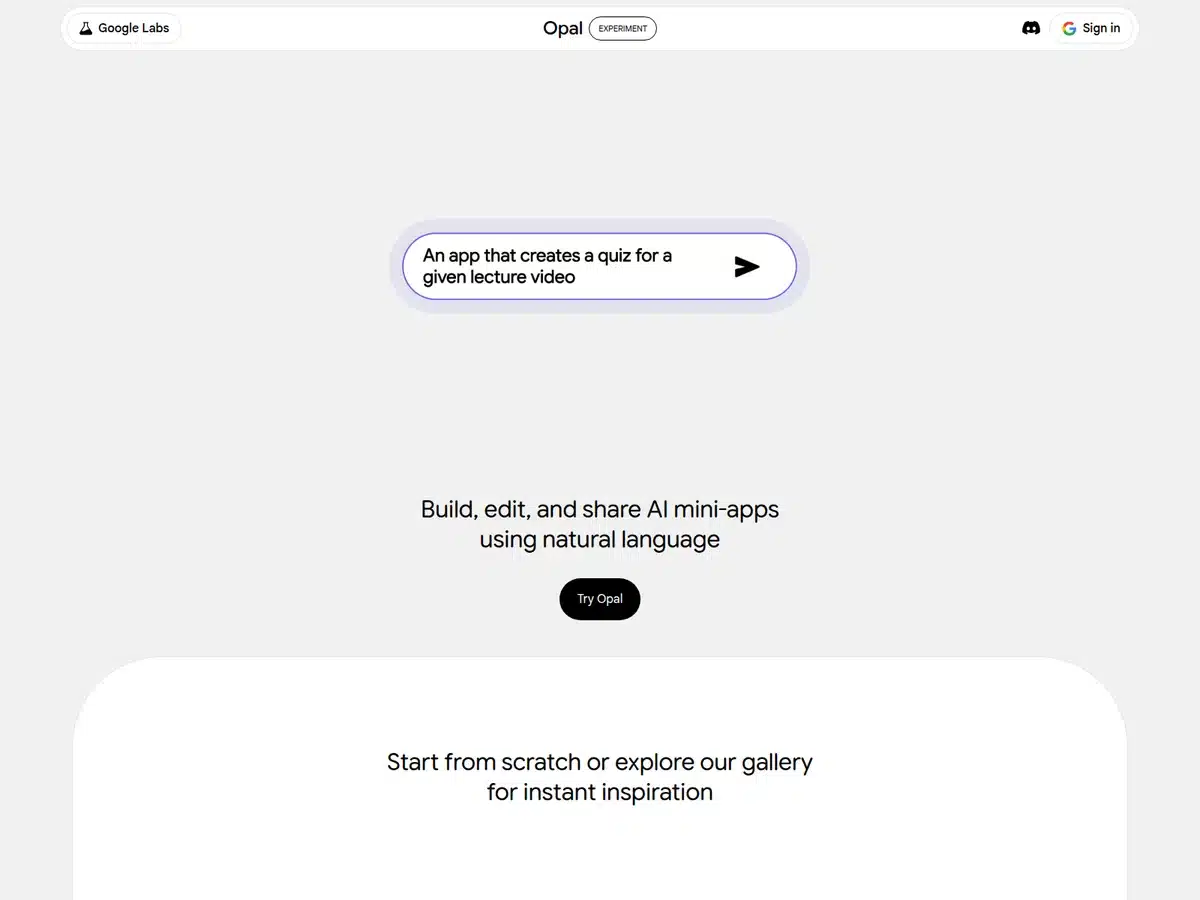
Google’s push into "Agentic AI" is most visible in its automation and browsing tools. Opal is a no-code platform that allows users to chain various AI model calls and tools into shareable mini-apps. It utilizes a Gemini 3 Flash agent to build multi-step workflows from single text descriptions, positioning it as a free alternative to paid enterprise automation platforms.
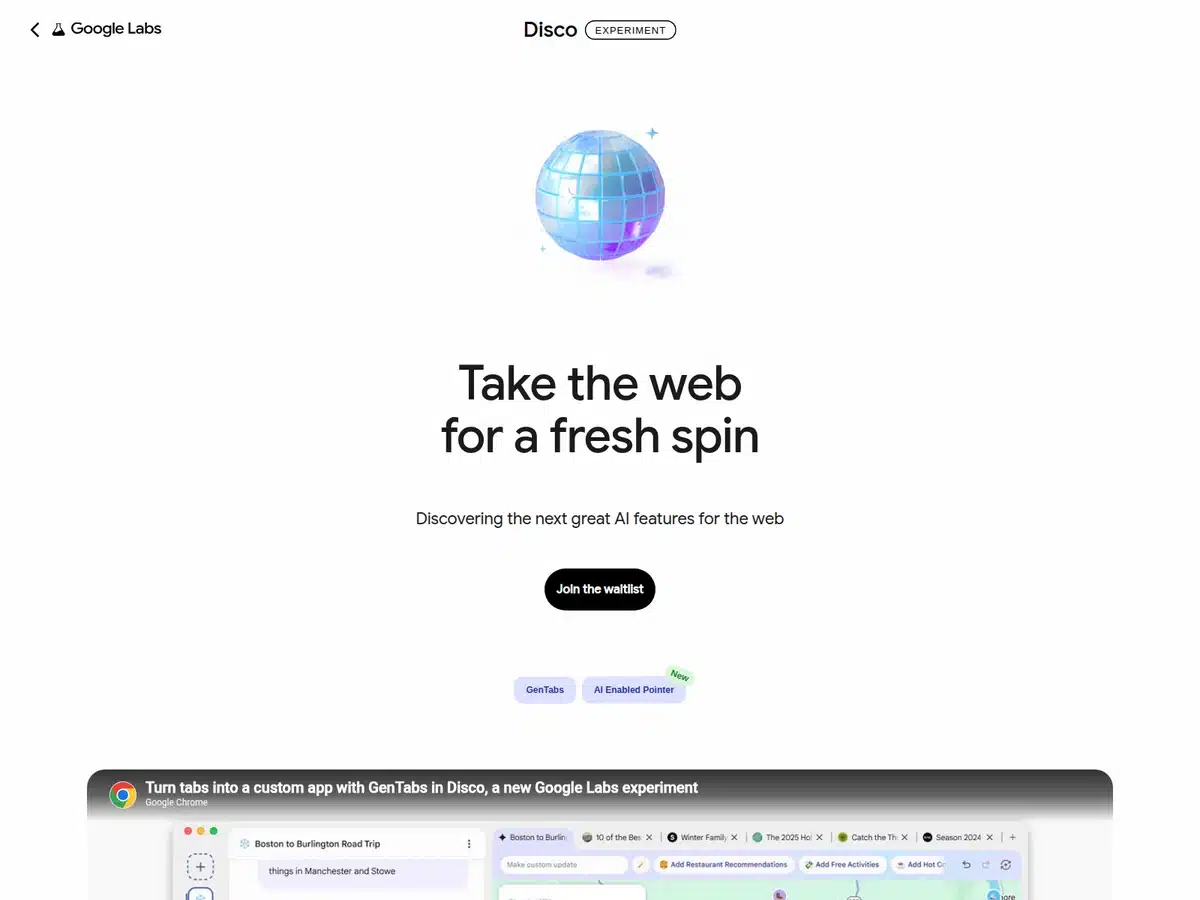
For web-based research, the "Disco" experiment introduces "GenTabs." This technology reads the context of a user’s open browser tabs to build custom, temporary web applications. For instance, if a user is researching travel to Tokyo, Disco can autonomously assemble a trip planner that integrates maps, itineraries, and booking summaries into a single interface. While currently waitlist-only and focused on macOS, it represents the future of AI-assisted browsing.
Developer Tooling and Autonomous Coding
The developer landscape has seen the most drastic changes due to the June 2026 consolidation. Antigravity is now the primary hub for Google’s developer strategy. It is a standalone desktop application available for macOS, Windows, and Linux, designed to manage teams of AI agents working in parallel. While paid tiers (Pro and Ultra) exist for high-volume users, the free tier remains robust enough for individual developers and small teams.
Jules and Code Wiki further support the development lifecycle. Jules is an autonomous coding agent that connects directly to GitHub repositories to handle routine tasks such as bug fixes, version updates, and unit testing. The free tier allows for 15 tasks per day, with up to three tasks running concurrently. Code Wiki addresses the problem of "documentation rot" by automatically regenerating architecture diagrams and documentation every time a new pull request is merged into a repository. This ensures that a project’s technical documentation remains synchronized with its actual codebase.
Creative Arts: The Lyria 3 Pro Model
In the field of audio production, Flow Music (formerly ProducerAI) offers a conversational interface for music creation. Running on the Lyria 3 Pro model from Google DeepMind, it allows users to prompt specific musical structures, such as intros or choruses, and edit them granularly. Google’s partnership with the distributor Believe indicates a move toward integrating this tool into the professional music industry, although the free tier is currently restricted to non-commercial use and operates on a daily credit system.
Strategic Implications and Industry Response
The industry reaction to Google’s aggressive rollout of free AI tools has been mixed. While small businesses and independent creators have welcomed the reduction in overhead costs, market analysts note that this strategy is likely designed to secure long-term ecosystem lock-in. By providing high-quality tools for free, Google is effectively setting the standard for AI workflows, making it more difficult for smaller, specialized SaaS companies to compete.
Technological analysts suggest that the consolidation of developer tools into Antigravity is a response to the growing demand for "agentic" capabilities—systems that can plan and execute complex tasks with minimal human intervention. Google’s decision to license Gemini models to third-party hardware manufacturers, such as Apple and Samsung, further suggests that the company views its AI models as a foundational layer for the next decade of computing.
Conclusion and User Guidance
While the 12 tools identified are currently free and functional, users are advised to remain aware of the experimental nature of Google Labs. Access to these tools can be modified or revoked as they transition from beta testing to full commercial products, as evidenced by the recent changes to Gemini CLI.
For professionals looking to integrate these tools into their workflows, the following factors should be considered:
- Data Privacy: Information uploaded to Labs experiments may be used to train future iterations of the models unless specified otherwise in the settings.
- Usage Limits: Many "free" tools utilize a credit system or daily task caps to manage server load.
- Commercial Rights: Tools like Flow Music require a transition to a paid plan if the output is intended for commercial release or monetization.
The current availability of these tools represents a unique window for users to access high-level AI technology at no cost, provided they stay informed about the rapidly evolving terms of service and product branding within the Google ecosystem.



 Yuyun Lusiyani
 Joko Widodo
 Eva Lovia
 Pevita Pearce
 admin
admin