
 Lina Irawan
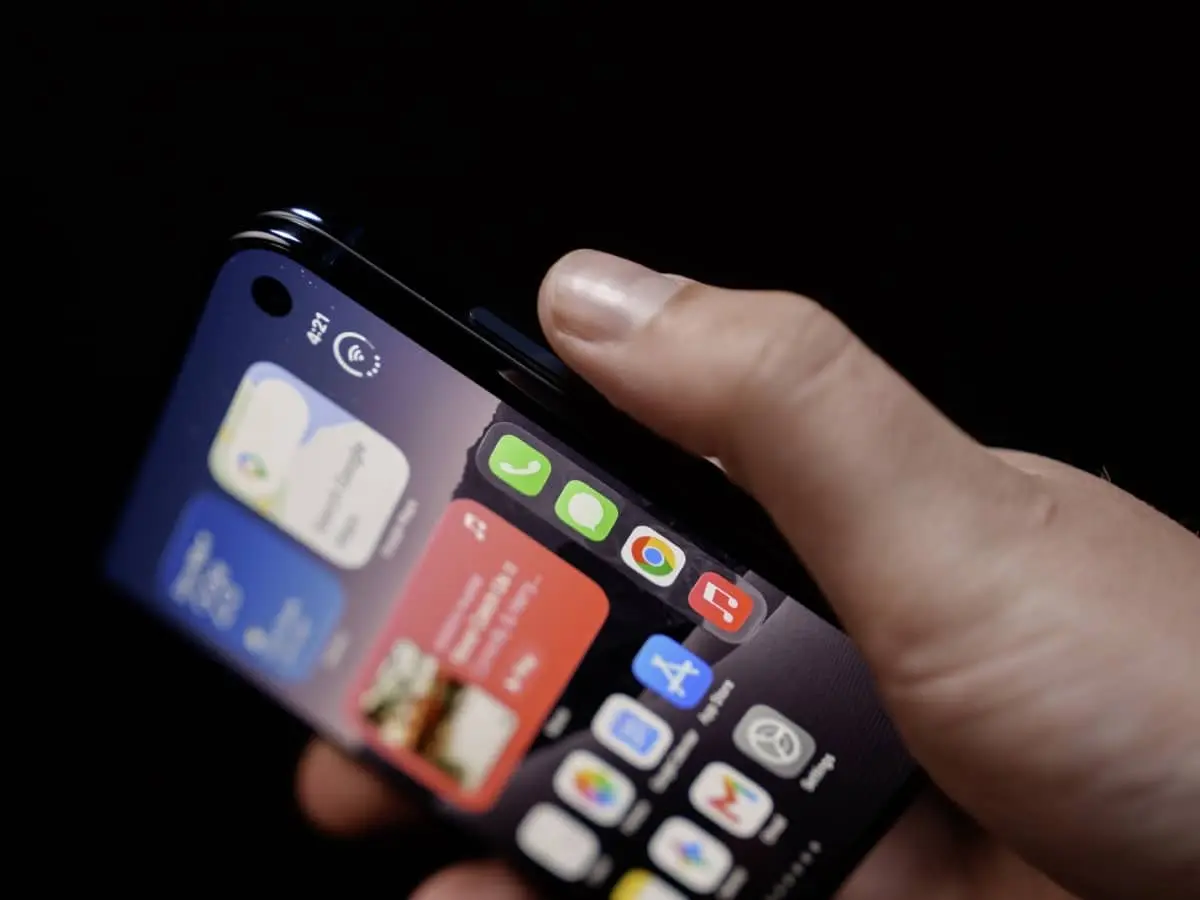
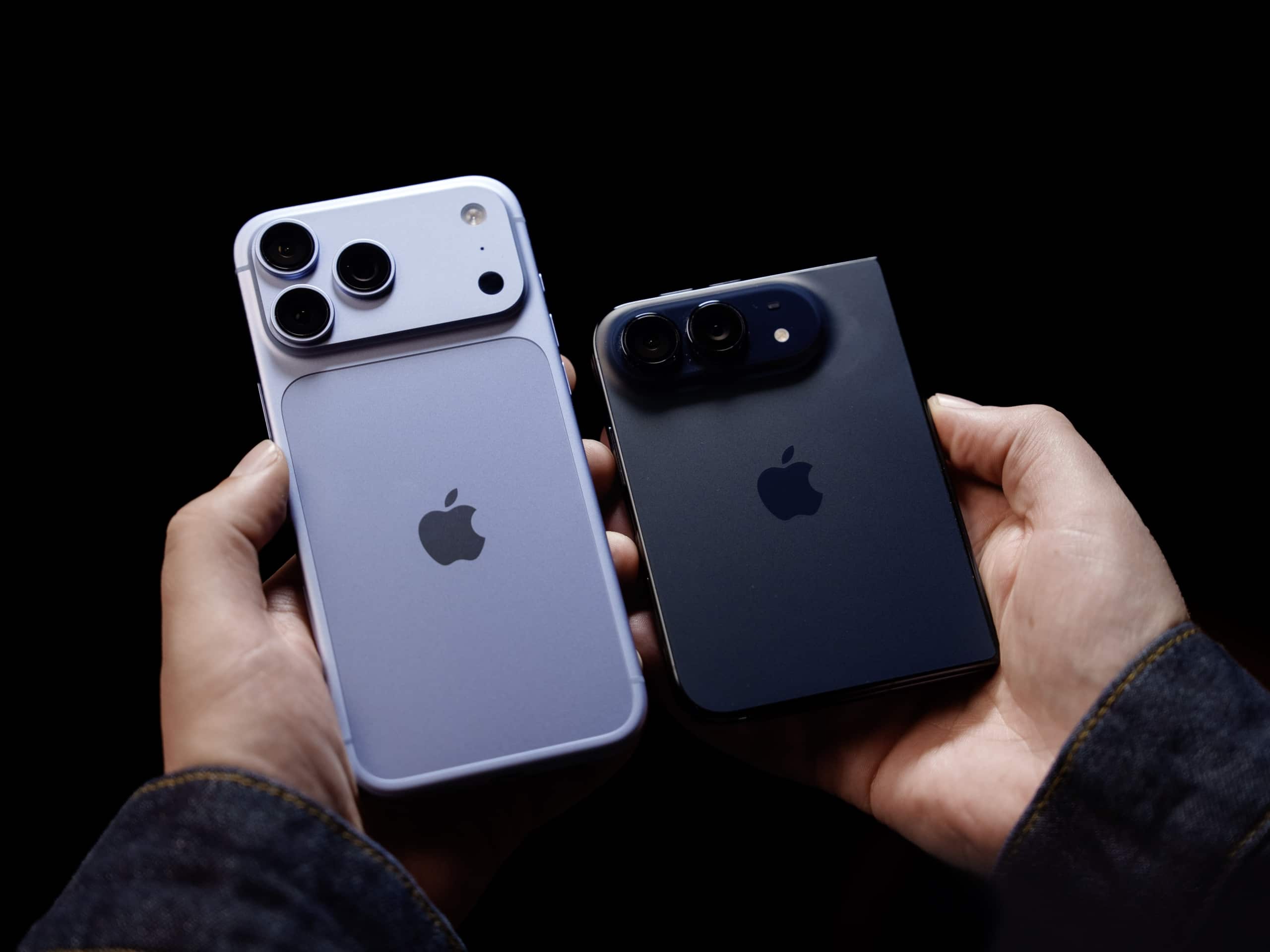
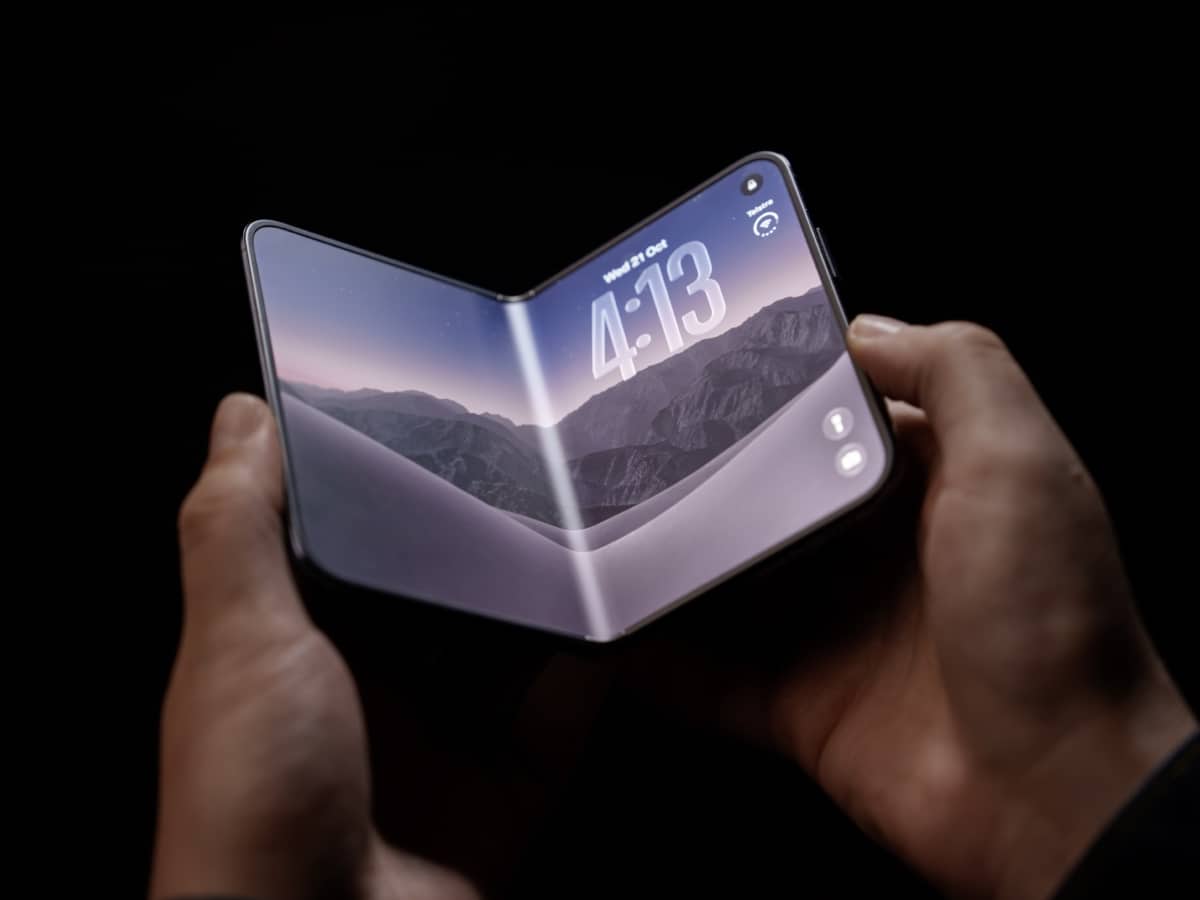
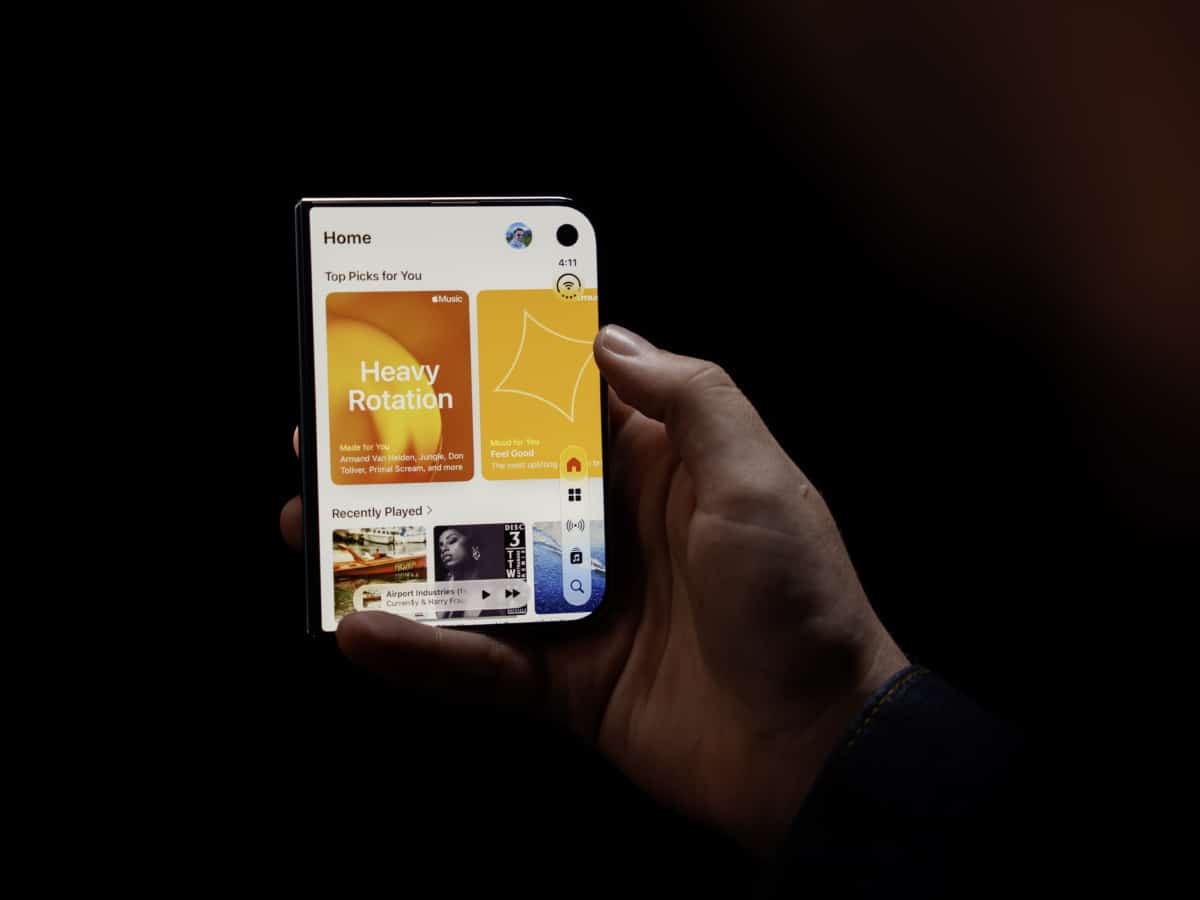
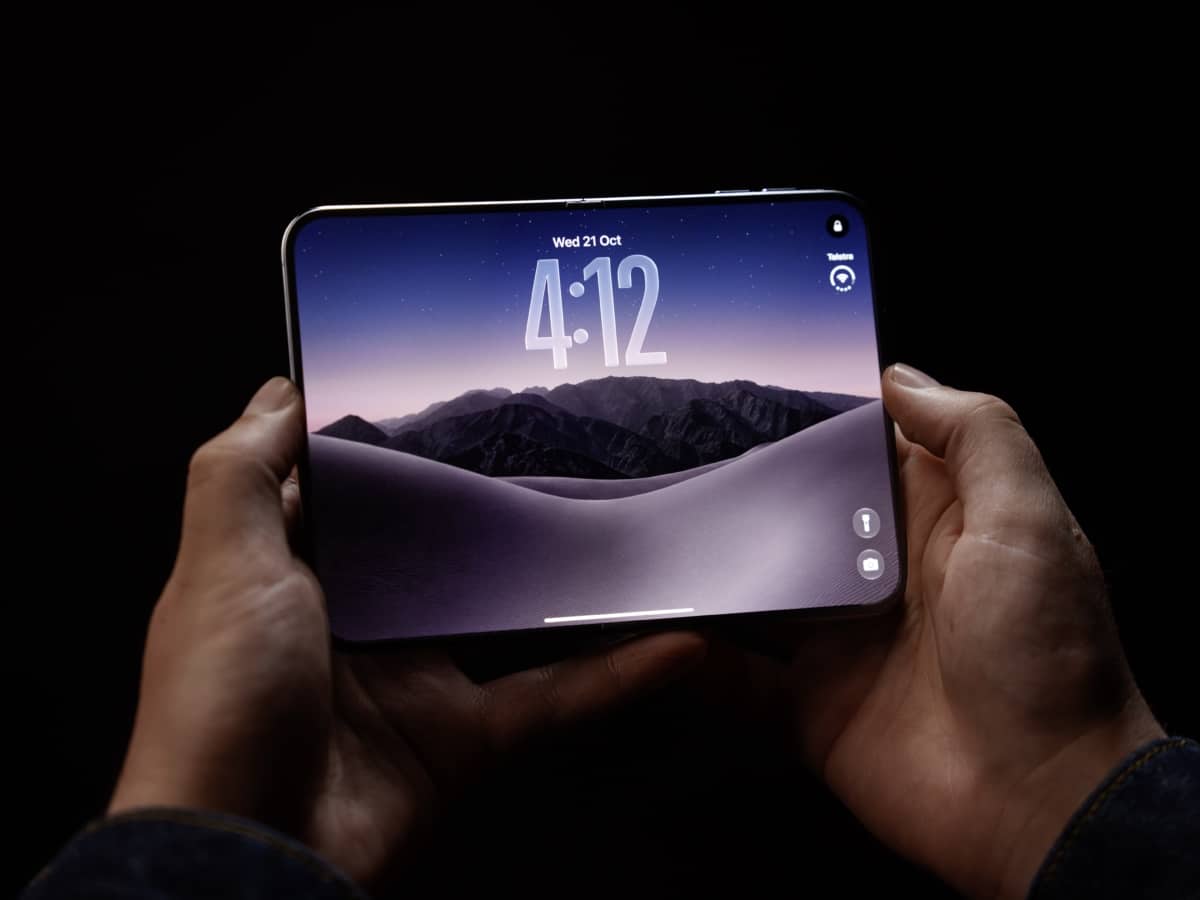
The release of the iPhone Duo marks a significant pivot in Apple’s hardware strategy, representing the company’s first foray into the foldable smartphone market after years of industry speculation and competitor dominance. Positioned as a hybrid device that bridges the gap between the traditional smartphone and the iPad Mini, the iPhone Duo introduces a form factor that challenges established user habits. Built around a passport-sized chassis, the device features a 5.4-inch outer display that unfolds to reveal a 7.6-inch inner Super Retina XDR canvas. This transition from a single-pane interface to a dual-screen ecosystem is powered by the A20 Pro processor, a 2-nanometer chip designed to handle the increased graphical and computational demands of simultaneous app execution. While the device represents a technical milestone for the Cupertino-based tech giant, it arrives with a complex set of hardware compromises and a price point that places it in an unprecedented ultra-luxury tier.
Engineering the Foldable: Technical Specifications and Hardware Architecture
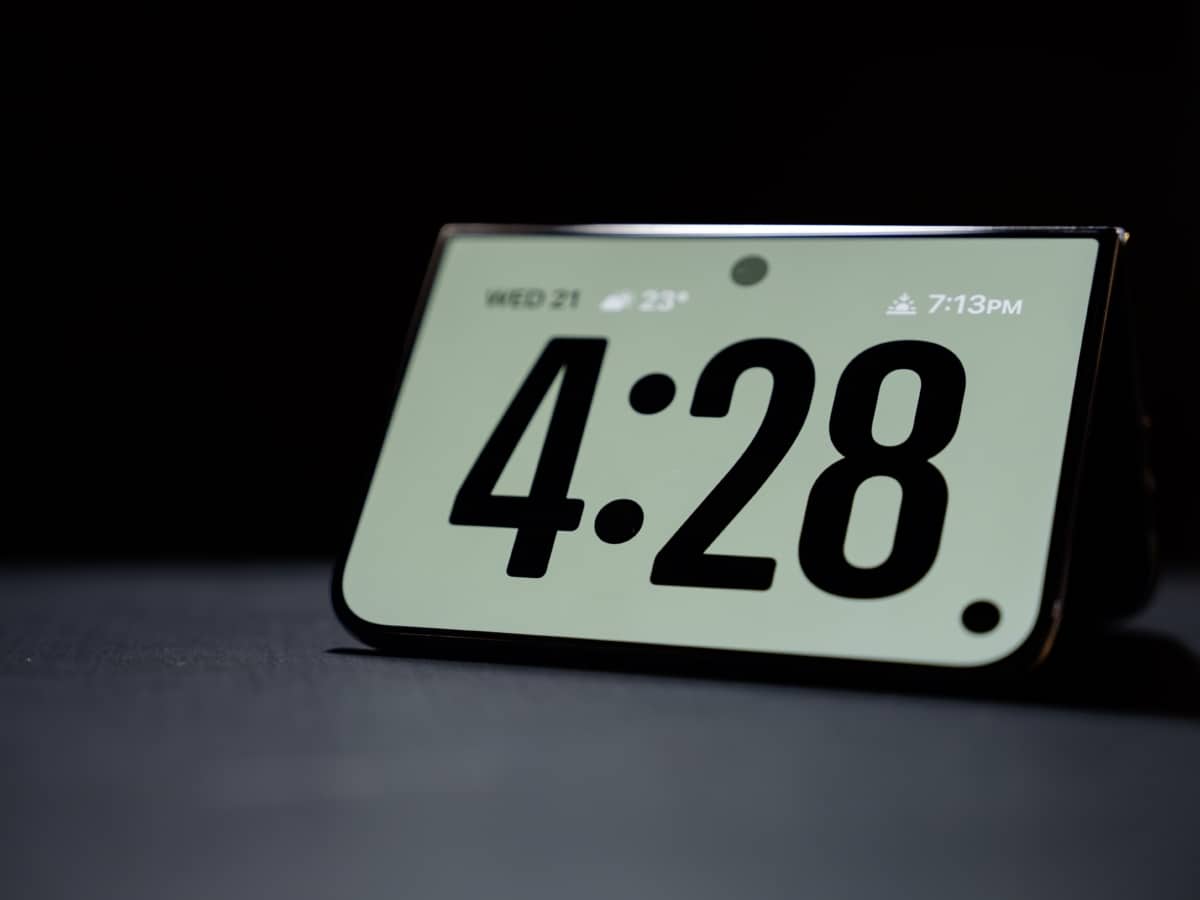
The iPhone Duo’s physical architecture is centered on a Grade 5 titanium chassis, a material selection intended to balance structural integrity with the weight requirements of a multi-screen device. To facilitate the folding mechanism, Apple engineers developed a precision-engineered hinge comprising over 100 wear-resistant components. This hinge utilizes a variable torque profile, allowing the device to maintain its position at various angles, which enables "tent mode" and "book mode" orientations.
Internally, the Duo is powered by the A20 Pro silicon, which utilizes a 2-nanometer fabrication process. This chip is supported by a sophisticated thermal management system, including a dedicated internal vapour chamber and a flexible graphite cooling array designed to dissipate heat across the folding seam. The internal display is protected by a custom polymer layer that is 40 per cent stiffer than industry standards, treated with maskless laser lithography to create a nano-texture finish. This etching process is designed to mitigate the visual impact of the central crease, a common point of criticism in foldable technology.

The display technology itself is a high-brightness OLED panel capable of reaching 3000 nits of peak outdoor brightness. It incorporates 120Hz ProMotion technology and wide-angle light emission algorithms to ensure color accuracy and visibility even when viewed off-axis. Furthermore, the inner display features an under-display FaceTime camera that remains invisible during standard content consumption, utilizing a pixel-masking technique to maintain screen continuity.
iOS 27 and the Evolution of Mobile Multitasking
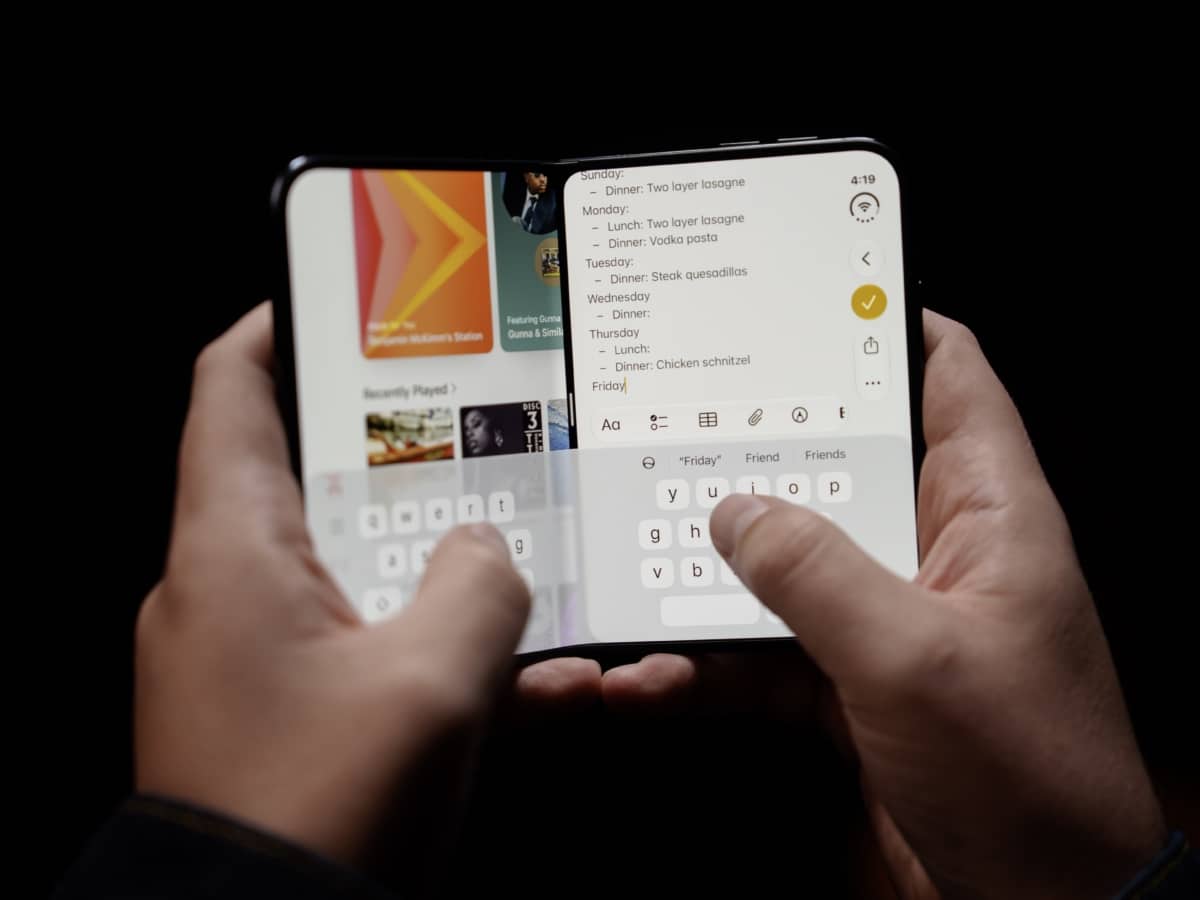
The introduction of the iPhone Duo coincides with the rollout of iOS 27, an operating system update specifically optimized for the 1.4:1 aspect ratio of the inner display. Unlike previous iterations of iOS, which relied on the App Switcher for multitasking, iOS 27 introduces "True Split View." This feature allows users to pin two active applications side-by-side or open two separate windows of the same application.
Key software integrations include:
- App Pairs: The ability to save specific combinations of applications that launch simultaneously in a split-screen configuration.
- Split Keyboard: In landscape orientation, the software keyboard automatically divides into two sections to facilitate thumb-typing on the wider 7.6-inch surface.
- Adaptive Status Bar: A redesigned circular module that displays system information like battery life and connectivity without encroaching on the primary workspace.
- Native App Overhauls: Core applications such as Mail, Messages, and Notes have been redesigned with persistent sidebars, mimicking the layout of macOS or iPadOS to utilize the increased horizontal space.
The software also utilizes the folding state of the hardware. For instance, when the device is partially folded and placed on a surface, video applications like Apple TV and Fitness+ automatically transition to a hands-free view. This is complemented by spatial audio tuning that adjusts the speaker output based on whether the device is open, closed, or in a "tented" position.
Comparative Trade-offs: Biometrics and Photography
Despite its advanced display technology, the iPhone Duo necessitates several hardware omissions that distinguish it from the flagship iPhone 18 Pro Max. The most notable absence is Face ID. Due to the thinness of the folding display assembly, Apple was unable to integrate the traditional TrueDepth sensor array. In its place, the Duo utilizes a side-mounted Touch ID sensor integrated into the titanium power button. This change shifts the biometric authentication process from a passive glance to an active physical contact, affecting tasks such as Apple Pay authorization and notification expansion.
The camera system also sees a reduction in complexity compared to the Pro lineup. The Duo features a dual-camera module consisting of a 48MP Fusion Main camera and a 48MP Fusion Ultra Wide camera. Missing from this configuration is the tetraprism telephoto lens found in the Pro models, meaning the Duo relies on sensor cropping for optical-quality zoom up to 2x. While the A20 Pro chip enables features like "Smart Take" (autonomous framing) and "Kid Cue" (outer display animations to engage subjects), the device lacks the mechanical variable aperture and manual Pro controls reserved for Apple’s photography-centric flagships.
Economic Impact and Market Positioning
The iPhone Duo enters the market at a starting price of AUD$3,499 for the 256GB model. The pricing structure scales significantly with storage capacity:
- 512GB: AUD$3,899
- 1TB: AUD$4,699
- 2TB: AUD$5,899
This pricing strategy positions the Duo not merely as a high-end smartphone, but as a specialized productivity tool for early adopters and enterprise users. The cost of ownership is further influenced by Apple’s environmental initiatives; the device is constructed with 35 per cent recycled content by weight and a 100 per cent recycled cobalt battery, but the retail package excludes a power adapter. Additionally, repair costs for the complex folding display remain high, although Apple has introduced a replaceable screen protector layer for under $20 to mitigate surface wear.
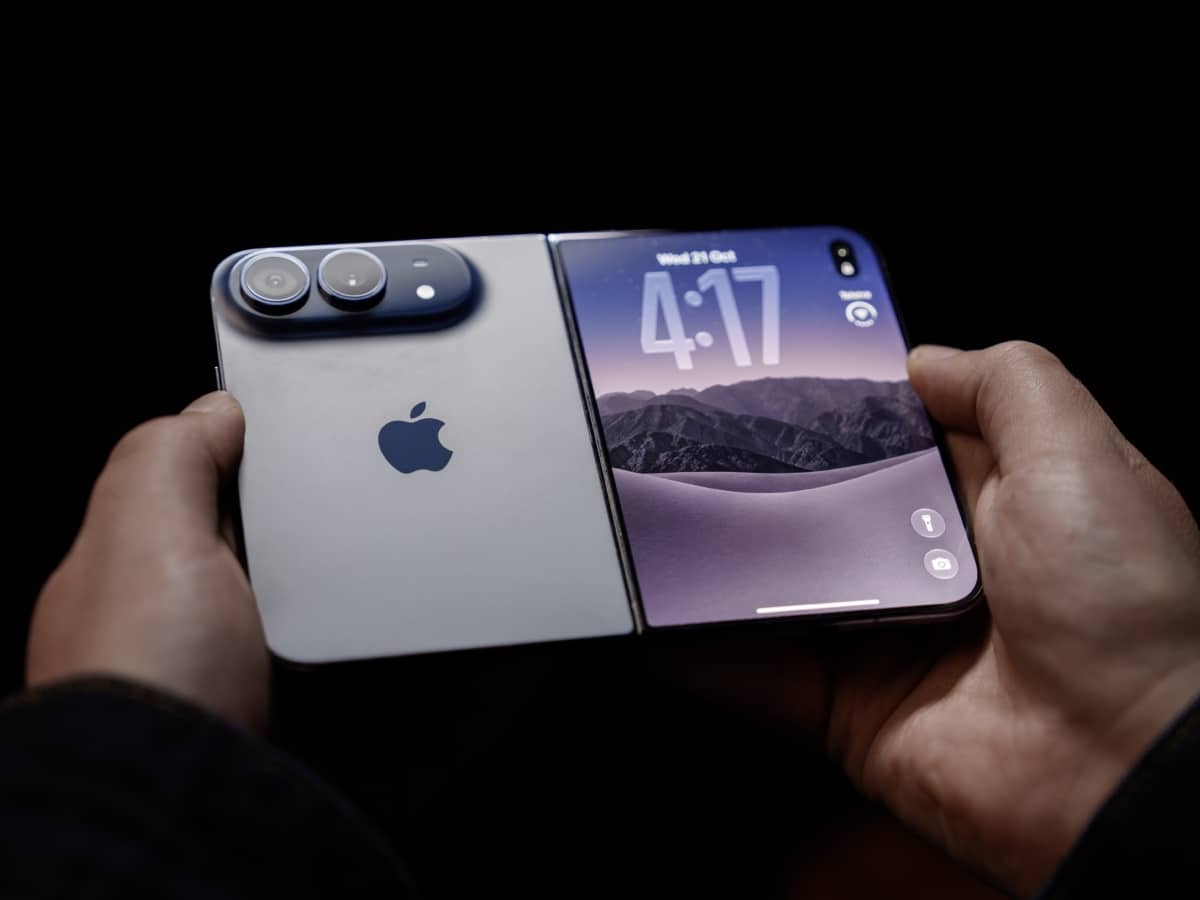
A significant shift in global hardware standards is also evident in the Duo’s lack of a physical SIM tray. Apple has transitioned the device to an exclusively eSIM-only configuration worldwide. While this move cleared internal space for the vapour chamber and dual-battery system, it represents a potential hurdle for international travelers and users in regions where eSIM adoption is not yet universal.
Chronology of Development and Industry Context
The path to the iPhone Duo has been characterized by a cautious development cycle. While competitors like Samsung and Huawei released their first-generation foldables as early as 2019, Apple reportedly delayed its entry to address durability concerns regarding the flexible OLED panel and the mechanical longevity of the hinge.
- 2021-2023: Early patents emerge regarding "self-healing" screen covers and multi-link hinge structures.
- 2024: Reports suggest Apple shifted focus from a foldable iPad to a foldable iPhone to capitalize on the high-margin smartphone market.
- September 2025: Initial rumors of the "Duo" branding surface during supply chain audits in Asia.
- October 2026: The iPhone Duo is officially announced alongside iOS 27.
Industry analysts suggest that Apple’s entry into the foldable space will likely accelerate the transition of the form factor from a niche enthusiast product to a mainstream category. Data from market intelligence firms indicate that the foldable segment is expected to grow by 25 per cent annually over the next three years, with Apple projected to capture a significant share of the premium tier.
Performance, Thermals, and Endurance
The dual-battery system in the iPhone Duo is a necessity driven by the power consumption of the 7.6-inch inner display. Apple’s internal testing indicates up to 44 hours of video playback when using the outer screen, but this figure drops to 31 hours when the larger inner display is the primary interface. In high-performance scenarios, such as 4K video editing or multi-window gaming, the dual-cell architecture requires active management by the A20 Pro’s power controller to balance thermals and current.
Charging the device requires a 60W or higher adapter to reach 50 per cent capacity in approximately 20 minutes. The thermal profile of the titanium chassis is managed by the flexible graphite sheets, though users may notice significant warmth during sustained heavy workloads in ambient temperatures exceeding 30°C.
Broader Implications for the Smartphone Market
The iPhone Duo represents more than just a new product; it is a test of Apple’s ability to redefine mobile productivity. By integrating Apple Pencil (USB-C) support (slated for later this year), Apple is positioning the Duo as a legitimate alternative to small tablets. However, the success of the device will likely depend on third-party developer adoption of the new Split View APIs.
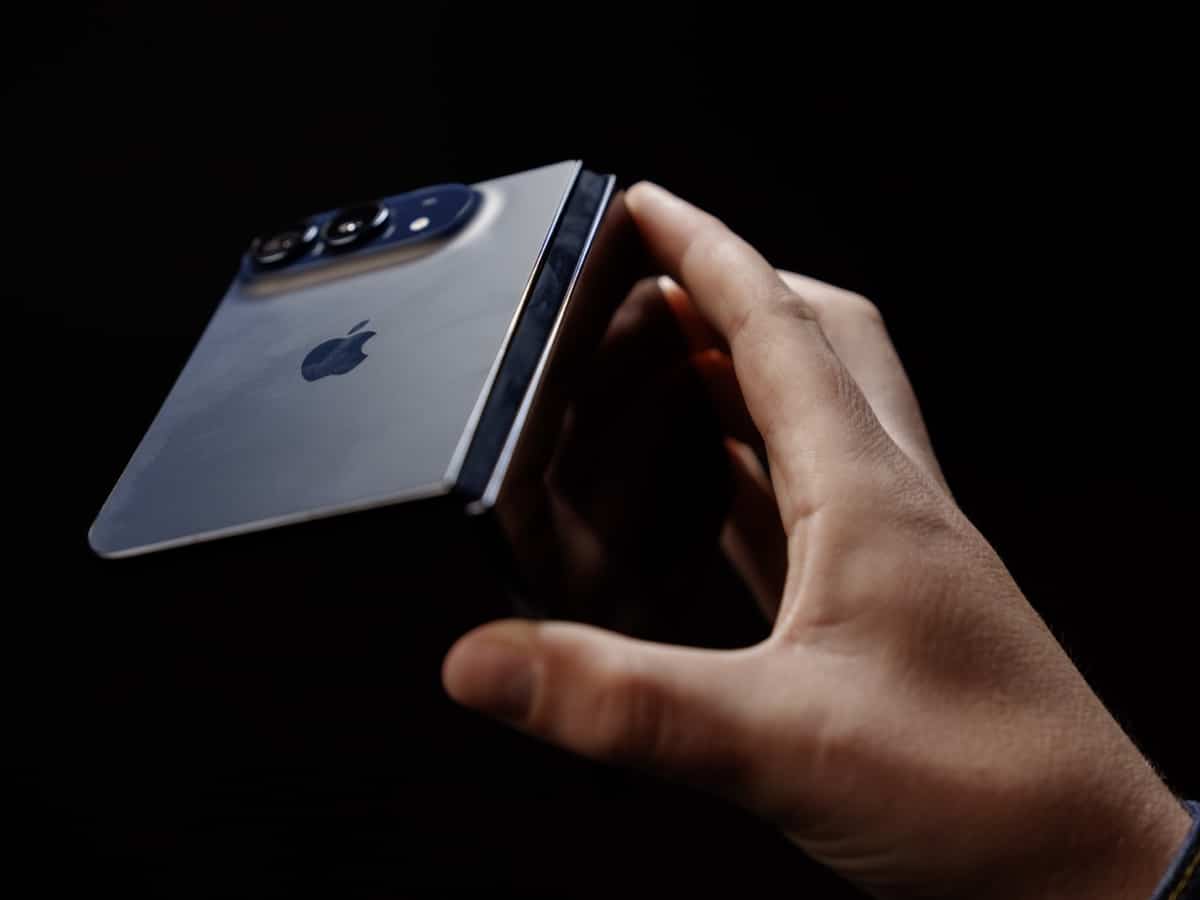
The removal of Face ID and the physical SIM tray suggests a future where Apple is willing to sacrifice long-standing "hallmark" features in favor of extreme architectural efficiency. As the first generation of a new product line, the iPhone Duo serves as a high-stakes experiment in whether consumers are willing to trade the refined simplicity of the traditional iPhone for the expansive, albeit more complex, utility of a folding screen. The device’s long-term viability will be measured not just by its initial sales, but by how quickly its specialized software features become indispensable to the broader iOS ecosystem.




 Nila Kartika Wati

 Eva Lovia

 Yuyun Lusiyani

 Ana Megawati

 Joko Widodo
