
 Lina Irawan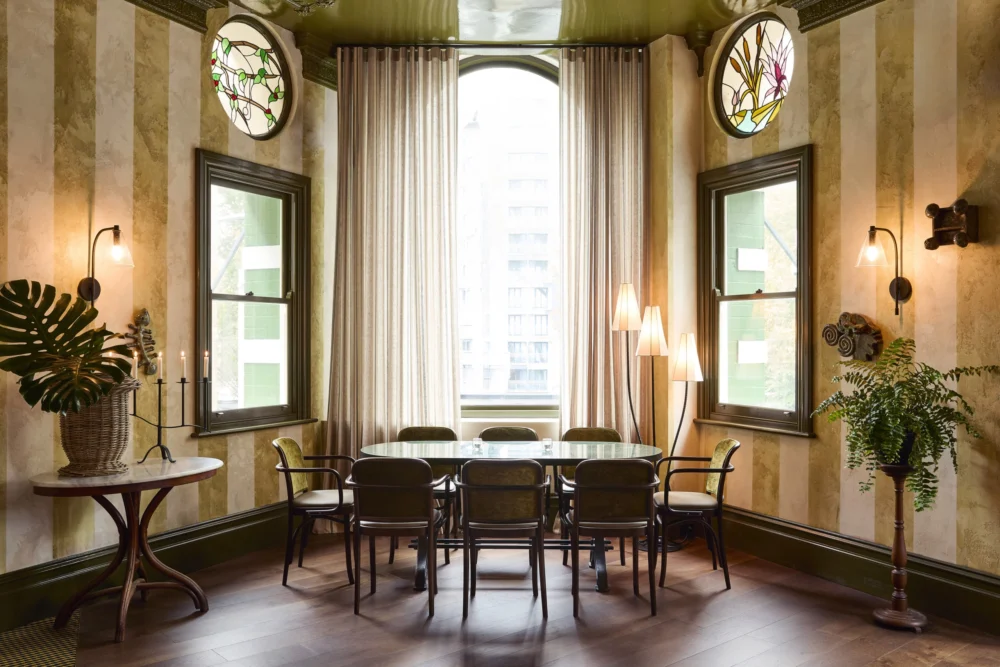
The intersection of traditional craftsmanship and digital innovation continues to redefine the premium lifestyle sector, as evidenced by the latest market entries in smart gaming, heritage hospitality, and technical utility. In an era where consumer preferences are increasingly leaning toward "phygital" experiences—products that bridge the gap between physical hardware and digital ecosystems—the release of the Harry Potter GoChess Wizard Lite Board and the revitalisation of Sydney’s historic Hotel Harry serve as primary examples of this shifting landscape. These developments, alongside advancements in high-durability carry-wear from WANDRD and the continued dominance of aesthetic-driven domestic appliances from Smeg, underscore a broader trend of premiumisation in the everyday consumer experience.
The Digital Renaissance of Traditional Chess: GoChess and Particula
The global chess market has experienced an unprecedented surge in engagement over the last five years, largely driven by the digitisation of the game through platforms such as Chess.com. Following the "Queen’s Gambit" effect of 2020 and the subsequent rise of high-profile grandmaster streaming, the industry has seen a demand for hardware that allows players to transition from mobile screens back to physical boards without sacrificing the data-driven benefits of online play.
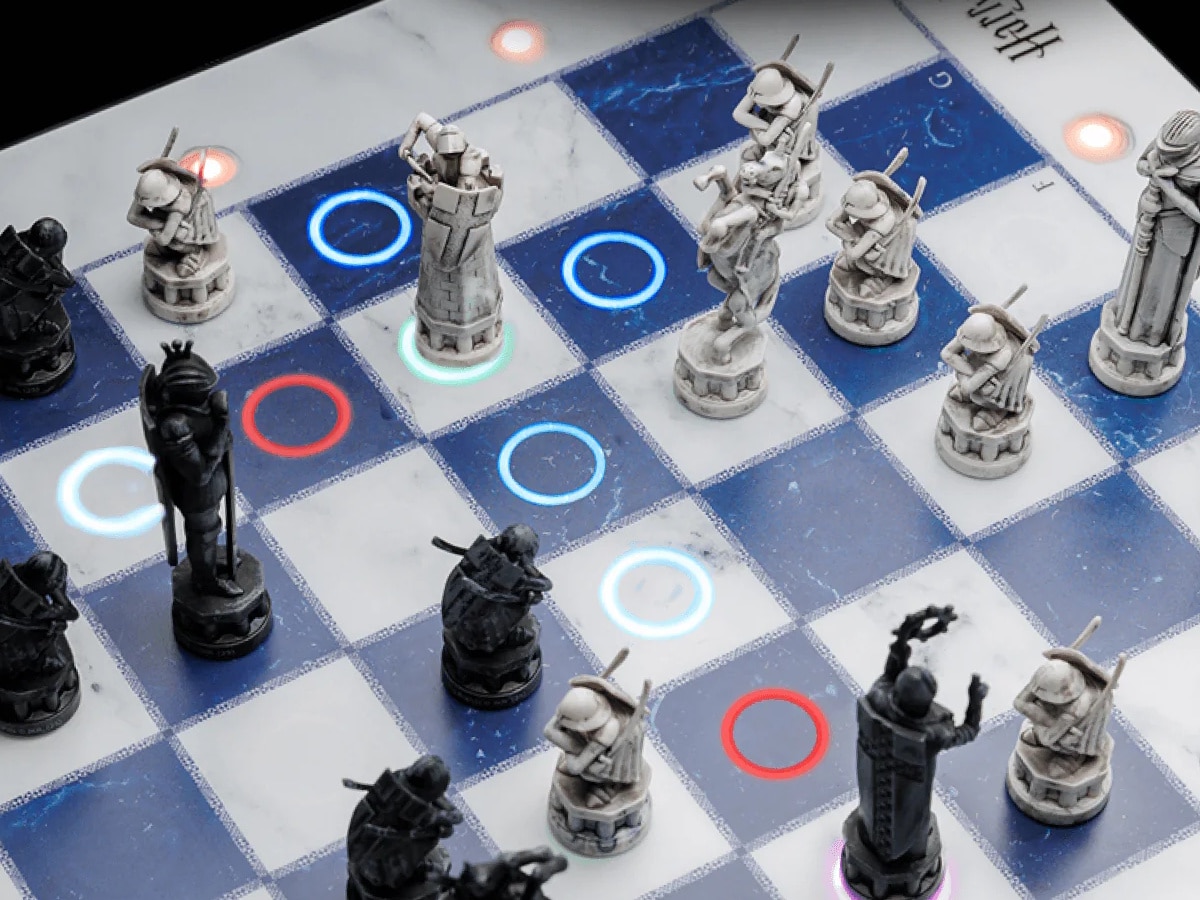
The Harry Potter GoChess Wizard Lite Board, developed by Particula and officially licensed by Warner Bros., represents the latest evolution in this "smart board" category. Priced at US$429.95, the unit is positioned as a high-end educational and competitive tool. It integrates a marble-finish aesthetic with a gold-accented frame, mirroring the "Wizard’s Chess" set seen in the Harry Potter and the Philosopher’s Stone film.
Technical Specifications and Connectivity
Technologically, the board utilises Bluetooth Low Energy (BLE) to synchronise with the Chess.com mobile application. This allows users to play against any of the platform’s 150 million registered users on a physical surface. The "Lite" version of the board features a real-time coaching system powered by a grid of LEDs embedded beneath the squares. These lights provide immediate tactical feedback:
- Green Indicators: Suggesting valid movement paths for beginners.
- Highlighted Squares: Identifying the "Best Move" according to integrated engines like Stockfish.
- Red Alerts: Notifying the player of a "blunder" or a move that significantly compromises their position.
Industry analysts suggest that this form of haptic and visual feedback is essential for the "mid-tier" demographic—players with Elo ratings between 300 and 800—who require more engagement than a standard board but find traditional computer analysis too detached from the physical game.

Revitalising Urban Heritage: The Reconstruction of Hotel Harry
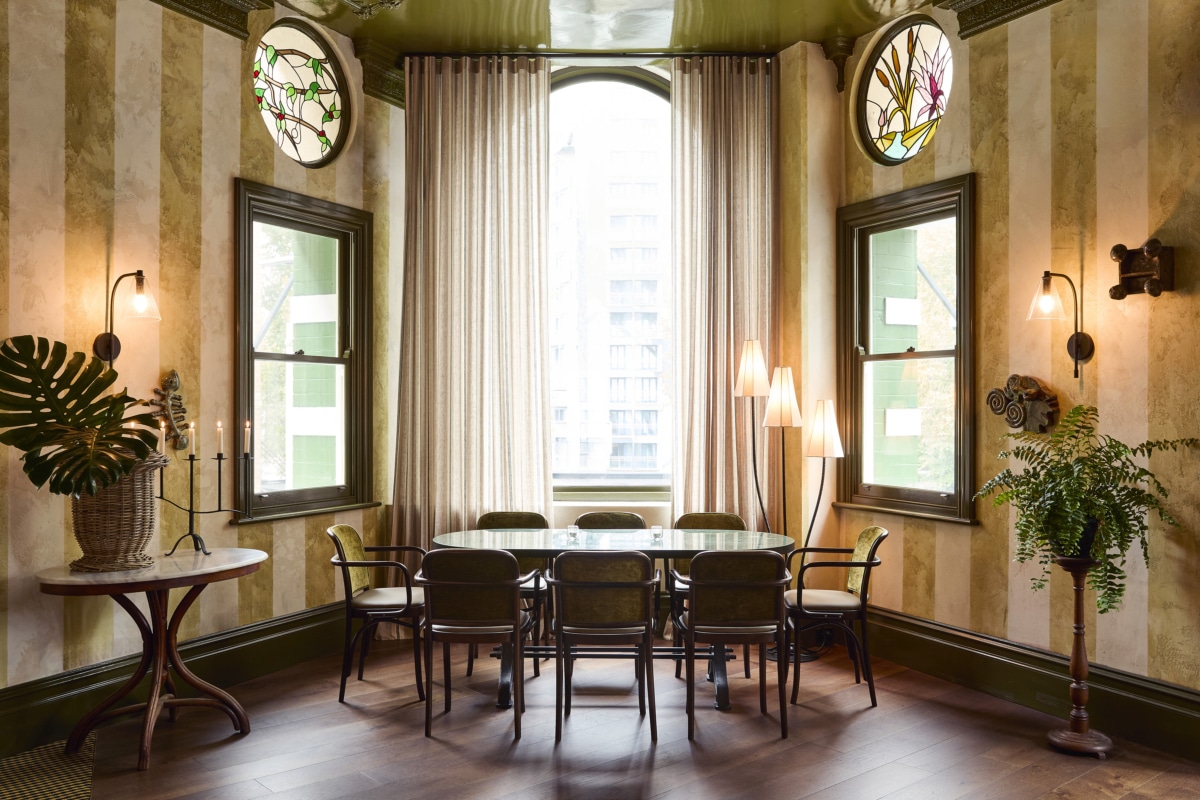
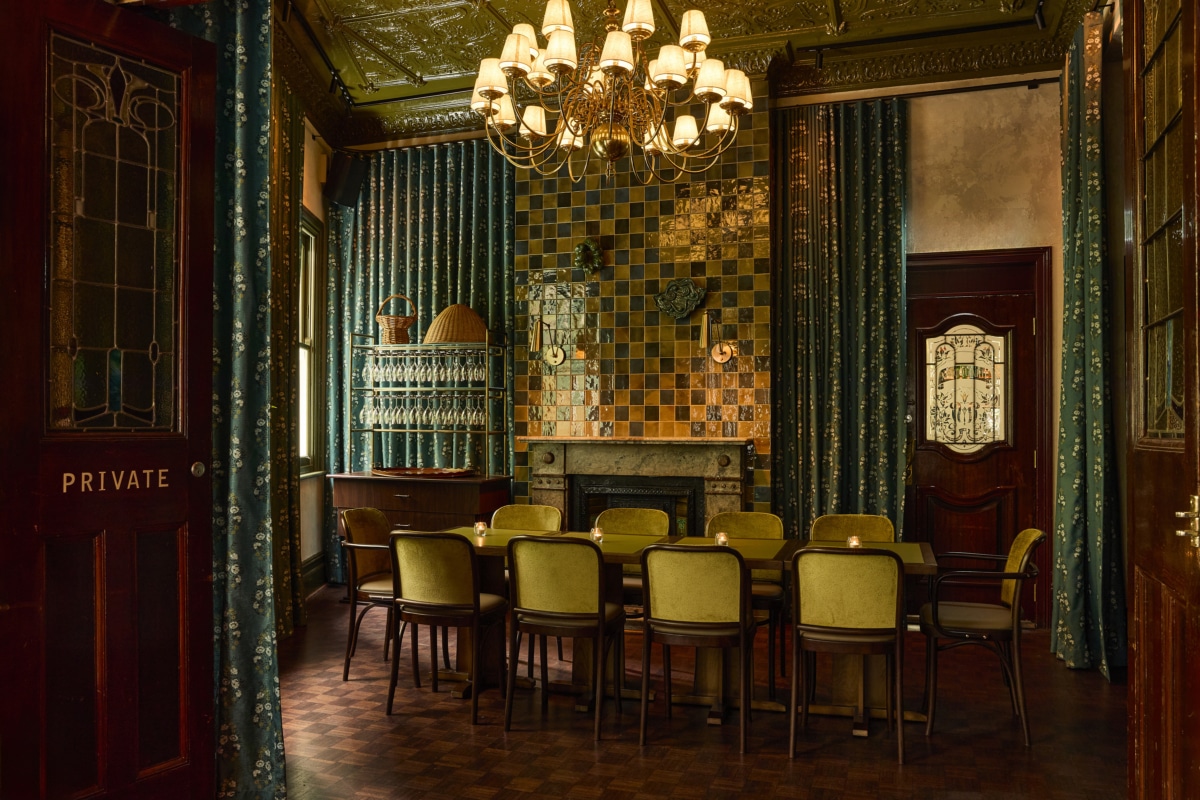
In the hospitality sector, the successful reopening of Hotel Harry in Surry Hills, Sydney, marks a significant milestone in the city’s post-lockdown "24-Hour Economy" strategy. Originally established in 1912, the Federation-style building has long served as a cornerstone of the inner-city social fabric. The recent multi-month renovation reflects a broader movement within the Sydney pub industry to pivot toward "refined casual" dining, moving away from the gritty aesthetics of the early 2010s.
Culinary Direction and Structural Evolution
The renovation includes a comprehensive overhaul of the upstairs dining area, now featuring a light-filled modern bistro and an open-plan kitchen. The appointment of Culinary Director Joel Bickford and Executive Chef Danny Corbett signals a shift toward high-quality, fire-based cooking techniques. The menu focuses on "elevated classics," including:
- Rotisserie Poultry: Locally sourced chicken prepared in custom roasting pits.
- Seafood: Wood-fired king prawns and seasonal catches.
- Artisanal Pizza: A focus on high-hydration doughs and premium toppings.
The project highlights a delicate balance in urban development: preserving the "DNA" of a century-old institution while modernising the infrastructure to meet 2026 safety and environmental standards. The retention of the building’s original dark corners and historic character, contrasted with new modern finishes, aligns with the gentrification trends observed across the Surry Hills precinct over the last 18 months.
Advancements in Technical Utility: The WANDRD PRVKE Zip 31L
As the "digital nomad" and content creator demographics continue to expand, the demand for modular, weather-resistant carry solutions has reached new heights. The global backpack market, particularly the premium "everyday carry" (EDC) segment, is currently valued at over $15 billion, with brands like WANDRD leading the charge through crowdfunding-born innovation.
The PRVKE Zip 31L is the latest iteration in a line of products designed for "multi-hyphenate" users—individuals who require a single bag for commuting, professional videography, and international travel.
Durability and Material Science
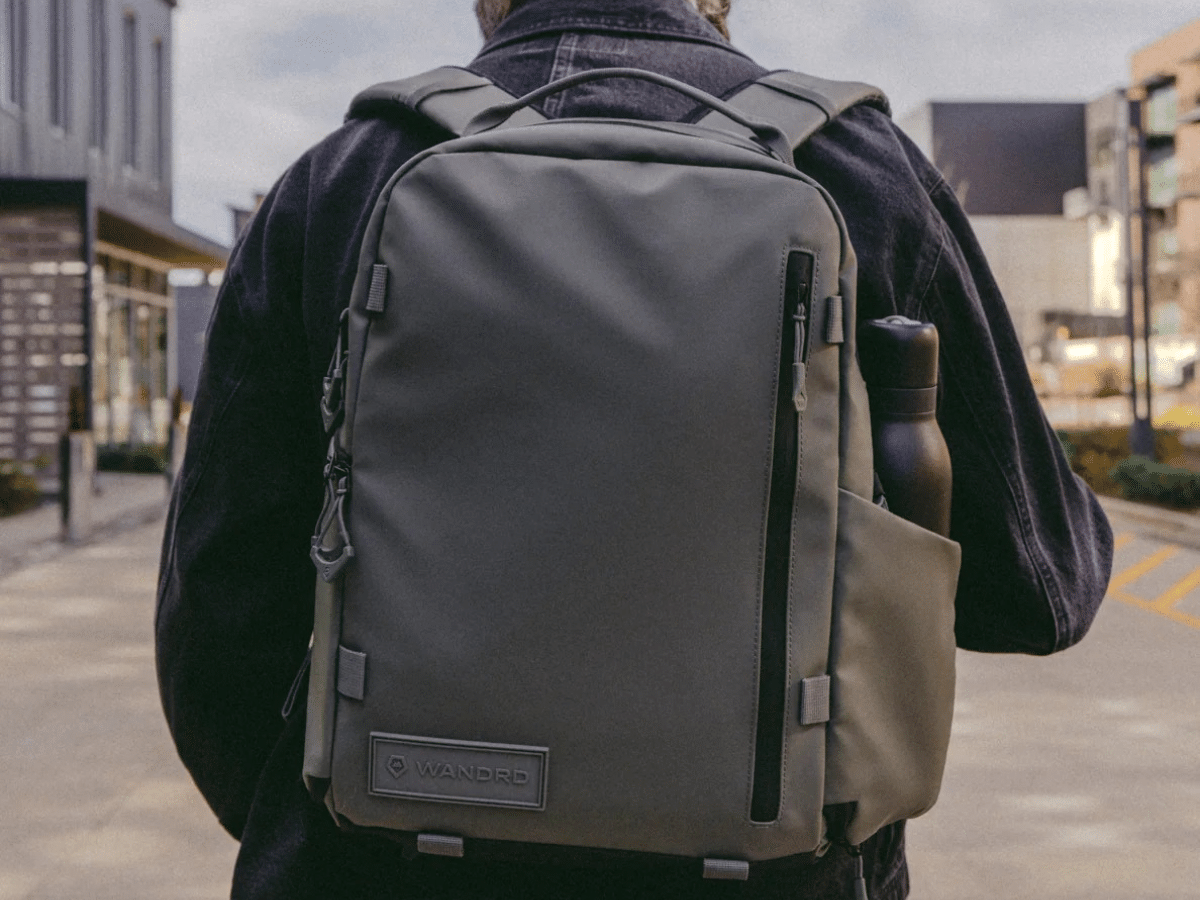
The primary challenge in modern backpack design is achieving water resistance without the bulk of traditional hiking gear. WANDRD addresses this through the use of high-grade tarpaulin and 1680D ballistic nylon. Key features of the 31L model include:
- Weather-Resistant Zippers: The use of YKK zippers with PU-coated tracks provides a barrier against moisture ingress during "torrential" conditions.
- Modular Organisation: The bag is compatible with "Camera Cubes" and "Packing Cubes," allowing the user to switch from a gear-heavy photography setup to a minimalist travel configuration in minutes.
- Ergonomics: The inclusion of an expandable bottle holder that doubles as a tripod mount reflects a deep understanding of the professional creator’s workflow.
Market data suggests that the "31-litre" capacity is currently the "sweet spot" for consumers, offering enough volume for a three-day trip while remaining small enough to fit within most airline carry-on dimensions.
The Intersection of Aesthetics and Utility in Domestic Appliances
The "small domestic appliance" (SDA) market has seen a distinct shift toward "countertop prestige," where consumers view kettles and toasters as interior design elements rather than mere utility items. Smeg, the Italian manufacturer founded in 1948, has capitalised on this through its ’50s Style series, which remains a benchmark for mid-century modern design.
Design Heritage and Functional Reliability
The Smeg ’50s Style Kettle and Toaster, specifically in the newly popular navy blue gloss finish, demonstrate the brand’s ability to maintain market share through aesthetic consistency. While the exterior focuses on chrome accents and retro curves, the internal technology is strictly modern.
- The Kettle: Features a 1.7-litre capacity, 2400W heating element for rapid boiling, and a 360-degree swivel base.
- The Toaster: Offers six browning levels and dedicated functions for bagels, reheating, and defrosting.
For many homeowners, particularly those in smaller urban units, these appliances represent the "final touch" of a kitchen renovation. Data from home improvement retailers indicates that "lifestyle-oriented" appliances have seen a 12% year-on-year growth, as consumers prioritise high-visibility items that reflect personal style.
Broader Impact and Market Implications
The collective emergence of these products and services points to several key trends defining the mid-2020s economy:
- The Premiumisation of the Home: As remote work remains a staple for the professional class, investment in "luxury" daily-use items—from smart chessboards to designer kettles—continues to rise.
- Heritage as Currency: In the hospitality sector, the "Old Sydney" or "Old World" aesthetic is being used as a differentiator against the sterile design of new-build commercial spaces. The success of Hotel Harry’s renovation suggests that consumers are looking for "soul" and history, provided it is backed by modern service standards.
- Hybrid Functionality: Whether it is a backpack that serves three different roles or a chessboard that connects to a global digital network, the modern consumer demands versatility. The "single-use" product is increasingly being replaced by integrated systems.
As we move further into 2026, the success of brands like Particula, WANDRD, and Smeg will likely depend on their ability to maintain this balance between high-concept design and tangible utility. Meanwhile, the hospitality industry in major hubs like Sydney will continue to watch Hotel Harry as a case study in how to successfully navigate the evolution of heritage spaces in a modern, competitive market.



 Yuyun Lusiyani
 Joko Widodo
 Eva Lovia
 Pevita Pearce
 admin
admin