
 Lina Irawan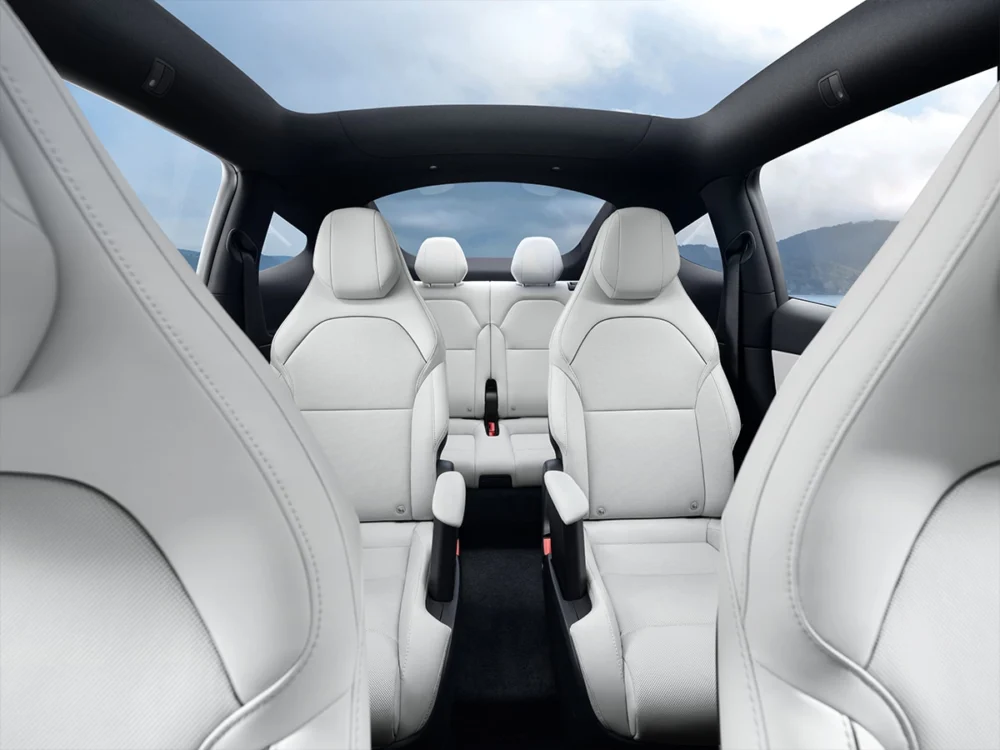
Tesla has officially expanded its Australian vehicle catalog with the introduction of the Model Y L, a significantly enlarged and more premium iteration of the world’s best-selling electric SUV. Starting at AUD$74,900 before on-road costs, the Model Y L enters the market as a specialized six-seat variant, filling a critical gap between the existing Long Range and Performance trims. This launch comes at a pivotal moment for the Australian automotive industry, as the transition to electric mobility faces headwinds from rising living costs and an influx of competitively priced alternatives from Chinese manufacturers. While the Model Y L addresses the needs of larger families seeking a premium experience, the announcement has simultaneously reignited discussions regarding the potential arrival of a sub-$50,000 "Standard" variant, which many industry analysts believe is necessary to revitalize the broader mass-market EV segment in Australia.
A New Dimensions in Electric Mobility: The Model Y L
The Model Y L is not merely a software update or a minor trim adjustment; it represents a physical evolution of the Model Y platform. Engineers have stretched the wheelbase to 3,040 mm, marking a 150 mm increase over the standard model. The total vehicle length has grown by 177 mm to reach 4,969 mm, while the roofline has been raised by approximately 44 mm. These adjustments are designed to accommodate a genuine three-row configuration, specifically a 2-2-2 layout that prioritizes passenger comfort and accessibility.
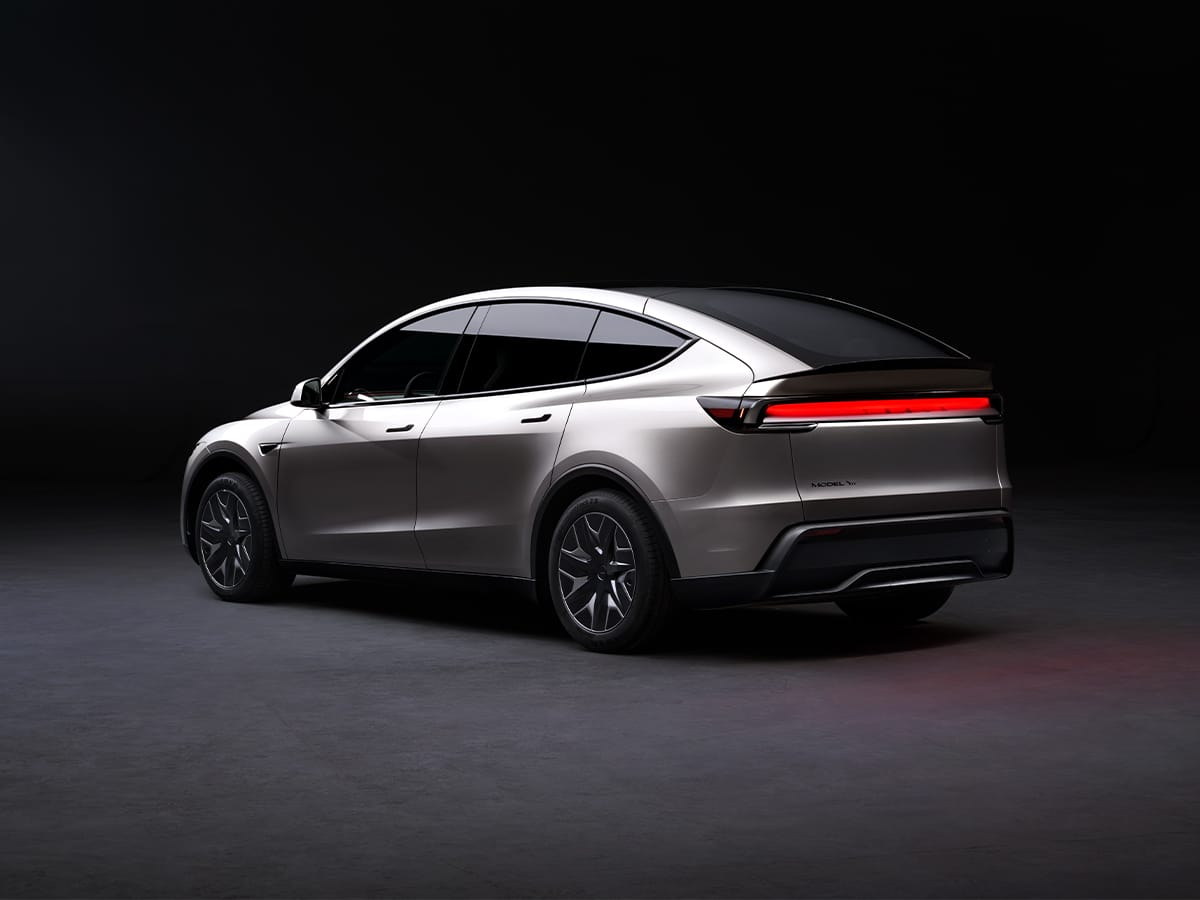
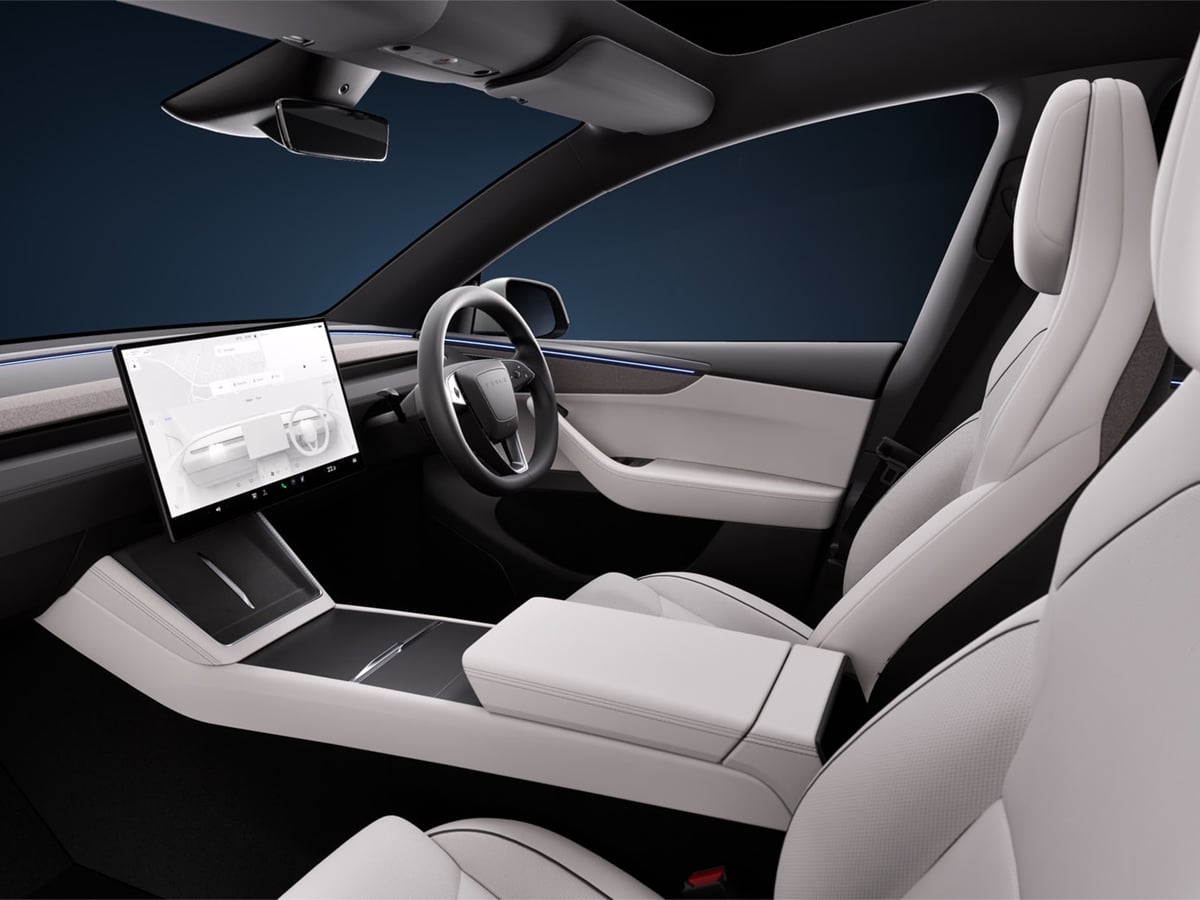
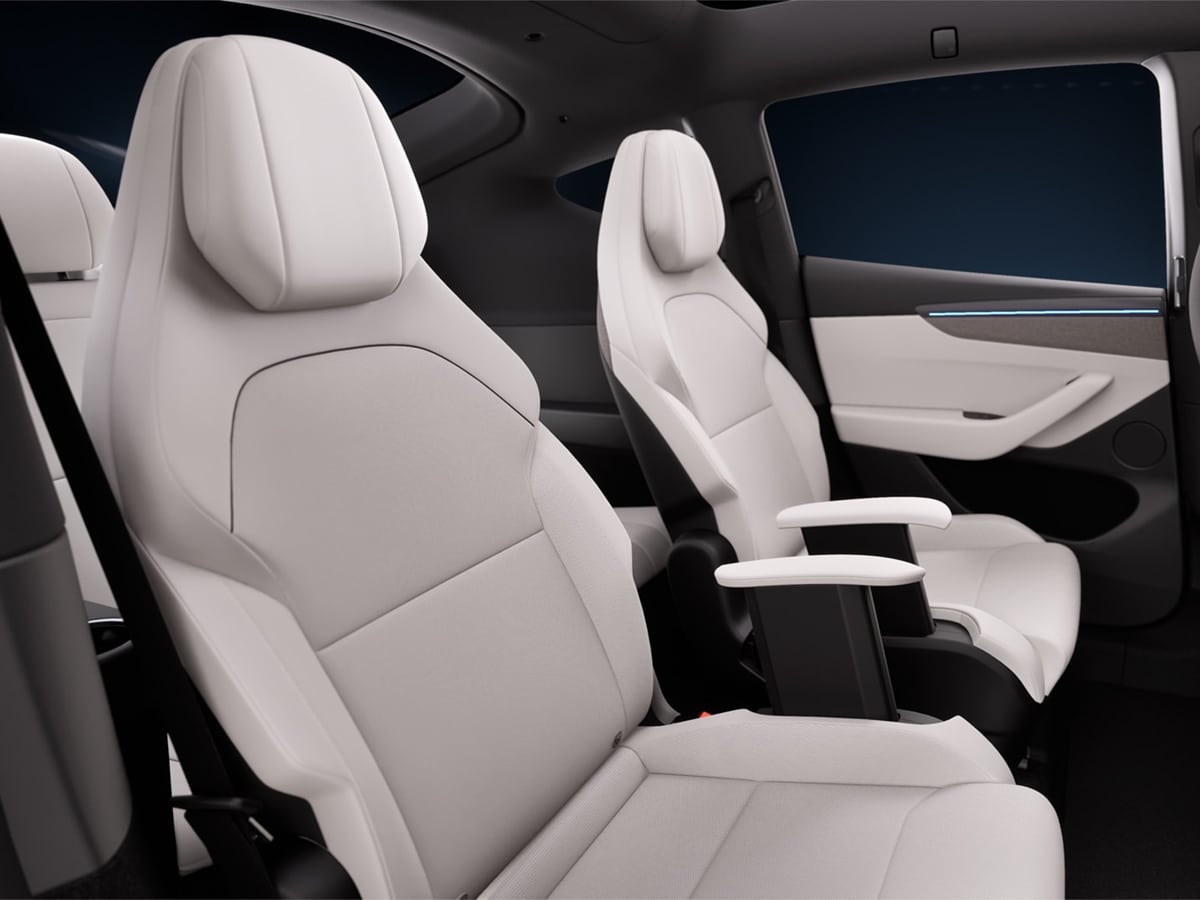
Unlike the seven-seat configuration available in some international markets, the Australian Model Y L is configured exclusively with second-row captain’s chairs. This design choice provides a "walk-through" path to the third row, enhancing the sense of interior space. These middle-row seats are a first for the Model Y line in Australia, featuring independent power adjustments, heating, ventilation, and retractable powered armrests. For the front-row occupants, Tesla has introduced 14-way power-adjustable seats with integrated electronic thigh support, catering to long-distance driving requirements.
Technological integration remains a cornerstone of the Tesla experience, but the Model Y L introduces several hardware upgrades. The central infotainment hub has been upgraded to a 16-inch touchscreen, complemented by an 8-inch rear display for second and third-row passengers. To support the increased cabin volume, the audio system now utilizes a 19-speaker array, including a dedicated subwoofer. Furthermore, the wireless charging pads have been redesigned with active fan cooling to prevent smartphone overheating during high-wattage 50W charging cycles.
Performance Specifications and Engineering Refinement
Under the chassis, the Model Y L utilizes a dual-motor All-Wheel Drive (AWD) architecture. The powertrain delivers a combined 378kW of power and 590Nm of torque. Despite its increased curb weight of 2,088 kg, the vehicle maintains impressive performance metrics, achieving the 0–100 km/h sprint in 5.0 seconds. The top speed is electronically limited to 201 km/h.

To manage the additional mass and the longer wheelbase, Tesla has implemented a continuous variable damping system. Drivers can toggle between "Balanced" and "Rear Comfort" suspension modes via the touchscreen interface, allowing for a more tailored ride quality depending on the passenger load. This is a significant departure from the fixed-rate suspension found in earlier Model Y iterations, which some critics noted were overly firm for family duties.
Range capability is anchored by a high-capacity Nickel Manganese Cobalt (NMC) battery pack. This chemistry allows for a projected WLTP range of 681km, positioning it as one of the longest-range electric SUVs currently available in Australia. The vehicle supports 250 kW DC fast charging, enabling rapid energy replenishment at Tesla’s extensive Supercharger network.
The Introduction of Vehicle-to-Load Technology
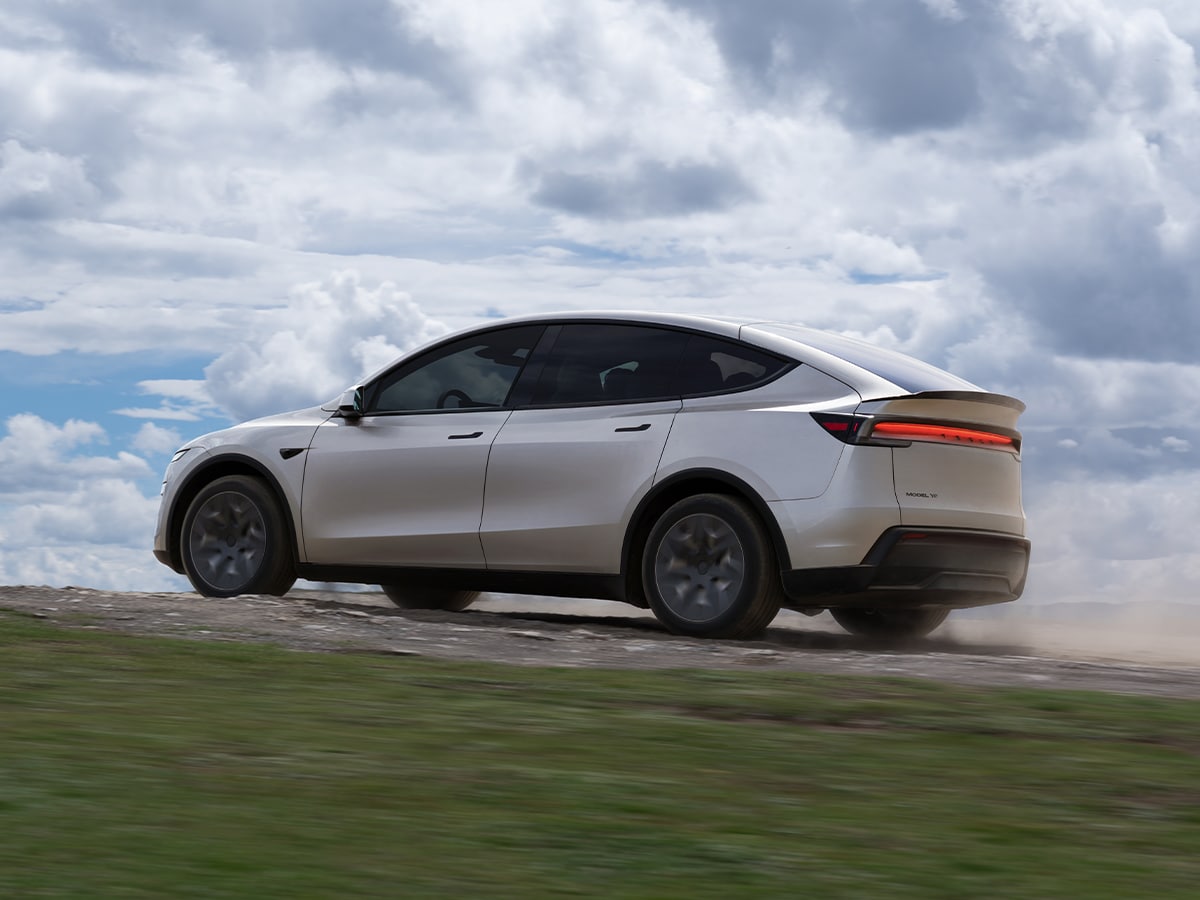
In a landmark move for the brand’s presence in the Oceania region, the Model Y L introduces Vehicle-to-Load (V2L) capability. While V2L has become a standard feature on many Korean and Chinese electric vehicles, Tesla had previously omitted the technology from its Australian lineup. By utilizing a specialized Tesla adapter, the Model Y L can now output up to 3.3 kW of power. This allows owners to run domestic appliances, power camping equipment, or even provide emergency charging to another electric vehicle. This addition is expected to resonate strongly with the Australian lifestyle market, where outdoor activities and regional travel are primary use cases for large SUVs.
Strategic Pricing and Market Positioning
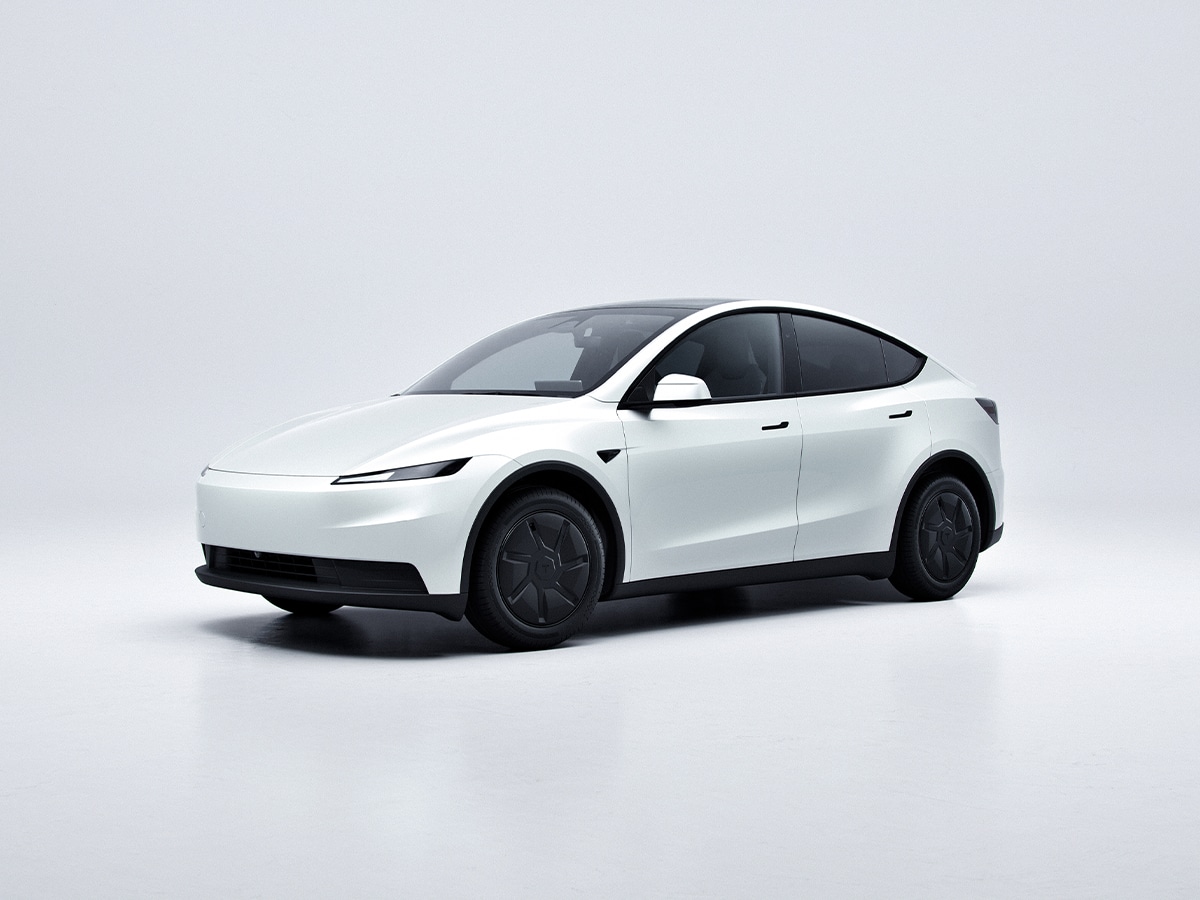
The Australian Tesla Model Y lineup now consists of four distinct variants, providing a broader spectrum of choice for consumers:
- Model Y Premium (RWD): $58,900
- Model Y Premium Long Range (AWD): $68,900
- Model Y L Premium (AWD): $74,900
- Model Y Performance (AWD): $89,400
(Note: Prices are in AUD and exclude on-road costs such as dealer delivery, registration, and stamp duty.)
The $74,900 price point for the Model Y L places it in direct competition with premium internal combustion engine (ICE) seven-seaters and the burgeoning market of luxury electric SUVs. While it remains more affordable than the Cadillac VISTIQ, which is expected to start above $116,000, it faces stiff competition from Chinese brands like Chery and BYD, which are introducing six- and seven-seat plug-in hybrids (PHEVs) at significantly lower price points.
The Case for a Sub-50,000 Dollar Standard Variant
While the Model Y L caters to the premium family segment, industry analysts suggest that the real catalyst for mass EV adoption in Australia remains a more affordable entry point. The hypothetical "Model Y Standard," which has seen success in North America and parts of Europe, represents the most anticipated potential addition to the local fleet.
If Tesla were to introduce a Standard variant in Australia, it would likely utilize a single-motor Rear-Wheel Drive setup and a Lithium Iron Phosphate (LFP) battery pack. LFP batteries are more cost-effective and durable than NMC batteries, though they offer less energy density. A Model Y Standard priced at approximately $49,900 would disrupt the current market hierarchy, directly challenging the MG S5 EV, the BYD Atto 3, and the recently announced Skoda Elroq.
The Australian market has seen a cooling of EV sales growth in recent months, attributed to the exhaustion of the "early adopter" phase and persistent concerns regarding the price premium of electric cars over ICE equivalents. A sub-$50,000 Tesla would likely provide the "jolt" necessary to attract budget-conscious buyers who are currently deterred by the $60,000+ entry price of the current Model Y range.
Evolution and Chronology of the Model Y in Australia
The journey of the Model Y in Australia has been one of rapid dominance and strategic adjustments:
- June 2022: Tesla officially opens orders for the Model Y in Australia after years of anticipation.
- 2023: The Model Y becomes the best-selling SUV in several Australian states, briefly overtaking traditional leaders like the Toyota RAV4 in monthly sales figures.
- Early 2024: Tesla implements several price reductions across the Model 3 and Model Y range to maintain competitiveness against a surge of new entrants from BYD and MG.
- Late 2024: The introduction of the upgraded "Highland" Model 3 sets the stage for interior and technological refreshes expected to eventually filter into the Model Y.
- Current: The launch of the Model Y L marks the first major structural expansion of the Model Y platform in the Australian market.
Broader Implications for the Australian Automotive Landscape
The arrival of the Model Y L and the potential for a cheaper entry-level model come at a time when Australia is implementing the New Vehicle Efficiency Standard (NVES). This legislation, which aims to reduce the carbon intensity of the national fleet, will place increasing pressure on manufacturers to sell more zero-emission vehicles to offset their high-emission commercial and large SUV sales.
For Tesla, maintaining a diverse range is essential to defending its market share. While the brand remains the dominant force in the Australian EV space, the competitive landscape is shifting. Brands like BYD have already introduced models like the Sealion 7, which offers high-performance AWD capabilities at a lower price point than the Model Y Long Range. By moving "up-market" with the Model Y L, Tesla is attempting to capture the lucrative "people mover" and luxury family segments, where profit margins are higher and brand loyalty is often more entrenched.
Furthermore, the introduction of V2L and improved suspension systems indicates that Tesla is listening to regional feedback. Australian drivers frequently cover long distances on varied road surfaces, making ride comfort and utility (like V2L) more than just luxury add-ons—they are essential features for the local environment.
Conclusion
The Tesla Model Y L represents a sophisticated expansion of the electric vehicle market in Australia, offering a unique blend of performance, six-seat utility, and advanced features like V2L. While its $74,900 price tag secures its position in the premium segment, the vehicle sets a new benchmark for what families can expect from an all-electric hauler. However, the shadow of a potential sub-$50,000 Model Y Standard continues to loom over the industry. Whether Tesla decides to bring that high-volume variant to Australian shores will likely determine the pace of the nation’s electric transition in the coming years. For now, the Model Y L stands as a testament to the platform’s versatility and Tesla’s commitment to maintaining its lead in an increasingly crowded and price-sensitive market.

 Jia Lissa
 Yuyun Lusiyani
 Joko Widodo
 Eva Lovia
 Pevita Pearce