
 Lina Irawan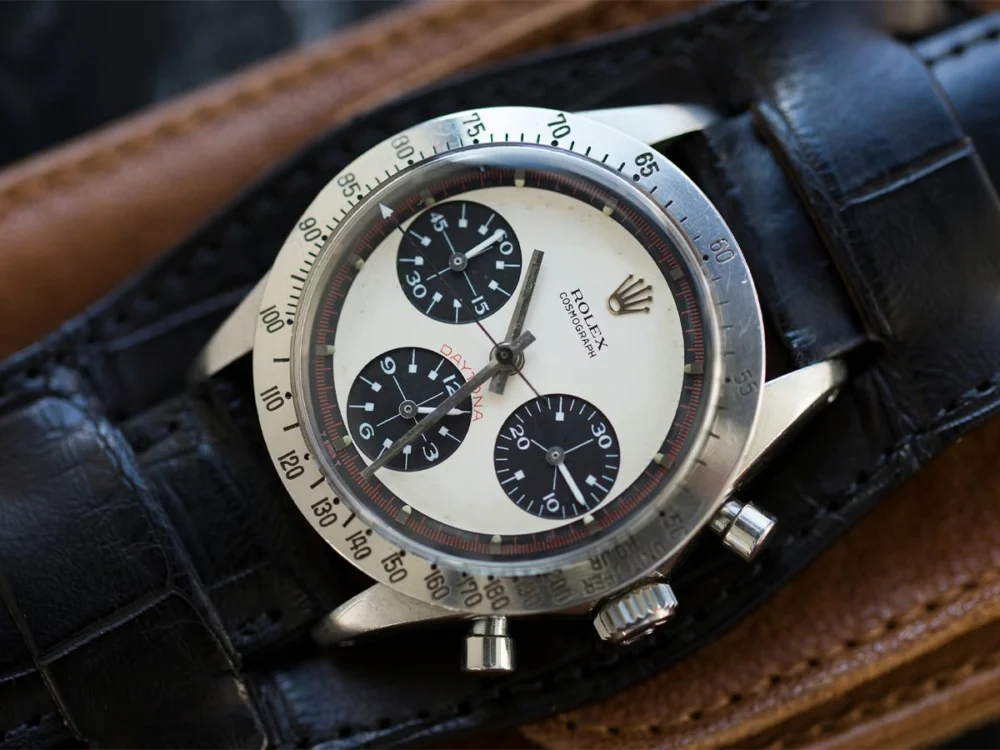
The Rolex Cosmograph Daytona stands as a singular phenomenon in the horological world, representing a convergence of mechanical precision, professional motorsport heritage, and an unprecedented level of global market demand. Since its formal debut in 1963, the model has transitioned from a specialized tool for professional racing drivers into the ultimate symbol of luxury and collectible value. This transition was not instantaneous; rather, it was the result of decades of incremental engineering refinements, strategic partnerships, and a cultural endorsement by Hollywood icon Paul Newman that would eventually lead to a single timepiece commanding a record-breaking $17.8 million at auction. Today, the Daytona is more than a watch; it is a benchmark for the luxury industry, reflecting the "Big Crown’s" mastery of both engineering and myth-making.
The Proto-Daytona Era: Laying the Foundation (1920–1962)
To understand the Daytona, one must look back to the early 20th-century ambitions of Rolex founder Hans Wilsdorf. Throughout the 1920s and 1930s, Wilsdorf focused on three pillars: chronometric precision, waterproofness via the Oyster case, and real-world endurance testing. While Rolex was already famous for its divers and explorers, the brand’s foray into the world of timed racing began with small-batch chronographs that served as the experimental precursors to the Cosmograph.
By the 1950s, Rolex began standardizing the triple-register layout—sub-dials at the 3, 6, and 9 o’clock positions—which would become the permanent face of the Daytona. The most significant "pre-Daytona" model arrived in the early 1960s with the Reference 6238. This racing chronograph featured a polished bezel and pump-style pushers. Crucially, the Reference 6238 utilized an internal tachymeter scale printed on the dial. While functional, this design limited legibility for drivers traveling at high speeds. This limitation prompted a radical design shift that would define the modern chronograph.

The Birth of the Cosmograph: Reference 6239 (1963)
In 1963, Rolex introduced the Reference 6239, the first watch to bear the "Cosmograph" name. The defining innovation of this model was the relocation of the tachymeter scale from the dial to the external bezel. This increased the dial’s real estate, allowing for larger sub-dials and improved legibility. The choice of the name "Cosmograph" was a strategic branding move by Rolex, intended to distinguish its chronographs from competitors by suggesting a level of precision fit for the dawning space age.
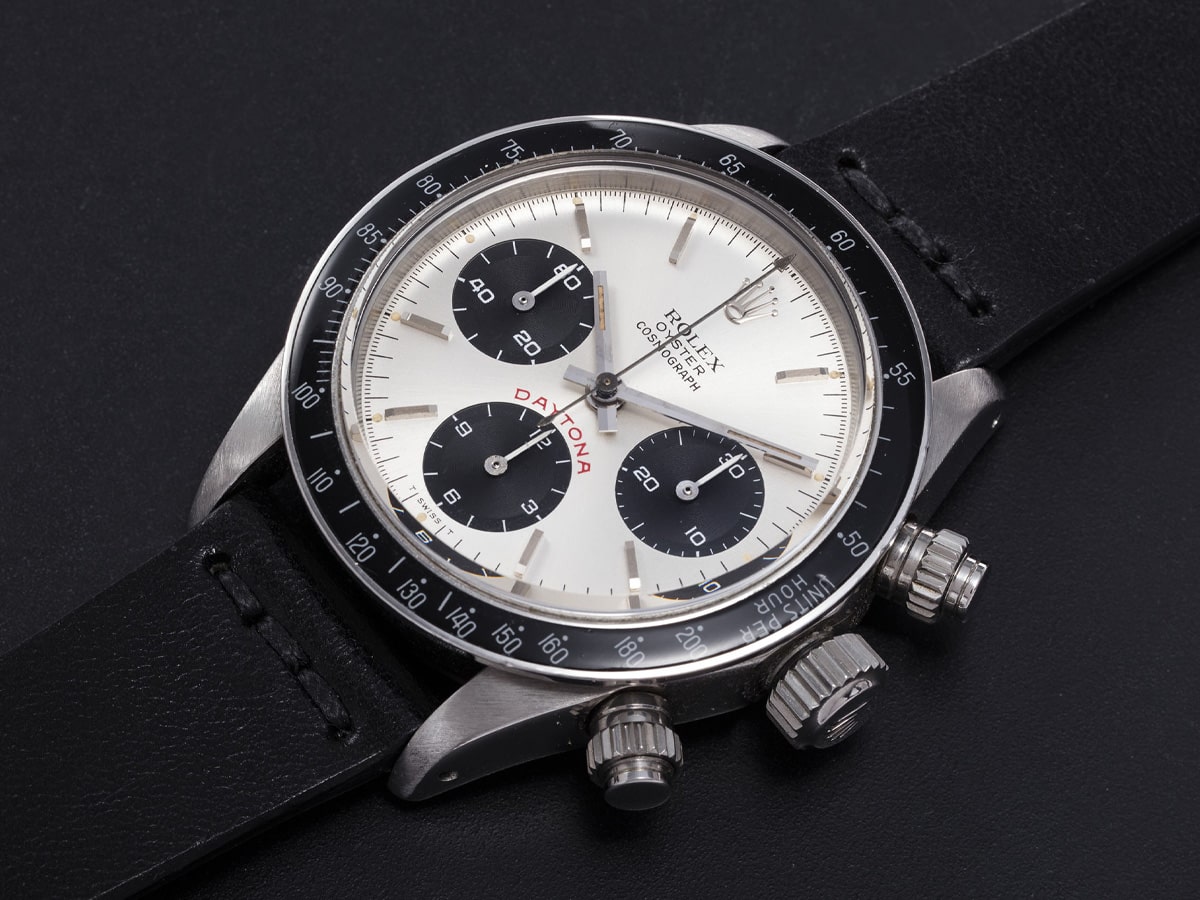
During this period, Rolex was also solidifying its relationship with American motorsport. The brand became the official timekeeper of the Daytona International Speedway in Florida. Early advertisements for the Reference 6239 occasionally referred to the watch as the "Le Mans," but as the partnership with the Florida track deepened, the name "Daytona" began to appear on the dials. Initially, the "Daytona" text was inconsistent, appearing in various sizes—leading to the "Big Daytona" and "Small Daytona" designations now used by vintage collectors. By 1965, the "Daytona" branding became a mainstay, cementing the connection between the watch and the high-octane world of endurance racing.
The Evolution of the Manual-Winding Era (1965–1988)
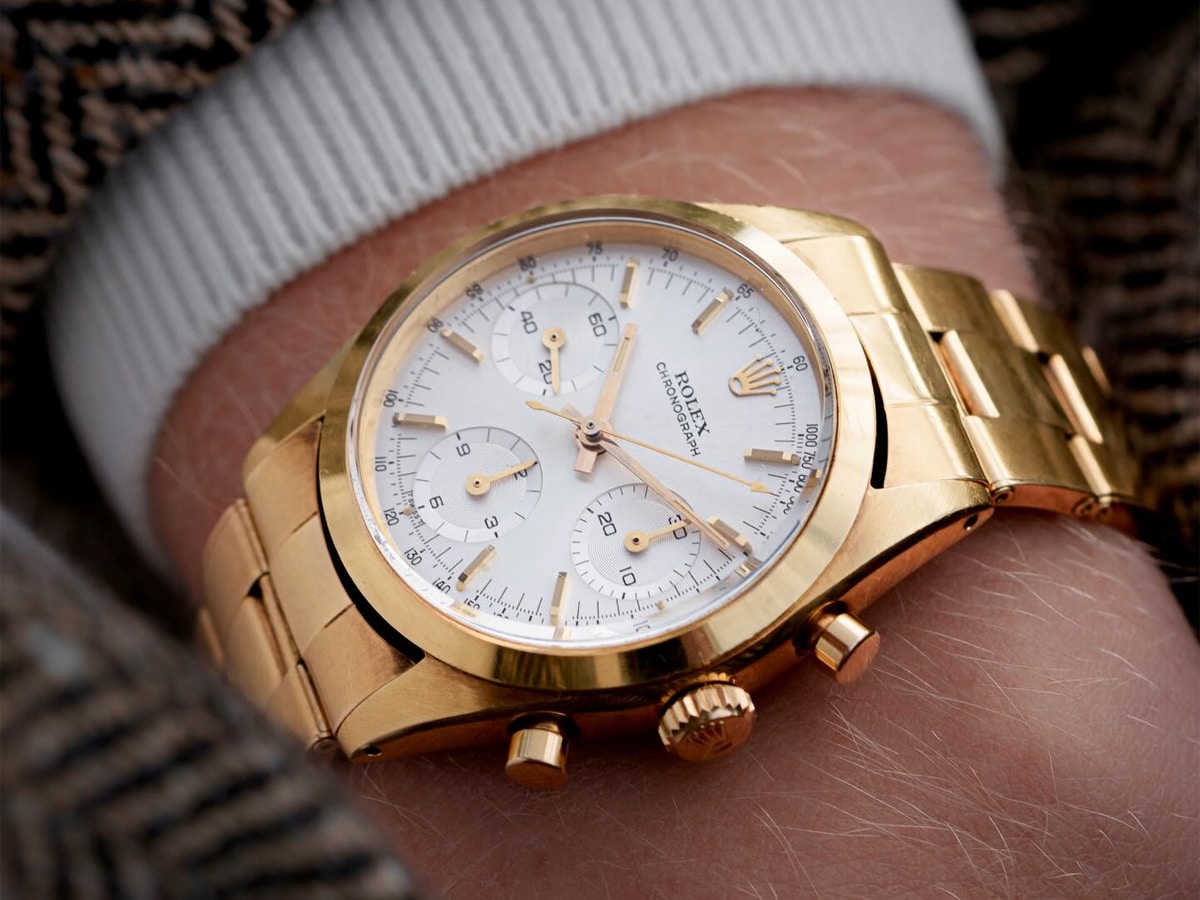
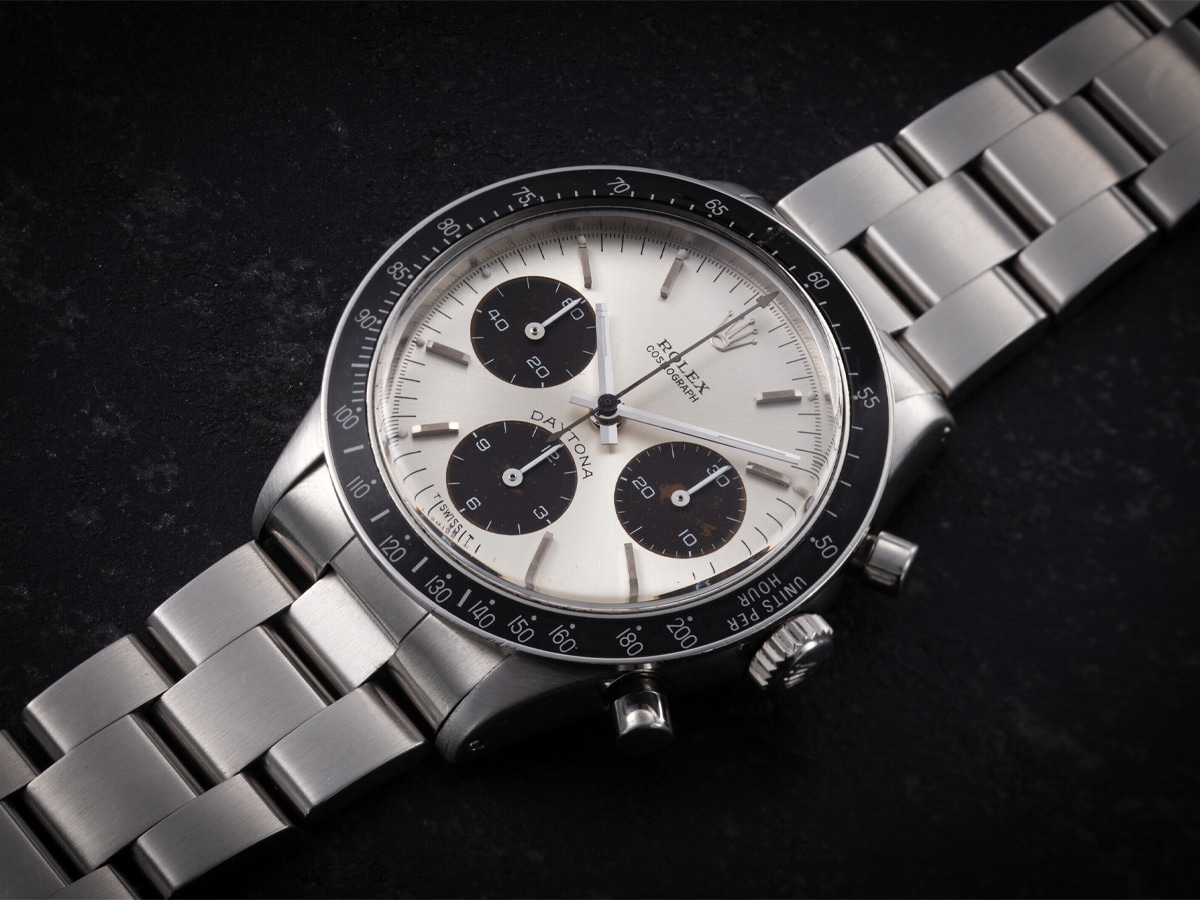
The mid-1960s through the late 1980s saw the Daytona evolve into a robust professional tool. The Reference 6240, launched in 1965, introduced screw-down chronograph pushers. This was a pivotal moment, as it allowed the Daytona to achieve "Oyster" status, signifying a level of water resistance previously unavailable in the chronograph line. This model also introduced the black acrylic bezel insert, providing a high-contrast alternative to the traditional stainless steel.
Throughout the 1970s, Rolex refined the movement from the Calibre 722 to the Calibre 727, which increased the vibrations per hour (vph) from 18,000 to 21,600, enhancing accuracy. The References 6263 (acrylic bezel) and 6265 (steel bezel) became the definitive manual-wind Daytonas, remaining in production for nearly two decades. Despite their current legendary status, these watches were not runaway commercial successes at the time. In many markets, they sat in jeweler showcases, overshadowed by the emerging trend of quartz watches. It was during this period of relative obscurity that the "Paul Newman" phenomenon began to take root.
The Paul Newman Effect and the Rise of the Exotic Dial
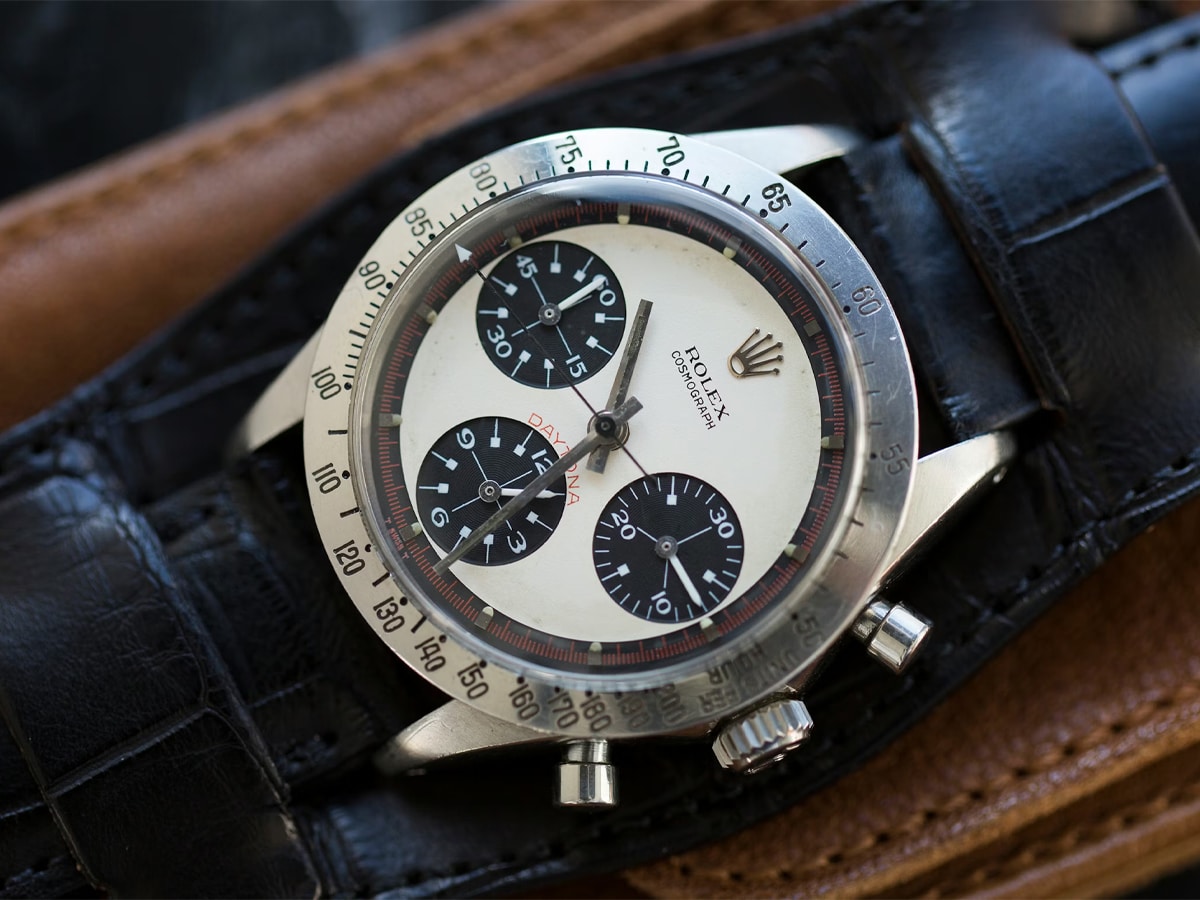
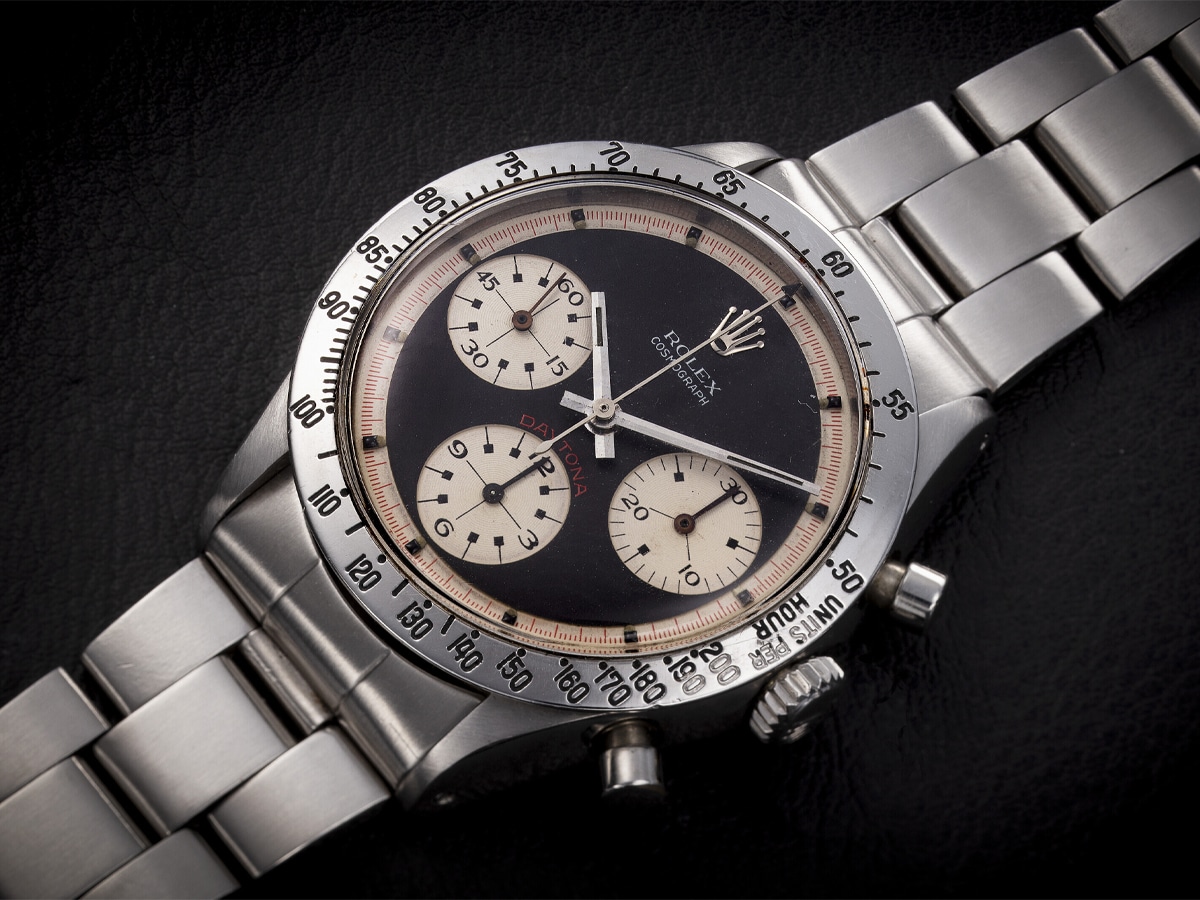
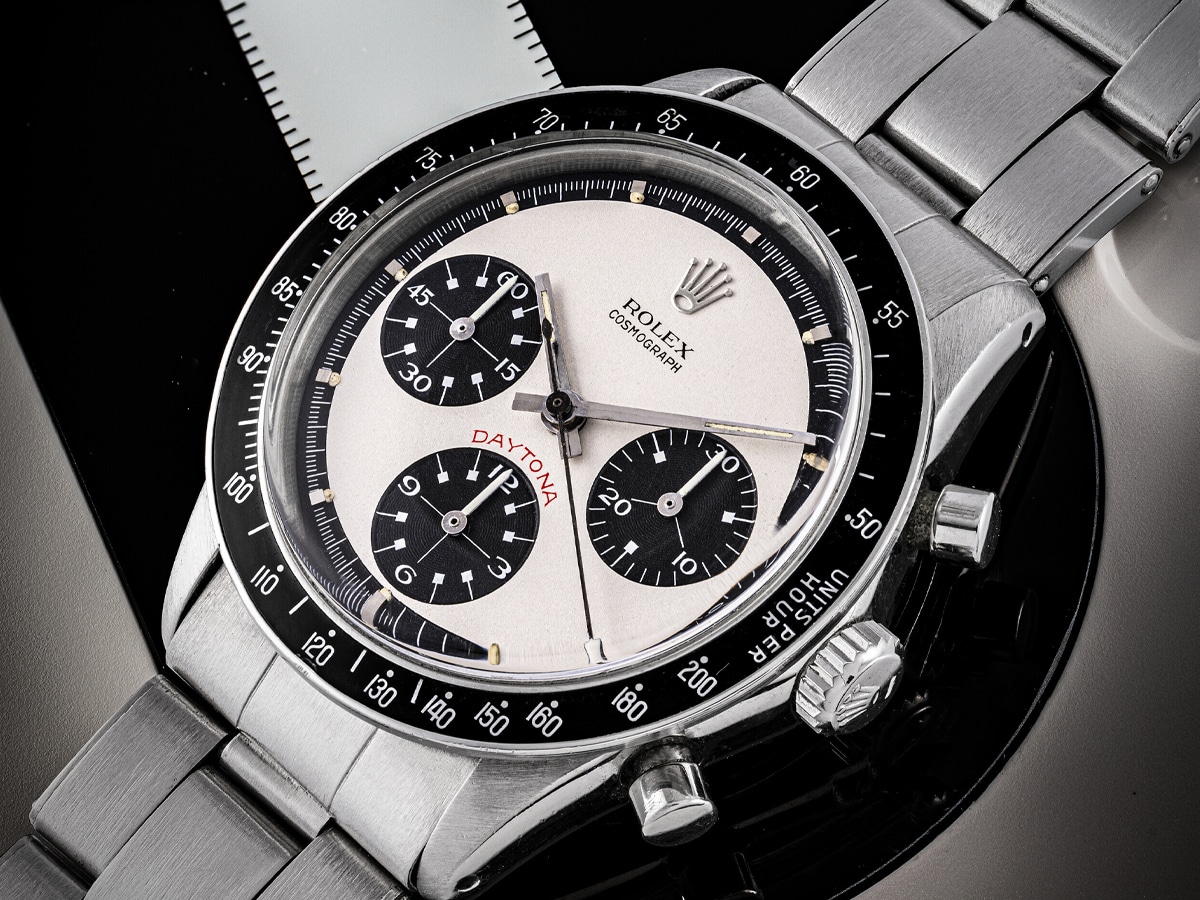
The term "Paul Newman Daytona" refers to a specific subset of vintage References (6239, 6241, 6262, 6263, 6264, and 6265) fitted with "exotic" dials. These dials featured art-deco style numerals, square-tipped markers in the sub-dials, and often a three-color scheme. Initially, these dials were unpopular and sold in low volumes.
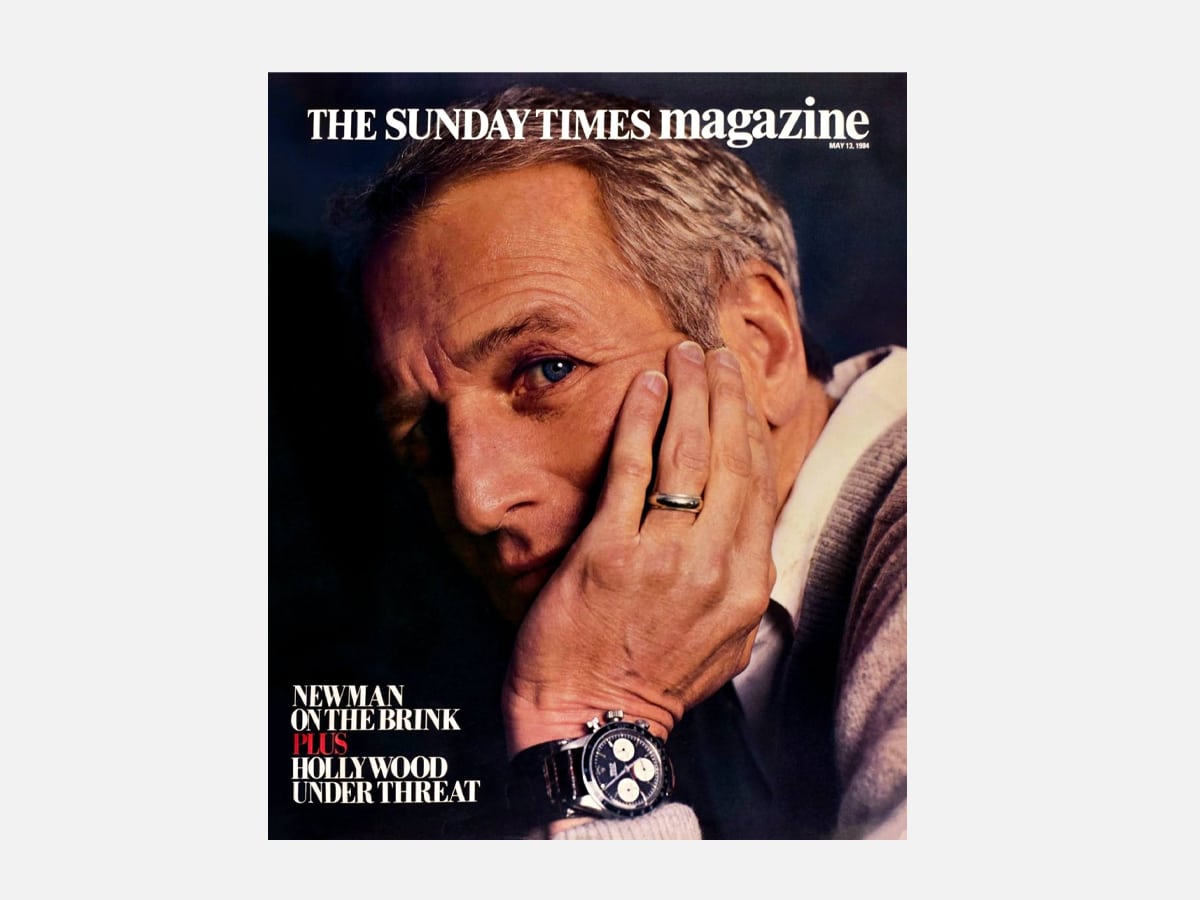
The trajectory changed when Joanne Woodward gifted her husband, Paul Newman, a Reference 6239 with an exotic dial as he embarked on his professional racing career. Newman was frequently photographed wearing the watch, most notably on the cover of the Italian magazine Moda in the 1980s. This sparked a frenzy among Italian collectors, who began dubbed the exotic-dial variants the "Paul Newman."
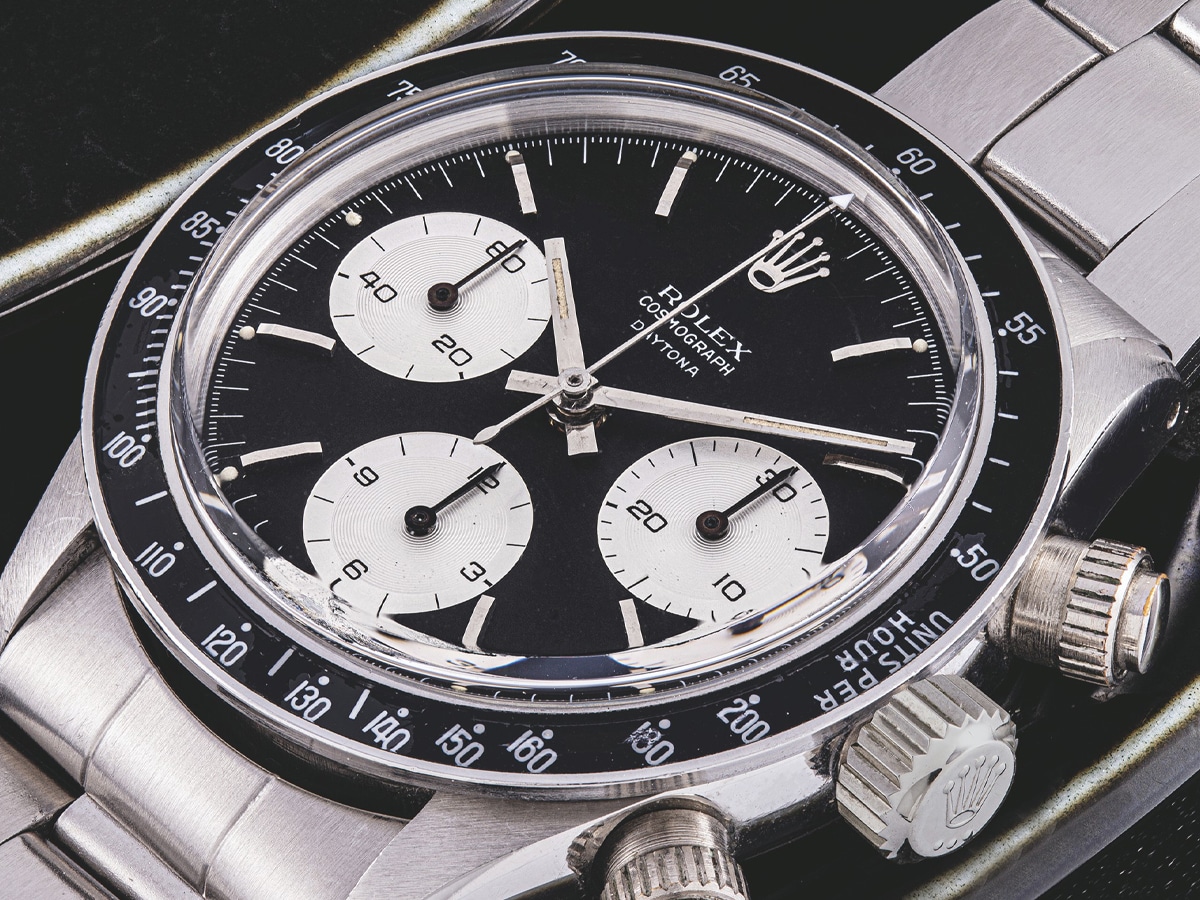
The financial implications of this celebrity connection are staggering. In October 2017, Newman’s personal Reference 6239 was auctioned by Phillips in New York. Expected to fetch high numbers, it ultimately sold for $17,752,500, setting a world record for any Rolex at auction. This event validated the Daytona not just as a timepiece, but as a blue-chip alternative asset.
The Automatic Revolution: The Zenith Years (1988–2000)
By the late 1980s, the market demand for a self-winding (automatic) chronograph became undeniable. In 1988, Rolex launched the Reference 16520, marking the "second series" of the Daytona. This was a radical departure from the vintage era. The case size grew from 37mm to 40mm, the acrylic crystal was replaced with scratch-resistant sapphire, and the dial was updated with a lacquered finish and ringed sub-dials.
Because Rolex did not yet have an in-house automatic chronograph movement, they turned to the Zenith El Primero Calibre 3019 PHC. However, in typical Rolex fashion, the movement was not used in its base form. Rolex engineers discarded roughly 50% of the Zenith parts and made over 200 modifications. They reduced the frequency from 36,000 vph to 28,800 vph to extend service intervals and replaced the date function with a Rolex hairspring. The resulting Calibre 4030 powered what is now known as the "Zenith Daytona," a bridge between the vintage and modern eras that remains highly prized for its slimmer profile compared to later models.
The Modern Era and In-House Mastery (2000–Present)
The turn of the millennium marked the "third series" of the Daytona with the introduction of the Reference 116520. This model featured the Calibre 4130, Rolex’s first fully in-house vertical-clutch chronograph movement. The vertical clutch allowed for the chronograph seconds hand to start and stop without the "jump" associated with lateral clutches, and it improved the power reserve to 72 hours.
In the subsequent two decades, Rolex integrated its most advanced materials into the line. In 2011, the brand introduced the Cerachrom (ceramic) bezel on gold models, later bringing it to the stainless steel Reference 116500LN in 2016. The 116500LN became a global sensation, with waitlists at authorized dealers stretching to five or ten years. The use of ceramic provided a bezel that was virtually impervious to scratches and UV degradation, echoing the look of the vintage acrylic bezels but with modern durability.
In 2023, for the 60th anniversary of the model, Rolex updated the entire range with the Reference 126500 series, featuring the Calibre 4131 and a refined case design. A standout release was the "Le Mans" edition, which featured a 24-hour chronograph counter in honor of the legendary endurance race, further solidifying the watch’s connection to its motorsport roots.
Market Dynamics and Economic Impact
The Rolex Daytona currently occupies a unique position in the global economy. It is one of the few consumer goods that consistently appreciates in value the moment it leaves the retail store. Analysis of secondary market data shows that stainless steel Daytonas frequently trade for 100% to 200% above their Manufacturer’s Suggested Retail Price (MSRP).
This "Daytona Economy" is driven by a deliberate strategy of scarcity and high-barrier entry. Rolex produces an estimated one million watches per year, yet the allocation of Daytonas remains strictly controlled. This has led to a "waitlist culture" that has redefined luxury retail, where the relationship between the client and the authorized dealer is as important as the capital required for the purchase.
Broader Implications and the Future of the Icon
The history of the Rolex Cosmograph Daytona is a testament to the power of persistent refinement. Unlike many luxury items that rely on radical reinvention, the Daytona has maintained a consistent design language for over 60 years. Its success has forced other luxury brands to rethink their heritage lines, sparking a "vintage-inspired" trend across the industry.
As the watch enters its seventh decade, its status as a "safe haven" asset remains unchallenged. Whether it is a 1960s manual-wind Reference or a 2024 platinum "Platona" with an open caseback, the Daytona continues to command the attention of the world’s most serious collectors. It remains the definitive racing chronograph—a masterpiece of form and function that turned a timing tool into a global legend.



 Yuyun Lusiyani
 Joko Widodo
 Eva Lovia
 Pevita Pearce
 admin
admin