
 Eva Lovia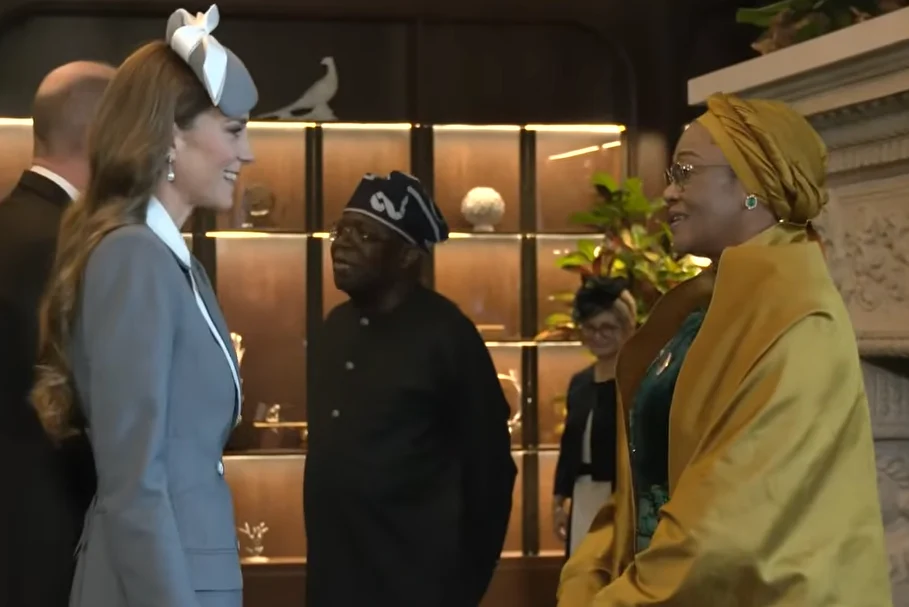
The Princess of Wales, Catherine, made a striking sartorial statement and a subtle diplomatic gesture by selecting an ensemble from British Nigerian designer Tolu Coker for the official welcome of Nigerian President Bola Ahmed Tinubu and First Lady Oluremi Tinubu to the United Kingdom. The grey and cream double-breasted coat dress, with its distinctive 1980s aesthetic amplified by corset detailing on the back, marked a significant moment in diplomatic dressing, highlighting the growing prominence of British-African designers on the international stage. This choice underscores the UK’s deepening ties with Nigeria, a nation undergoing significant economic and political developments.
The State Visit, the first by a Nigerian President in 37 years, commenced with a ceremonial welcome at Horse Guards Parade, a meticulously orchestrated event steeped in British tradition. President Tinubu and Mrs. Tinubu were conveyed from their accommodation to the historic venue, where they were greeted by His Majesty King Charles III and Her Majesty Queen Camilla. The Prince and Princess of Wales played a crucial role in the initial stages of the visit, escorting the distinguished guests to Windsor Great Park for the formal welcome ceremony. This engagement showcased the Royal Family’s continued commitment to fostering strong diplomatic relationships with Commonwealth nations and key global partners.
A Statement of Support: Tolu Coker’s Ascendancy
The selection of Tolu Coker’s design by the Princess of Wales is more than a fashion choice; it is a powerful endorsement of emerging talent and a deliberate nod to the vibrant cultural exchange between the UK and Nigeria. Tolu Coker, a graduate of the University of Westminster and the London College of Fashion, has been steadily building a reputation for her innovative designs, which often draw inspiration from her Nigerian heritage and address contemporary issues of sustainability within the fashion industry.
Coker’s approach to luxury fashion is explicitly linked to challenging conventional perceptions and actively confronting the environmental impact of the fashion industry. In a previous interview with the London College of Fashion, she articulated her commitment to this ethos, stating, "as well as challenging traditional perceptions of luxury, I actively address fashion’s significant contribution to global waste and pollution." This aligns with a growing global awareness and demand for ethical and sustainable practices, making Coker’s work particularly resonant.
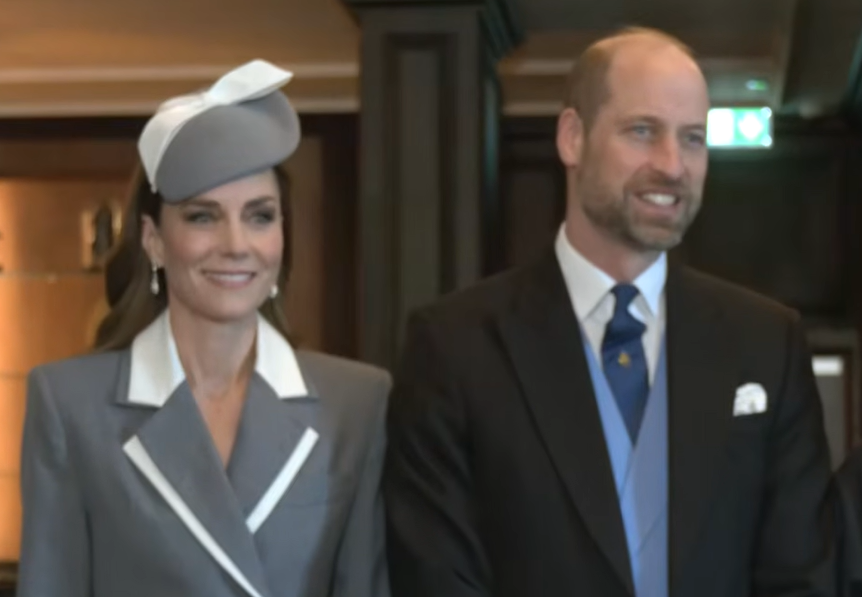
The Princess’s choice represents a significant moment for Coker, offering unparalleled global exposure. This is not the first time Coker’s work has received royal attention; King Charles III himself acknowledged her talent last month during a visit to London Fashion Week, where he observed a catwalk show featuring her designs. Furthermore, Coker’s creations have garnered attention from prominent cultural figures, including Traitors star, Cat Burns, who opted for one of her designs for the recent Brit Awards, further cementing her status as a designer of significant influence.
The State Visit: A Detailed Chronology
The Nigerian State Visit, a landmark event, unfolded with a series of carefully planned engagements designed to strengthen bilateral relations between the United Kingdom and Nigeria.
Day 1: Arrival and Ceremonial Welcome
- Morning: President Bola Ahmed Tinubu and First Lady Oluremi Tinubu arrive in the UK, beginning their official State Visit.
- Mid-morning: The Prince and Princess of Wales meet President Tinubu and Mrs. Tinubu at their accommodation, a customary act of hospitality and introduction.
- Late morning: The delegation proceeds to Horse Guards Parade for the official ceremonial welcome. His Majesty King Charles III and Her Majesty Queen Camilla formally receive the Nigerian President and First Lady.
- Ceremonial Procession: Following the welcome, a grand procession takes place. King Charles III and President Tinubu travel together in the Australian State Coach. Queen Camilla and Mrs. Tinubu ride in the Scottish State Coach. The Prince and Princess of Wales participate in the procession in the Irish State Coach, underscoring their supportive role.
- Windsor Castle: The procession culminates at Windsor Castle, where the State Apartments are to be used for the official engagements of the visit. A private lunch is typically hosted by the monarch for visiting heads of state.
- Afternoon: The President and First Lady visit Westminster Abbey, a significant site of British history and royal events, to lay a wreath at the Tomb of the Unknown Warrior. This act symbolizes respect for shared historical sacrifices and remembrance.
- Evening: A State Banquet, hosted by King Charles III at Windsor Castle, is held in honour of President Tinubu and Mrs. Tinubu. This formal dinner is a highlight of State Visits, featuring addresses from the monarch and the visiting head of state, and is attended by members of the Royal Family, government officials, and distinguished guests from both nations.
Supporting Data and Context:
The Nigeria-UK relationship is multifaceted, encompassing significant trade, investment, and cultural ties. Nigeria, Africa’s most populous nation and largest economy, is a key partner for the UK on the continent. Bilateral trade between the UK and Nigeria stood at £7.3 billion in 2022, with UK exports to Nigeria accounting for £3.7 billion and imports from Nigeria totalling £3.6 billion. Key areas of UK export include machinery and transport equipment, while Nigeria’s exports to the UK are dominated by mineral fuels. This economic interdependence makes State Visits crucial for fostering continued collaboration and addressing potential trade barriers.
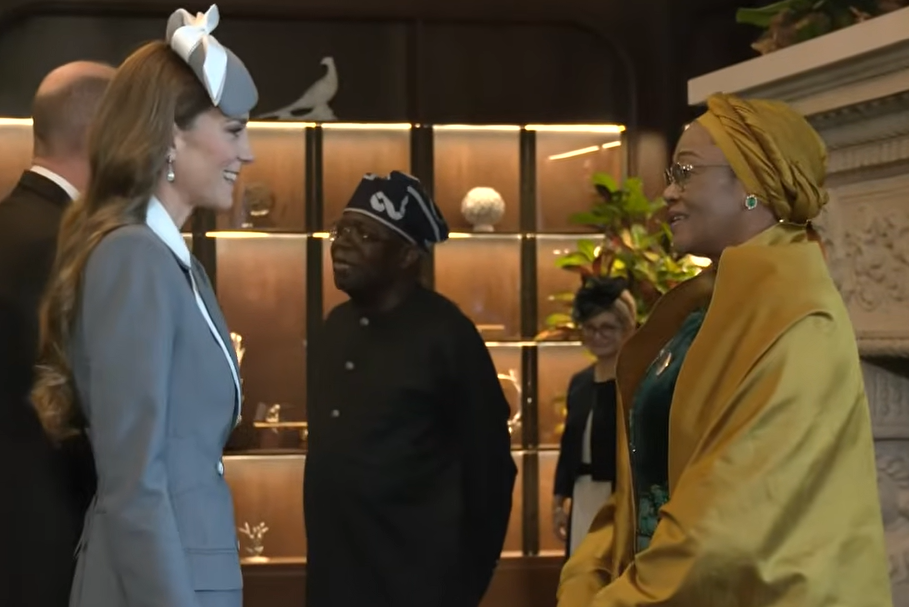
The historical context of the visit is also significant. Nigeria gained independence from British rule in 1960, and while relations have evolved, a strong legacy connection remains. The last State Visit by a Nigerian President was in 2003 by Olusegun Obasanjo, making this a long-awaited and symbolically important occasion. President Tinubu’s visit comes at a time when Nigeria is navigating complex domestic challenges, including economic reforms and security concerns, making international partnerships and diplomatic engagement particularly vital.
Broader Implications and Diplomatic Significance
The Princess of Wales’s choice of a British Nigerian designer carries significant weight in the context of cultural diplomacy. By championing Tolu Coker, Catherine not only highlights the burgeoning talent within the UK’s diverse fashion landscape but also implicitly acknowledges and celebrates Nigeria’s rich cultural heritage. This act of sartorial diplomacy can help to:
- Foster goodwill and mutual respect: Showcasing a designer with Nigerian roots sends a positive message of inclusivity and recognition of Nigeria’s contributions to global culture.
- Promote economic ties: Supporting designers like Coker can indirectly encourage trade and investment in the creative industries of both nations.
- Strengthen people-to-people connections: Fashion is a powerful medium for cultural exchange, and by wearing Coker’s designs, the Princess helps bridge cultural divides and foster a sense of shared identity.
- Elevate sustainable fashion: By aligning herself with Coker’s environmentally conscious brand, the Princess of Wales subtly reinforces the Royal Family’s commitment to sustainability, a key global imperative.
Royal Engagements Beyond the State Visit
The week preceding the State Visit was notably busy for both the Prince and Princess of Wales, demonstrating their active roles in representing the Crown. On St. Patrick’s Day, a traditional occasion for the Royal Family to honour Ireland, the Princess of Wales presented shamrocks to the officers and guardsmen of the Irish Guards, a poignant moment of tradition and military engagement.
Meanwhile, Prince William surprised BBC Radio 1 DJ Greg James by joining him for a portion of his gruelling cross-country bike challenge. This initiative, undertaken in support of Comic Relief, highlighted Prince William’s engagement with charitable causes and his willingness to participate in public awareness campaigns, demonstrating a modern approach to royal patronage. These individual engagements, alongside their joint participation in the State Visit, illustrate the dynamic and evolving nature of the modern British monarchy.
The presence of the Prince and Princess of Wales at the forefront of such significant diplomatic events underscores their growing importance within the Royal Family and their commitment to fulfilling their constitutional and ceremonial duties. Their engagement with contemporary designers and charitable endeavours reflects a forward-looking approach to royal service, aimed at connecting with a broader public and reinforcing the UK’s global standing. The State Visit of President Tinubu, marked by sartorial elegance and diplomatic substance, stands as a testament to the enduring and evolving relationship between the United Kingdom and Nigeria.


 Yuyun Lusiyani
 Joko Widodo
 Jia Lissa
 Pevita Pearce
 admin
admin
