
 Eva Lovia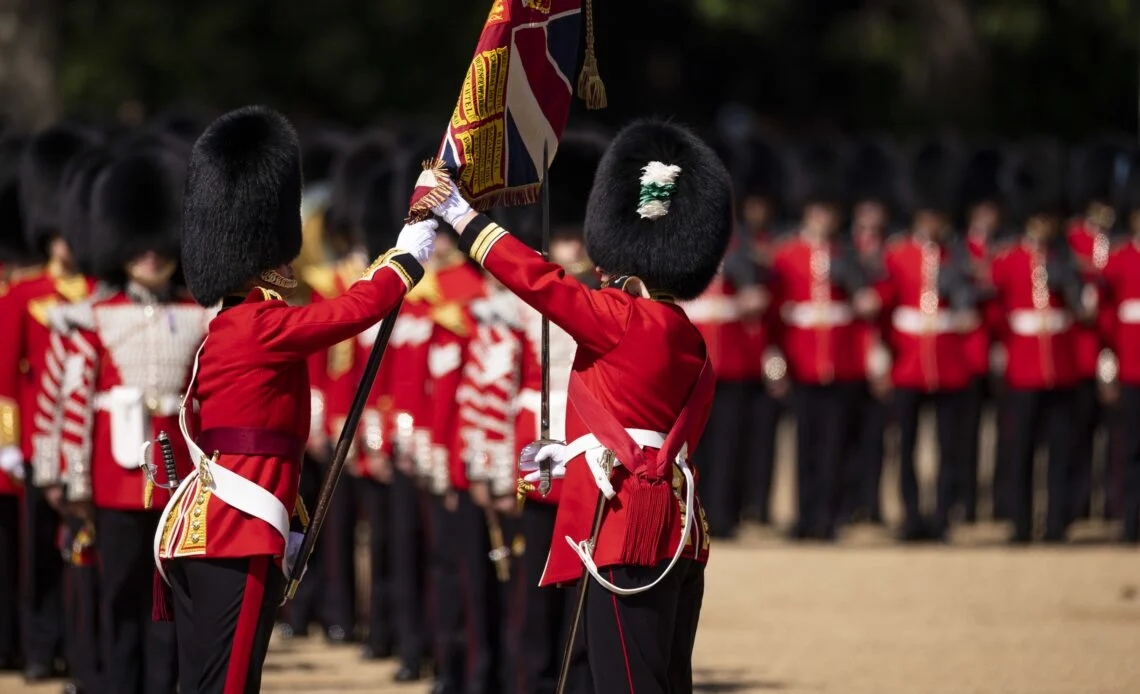
The final countdown has begun for aspiring attendees eager to witness one of the most significant ceremonial events of the year: Trooping the Colour, the Sovereign’s Birthday Parade. With the ballot for public tickets rapidly approaching its closure, enthusiasts have only a few days remaining to submit their applications for a chance to experience this historic spectacle. This annual tradition, steeped in military pageantry and royal tradition, offers a unique glimpse into the United Kingdom’s enduring constitutional monarchy and its relationship with the armed forces.
A Chance to Witness Royal Spectacle
The application process for Trooping the Colour operates through a ballot system, designed to offer a fair opportunity for members of the public to secure tickets. It is crucial to understand that entering the ballot does not guarantee a ticket. Successful applicants, whose names are drawn at random, will be contacted a few days after the ballot closes and will then have the opportunity to purchase their coveted tickets. The deadline for entering the ballot for the 2026 event is March 27.
This year’s Trooping the Colour is scheduled to take place on June 13, 2026, at the iconic Horse Guards Parade in London. The event is a grand display of military precision and tradition, showcasing the dedication and professionalism of the armed forces. The King’s Company, 1st Battalion Grenadier Guards, will have the distinct honour of "Trooping their Colour" in the presence of His Majesty King Charles III. This ceremonial act involves the escort of the Sovereign’s Colour (regimental flag) through the ranks of soldiers.
The scale of the parade is impressive, with over 1,350 soldiers from the Household Division and the King’s Troop Royal Horse Artillery expected to participate. Adding to the vibrant atmosphere will be over 300 musicians forming the Massed Bands, whose stirring performances are integral to the ceremony. The meticulous preparation for such a grand event is extensive, with rehearsals commencing weeks in advance to ensure every movement is perfectly synchronised. Beyond the parade participants, an additional 250 service personnel will line the ceremonial route, a testament to the military’s ubiquitous presence and role in national events.
The procession itself follows a well-established route. King Charles III will travel from Buckingham Palace to Horse Guards Parade and back again. While traditionally the Sovereign might have ridden on horseback, in recent years, His Majesty has arrived at the parade ground by carriage. The Prince of Wales, however, is expected to ride to the parade, maintaining a tradition of royal participation on horseback.
Alternative Viewing Opportunities
For those who may not be successful in the main ballot or who wish to experience aspects of the parade before the main event, there are two earlier opportunities to witness similar ceremonial displays. These events, while not identical to the Sovereign’s Birthday Parade, offer a valuable insight into the military rehearsals and traditions involved.
The first of these is the Colonel’s Review, which takes place approximately one week before Trooping the Colour. In 2026, this event is scheduled for June 6. Tickets for the Colonel’s Review are priced at £15 and can be purchased directly through the British Army’s official website. This review provides a significant portion of the ceremonial pomp and military presence, offering a substantial preview of the main event.
The second pre-parade event is the Major General’s Review, held on May 30, 2026. While this review still features impressive military participation, it is conducted with a slightly reduced number of mounted officers and without the service personnel lining the ceremonial route. This distinction makes it a slightly more intimate, though no less significant, display of military drill. Tickets for the Major General’s Review are available for £10 and can also be purchased directly from the Army’s website. These alternative events allow a broader segment of the public to engage with the rich traditions of the Household Division.
A Deep Historical Tapestry
The origins of Trooping the Colour are deeply embedded in British military history, tracing back to the reign of King Charles II. The fundamental purpose of the parade, historically, was for individual regiments to "troop their colour." This involved the slow and deliberate march of the regimental flag, or "colour," through the ranks of soldiers. This practice served a crucial function: to ensure that all soldiers in the regiment could recognise their standard in the heat of battle, a vital element for maintaining unit cohesion and morale.
The transition of this military ceremony into a celebration of the Sovereign’s official birthday was formalised in 1748. It was then decreed that this grand ceremonial event would also serve to mark the Sovereign’s official birthday. The tradition became an established annual fixture during the reign of King George III, who ascended the throne in 1760. This amalgamation of military tradition and royal commemoration has cemented Trooping the Colour as a cornerstone of the British ceremonial calendar.
The date of the parade has also evolved over time. It is now typically held on the second Saturday in June. This timing is a practical consideration, chosen because the weather in the United Kingdom is generally more favourable during this period, enhancing the outdoor spectacle. However, there have been exceptions. In 2022, for instance, Trooping the Colour was held on a Thursday to coincide with the start of the Platinum Jubilee celebrations for Queen Elizabeth II, marking a significant moment in modern royal history and demonstrating the adaptability of this long-standing tradition.
Supporting Data and Context
The Household Division, which comprises the Sovereign’s personal troops, is comprised of the Household Cavalry and the Foot Guards. The Household Cavalry consists of two regiments: The Life Guards and The Blues and Royals. The Foot Guards comprise five regiments: the Grenadier Guards, the Coldstream Guards, the Scots Guards, the Irish Guards, and the Welsh Guards. Each of these regiments has its own unique history, traditions, and distinctive uniforms, contributing to the visual splendour of Trooping the Colour.
The music accompanying the parade is equally significant. The Massed Bands are typically formed from the bands of the Household Division and other military units. These bands play a repertoire of marches, fanfares, and traditional tunes that enhance the ceremonial atmosphere and underscore the military heritage of the event. The precision of the musicians, marching in perfect step with the soldiers, is a testament to the rigorous training undertaken by all participants.
The route taken by the King and the procession is a significant part of the ceremonial spectacle. Starting from Buckingham Palace, the King travels along The Mall, a grand processional route, before turning onto Horse Guards Road to reach Horse Guards Parade. The return journey follows a similar route. The presence of the King’s Troop Royal Horse Artillery, with its historic guns, adds another layer of military might and tradition to the proceedings.
Official Statements and Broader Implications
While direct quotes from royal spokespeople regarding the ballot are not typically released, the continued operation of the ballot system underscores the Palace’s commitment to public engagement and accessibility. The emphasis on the ballot system reflects a modern approach to managing public access to highly sought-after events, ensuring that opportunities are distributed broadly.
The existence of the Colonel’s Review and the Major General’s Review can be seen as strategic initiatives to broaden public access to military ceremonial events. By offering these earlier, more accessible events with lower ticket prices, the Army and the Royal Household encourage greater public participation and understanding of military traditions. This also serves to alleviate some of the demand for the main Trooping the Colour event, allowing for a more focused and exclusive experience for those who secure tickets through the primary ballot.
The broader implications of Trooping the Colour extend beyond mere spectacle. It serves as a vital link between the monarch and the armed forces, reinforcing the constitutional role of the Sovereign as Commander-in-Chief. The parade is a tangible demonstration of the military’s loyalty and service to the Crown, and by extension, to the nation. It provides a platform for the public to express their support and admiration for the men and women of the armed forces.
Furthermore, the event contributes significantly to the tourism economy of London, drawing visitors from across the UK and internationally. The meticulous planning and execution of such a large-scale event also highlight the organisational capabilities of the British military and its civilian support structures.
Accessing Further Information
For individuals seeking more detailed information regarding the ballot for this year’s Trooping the Colour, including application procedures and specific dates, the British Army’s official website serves as the primary source. Details concerning the Colonel’s Review and the Major General’s Review, including ticket purchasing information, are also readily available through dedicated links on the Army’s website, ensuring transparency and accessibility for all interested parties. The continued emphasis on these official channels ensures that the public receives accurate and up-to-date information regarding these significant national events.




 Yuyun Lusiyani
 Joko Widodo
 Pevita Pearce
 admin
admin
 Lina Irawan