
 Nila Kartika Wati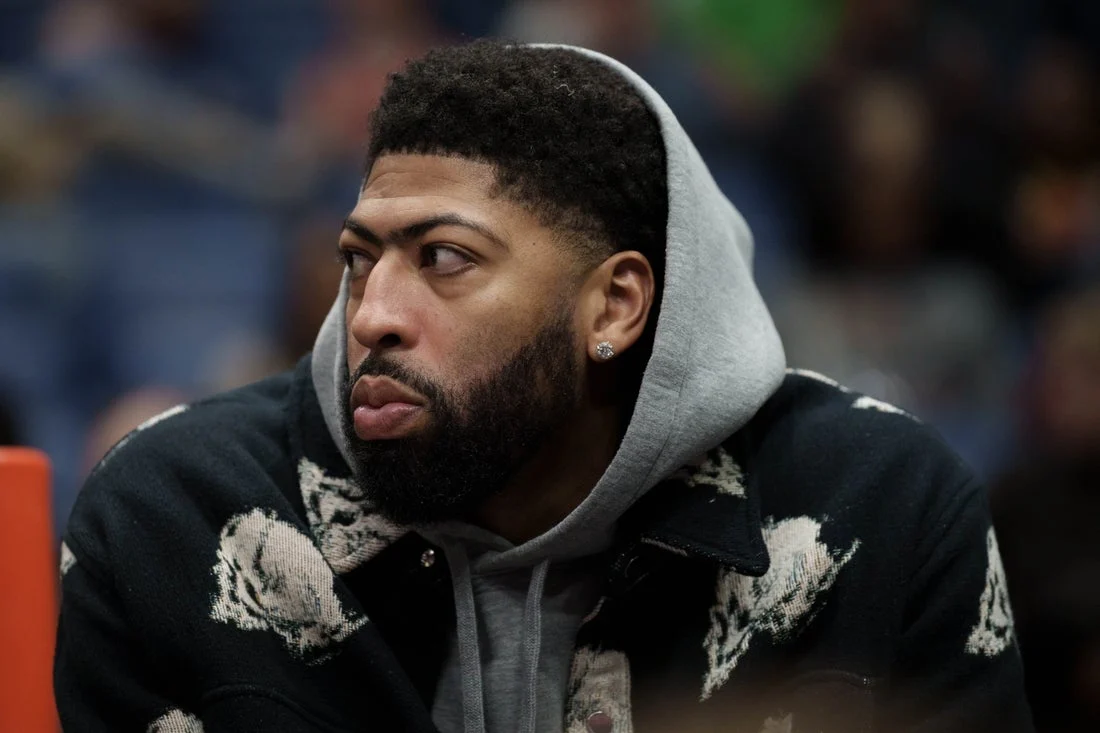
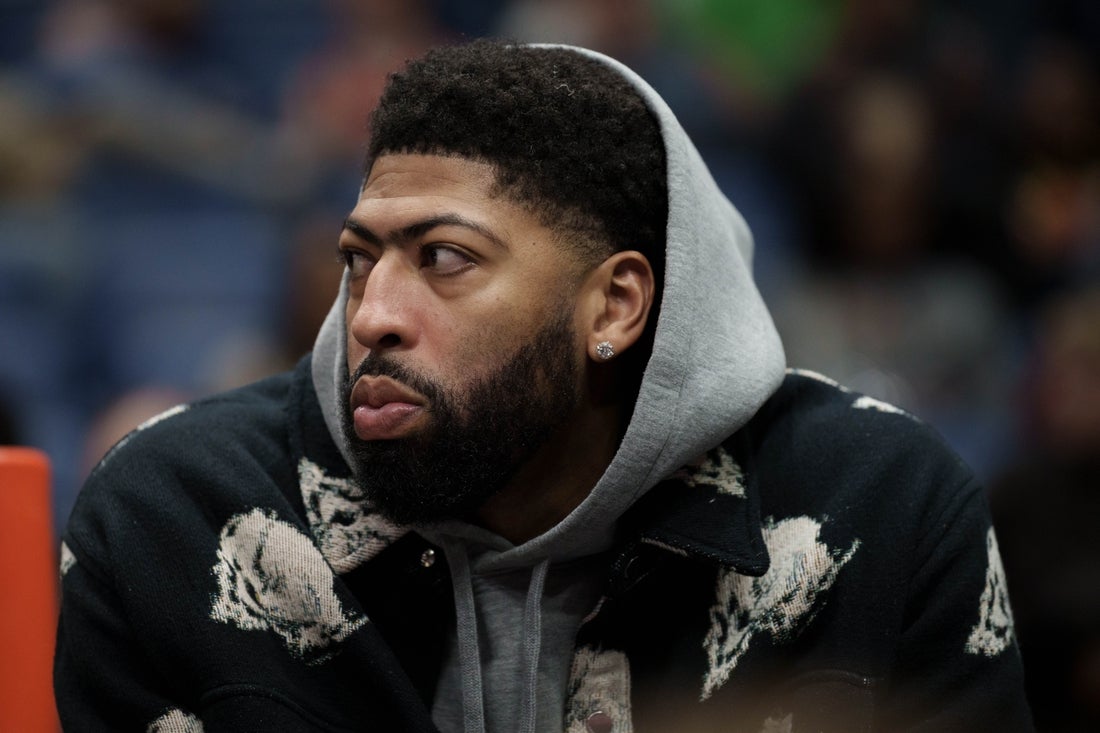
The Washington Wizards’ highly anticipated unveiling of their star acquisition, Anthony Davis, has been postponed once more. Davis, who was traded to the Wizards on February 5th, continues to grapple with ligament damage in his left hand, forcing him to miss an extended period since his arrival in the nation’s capital. The team announced on Friday that the veteran forward/center requires additional time to heal, dashing hopes of an imminent return to the hardwood.
Continued Medical Evaluation and Treatment Plan
The decision to further delay Davis’s debut comes after a recent re-evaluation on Thursday by Dr. Steven Shin of Los Angeles’ Cedars-Sinai Medical Center. While Dr. Shin noted "positive progress" in Davis’s recovery, the critical volar plate tissue in his left hand has not yet reached a state of full healing. Consequently, the Wizards organization has outlined a path forward centered on "conservative treatment and advance his basketball activity as tolerated." This measured approach underscores the team’s commitment to ensuring Davis’s long-term health and effectiveness, rather than rushing him back prematurely. The franchise confirmed that Davis will undergo another evaluation at the conclusion of March, at which point a clearer picture of his return timeline is expected to emerge.
A Season of Setbacks and Speculation
This latest setback continues a challenging season for the 33-year-old Davis, who has been sidelined since January 8th while a member of the Dallas Mavericks. The circumstances surrounding his current injury and subsequent trade have fueled considerable speculation within NBA circles, with many observers already questioning whether Davis will be able to return to play at all during the current season. His limited participation this year, a stark contrast to his typically robust statistical output, has undoubtedly contributed to this sentiment.
Statistical Overview and Career Trajectory
Prior to his trade to the Wizards, Davis appeared in a mere 20 games for the Dallas Mavericks during the 2025-26 season. In those limited appearances, he showcased glimpses of his enduring talent, averaging an impressive 20.4 points, 11.1 rebounds, 2.8 assists, and 1.7 blocks per contest. These numbers, while indicative of his skill, fall short of his career averages, which stand at a formidable 24.0 points and 10.7 rebounds across 807 games (800 starts) over 14 seasons. His storied career has seen him don the uniforms of the New Orleans Hornets/Pelicans (2012-19), the Los Angeles Lakers (2019-25), and most recently, the Dallas Mavericks (2025-26).
A ten-time All-Star, Davis was the central figure in a blockbuster trade that reshaped the NBA landscape in February 2025. In that monumental deal, he was sent from the Los Angeles Lakers to the Dallas Mavericks, with Mavericks’ superstar Luka Doncic heading in the opposite direction. This trade was envisioned as a pivotal move for both franchises, aiming to bolster their respective rosters for immediate contention. However, for Davis, his tenure with the Mavericks was significantly hampered by injuries, limiting him to just nine games in the preceding season due to various ailments.
The Impact of the Trade and Player Movement
The acquisition of Anthony Davis by the Washington Wizards represented a significant strategic move, signaling the franchise’s intent to retool and compete in a competitive Eastern Conference. The February 5th trade, which saw a considerable package of players and draft compensation head to Dallas, was met with considerable fanfare and raised expectations for the Wizards’ immediate future. The team’s fan base had eagerly anticipated seeing Davis, a perennial All-Star and former champion, integrate into their lineup and provide a much-needed offensive and defensive anchor.
However, the reality of player movement in the modern NBA is often a complex interplay of ambition, team strategy, and the unpredictable nature of player health. Trades of this magnitude, while exciting, carry inherent risks, particularly when involving players with a history of injuries or those nearing the twilight of their careers. The Wizards, in acquiring Davis, likely factored in his past performance and potential, but also understood the inherent challenges that come with integrating a player of his caliber, especially one with a recent history of physical issues.
Broader Implications for the Wizards and the League
Davis’s prolonged absence casts a shadow over the Wizards’ current season. Without their marquee acquisition on the court, the team’s ability to achieve its stated objectives for the year is significantly compromised. This situation also presents a challenge for the coaching staff, who must continue to develop and execute strategies without their intended centerpiece. The team’s performance in the coming weeks will be a crucial indicator of their depth and resilience, and their ability to adapt to adversity.
For the league at large, the ongoing saga of Anthony Davis’s health serves as a stark reminder of the fragility of star power and the impact of injuries on team dynamics and fan engagement. The anticipation surrounding his debut was palpable, and his continued absence creates a void in the narrative of the current NBA season. The Wizards’ investment in Davis was clearly made with the expectation of immediate impact, and this delay undoubtedly alters their immediate trajectory and potentially their long-term planning.
The fact that Davis was cleared to begin limited individual on-court basketball activities on March 5th suggests a gradual progression in his recovery. However, the re-emergence of the volar plate issue indicates that the healing process is more nuanced than initially anticipated. This highlights the complexities of managing soft tissue injuries, which can be notoriously difficult to predict and treat.
The Wizards will now look to the remainder of March and the subsequent re-evaluation to determine the next steps. The team’s management will undoubtedly be in close communication with Davis and his medical team, aiming to strike a delicate balance between player welfare and the competitive demands of the NBA season. The coming weeks will be critical in shaping the remainder of the Wizards’ 2025-26 campaign and in determining the future outlook for Anthony Davis in Washington. The anticipation for his debut remains, but it is now tempered by a renewed understanding of the challenges that lie ahead in his recovery.


 Yuyun Lusiyani
 Joko Widodo
 Eva Lovia
 Pevita Pearce
 admin
admin
 Lina Irawan