
 Jia Lissa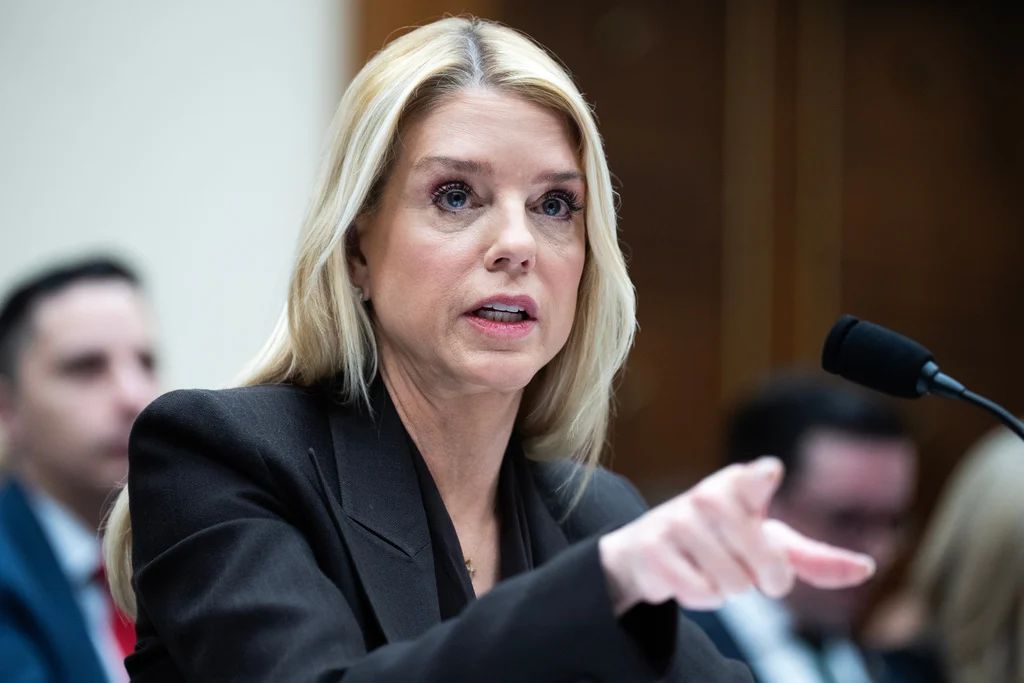
The administration of Stetson University College of Law is facing an escalating crisis as a coalition of more than 500 alumni, including former judges and public officials, has formally threatened to withhold all financial contributions to the institution. The move comes in response to the school’s refusal to publicly denounce the conduct of one of its most prominent graduates, United States Attorney General Pam Bondi. The controversy centers on Bondi’s oversight of the release of the Jeffrey Epstein files and her recent performance during a contentious congressional hearing, which critics across the political spectrum have described as a failure of transparency and professional ethics.
The "wallet strike," as organizers have termed it, represents a significant rupture between the Florida-based law school and a substantial portion of its donor base. The alumni contend that Bondi’s actions in the nation’s highest law enforcement office have brought "embarrassment and dismay" to the Stetson community, directly contradicting the ethical standards the school purports to instill in its students.
The Legislative Mandate and the Department of Justice’s Failure
The roots of the current conflict lie in the protracted legal and political battle over the records of deceased child sex predator Jeffrey Epstein and his accomplice, Ghislaine Maxwell. In November, following intense pressure from both parties, President Donald Trump signed into law a mandate requiring the Department of Justice (DOJ) to release millions of documents, photographs, and videos related to the Epstein investigation. The law established a firm deadline of December 19 for the disclosure, with strictly limited provisions for redactions, primarily intended to protect the identities of victims.
However, under Attorney General Bondi’s leadership, the DOJ failed to meet the statutory deadline. When documents finally began to emerge in subsequent waves, the release was marred by significant procedural failures. Independent analyses and congressional inquiries revealed that the DOJ had inadvertently released the names of at least 43 victims and, in some instances, included nude images that should have been redacted under the law’s privacy protections.
Furthermore, investigative reports highlighted discrepancies in the volume of the release. While Bondi claimed that the DOJ had fulfilled its obligations, subsequent findings suggested that only a fraction of the total cache—estimated at over 3.5 million documents—had been made public. Discrepancies included 53 missing pages regarding Donald Trump’s associations with Epstein, as identified by NPR, and the removal of files detailing communications with other high-profile figures, including Elon Musk and Bill Clinton.
The February Congressional Hearing: A "Fiasco" in the Spotlight
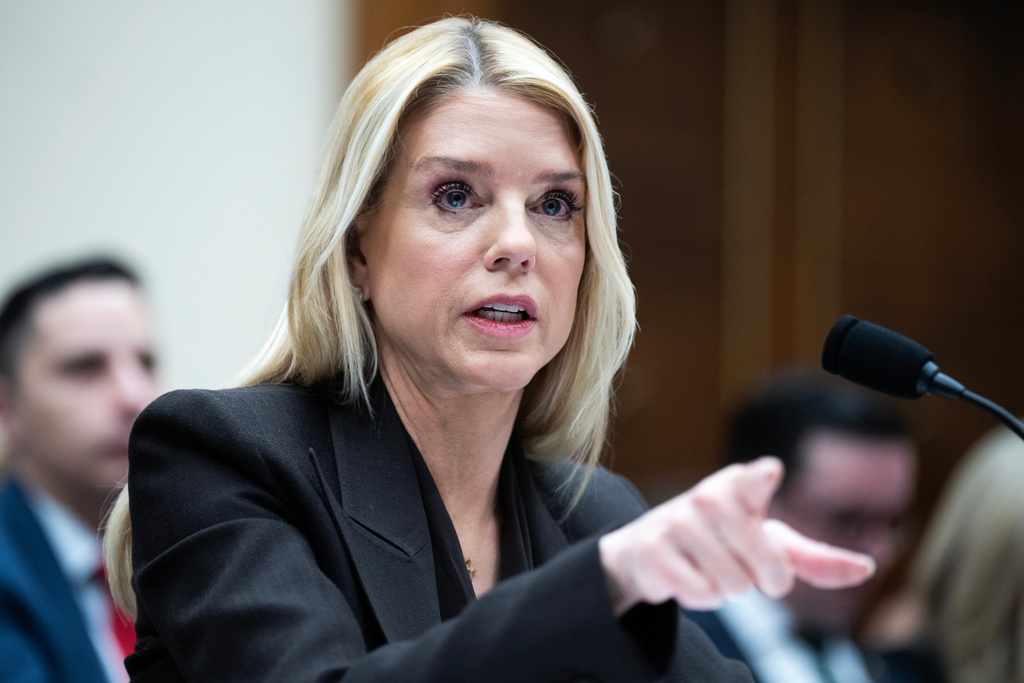
The tension reached a breaking point during a February hearing before the House Judiciary Committee. Attorney General Bondi’s testimony, intended to clarify the DOJ’s handling of the Epstein files, instead triggered a bipartisan backlash. While Democrats accused her of a deliberate cover-up to protect political allies, conservative lawmakers expressed outrage over the DOJ’s failure to protect the privacy of survivors.
Representative Thomas Massie, a Republican, was among the most vocal critics, berating Bondi for the redaction failures that exposed victims’ identities, calling it "the worst thing you could do." On the other side of the aisle, Representative Jamie Raskin accused Bondi of engaging in a "cover-up" regarding the missing pages and the slow pace of the document dump. The hearing was punctuated by a dramatic walkout by Democratic members of the House Oversight Committee, who accused Bondi of "stonewalling" and failing to comply with valid congressional subpoenas.
Legal analysts and media commentators widely panned the performance. CNN’s Elie Honig described the hearing as a "fiasco," noting that Bondi’s reliance on deflections and her refusal to provide substantive answers regarding the review process undermined the credibility of the Department of Justice.
The Alumni Revolt: From Letter to Boycott
For the alumni of Stetson Law, the spectacle in Washington was a call to action. Johnny Bardine, a 2006 Stetson graduate and family law attorney in Pinellas Park, authored an open letter to the school’s dean and board of trustees. Initially signed by nearly 400 individuals, the number of signatories grew to over 500 within weeks. The list includes three former state judges and a former county commissioner, signaling that the discontent is not limited to young activists but extends to established members of the Florida legal community.
The letter expresses "grave concern" about Bondi’s conduct, stating that while having a graduate reach the office of Attorney General should be a source of pride, Bondi’s tenure has instead become a source of "profound embarrassment." The signatories argue that Bondi’s testimony and the DOJ’s handling of the Epstein files are "inconsistent with the standards of truthfulness and honor that form the bedrock of our profession."
The alumni specifically cited the Florida Bar Rules and the Oath of Attorney, which all Florida lawyers must take, emphasizing the duty to maintain the "respect due to courts of justice and judicial officers" and to never "mislead the judge or jury by any artifice or false statement of fact or law."
"When I watched her testimony, I was embarrassed," Bardine told the Tampa Bay Times. "I felt I had to do something. I don’t subscribe to what she has been doing. It’s not what I was taught."
Failed Negotiations and the "Wallet Strike"
Following the delivery of the letter, Bardine and a small delegation of alumni met with the Dean of Stetson Law and other senior administrators. The alumni presented three primary demands:
- A public statement from the college reaffirming its commitment to ethical legal practice and the rule of law.
- A formal expression of disapproval regarding Bondi’s actions.
- Support for congressional oversight efforts, including potential impeachment proceedings if warranted by the findings of the Epstein file investigation.
The meeting, however, ended in a deadlock. While the administration reportedly acknowledged the concerns, it declined to issue a specific denunciation of Bondi, citing a desire to remain neutral in political matters. This response was rejected by the alumni group, who argue that the issue is one of professional ethics rather than partisan politics.
In response to the administration’s perceived inaction, attorney Rachael Reese and other organizers launched a coordinated boycott of the school’s fundraising efforts. "We reached out to as many alumni as we could, and we kind of began a strike, if you will, of closing all of our wallets," Reese stated. The organizers believe that financial pressure is the only remaining lever to force the institution to uphold its stated values.
Institutional History and the Irony of the 2013 Commencement
The conflict is particularly poignant given Bondi’s long-standing relationship with Stetson. Born in Tampa, Bondi earned her Juris Doctor from the Gulfport-based school in 1990. As one of its most famous alumnae, she was invited to deliver the commencement address in 2013 while serving as Florida’s Attorney General.
During that speech, Bondi offered advice to the graduating class that her critics now use against her. "As a young prosecutor, I was taught two very simple things," Bondi said in 2013. "Number one, do the right thing. Second, it’s not what you do, it’s what you do next. You’re all going to make mistakes at some point in your career, but it’s how you handle those mistakes that matters."
Alumni leaders point to these words as an indictment of her current conduct. They argue that by failing to "do the right thing" regarding the Epstein disclosures and failing to take accountability for the "mistakes" made by the DOJ, Bondi has abandoned the very principles she once championed at her alma mater.
Broader Implications for Legal Education and Accountability
The situation at Stetson Law reflects a broader national debate over the role of academic institutions in holding their prominent alumni accountable. In recent years, several law schools have faced similar pressure to distance themselves from graduates involved in high-profile political or legal controversies.
For Stetson, the stakes are both reputational and financial. As Florida’s oldest law school, founded in 1900, it prides itself on a legacy of trial advocacy and ethics. A sustained boycott by more than 500 alumni could impact the school’s rankings, its ability to fund scholarships, and its relationship with the Florida Bar.
Furthermore, the "wallet strike" underscores the growing influence of organized alumni networks in demanding institutional transparency. By framing their protest around the "Oath of Attorney" rather than political ideology, the Stetson graduates are attempting to establish a precedent where legal professionals are held to a standard that transcends their political appointments.
As the House Judiciary and Oversight Committees continue their investigation into the Epstein files, the pressure on both Bondi and Stetson Law is unlikely to abate. The alumni have indicated that their "strike" will remain in effect until the college takes a definitive stand, leaving the administration in a precarious position between a powerful alumna in the federal government and a significant portion of its own professional community.



 Yuyun Lusiyani
 Joko Widodo
 Pevita Pearce
 admin
admin
