
 Lina Irawan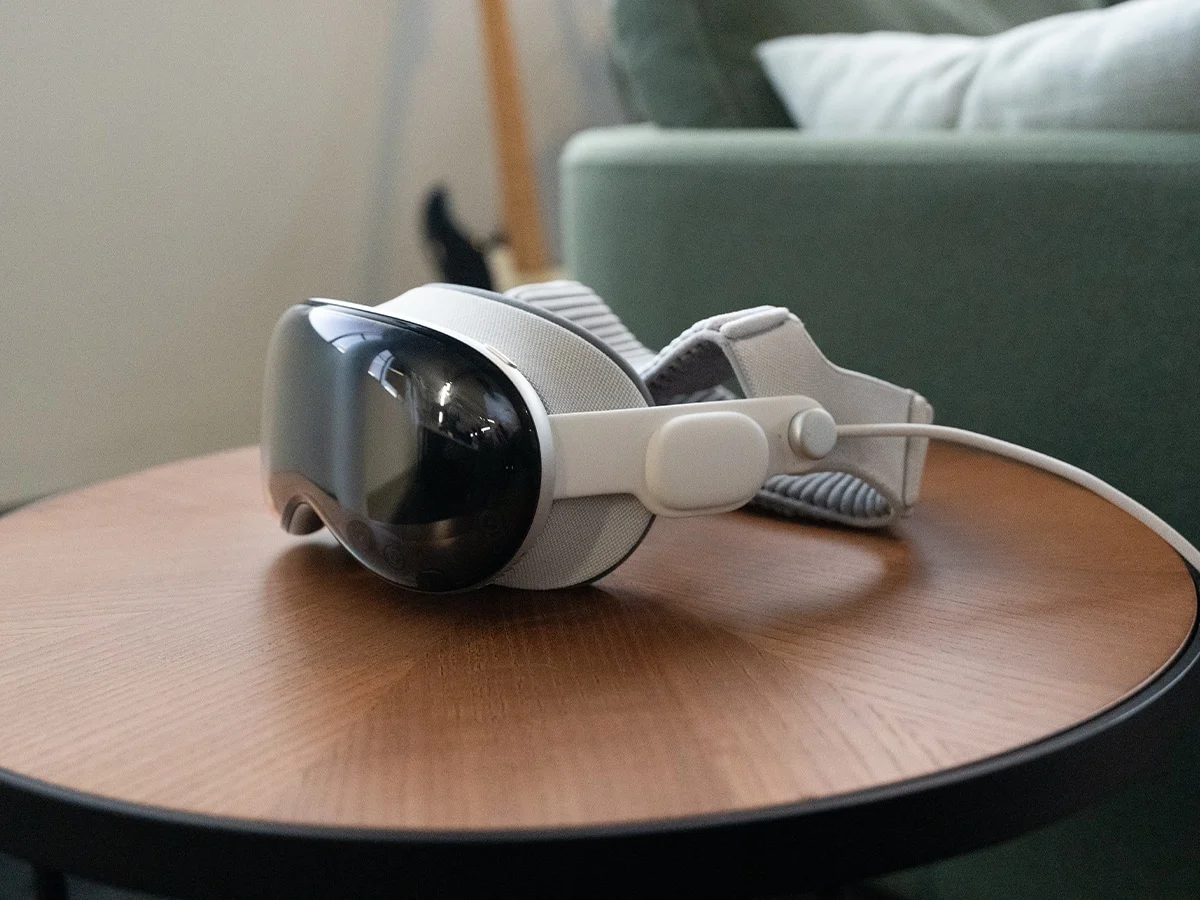
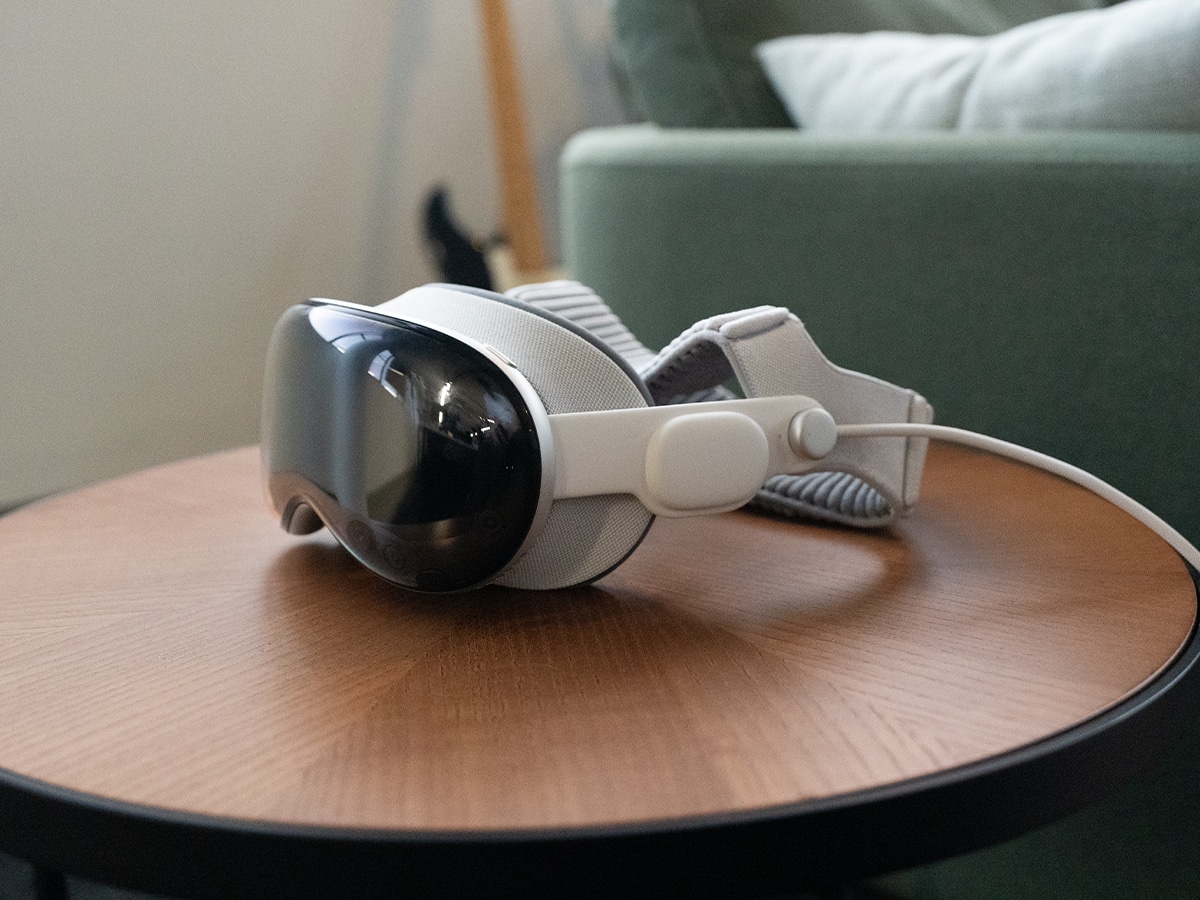
The release of the Apple Vision Pro with the M5 processor marks a significant milestone in the evolution of spatial computing, signaling Apple’s commitment to refining a product category that remains in its nascent stages. While the original iteration introduced the world to visionOS and the concept of "infinite canvas" computing, the M5 refresh addresses critical performance bottlenecks and ergonomic concerns. Priced at a premium AUD $5,999, the device continues to occupy a unique space between a high-end professional workstation and a luxury entertainment system. As the industry watches closely, the M5 update serves as a barometer for the viability of high-fidelity mixed reality in a market currently dominated by lower-cost, consumer-oriented headsets.
The Chronology of Apple’s Spatial Computing Ambitions
Apple’s journey into spatial computing did not begin with the Vision Pro’s launch but was the result of over a decade of research into augmented reality (AR) and virtual reality (VR). The groundwork was laid with the introduction of ARKit in 2017, which allowed developers to experiment with spatial tracking on iPhones and iPads. However, the hardware required to deliver a seamless "pass-through" experience—where digital objects appear indistinguishable from the physical world—required the development of custom silicon.
The first-generation Vision Pro, equipped with the M2 chip, was unveiled at WWDC 2023. While praised for its display quality, it faced criticism regarding its weight and the lack of native applications from major developers. The transition to the M5 architecture, occurring relatively quickly in the product’s lifecycle, reflects Apple’s strategy to maintain parity with its latest iPad Pro and MacBook Pro lineups. This hardware cadence suggests that visionOS is being positioned as a primary platform alongside macOS and iOS, rather than a secondary accessory.

Technical Specifications and the M5 Performance Leap
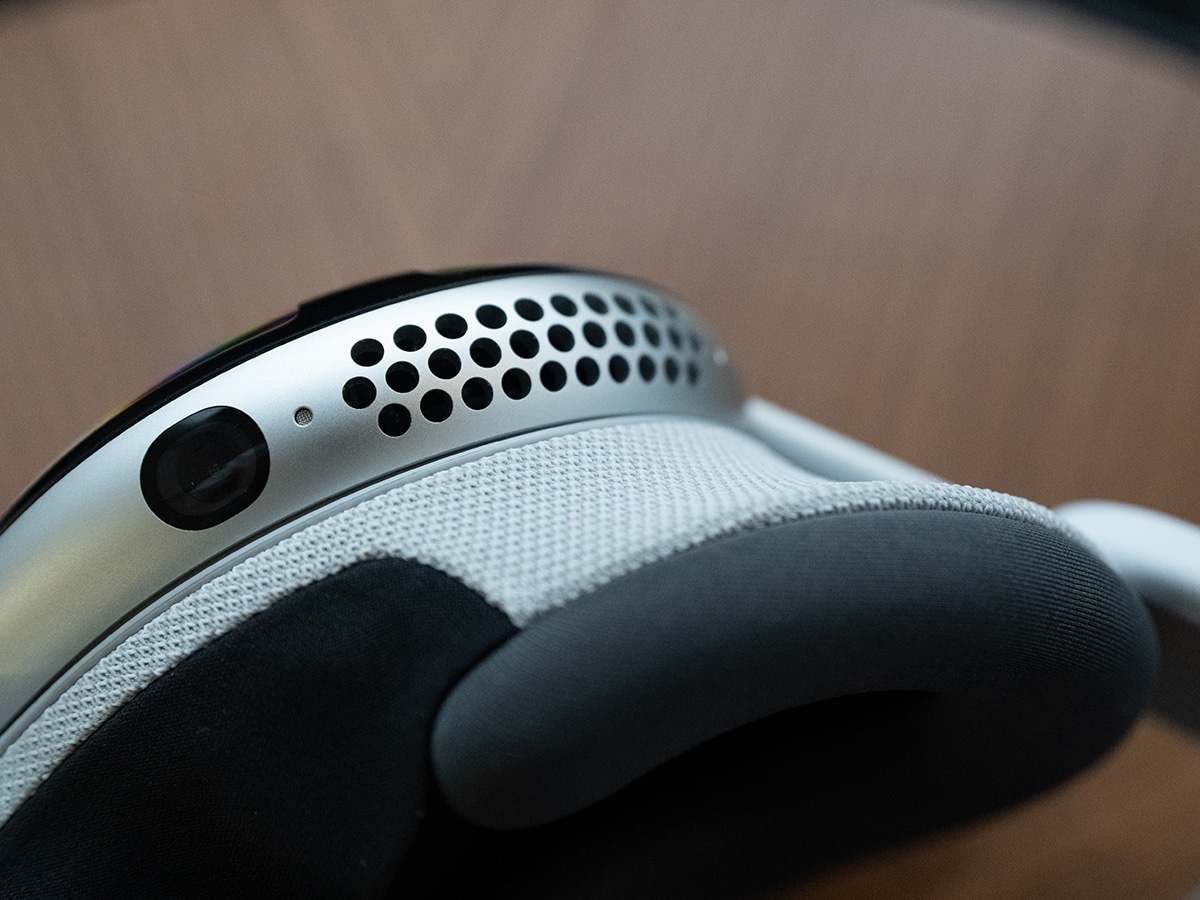
The core of the updated Vision Pro is the M5 system-on-chip (SoC), a powerhouse featuring a 10-core CPU, a 10-core GPU, and a 16-core Neural Engine. This architecture provides 153 GB/s of memory bandwidth, a critical component for handling the massive data throughput required by the device’s dual Micro-OLED displays. These displays pack 23 million pixels—roughly the equivalent of a 4K television for each eye—into a space the size of a postage stamp.
One of the most notable technical advancements in the M5 model is the introduction of a 120Hz refresh rate. In the realm of spatial computing, refresh rates are not merely about visual fluidness; they are essential for reducing motion sickness. By increasing the frequency at which the display updates, Apple has significantly minimized the "judder" that can occur during rapid head movements.
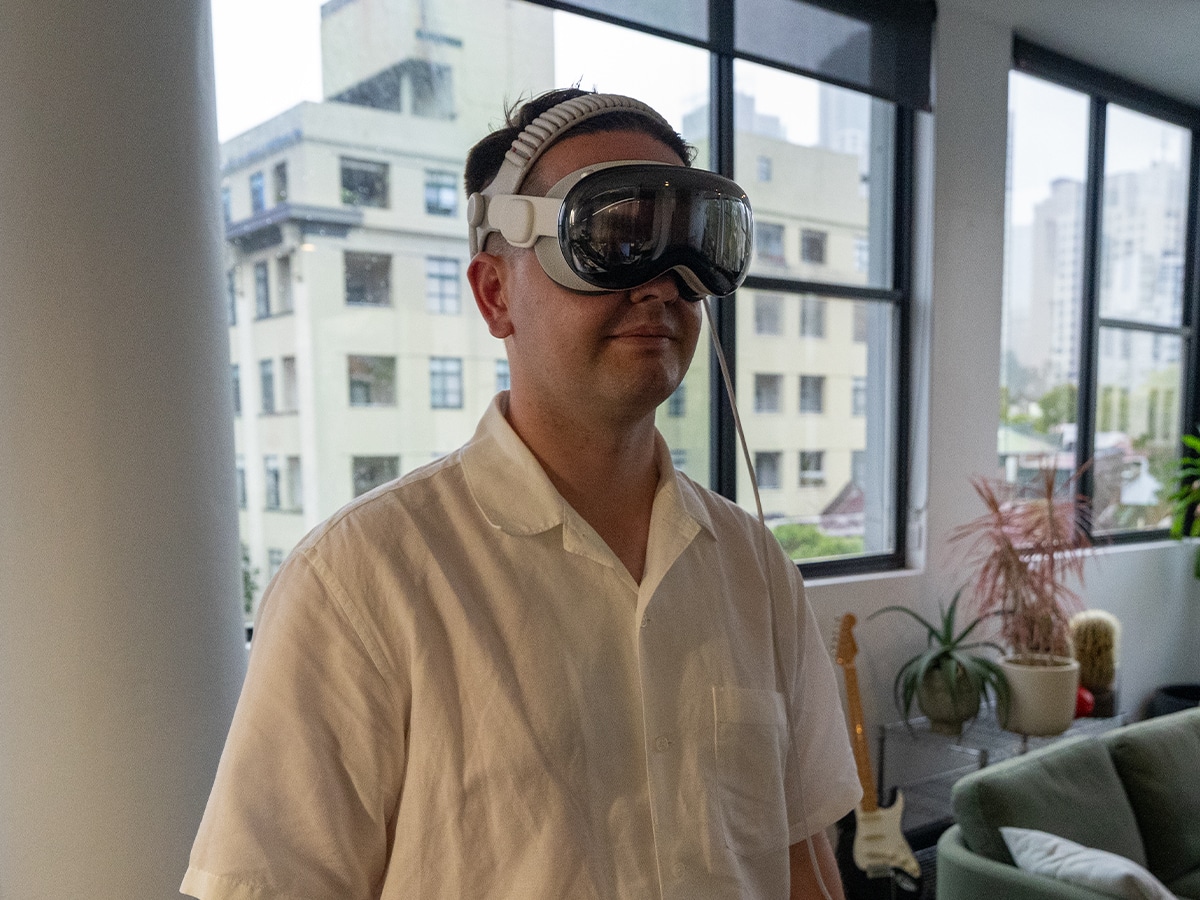
Working in tandem with the M5 is the R1 co-processor, specifically designed to handle sensor input. The R1 processes data from 12 cameras, five sensors, and six microphones to ensure that the "photon-to-photon" latency—the time it takes for the cameras to capture the world and project it onto the internal displays—remains under 12 milliseconds. This near-instantaneous processing is what allows the user to interact with their environment without the lag typically associated with VR headsets.
Ergonomics and the Dual Knit Band Solution
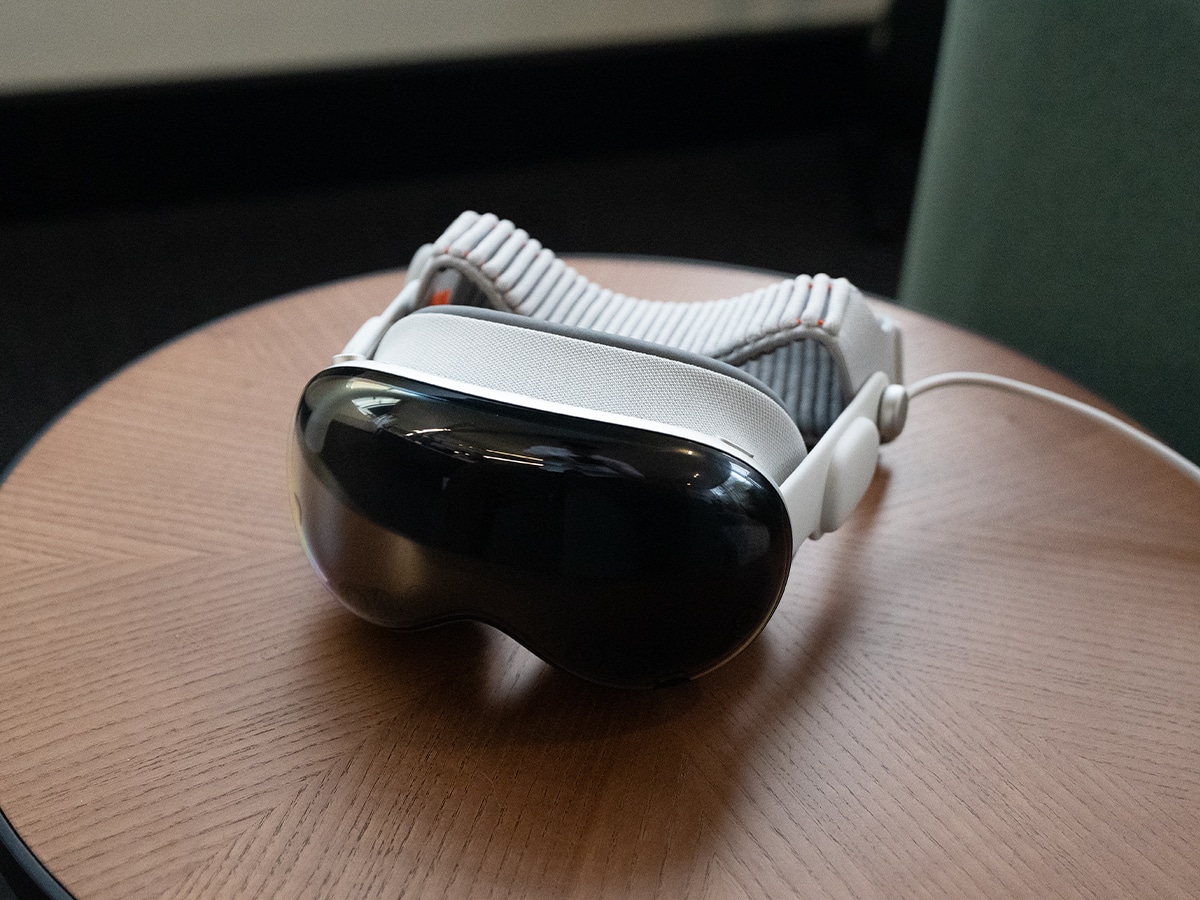
From its inception, the Vision Pro has faced challenges regarding its physical footprint. Weighing between 750 and 800 grams, the aluminum and glass chassis is significantly heavier than its competitors, such as the Meta Quest 3. Early adopters frequently reported "front-heavy" discomfort during sessions exceeding one hour.
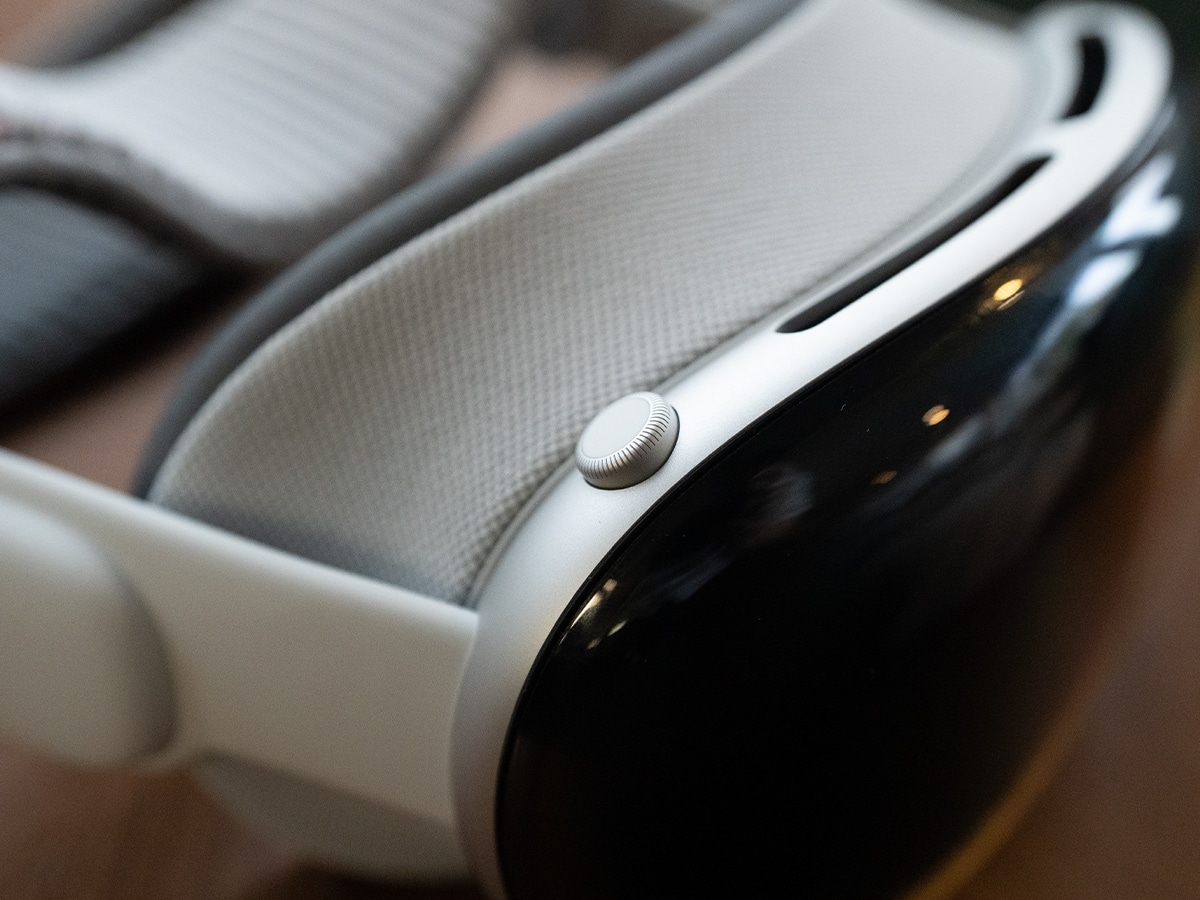
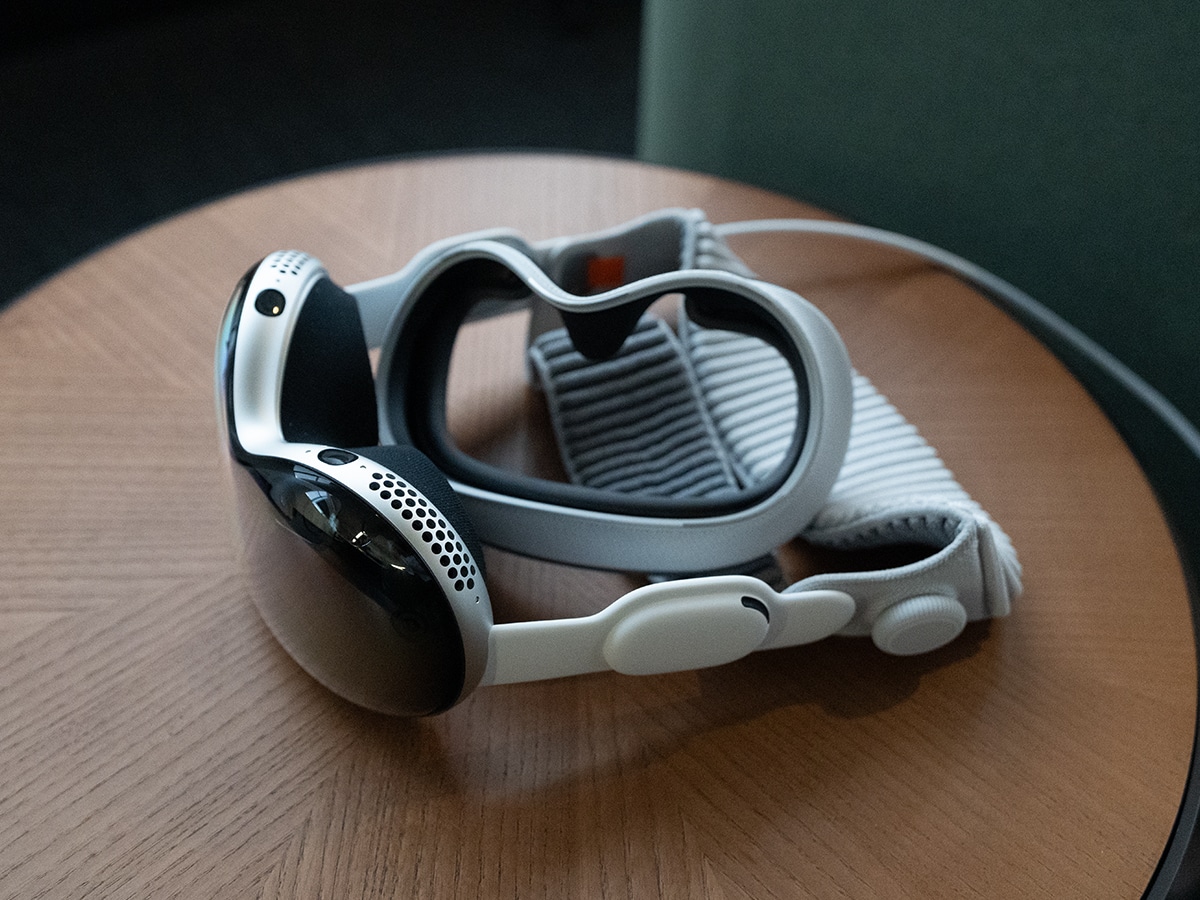
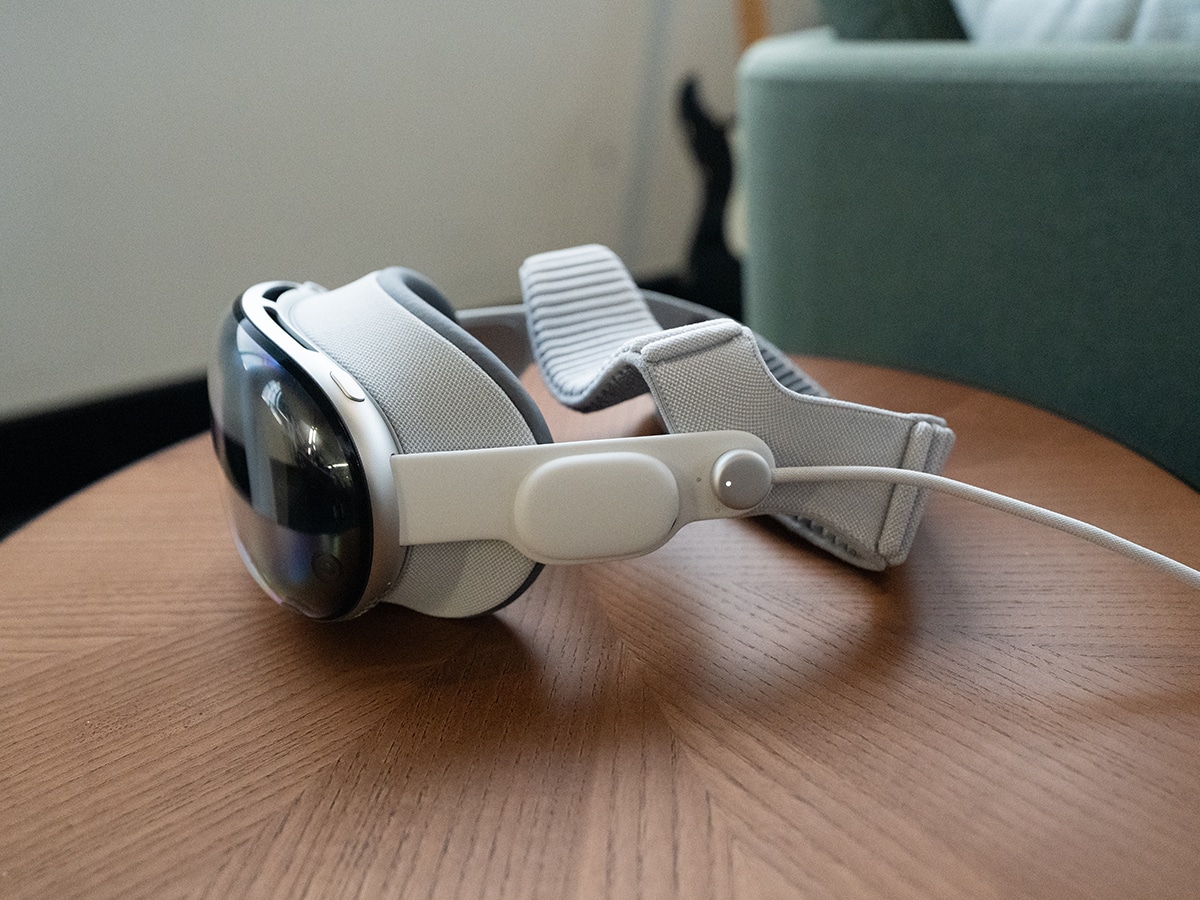
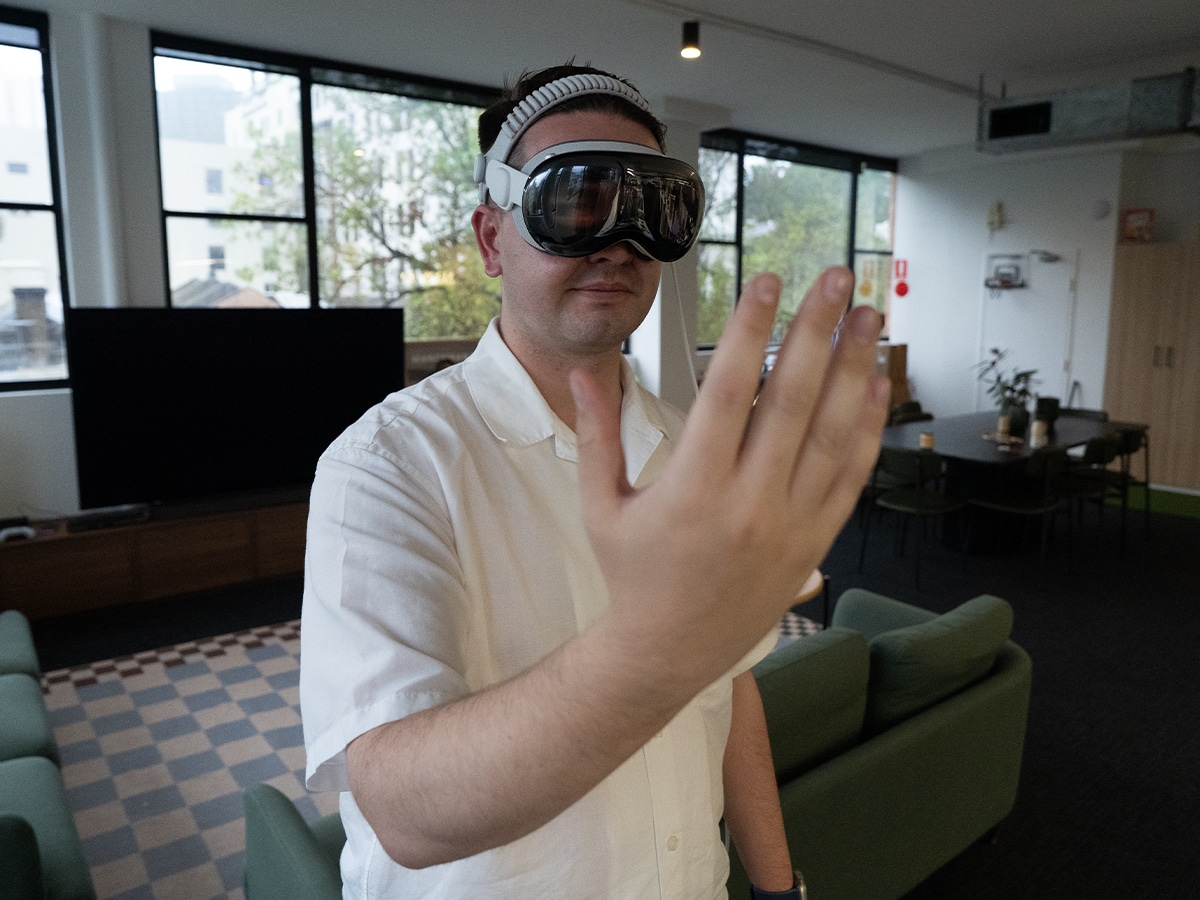
In response, Apple introduced the Dual Knit Band as a standard inclusion in the box. This new strap design features two wide, padded fabric sections that distribute the weight across the top and back of the head more effectively than the original Solo Knit Band. While the device remains heavy, the improved weight distribution has extended the comfortable usage window for professional tasks. However, the external battery pack remains a necessary compromise, tethered to the headset via a woven cable to keep the weight off the user’s face.
The Productivity Pivot: Mac Virtual Display
Market analysis suggests that the Vision Pro’s most compelling use case is currently professional productivity. The "Mac Virtual Display" feature allows users to wirelessly connect their MacBook to the headset. With the M5 update, this feature has been expanded to support a 32:9 curved ultrawide format, effectively replacing a dual 5K monitor setup.
For creative professionals, such as video editors and color graders, the Vision Pro offers a 92% DCI-P3 color gamut coverage. The micro-OLED pixels emit their own light, providing "true blacks" and a contrast ratio that rivals high-end reference monitors like the Pro Display XDR. Furthermore, visionOS features "intelligent passthrough" for peripherals; when a user looks at their physical Magic Keyboard or Trackpad, the headset creates a visual "cutout" in the virtual environment, allowing for tactile typing and navigation while remaining immersed in a digital workspace.
Content Ecosystem and the YouTube Milestone
A significant criticism of the initial Vision Pro launch was the "app gap"—the absence of native applications from dominant platforms like Netflix, Chrome, and YouTube. For months, users were forced to access these services through the Safari browser, which lacked the spatial optimizations of a native app.
The recent arrival of a native YouTube application for visionOS represents a shift in developer sentiment. The app supports 360-degree immersive videos, allowing users to experience virtual travel and educational content in a fully wrapped environment. Additionally, Apple continues to expand its "Immersive Video" library, a proprietary format shot in 8K 3D at 180 degrees. These experiences, which include sporting events and nature documentaries, are designed to trigger a sense of "presence" that traditional 2D screens cannot replicate.
Despite these gains, the lack of a native Netflix app remains a point of contention for users seeking a dedicated "home cinema" experience. Apple’s reliance on its own TV+ service and Disney+ to showcase the device’s cinematic capabilities highlights the ongoing negotiations between hardware manufacturers and content providers in the spatial era.
Market Positioning and Economic Analysis
The AUD $5,999 starting price (reaching up to $6,899 for the 1TB model) firmly places the Vision Pro in the "prosumer" and enterprise category. For comparison, the Meta Quest 3 retails for approximately one-tenth of the price. However, Apple’s strategy appears to be less about immediate mass-market penetration and more about establishing a premium "halo" product that defines the technical ceiling of the category.
Data from supply chain analysts suggests that the high cost is largely driven by the Micro-OLED panels, which are currently expensive to manufacture at scale. By targeting the same demographic that purchases the Mac Studio or the Studio Display XDR, Apple is subsidizing the research and development necessary to eventually produce a "non-Pro" Vision headset for the general consumer.
Australian Pricing Structure:
- 256GB Model: AU$5,999
- 512GB Model: AU$6,349
- 1TB Model: AU$6,699
- ZEISS Optical Inserts (Readers): AU$149
- ZEISS Optical Inserts (Prescription): AU$229
Official Responses and Industry Impact
While Apple typically refrains from commenting on specific sales figures, CEO Tim Cook has described the Vision Pro as the "beginning of a new era." During recent earnings calls, Apple executives highlighted the device’s adoption in enterprise sectors, including surgical planning, aircraft maintenance, and architectural design.
Industry competitors have responded with a mix of imitation and divergence. Samsung and Google have announced a partnership to develop a competing XR platform, while Meta has shifted its focus toward "Meta AI" integration within its more affordable hardware. The presence of the Vision Pro has effectively validated the "pass-through" AR model, forcing the industry to move away from isolated VR experiences toward mixed-reality environments that keep the user connected to their physical surroundings.
Broader Implications and Future Outlook
The Apple Vision Pro M5 is a paradox: it is simultaneously the most advanced consumer electronics device ever made and a product that still feels like a public beta test for the future. Its limitations—the three-hour battery life, the social friction of wearing a headset in public, and the substantial price—are well-documented. Yet, its successes in display technology and silicon performance set a new benchmark for the industry.
As spatial computing matures, the success of the Vision Pro will likely be measured not by the number of units sold in 2024, but by how effectively it transitions from a "luxury Mac accessory" to a standalone computing platform. For now, it remains a specialized tool for the "bleeding edge" technophile and the high-level professional, offering a glimpse into a future where the boundary between the digital and physical worlds is permanently blurred. For the broader public, the M5 model is a signal that the technology is ready, even if the price point and social readiness are not yet there.


 Yuyun Lusiyani
 Joko Widodo
 Eva Lovia
 Pevita Pearce
 admin
admin