
 Lina Irawan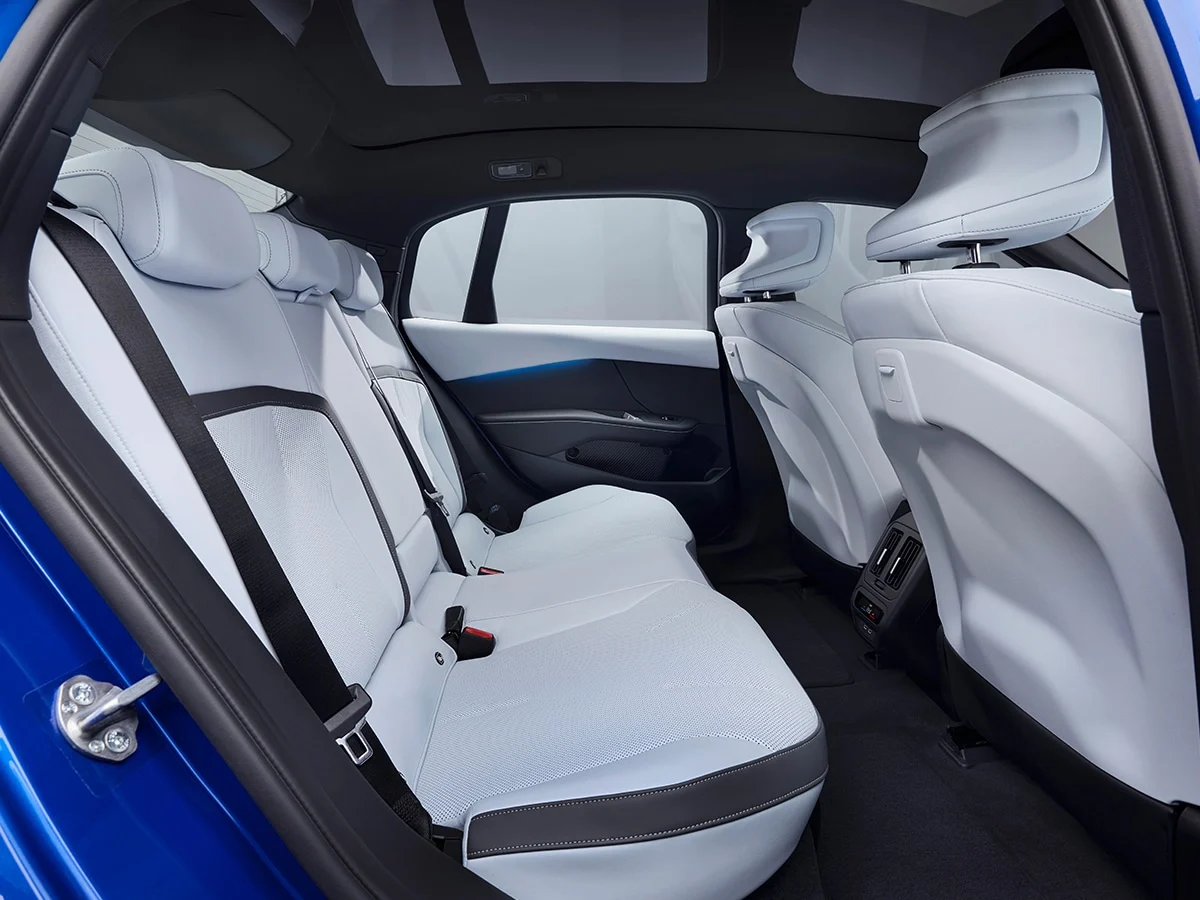
The global automotive landscape witnessed a significant shift this week as BMW Group officially pulled the silk off its highly anticipated fully electric 3 Series successor, the i3, during a world premiere event in Munich. This unveiling occurs at a transformative juncture for the electric vehicle (EV) sector, coming just two months after Tesla confirmed the discontinuation of its pioneering Model S in several markets. As the industry pivots toward more efficient, high-voltage architectures, the BMW i3 arrives not merely as a replacement for an existing model, but as the standard-bearer for the "Neue Klasse" (New Class)—a platform BMW executives describe as the most significant investment in the company’s century-long history.
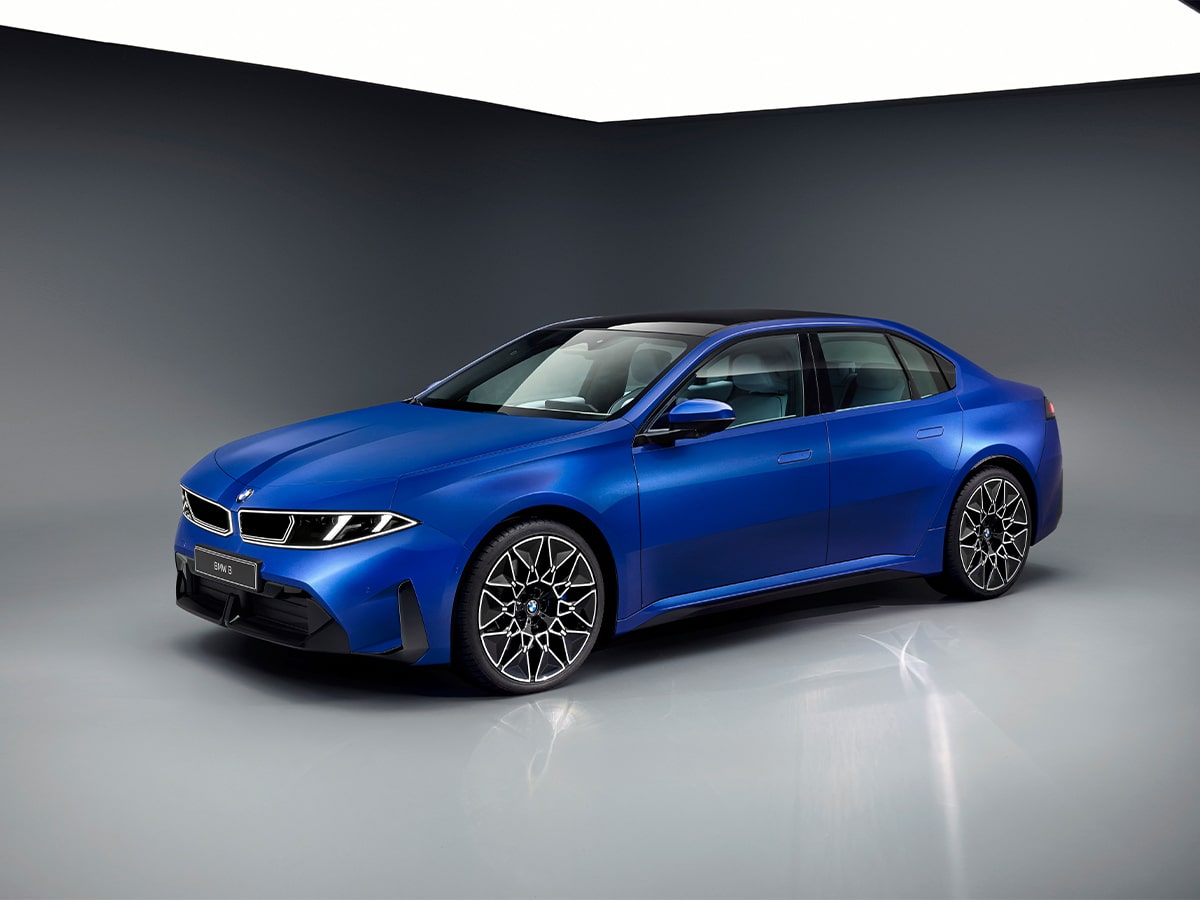
The Neue Klasse i3 is designed to address the primary barriers to EV adoption: range anxiety and charging duration. By achieving a certified driving range of up to 900 kilometres under the Worldwide Harmonised Light Vehicles Test Procedure (WLTP), BMW has established a new global benchmark for mass-production electric sedans. This range capability effectively allows for long-distance regional travel, such as the journey from Sydney to Melbourne or London to Berlin, with minimal interruption. The breakthrough is attributed to the integration of sixth-generation BMW eDrive technology, which utilizes a move from traditional prismatic battery cells to a new cylindrical cell format, enhancing energy density by an estimated 20 per cent.
A Technological Quantum Leap: The 800-Volt Architecture
The core of the i3’s competitive advantage lies beneath its skin. While many current electric vehicles operate on a 400-volt system, BMW has moved to an 800-volt electrical architecture. This upgrade is central to the vehicle’s performance and efficiency metrics. The high-voltage system allows for thinner wiring, reducing vehicle weight, and more importantly, enables unprecedented DC fast-charging speeds.

According to technical specifications released during the Munich premiere, the i3 supports DC fast charging at capacities of up to 400kW. Under optimal conditions, this allows the vehicle to recoup approximately 400 kilometres of range in just 10 minutes. This capability positions BMW ahead of many contemporary rivals, though it also highlights a growing disparity between vehicle technology and public infrastructure. In markets like Australia, where the majority of ultra-rapid chargers are currently capped at 350kW, the i3 is designed to "future-proof" the owner’s investment, ensuring the vehicle can utilize the next generation of charging hardware as it becomes available.
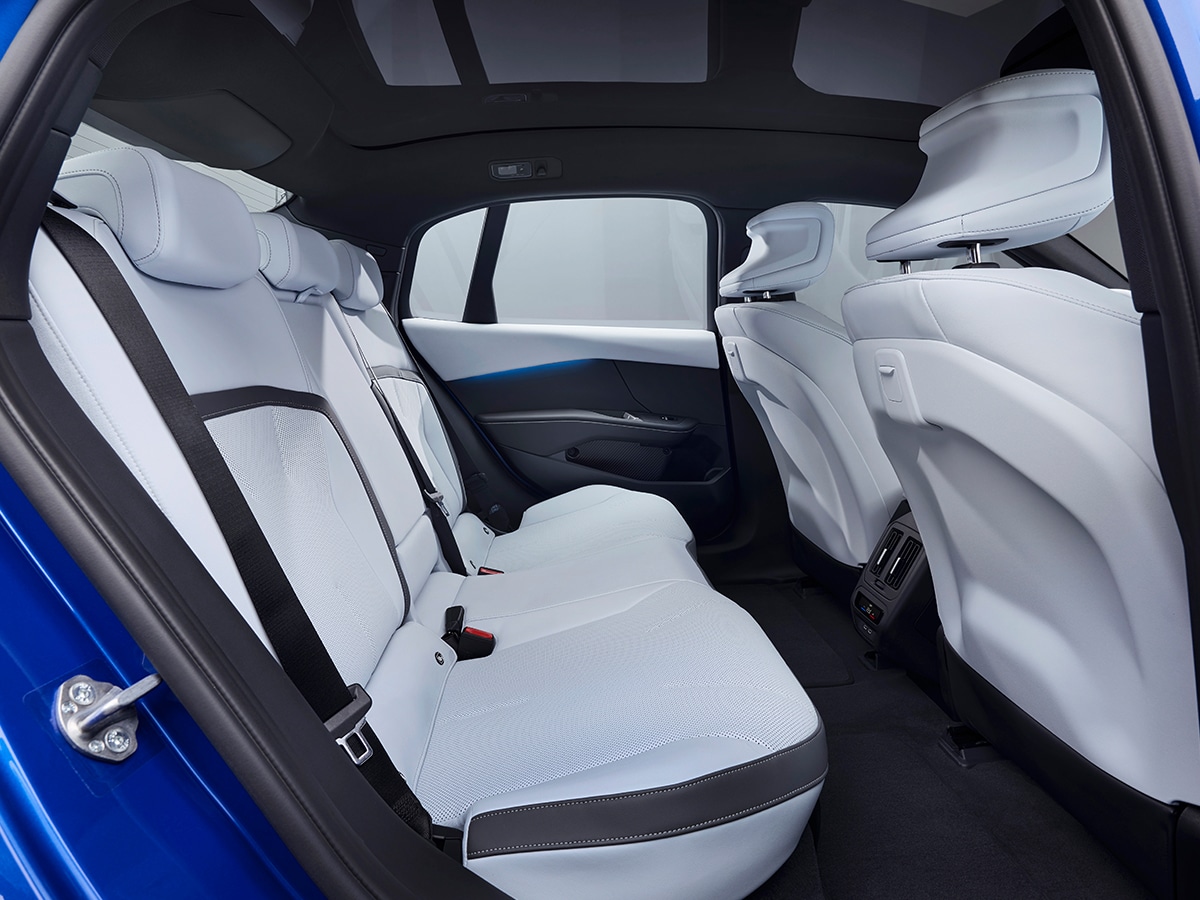
The battery design itself utilizes a "cell-to-pack" integration method. By removing the traditional module layer within the battery housing, BMW engineers have reclaimed internal space, allowing for a flatter floor and a lower centre of gravity. This design choice directly benefits both the vehicle’s aerodynamic profile and its interior cabin volume, solving the common EV packaging conflict where battery height often compromises passenger headroom.
Performance Metrics and Driving Dynamics
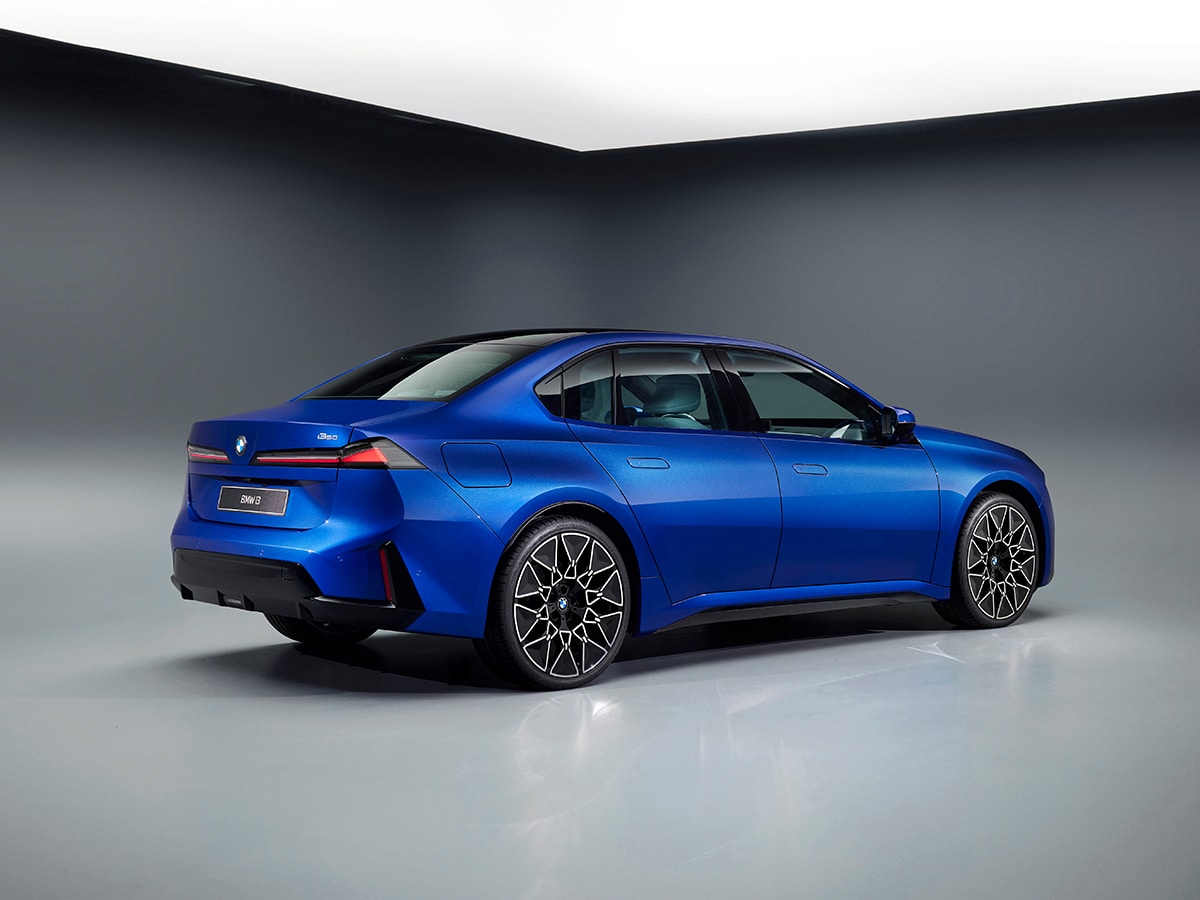
The launch variant, designated as the BMW i3 50 xDrive, features a sophisticated dual-motor powertrain. This system delivers a combined output of 345 kW (approximately 462 horsepower) and 645 Nm of torque. While some high-performance competitors focus purely on 0-100 km/h acceleration times, BMW has pivoted its engineering focus toward "usable performance" and efficiency.
Central to the driving experience is a new high-performance computer system internally referred to as the "Heart of Joy." This centralized processing unit integrates all driving dynamics and powertrain functions into a single stack, replacing the dozens of individual electronic control units (ECUs) found in previous generations. BMW claims this results in more precise torque vectoring and a more cohesive "hallmark BMW" driving feel, despite the added weight of the battery pack.
The xDrive all-wheel-drive system has been recalibrated to provide a rear-biased power delivery, maintaining the brand’s sporting heritage. Furthermore, the regenerative braking system has been optimized to offer a seamless transition between mechanical friction braking and motor-based deceleration, a common point of criticism in early-generation luxury EVs.
Interior Revolution: The Panoramic iDrive and OS X
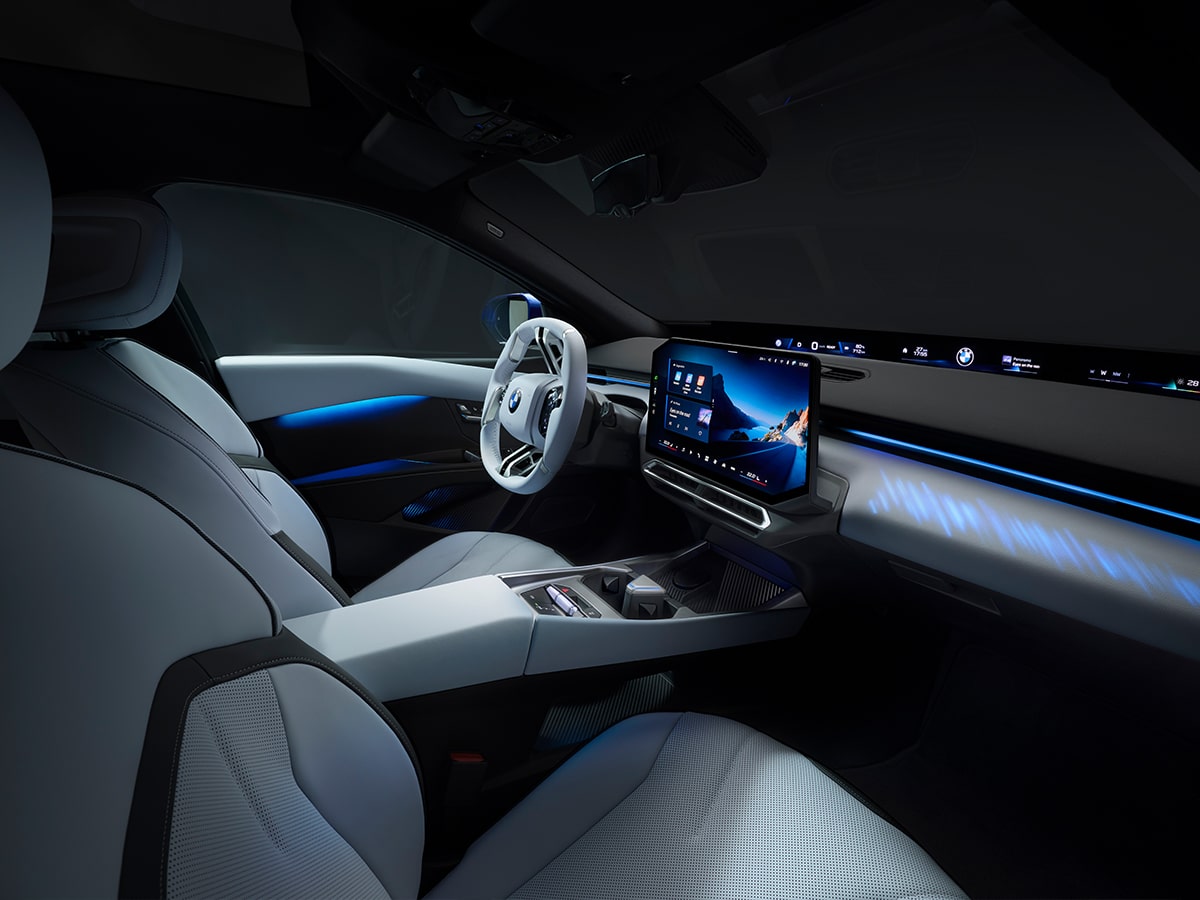
The interior of the i3 represents a total departure from the cockpit designs of the past decade. The traditional instrument cluster behind the steering wheel has been replaced by the "BMW Panoramic iDrive." This 43.3-inch ultra-wide display spans the base of the windshield, projecting vital information into the driver’s direct line of sight using a high-resolution, high-contrast interface.
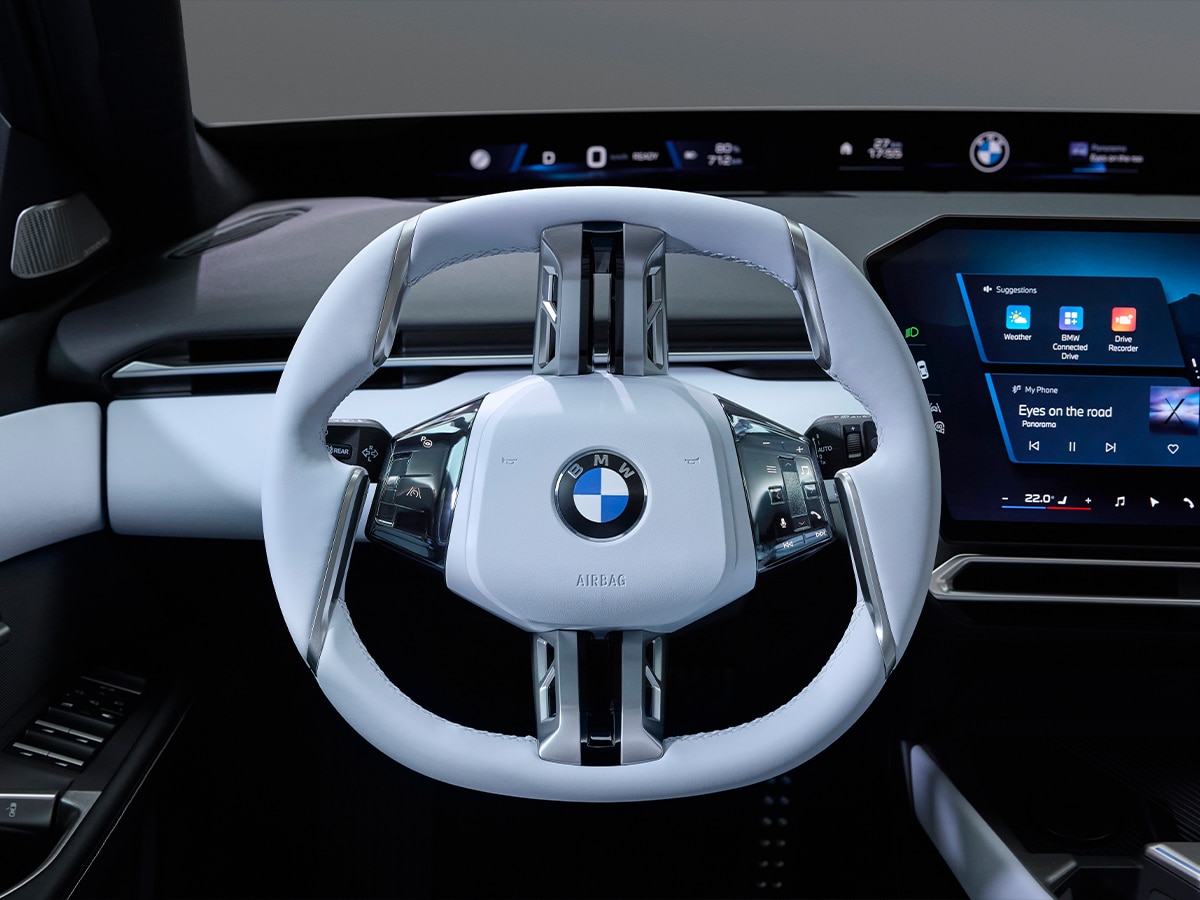
Complementing the panoramic display is a 17.9-inch central touchscreen running the new "Operating System X." This system is designed around a zero-layer interface, meaning most essential functions are accessible without navigating through sub-menus. The software environment includes integrated support for Zoom video conferencing, AirConsole gaming for use during charging stops, and native Spotify integration.
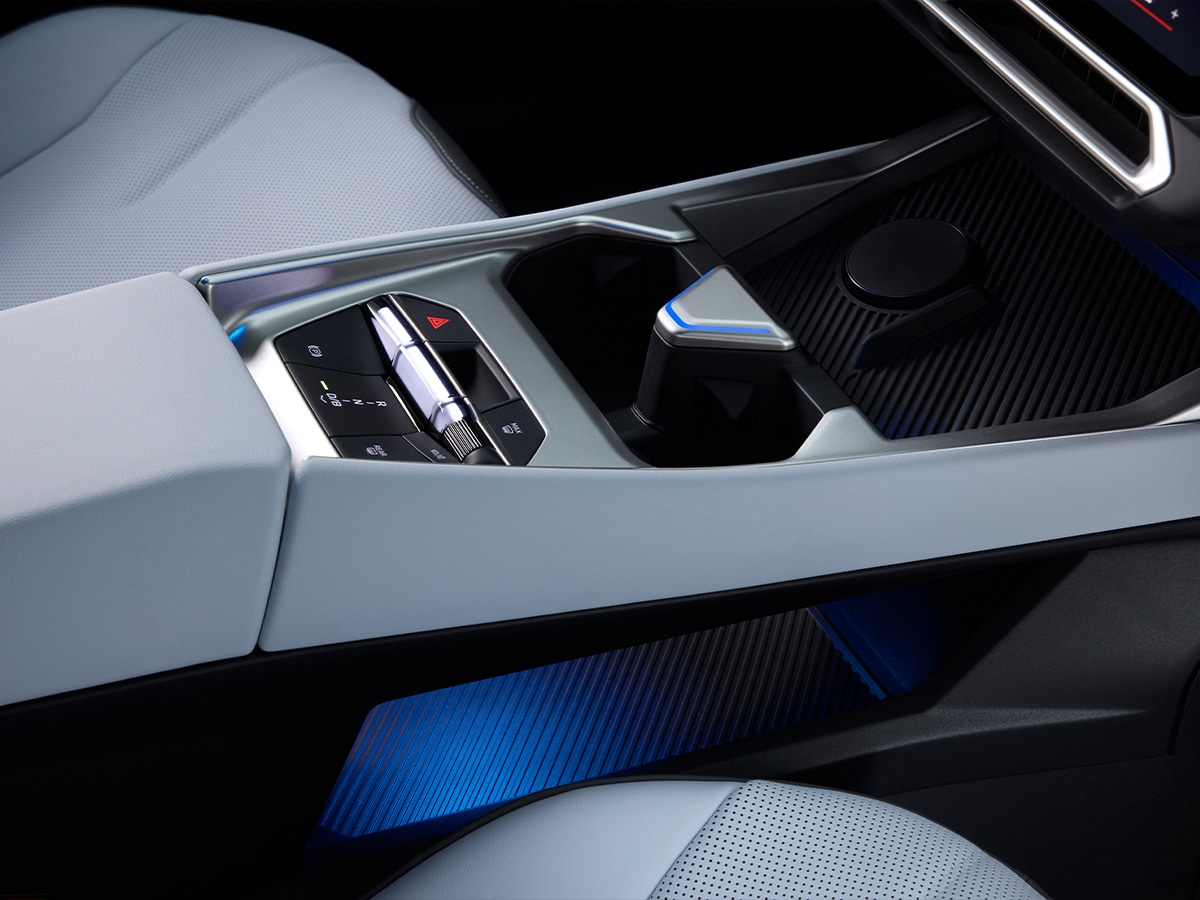
A notable inclusion is the "Shy Tech" control philosophy. Touch-sensitive surfaces on the steering wheel and centre console remain dark and inconspicuous until they are required, at which point backlighting reveals the controls. This minimalist approach extends to the optional "Digital White" interior, where ambient lighting is projected through the dashboard fabric, creating a customizable aesthetic environment that changes based on the selected driving mode.
Bidirectional Charging and the Energy Ecosystem
BMW is positioning the i3 as more than a transport solution; it is designed to function as a mobile energy storage unit. The vehicle comes equipped with bidirectional charging capabilities out of the box, supporting Vehicle-to-Load (V2L), Vehicle-to-Home (V2H), and Vehicle-to-Grid (V2G) applications.
This technology allows owners to power external appliances—such as camping equipment or power tools—directly from the car’s battery. More significantly, V2H and V2G capabilities enable the vehicle to act as a buffer for home solar systems or to feed energy back into the municipal grid during peak demand periods. While the implementation of these features is subject to local regulatory approval and grid standards, the hardware inclusion signals BMW’s intent to integrate the automobile into the broader smart-home ecosystem.
Production Strategy and Global Timeline
The manufacturing of the new i3 will be centered at BMW’s home plant in Munich. The facility in Milbertshofen, which has produced BMW vehicles for over a century, has undergone a multi-billion-dollar retooling process to become the first site in the BMW Group production network to manufacture exclusively electric vehicles.
The production timeline is as follows:
- August 2026: Commencement of series production for the i3 50 xDrive in Munich.
- Late 2026: European market launch and North American rollout.
- Early 2027: Arrival in the Australian market and other right-hand-drive territories.
BMW has also hinted that a traditional internal combustion engine (ICE) version of the new 3 Series will be revealed in the coming months. However, unlike previous generations where the EV was an adaptation of the petrol car, the Neue Klasse reverses this logic; the electric architecture is the primary platform, with the petrol variants adapted to fit the new design language.
Market Positioning and Pricing Analysis
While official pricing for the Australian market has not been finalized, industry analysts expect the i3 50 xDrive to enter the market at approximately AUD$100,000. This places it in direct competition with the Polestar 4 Long Range Dual Motor and the upper echelons of the Tesla Model 3 Performance range.
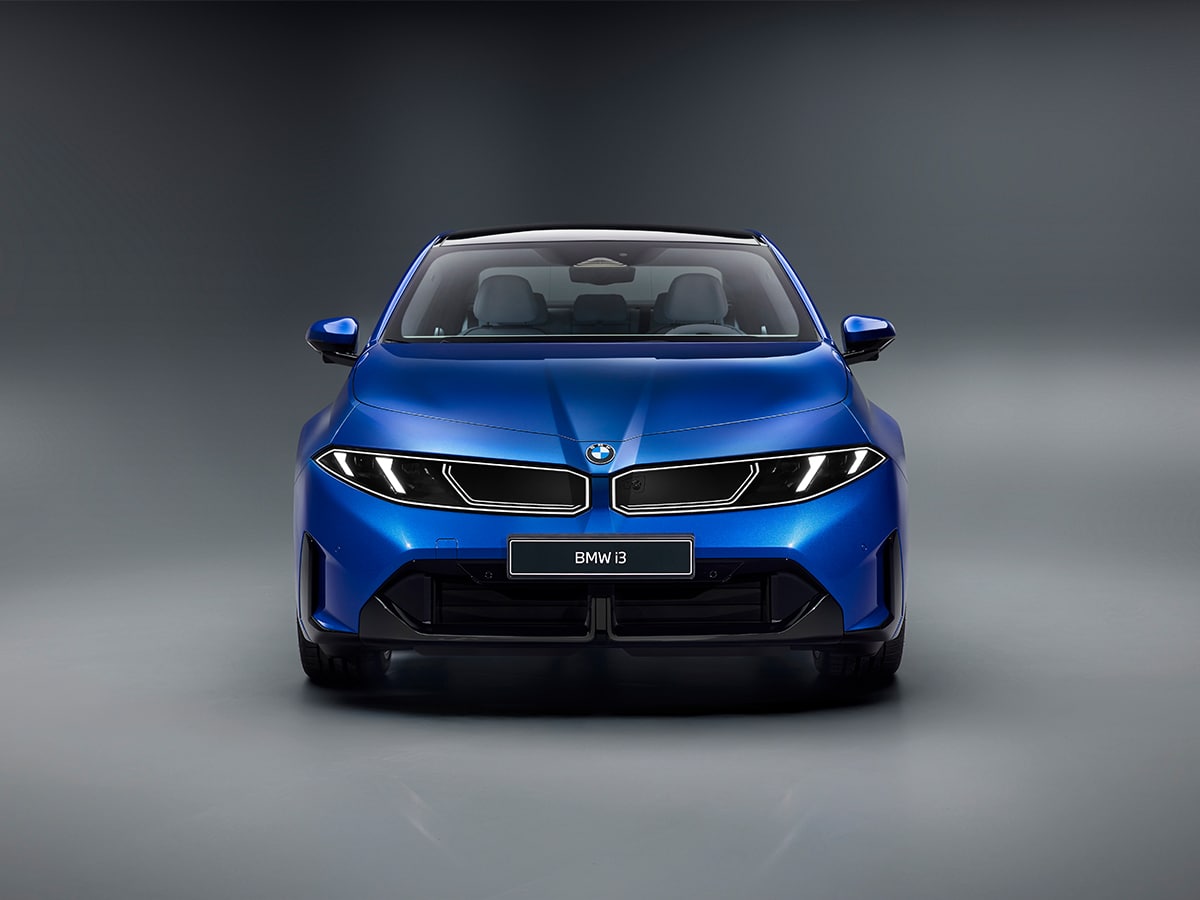
To remain competitive and accessible to a broader demographic, BMW is expected to introduce a single-motor, rear-wheel-drive variant within 18 to 24 months of the initial launch. This "entry-level" i3 would likely be priced below the AUD$91,387 Luxury Car Tax (LCT) threshold in Australia, making it a viable option for corporate fleets and novated lease customers who benefit from current EV tax incentives.
Broader Industry Implications
The reveal of the i3 comes at a time when European manufacturers are under intense pressure to meet stricter Euro 7 emissions standards and compete with an influx of high-tech EVs from Chinese manufacturers. By delivering a 900-kilometre range, BMW has effectively leapfrogged many of its luxury rivals, including Mercedes-Benz and Audi, in the efficiency race.
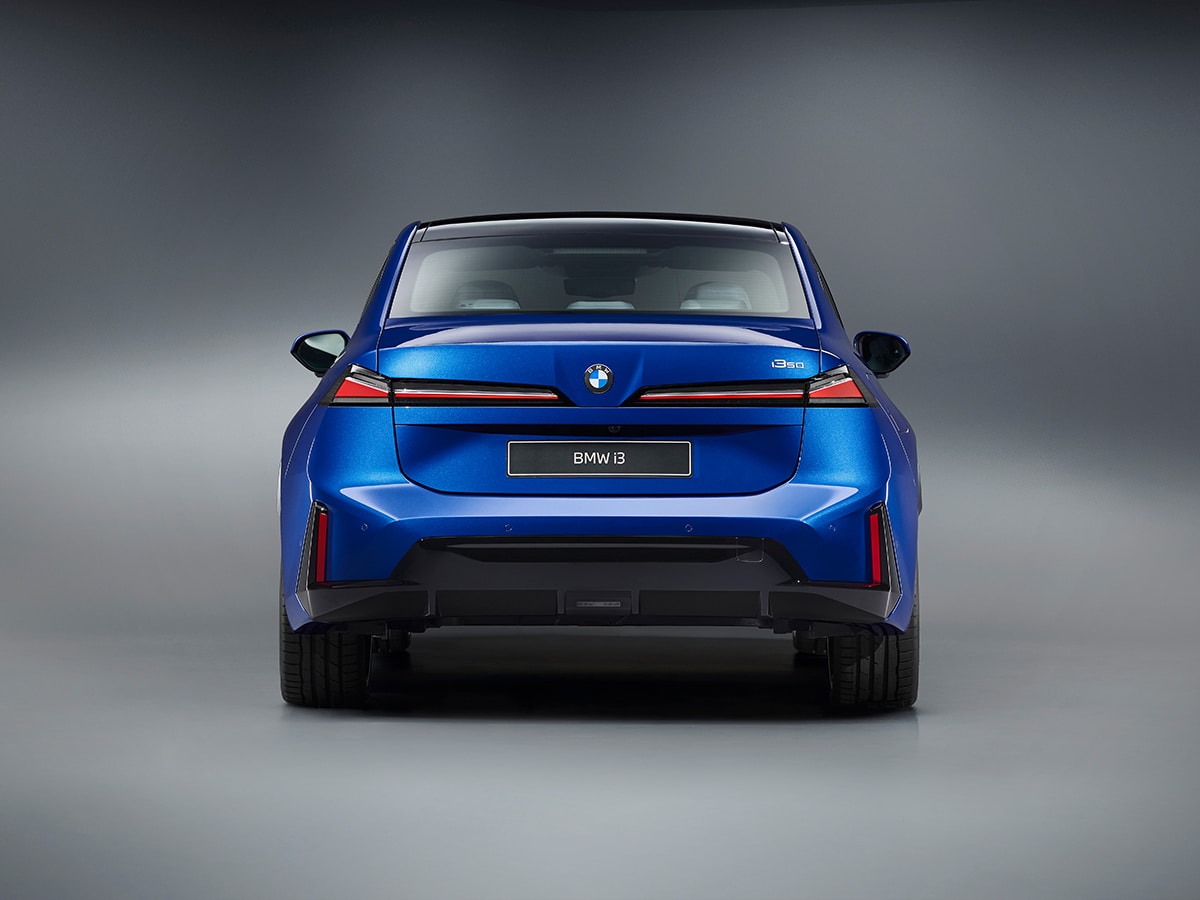
The discontinuation of the Tesla Model S in certain markets has left a vacuum in the premium electric sedan segment—a space BMW clearly intends to fill. Market analysts suggest that the i3’s success will be a litmus test for the "Neue Klasse" strategy. If BMW can maintain its reputation for driving dynamics while delivering on these ambitious range and charging claims, the i3 could represent the definitive turning point where the German "Old Guard" successfully reclaimed the narrative from Silicon Valley.
As the industry moves toward 2030, the BMW i3 serves as a blueprint for the future of the brand. It combines the heritage of the Munich-based automaker with a radical, software-defined approach to mobility. With production set to begin in 2026, the i3 is not just a new car; it is the beginning of a new era for one of the world’s most storied automotive brands.



 Yuyun Lusiyani
 Joko Widodo
 Eva Lovia
 Pevita Pearce
 admin
admin