
 admin
admin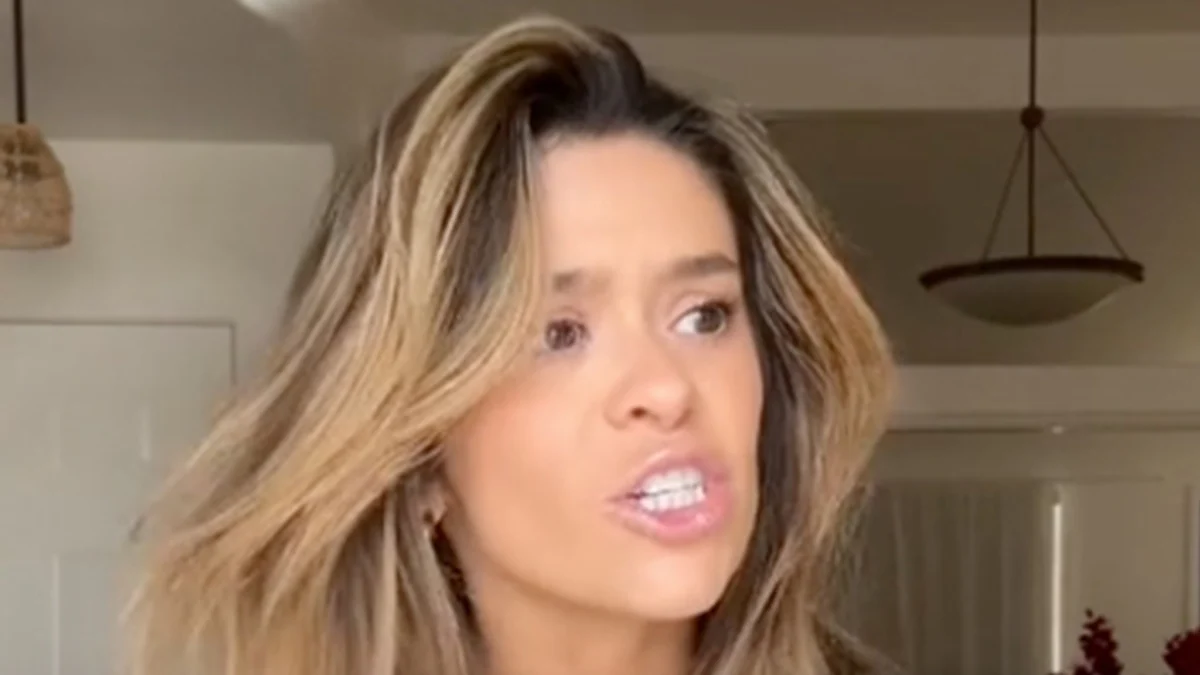
Utah-based reality television personality and social media influencer Taylor Frankie Paul remains a central figure in a swirling vortex of legal troubles and public scrutiny, yet she shows no signs of retreating from the digital spotlight. Despite facing serious domestic violence accusations, potential probation violations, and the abrupt cancellation of her highly anticipated season of "The Bachelorette," Paul continues to engage actively across her various online platforms. Her persistent online presence has sparked a contentious debate among her millions of followers and critics alike, with many questioning the appropriateness of her behavior given the gravity of her circumstances, while Paul herself appears to frame it as an unavoidable aspect of her profession. This unwavering commitment to her digital persona, even amidst mounting legal and professional challenges, underscores a complex interplay between influencer culture, public accountability, and the relentless demands of maintaining a personal brand.
The Current Storm: New Allegations and Legal Scrutiny
The immediate catalyst for renewed public attention and legal pressure on Paul stems from recent allegations of domestic violence involving her ex-partner, Dakota Mortensen. Weeks prior to the current report, TMZ first disclosed that Paul allegedly choked Mortensen and forcibly removed a necklace from his neck. This incident prompted a police response and the filing of an official report, adding a new layer of complexity to Paul’s already precarious legal standing. Crucially, video footage has since surfaced, purportedly depicting Paul in an altercation with Mortensen, an event that reportedly predates her initial 2023 arrest. This visual evidence has reignited public concern and intensified the legal scrutiny surrounding her actions. The Salt Lake City District Attorney’s office has confirmed it is actively evaluating whether these new allegations and the police report constitute a direct violation of Paul’s existing probation terms. A finding of violation could carry severe consequences, potentially including incarceration.
A History of Controversy: The 2023 Incident and Probation Terms
To fully grasp the current gravity of Paul’s situation, it is essential to understand the precedent set by her 2023 legal entanglements. In that year, Paul was arrested following an incident that garnered significant media attention. She subsequently pleaded guilty to aggravated assault, a serious charge that typically involves an assault with a deadly weapon or an assault that causes serious bodily injury, though specific details of her plea and the incident remain under wraps. As a result of her conviction, Paul was sentenced to three years of probation, a period that is still active and set to conclude in August of the current year. The terms of such probation commonly include mandates to avoid further criminal activity, maintain good behavior, and often involve participation in counseling or anger management programs. Any new criminal allegations, particularly those involving violence, are thus viewed with extreme seriousness by the courts and could easily trigger a revocation of her probation, leading to the imposition of previously suspended sentences, which could include significant jail time. This background context transforms the current allegations from isolated incidents into potential critical breaches of a legally binding agreement, placing Paul in significant legal jeopardy.
The Digital Battlefield: Taylor Frankie Paul’s Unyielding Online Presence
Despite the escalating legal threats and the palpable public backlash, Taylor Frankie Paul has maintained an almost defiant presence across her social media channels. Her activity ranges from reposting content from supporters—an apparent attempt to curate a narrative favorable to her—to publicly endorsing other figures who have faced their own controversies, such as reality show personality Nick Viall, whom she uplifted as a "fellow reality show villain." This strategy suggests a calculated, or perhaps instinctive, effort to control her narrative and maintain relevance within the influencer ecosystem.
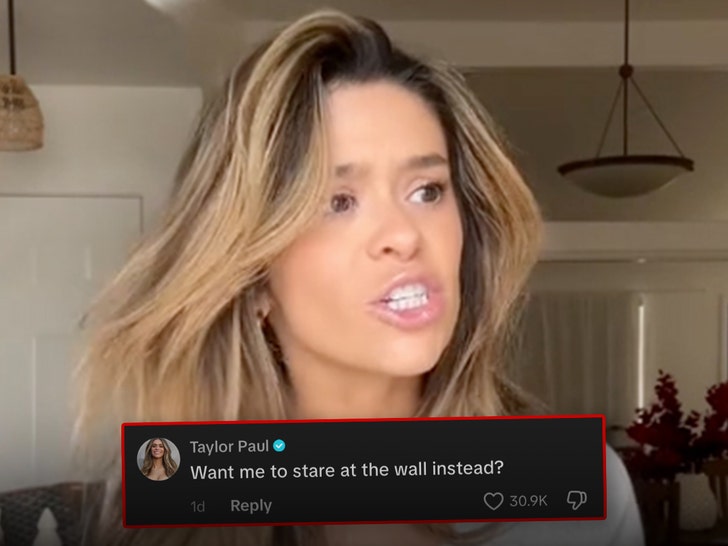
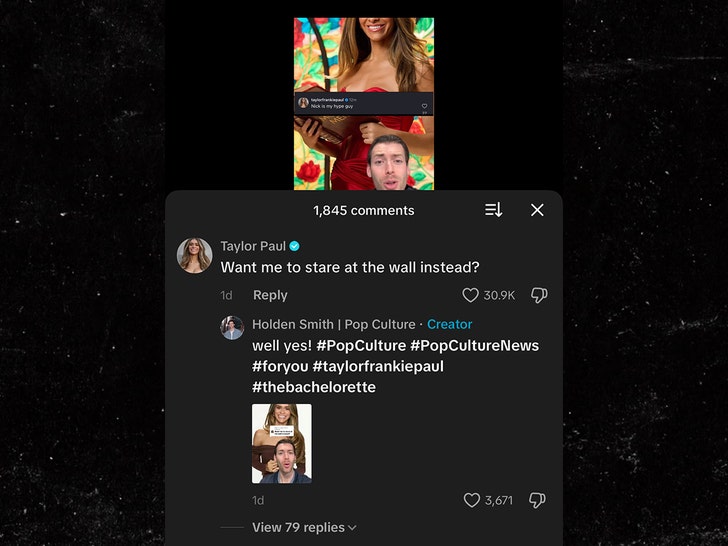
Her interactions with critics have been particularly revealing. When one TikTok user initiated a "Taylor Frankie Paul Get Off Your Phone Challenge," explicitly urging the star to step away from social media amidst her scandal, Paul’s response was swift and sardonic: "Want me to stare at the wall instead?" This retort, rather than appeasing her detractors, fueled further criticism. The user in question quickly responded with another video, stating, "Well, yes, Taylor Frankie Paul. Yes, I would like you to stare at a wall instead. This is what I’m talking about." This exchange highlights a fundamental disconnect between Paul’s self-perception as an always-on content creator and the public’s expectation for a period of reflection or withdrawal in the face of serious accusations.
Paul’s rationale for her continued online engagement appears rooted in the economics of the creator economy. For many influencers, their digital platforms are their primary source of income, functioning as both their workplace and their public persona. From this perspective, stepping away entirely could be seen as abandoning her livelihood. However, critics argue that the ethical implications of maintaining a public platform while under investigation for domestic violence outweigh the professional imperative, particularly when such behavior could be perceived as insensitive or defiant towards victims and the justice system. The persistent online activity also raises questions about the psychological toll of constant public scrutiny and the difficulty for influencers to delineate between their personal and professional lives, especially when the two are so inextricably linked.
Professional Fallout: The Bachelorette Cancellation and Career Implications
The ramifications of Paul’s legal troubles have extended beyond potential jail time, significantly impacting her professional trajectory. Perhaps the most significant blow to her career has been ABC’s decision to cancel her season of "The Bachelorette." While specific details regarding the stage of production or casting process remain undisclosed, the network’s move underscores the severe reputational risks associated with public figures embroiled in domestic violence scandals. For a franchise built on themes of romance and aspirational relationships, associating with an individual facing such serious allegations would undoubtedly be deemed untenable by network executives and advertisers alike.
The cancellation of "The Bachelorette" represents a considerable setback for Paul. Participation in such a high-profile reality series typically offers a massive boost to an influencer’s visibility, brand endorsement opportunities, and overall earning potential. Losing this platform not only means a missed career opportunity but also signals a broader chilling effect on her marketability. Brands and sponsors, ever-conscious of public perception and potential consumer backlash, are likely to distance themselves from Paul, at least until her legal issues are definitively resolved and her public image rehabilitated, if at all possible. This incident serves as a stark reminder of the fragile nature of fame in the digital age, where a carefully curated persona can unravel quickly under the weight of personal conduct and public scrutiny. The decision by ABC also sends a clear message about the entertainment industry’s evolving standards regarding talent conduct, especially in an era of heightened awareness around issues of domestic violence and accountability.
Legal Labyrinth: Probation and Potential Consequences
The ongoing evaluation by the Salt Lake City District Attorney’s office is a critical juncture for Taylor Frankie Paul. Probation, by its very nature, is a conditional release from incarceration, granted on the premise that an individual will adhere strictly to a set of rules. A violation, particularly one involving new criminal allegations, can lead to serious repercussions. If the DA determines that the recent incidents involving Dakota Mortensen constitute a breach of her 2023 aggravated assault probation, Paul could face a probation revocation hearing.
During such a hearing, a judge would review the evidence presented by the prosecution and defense. If a violation is found, the judge has several options, ranging from imposing stricter probation terms, extending the probation period, or, most severely, revoking probation entirely and imposing a jail or prison sentence. Given that Paul is currently serving a three-year probation term, the possibility of immediate incarceration becomes a very real threat. The legal system views repeat offenses, especially those involving violence, with heightened concern, and a history of previous convictions for similar offenses can influence a judge’s decision towards a more punitive outcome. This legal process is distinct from any potential new criminal charges that might arise from the recent allegations, meaning Paul could face both a probation violation sentence and new charges for the alleged choking incident. The interplay of these legal proceedings could significantly complicate her defense and future.
The Public’s Verdict and Broader Implications
Taylor Frankie Paul’s unfolding saga is more than just a personal drama; it is a microcosm of broader societal debates surrounding influencer accountability, the ethics of online fame, and the responsibilities that come with a public platform. Her continued activity and defiant tone have ignited passionate discussions across social media, with opinions sharply divided. Supporters often cite the "innocent until proven guilty" principle and the economic pressures of her profession, while critics emphasize the seriousness of domestic violence allegations and the need for public figures to demonstrate accountability.
This case highlights the blurred lines between public and private life in the age of social media. For influencers, their personal lives are their content, making it incredibly difficult to compartmentalize scandals. The public, in turn, often feels a sense of ownership or personal connection to these figures, leading to intense emotional investment in their narratives. The debate around Paul’s actions forces a critical examination of how society expects public figures to respond to accusations of wrongdoing, particularly when those accusations involve sensitive issues like domestic violence. It also prompts questions about the role of platforms in moderating content from controversial figures and the responsibility of the audience in discerning credible information from curated narratives.
Looking Ahead: Her Side of the Story
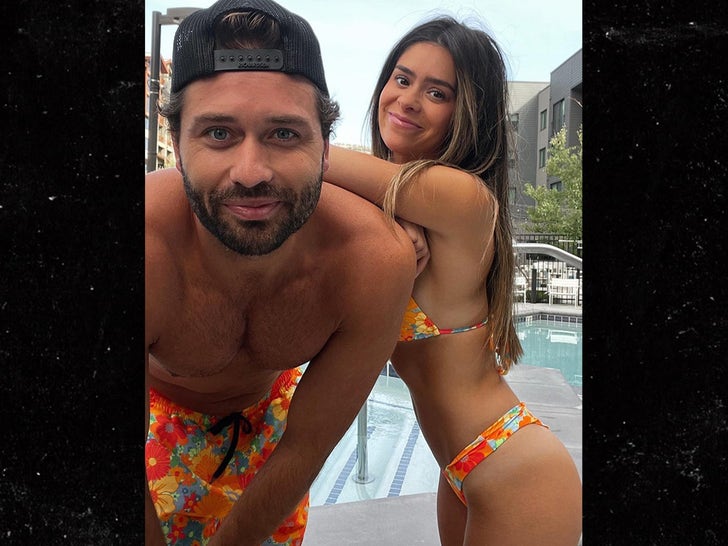
Amidst the legal battles, career setbacks, and public outcry, Taylor Frankie Paul’s representative has indicated that she is preparing to tell her side of the story. This announcement suggests an imminent attempt by Paul to reclaim her narrative, potentially through a public statement, interview, or a series of social media posts. Such a move would be a high-stakes gamble, as any public address would be dissected by both legal teams and the court of public opinion. The effectiveness of her narrative will largely depend on its perceived sincerity, consistency with available evidence, and ability to address the serious nature of the allegations.
As the legal proceedings unfold and Paul prepares to present her defense, the public will be watching closely. Her story continues to be a compelling case study in the volatile world of internet celebrity, where fame, fortune, and public perception can pivot dramatically on the axis of personal conduct. The outcome of her legal challenges, and her ability to navigate the complex landscape of public opinion, will undoubtedly shape her future, both personally and professionally.


 Yuyun Lusiyani
 Joko Widodo
 Eva Lovia
 Pevita Pearce
 Lina Irawan