
 Lina Irawan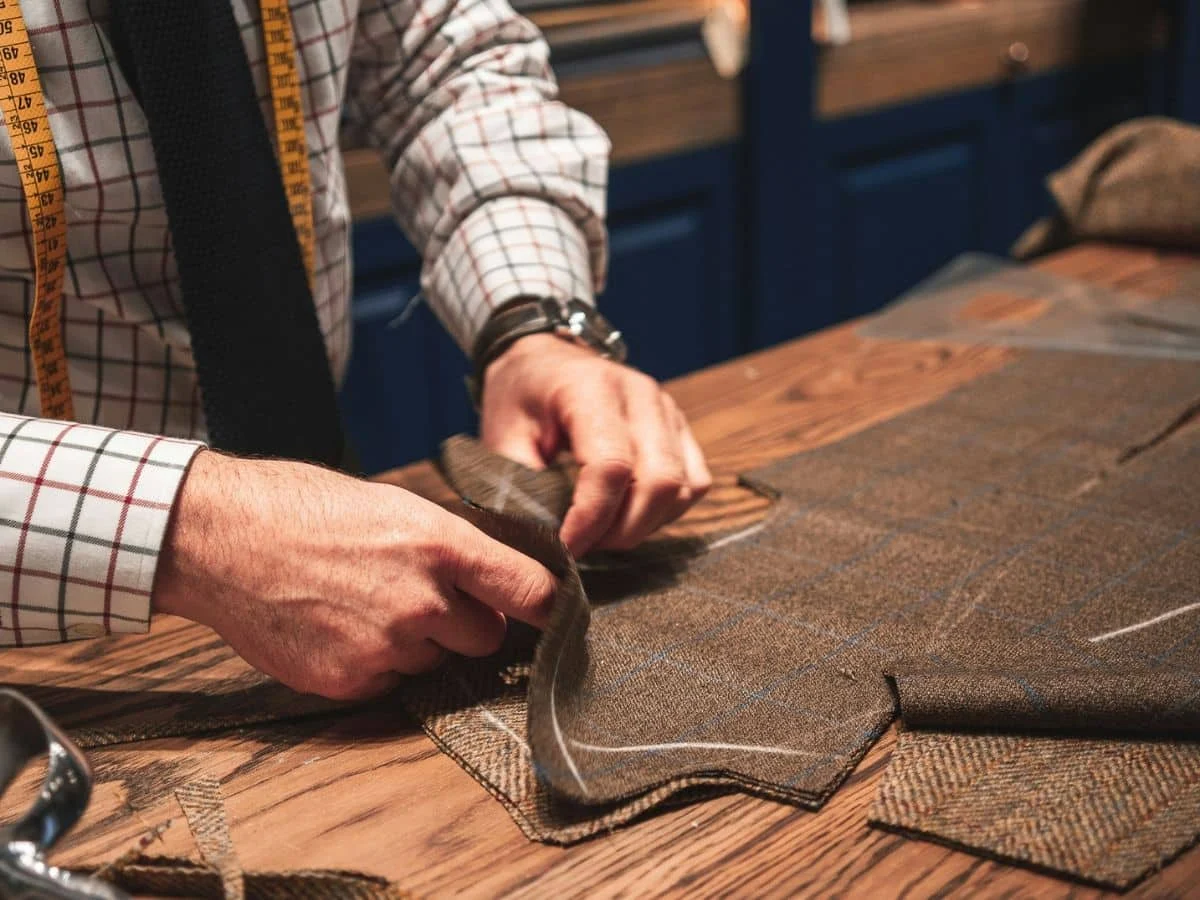
The distinction between a sophisticated wardrobe and a forgettable one is rarely determined by the price tag of the garments, but rather by the precision of their fit. In an era increasingly dominated by off-the-rack convenience and fast-fashion cycles, the art of tailoring has re-emerged as the essential bridge between a standard purchase and a personalized aesthetic. While many men believe a style upgrade necessitates an entirely new collection of clothing, industry experts argue that the most impactful outfits are often already present in a man’s closet, requiring only the skilled hand of a tailor to unlock their potential. By focusing on targeted alterations and understanding the technical nuances of garment construction, men can achieve a high-end look for a fraction of the cost of luxury designer labels.
The shift toward tailored precision is championed by experts such as Scott Grant, the founder of Lupo Bianco, a prominent Sydney-based custom tailoring house. Grant, who has curated wardrobes for high-profile figures including UFC champion Alex Pereira, lightweight boxing champion George Kambosos, and Australian representative Eloni Vunakece, posits that a great tailor is the ultimate tool for any man seeking to refine his professional or personal image. Whether the goal is to salvage an ill-fitting suit or to invest in a fully custom garment, the principles of fit remain the primary driver of visual impact and wearer confidence.
The Economics of the Wardrobe Overhaul
Before committing to new acquisitions, fashion analysts suggest a "wardrobe audit" to identify existing pieces that can be salvaged through bespoke alterations. Items that are often discarded—such as shirts with excessive fabric at the waist, trousers that pool at the ankles, or blazers that appear boxy—are frequently just a few stitches away from perfection. Targeted alterations typically cost significantly less than $100 per item, representing a high return on investment (ROI) for the consumer.
For example, a standard dress shirt may fit perfectly at the shoulders but billow at the midsection, creating a "muffin top" effect when tucked in. A tailor can add darts or taper the sides for approximately $30 to $50, instantly modernizing the silhouette. Similarly, chinos or trousers that are too wide in the leg can be tapered for a slim-fit appearance for $35 to $60. These minor adjustments ensure that the garment follows the natural lines of the body, moving the wearer from a generic look to one of intentional style.
The Technical Anatomy of a Jacket
According to Grant, the most transformative alteration a man can request for a suit or blazer is waist suppression. Most off-the-rack jackets are cut with a boxy silhouette to accommodate the widest possible range of body types. However, this often results in a garment that swamped the wearer’s frame, hiding their physique.
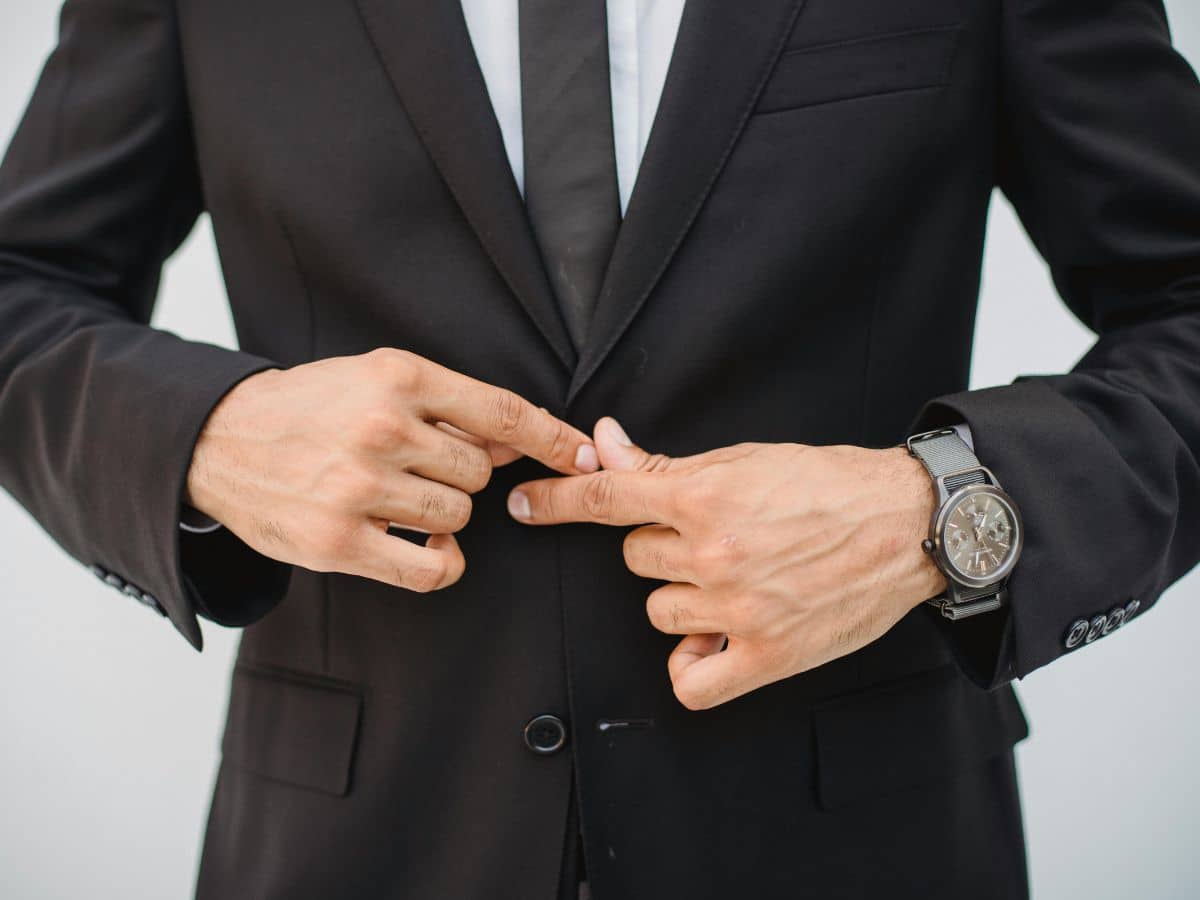
"The most impactful alteration is to the midsection—the waist area of the jacket," Grant explains. "When you bring that in, it exposes the physique for what it truly is. It makes the shoulders appear wider and gives the whole suit a ‘wow’ factor—a real X-shape or a V-look."
By narrowing the waist of a jacket, the tailor creates a more structured, athletic profile. This adjustment, which generally costs between $60 and $110, changes the visual geometry of the wearer, making them appear taller and more composed. It is the hallmark of professional tailoring and the primary difference between a suit that looks "borrowed" and one that looks "owned."
Identifying the Signs of Poor Fit
The hallmarks of a poor fit are consistent across various types of menswear. They include excessive fabric pooling, "boxiness," and tension lines where the fabric pulls against the body. Grant notes that the "boxy" look is the most common pitfall for men buying off-the-rack. This occurs because consumers often buy a size larger to ensure the jacket closes comfortably over the chest or stomach, inadvertently sacrificing the fit at the shoulders and waist.
Conversely, sizing down to achieve a snug fit often leads to sleeves that are too short or trousers that pinch at the seat. A professional tailor resolves these contradictions by taking a garment that fits the largest part of the body (usually the shoulders or chest) and slimming down the remaining areas to match the wearer’s unique proportions.
Comprehensive Alteration Cost and Impact Guide
To provide a clearer picture of the tailoring landscape, the following data outlines common services, their estimated costs in the Australian market, and their relative impact on the garment’s appearance:
| Garment | Service | Estimated Cost (AUD) | Visual Impact |
|---|---|---|---|
| Trousers | Shorten or lengthen hem | $20 – $45 | High (Fixes pooling fabric) |
| Trousers | Waist and seat adjustment | $25 – $45 | Moderate (Improves comfort) |
| Trousers | Tapering legs (slim fit) | $35 – $60 | High (Modernizes silhouette) |
| Shirts | Shorten sleeves | $30 – $50 | Moderate (Cuffs sit at wrist) |
| Shirts | Tapering sides (darts) | $30 – $50 | High (Removes excess fabric) |
| Jackets | Waist suppression | $60 – $110 | Very High (Creates V-shape) |
| Jackets | Shorten sleeves | $50 – $90 | High (Shows shirt cuff) |
| Jackets | Shorten jacket length | $70 – $120 | Moderate (Corrects ratios) |
| Jackets | Narrowing shoulders | $110 – $180 | Low ROI (Complex/Expensive) |
| Full Suit | Complete tailored overhaul | $150 – $350 | Maximum (Total transformation) |
The Transition to Custom Suiting
While alterations can significantly improve off-the-rack garments, there is a technical ceiling to what can be achieved. For instance, altering the shoulders of a jacket is a complex and expensive procedure that often yields unsatisfactory results. When a garment is structurally incompatible with a wearer’s body, the logical next step is custom suiting.

Custom suiting is divided into two primary categories: Made-to-Measure (MTM) and Bespoke. MTM suits are based on a pre-existing pattern that is adjusted to the client’s measurements, typically requiring one or two fittings and costing between $900 and $1,800. Bespoke suiting, the pinnacle of the craft, involves the creation of an entirely original paper pattern from scratch. This process requires multiple fittings—including a "basted" fitting where the suit is temporarily stitched together—and can cost anywhere from $2,500 to $5,000 or more.
For many professionals, a premium custom suit at approximately $1,500 represents the "sweet spot" of value. "It’s an investment in how you move through the world," says Grant. "At that price point, you’re buying craft, fabric quality, and a fit that no off-the-rack garment can replicate."
Material Science and Environmental Suitability
The choice of fabric is as critical as the fit, particularly in climates like Australia’s. Grant recommends Merino wool as the gold standard for versatility. It is naturally breathable, temperature-regulating, and durable. The weight of the fabric, measured in grams per square meter (GSM), determines how the suit drapes.
A weight of 240 to 280 GSM is considered the "sweet spot" for year-round wear. A higher GSM allows gravity to pull the fabric into a fluid, structured hang, whereas lighter fabrics may wrinkle more easily. For color, dark navy remains the most recommended option due to its versatility across business, formal, and even somber occasions like funerals.
Conversely, Grant advises against heavy fabrics like Tweed for the Australian climate, noting that while they offer texture, they are often too dense and uncomfortable for local conditions. For those seeking texture without the heat, a Herringbone weave in Merino wool provides a luxurious finish that remains appropriate for all seasons.
The Global Context: The Rise of "Slow Fashion"
The renewed interest in tailoring aligns with a broader global shift toward sustainable consumption, often referred to as "slow fashion." As consumers become more aware of the environmental impact of textile waste, there is a growing movement to "buy less, buy better." Tailoring facilitates this by extending the lifespan of garments and ensuring that clothes remain relevant even as personal styles or body shapes evolve.
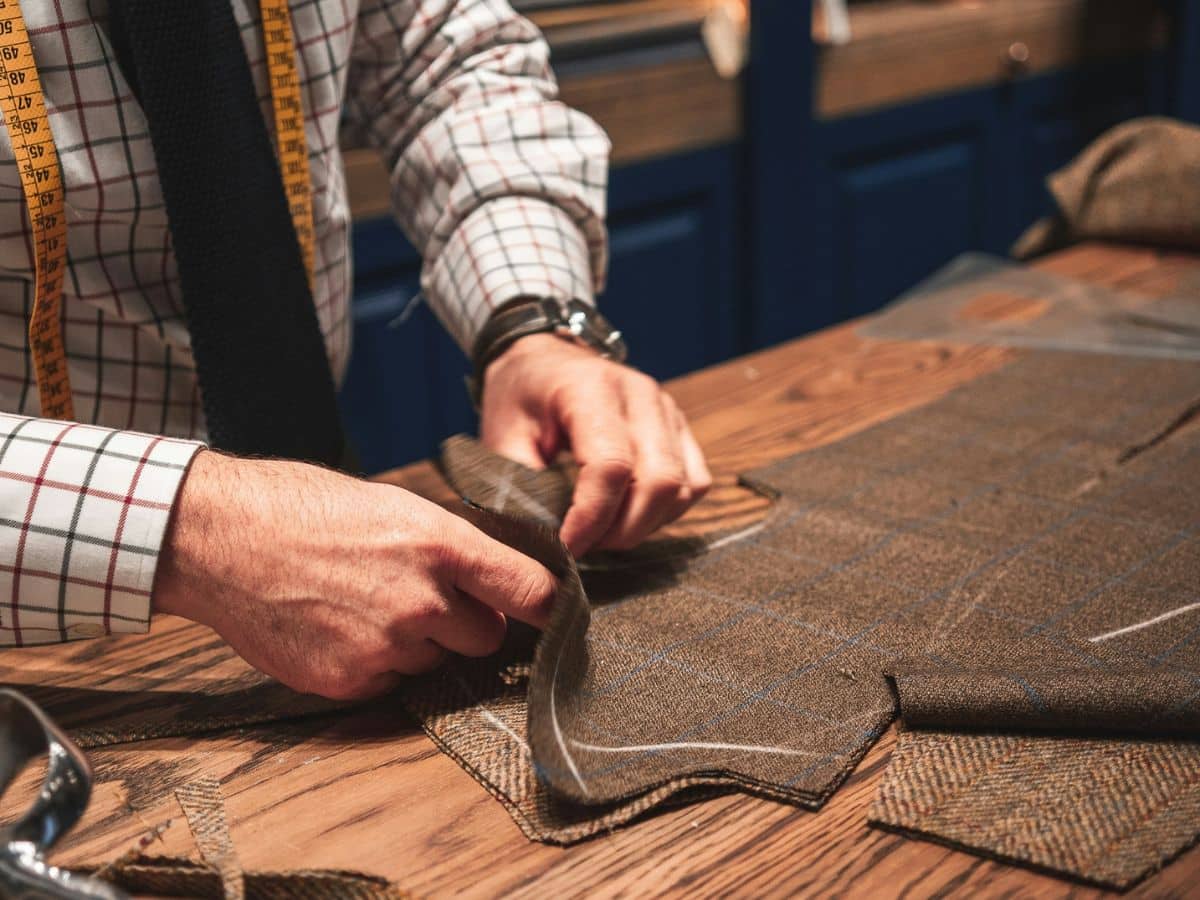
By investing in alterations or high-quality custom pieces, men are participating in a circular economy where quality takes precedence over quantity. A well-made, tailored suit can last a decade or longer if properly maintained, making the "cost per wear" significantly lower than that of multiple inexpensive, poorly fitting alternatives.
Practical Steps for Engaging a Tailor
For men looking to begin their tailoring journey, communication is key. A reputable tailor should act as a consultant rather than a mere service provider. Grant suggests looking for a professional who asks about the occasion, the desired look, and the specific feeling the client wants to achieve.
"A good tailor will sell you on features… but what you should look for is someone who can explain your vision back to you," Grant notes. When attending a first appointment, it is advisable to bring the shoes and shirts that will be worn with the garment to ensure that lengths and proportions are measured accurately in context.
Ultimately, the path to a refined wardrobe is found in the details. By prioritizing fit over brand names and embracing the expertise of professional tailors, men can transform their appearance and move through the world with a heightened sense of presence and professionalism. In the landscape of modern style, the tailor remains the most important ally a man can have.



 Yuyun Lusiyani
 Joko Widodo
 Eva Lovia
 Pevita Pearce
 admin
admin