
 admin
admin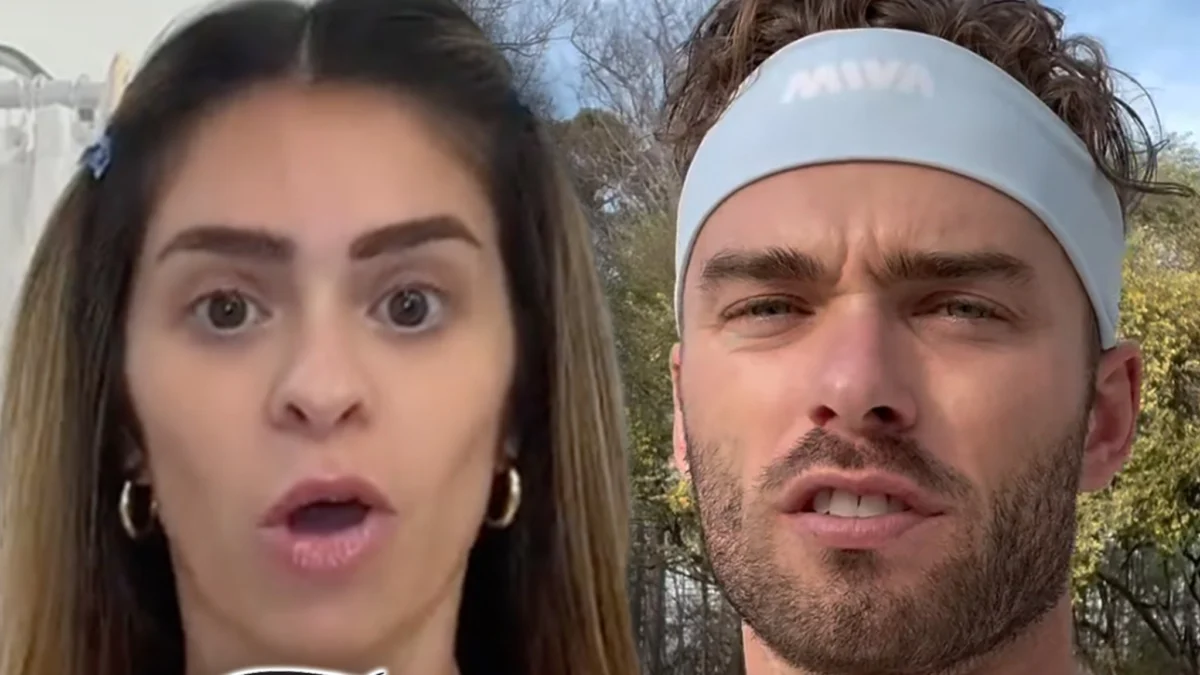
The highly anticipated, yet ultimately unaired, season of ABC’s The Bachelorette, featuring social media personality Taylor Frankie Paul, was marred by an intensely emotional confrontation during filming, culminating in an unprecedented cancellation by the network. During a one-on-one date, contestant Casey Hux reportedly questioned Paul about her 2023 domestic violence arrest, triggering a significant emotional response from the lead that included a full-fledged "meltdown" and her abrupt departure from the set. This dramatic incident, uncovered amidst revelations that led to the season being pulled from the schedule, sheds critical light on the complex challenges faced by reality television productions when contestants’ past legal issues intersect with the public’s scrutiny and the show’s narrative.
The incident occurred during what was intended to be a romantic and intimate one-on-one date between Paul and Hux, a format staple of The Bachelorette designed to foster deeper connections. According to insiders with direct knowledge of the production, Hux, seeking to understand Paul more comprehensively, directly addressed her previous legal entanglements. Specifically, he referenced her 2023 assault case, a matter of public record that had previously drawn significant media attention. The question, while probing, was reportedly posed with the intention of gauging Paul’s personal growth and lessons learned from the experience, rather than as an accusation. However, the sensitive nature of the topic proved overwhelming for Paul, leading to a visibly emotional outburst. Sources described her reaction as a "full-fledged meltdown," culminating in her storming off the set, temporarily halting production and raising immediate concerns among the crew and producers about her emotional state and suitability for the demanding role of the Bachelorette.
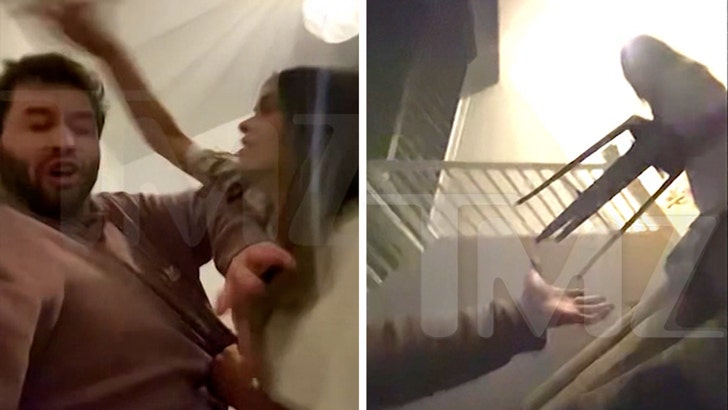
It is crucial to note the timeline of this confrontation. This highly charged exchange transpired during filming, well before a pivotal piece of evidence—a video depicting Paul assaulting her then-boyfriend, Dakota Mortensen—was released to the public by TMZ. At the time of the date, neither Casey Hux nor the general public had access to this visual confirmation of the alleged domestic violence incident. Had the video been public, the context of Hux’s question and Paul’s reaction would have undoubtedly carried an even heavier weight, potentially altering the entire dynamic of the interaction and the network’s subsequent decisions.
Background: Taylor Frankie Paul’s Public Profile and Prior Allegations
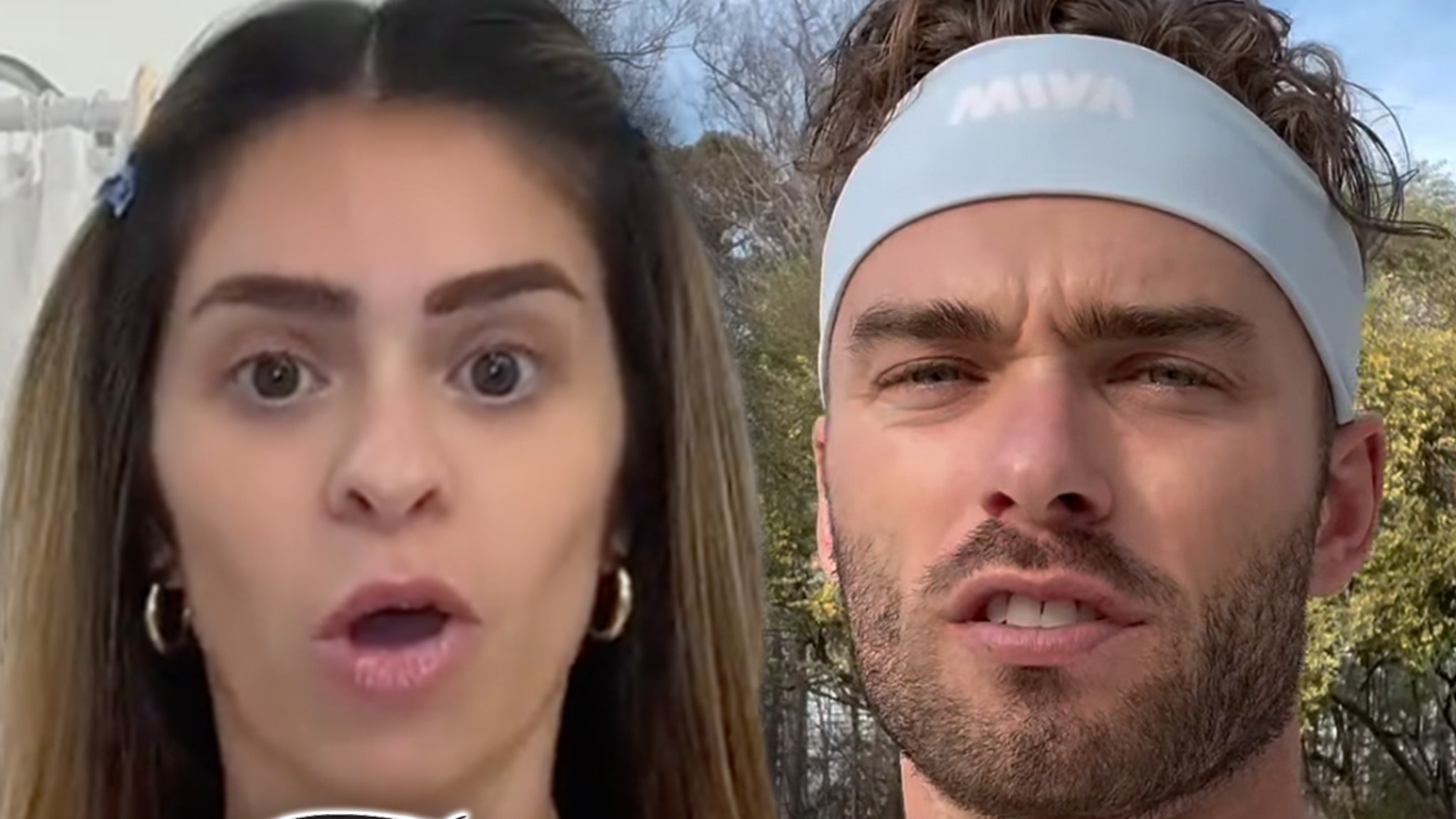
Taylor Frankie Paul rose to prominence as a TikTok influencer, known for her candid posts about her life, relationships, and "Mormon Momtok" community. Her online persona garnered a significant following, establishing her as a recognizable figure in the digital landscape. However, her public image took a severe hit in 2023 when she was arrested and charged in connection with a domestic violence incident involving her then-boyfriend, Dakota Mortensen. Details emerging from the arrest pointed to allegations of physical assault, which cast a shadow over her burgeoning celebrity status and raised questions about her personal conduct.
The charges stemming from the 2023 incident were serious, impacting her public perception and leading to intense scrutiny from her followers and the wider media. Despite the controversy, Paul’s selection as the lead for The Bachelorette Season 22 signaled a potential attempt by ABC to leverage her existing social media fame, albeit with the inherent risk associated with her past. Reality television, particularly dating franchises, often seeks out leads with compelling backstories, but legal issues, especially those involving violence, represent a unique challenge to the carefully curated image of romance and aspirational relationships that these shows typically project. Adding to the complexity, Paul is also reportedly facing fresh allegations related to a separate incident in February, also involving Dakota Mortensen, further complicating her legal and public relations landscape.
The Catalyst for Cancellation: A Viral Video and Network Response
The ultimate demise of The Bachelorette Season 22 occurred just days before its scheduled premiere, a truly unprecedented event in the franchise’s long history. The immediate trigger was the public release by TMZ of a graphic video from 2023, which reportedly depicted Taylor Frankie Paul physically assaulting Dakota Mortensen. The video provided stark visual evidence related to her earlier domestic violence arrest, moving the allegations from abstract reports to undeniable public spectacle.
The impact on ABC and its parent company, Disney Entertainment, was immediate and decisive. Within hours of the video’s surfacing, the network announced its decision to pull the plug on the entire season. A spokesperson for Disney Entertainment issued a concise statement: "In light of the newly released video just surfaced today, we have made the decision to not move forward with the new season of ‘The Bachelorette’ at this time, and our focus is on supporting the family." This swift action underscored the gravity of the situation and the network’s assessment of the severe reputational damage and ethical implications of proceeding with a season led by an individual demonstrably involved in domestic violence, especially with such compelling visual evidence now in the public domain.
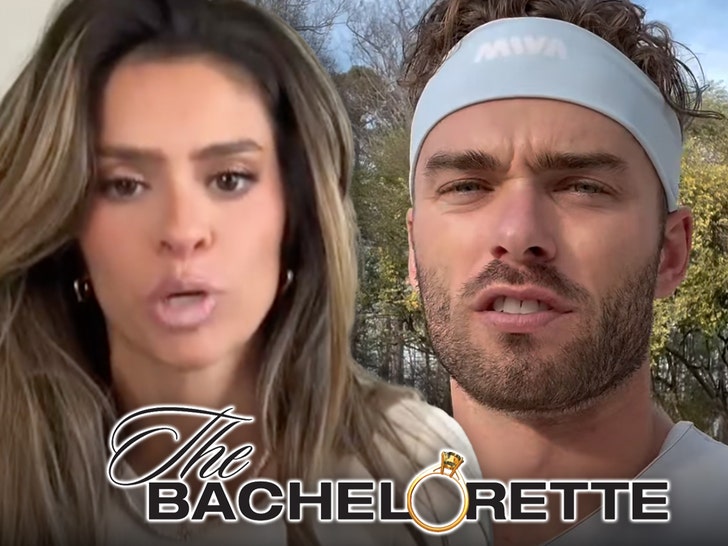
The decision to completely cancel a filmed season is extraordinary for a franchise as established and profitable as The Bachelorette. Typically, reality shows facing controversy might edit out problematic scenes, issue apologies, or even replace contestants mid-season. A full cancellation, however, signifies that the controversy was deemed insurmountable, posing an unacceptable risk to the brand’s integrity, advertiser relations, and viewer trust. This move reflects a broader societal shift towards greater accountability for public figures involved in domestic violence, particularly in entertainment industries that often rely on aspirational imagery.
Reactions from Contestants and the Fan Base
The cancellation sent shockwaves through the dedicated fan base of The Bachelorette and left the season’s cast members in an unenviable position. Many of the contestants had invested weeks, if not months, of their lives in the production, leaving jobs and personal commitments behind in pursuit of love and national exposure. The abrupt cancellation meant the shattering of these hopes and opportunities.
On the night the season was originally slated to premiere, several contestants took to social media to express their disappointment and frustration, albeit with a touch of dark humor. They posted comical videos featuring blank television screens, a poignant and symbolic jab at ABC’s decision to leave their efforts unseen. These posts quickly garnered attention, with fans flooding their comment sections, expressing confusion, demanding answers, and questioning whether they would ever have the opportunity to witness Season 22. The collective sentiment among viewers ranged from bewilderment to genuine concern for the cast and the future of the franchise. For many, The Bachelorette is a cultural touchstone, and the unprecedented cancellation left a void, prompting a broader discussion about the ethical responsibilities of reality television networks in vetting their stars.
Implications for The Bachelorette Franchise and Reality Television Casting
The Taylor Frankie Paul scandal and the subsequent cancellation mark a significant moment for The Bachelorette franchise and the wider reality television landscape. The show, which debuted in 2003 as a spin-off of The Bachelor, has built a multi-million dollar empire on the premise of romantic journeys culminating in proposals. Over two decades, it has weathered numerous controversies, including accusations of racial insensitivity, contestant misconduct, and manipulative editing. However, none of these past incidents led to an entire season being scrapped post-production.
This event forces a critical re-evaluation of casting protocols for high-profile reality shows. While reality television productions typically conduct extensive background checks on potential participants, the Paul case highlights potential gaps or misjudgments in assessing the severity and public relations risk associated with certain past legal issues. Industry experts suggest that going forward, networks may implement even more stringent vetting processes, especially concerning allegations of violent behavior. The reputational damage and financial losses incurred from a canceled season are substantial, prompting a heightened focus on risk mitigation.
Moreover, the incident raises ethical questions about the balance between entertainment value and social responsibility. Is a network responsible for providing a platform to individuals with a history of serious legal issues, even if those issues are publicly known? The swift cancellation by ABC suggests a definitive answer in this particular case: when the evidence becomes undeniably stark and potentially disturbing to a broad audience, the ethical imperative outweighs the entertainment value. This could set a precedent for how similar controversies are handled in the future across the reality TV genre.
Broader Societal Context and Accountability
The cancellation of The Bachelorette starring Taylor Frankie Paul also resonates with broader societal discussions about accountability, particularly for public figures and influencers. In an era where social media amplifies both fame and scandal instantaneously, the consequences of past actions are increasingly difficult to escape. The public, more than ever, expects transparency and accountability from those in the public eye. Domestic violence, in particular, has become a topic of heightened awareness and zero tolerance, and entertainment companies are under increasing pressure to align their programming decisions with these evolving societal values.
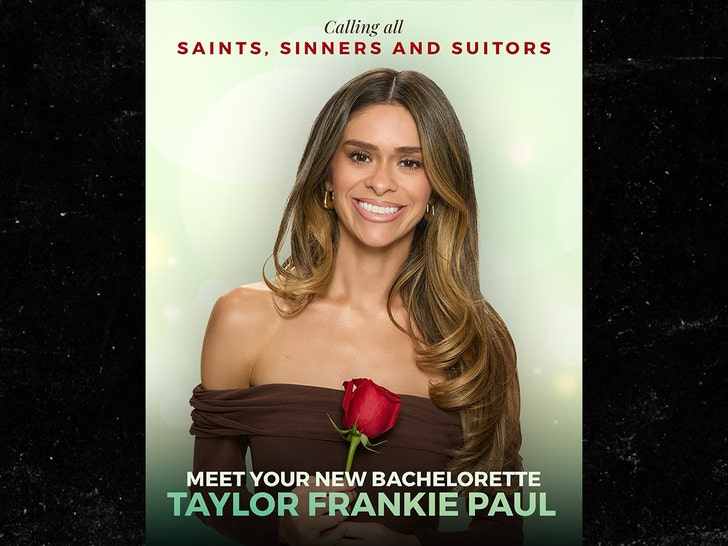
For Taylor Frankie Paul, the implications are profound. Beyond the cancellation of her television debut, her existing legal challenges will continue to unfold, potentially exacerbated by the heightened public scrutiny. Her career as a social media influencer, which relies heavily on public appeal and relatability, faces an uncertain future. The incident serves as a stark reminder that the pursuit of fame in the digital age comes with immense responsibility, and past actions, especially those involving violence, can have far-reaching and career-defining consequences.
The future of Season 22 remains definitively bleak. While fans might hope for a delayed release or an alternative narrative, the network’s clear statement and the ethical quagmire surrounding the footage make an eventual airing highly improbable. Instead, this unprecedented cancellation will likely be remembered as a pivotal moment, forcing networks to reconsider their casting philosophies, reinforcing the public’s demand for accountability, and highlighting the volatile intersection of celebrity, controversy, and reality television.


 Yuyun Lusiyani
 Joko Widodo
 Eva Lovia
 Pevita Pearce
 Lina Irawan