
 admin
admin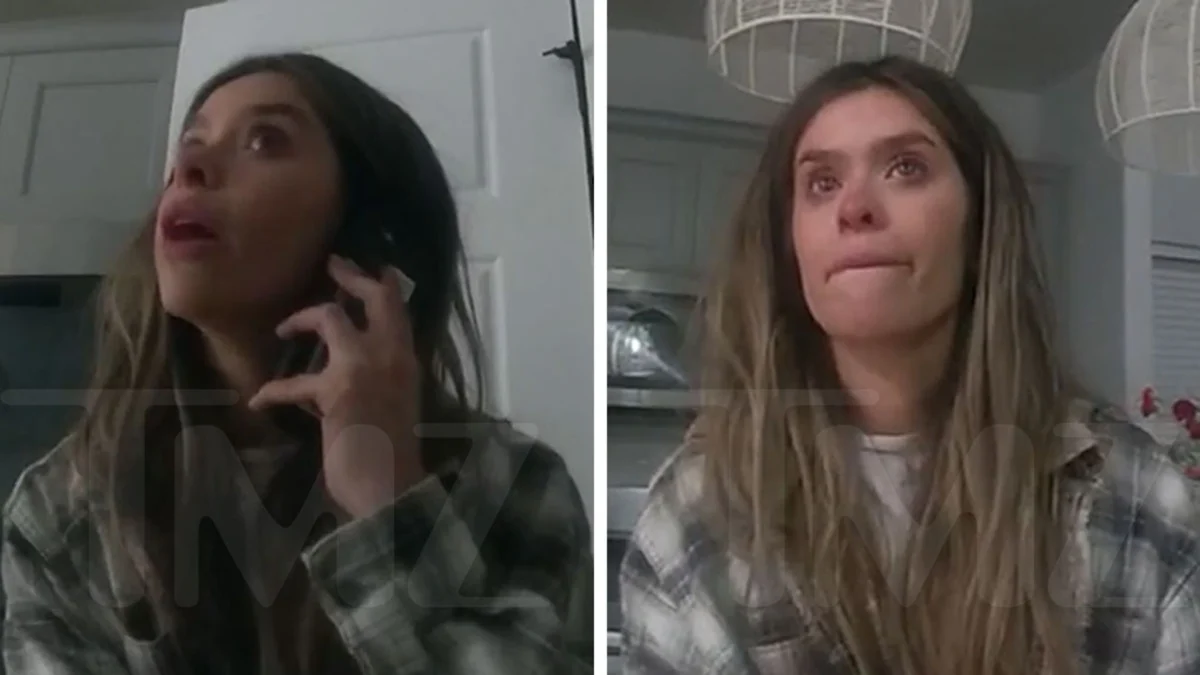
New revelations regarding the 2023 arrest of social media personality Taylor Frankie Paul have emerged with the public release of body camera footage, painting a vivid picture of a confrontational encounter between Paul and Herriman City Police officers. The footage, obtained by TMZ and published on March 24, 2026, captures Paul, a prominent figure known for her "Mormon TikTok" presence and role in "Secret Lives of Mormon Wives," exhibiting signs of severe intoxication and a defiant attitude towards law enforcement personnel responding to a domestic incident at her Utah residence. The release of this video brings into sharper focus the circumstances that led to her eventual guilty plea to aggravated assault and a subsequent three-year probation sentence.
The Confrontation Unfolds: A Detailed Account of the Arrest Night
The body camera video commences with officers arriving at Paul’s home, where they are immediately met with a visibly impaired individual. Paul, whose words were slurred and whose movements betrayed a struggle to maintain balance, engaged in a series of agitated exchanges with the officers. Her demeanor fluctuated between tearful accusations and sharp, challenging questions directed at the responding personnel. This initial interaction set the tone for a tense encounter, which would ultimately lead to her arrest.
Officers, trained to assess and de-escalate volatile situations, noted Paul’s obvious signs of intoxication. Despite their attempts to gather information and establish control, Paul repeatedly interjected with personal inquiries and pointed questions regarding their professional duties. At one particularly striking moment, she directly challenged an officer, asking, "What is your job, exactly?" This line of questioning, coupled with her impaired state, underscored the difficulty officers faced in managing the situation. Her persistent queries extended to seemingly trivial matters, such as asking if she was permitted to drink water, further highlighting her disoriented state and potential lack of understanding of the gravity of the situation.
A notable segment of the footage captures Paul dismissing the officers’ assessment of her intoxication level. When confronted with the observation that she appeared "extremely intoxicated," Paul retorted by claiming she was merely a "2 outta 10" on an intoxication scale. In a further attempt to dispute the officers’ judgment, she offered to be tested with a "blezeryzer," presumably a mispronunciation of a breathalyzer. This offer, seemingly made with the conviction that it would vindicate her, instead served as another indicator of her impaired judgment and detachment from the reality of her condition. The officers, however, continued to rely on their visual assessment and observations of her behavior, which clearly pointed to a significant level of impairment.
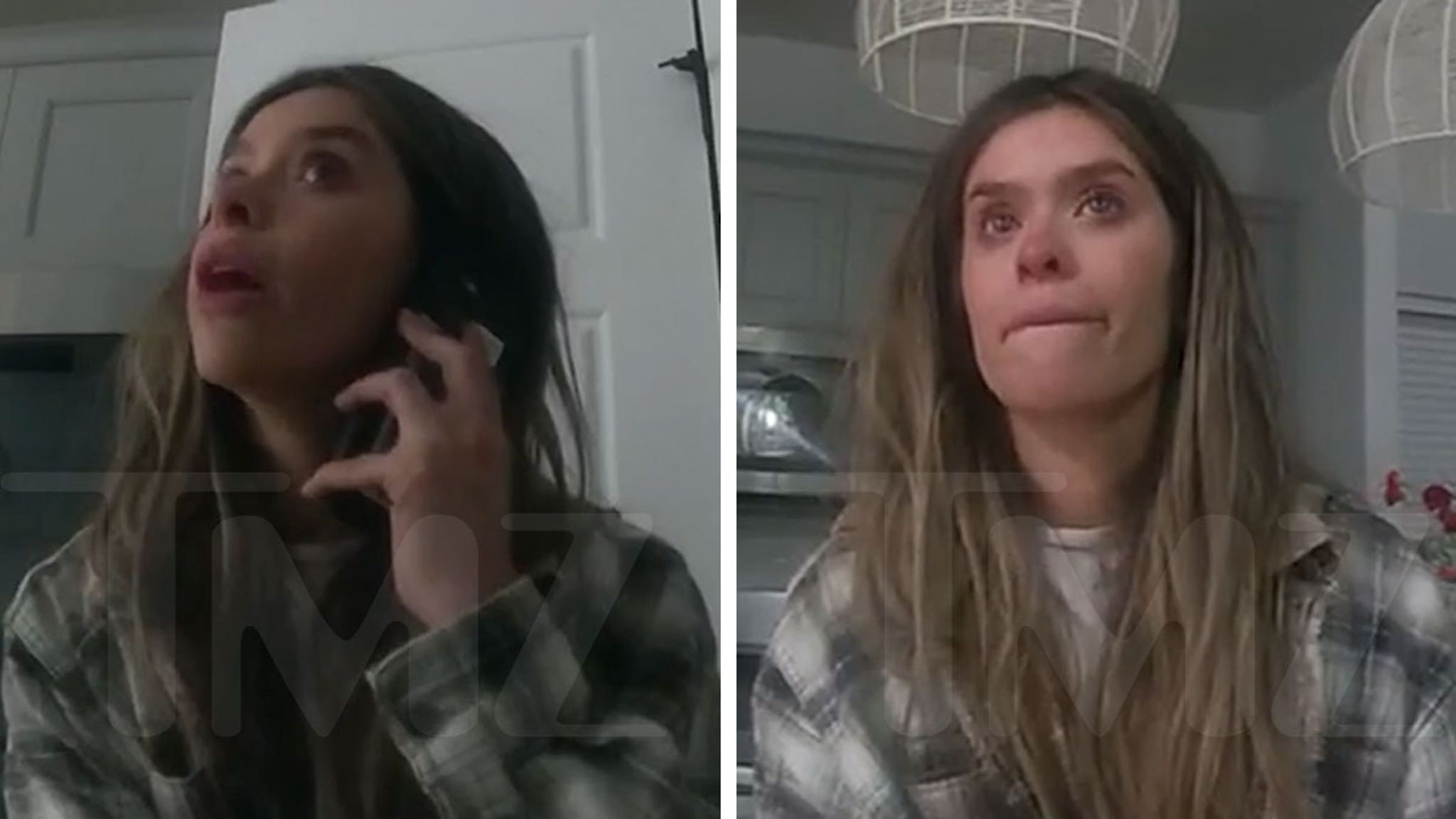
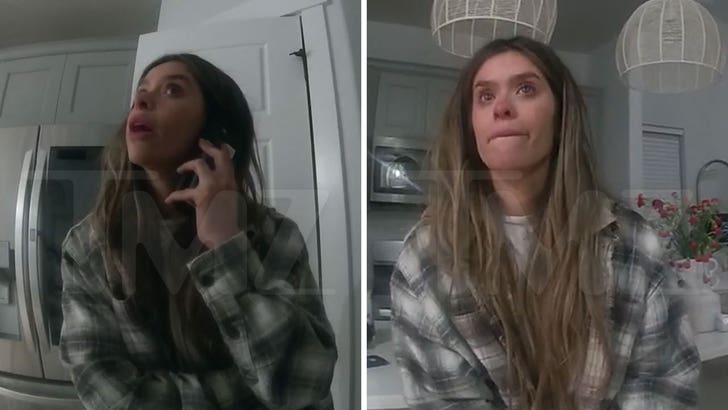
Throughout the recorded interaction, Paul made repeated claims that her boyfriend, Dakota Mortensen, had physically pushed her into the garage. These accusations were often delivered amidst emotional breakdowns, as Paul was seen breaking down in tears while recounting her version of events to the officers. The complexity of domestic disputes often involves conflicting narratives, and the officers were tasked with discerning the primary aggressor in a highly charged and emotional environment. This phase of the investigation is crucial, as identifying the primary aggressor dictates the subsequent legal actions and charges.
Determining the Primary Aggressor: A Pivotal Shift
Despite Paul’s emotional pleas and accusations against Mortensen, the Herriman City Police officers ultimately concluded that Taylor Frankie Paul herself was the primary aggressor in the domestic incident. This determination is a critical legal threshold in domestic violence cases, often based on a comprehensive assessment of physical evidence, witness statements, and the observable demeanor and injuries of all parties involved. In Utah, like many states, law enforcement is mandated to identify the primary physical aggressor to prevent dual arrests and to focus enforcement efforts on the party deemed responsible for initiating or escalating the violence.
The shift in the officers’ assessment from initially responding to Paul’s distress to identifying her as the aggressor marked a significant turning point in the night’s events. The body camera footage reportedly captured the subsequent escalation as officers moved to take Paul into custody. The chaotic nature of this phase, unfolding in real-time on camera, underscores the unpredictable and often dangerous realities faced by law enforcement during domestic calls. The specific details of this escalation, while not fully delineated in the initial report, are understood to have been sufficient for officers to proceed with an arrest on charges related to domestic violence.
The Legal Aftermath: Charges, Plea, and Probation
Following her arrest in 2023, Taylor Frankie Paul faced a series of serious charges. These included aggravated assault, domestic violence in the presence of a child, child abuse, and criminal mischief. Each of these charges carries significant legal ramifications, particularly those involving children, which are often viewed with increased severity by the courts. The presence of a child during a domestic dispute can elevate charges and influence sentencing outcomes, reflecting society’s imperative to protect minors from exposure to violence and abuse.
The legal process for Paul culminated in a plea agreement. As previously reported, Paul ultimately pleaded guilty to aggravated assault. In exchange for this plea, prosecutors agreed to drop the other four charges, including the critical allegations of domestic violence in the presence of a child, child abuse, and criminal mischief. This type of plea bargain is a common occurrence in the criminal justice system, allowing defendants to accept responsibility for a lesser charge while avoiding the uncertainty and potential harsher penalties of a full trial on multiple counts. For the prosecution, it often secures a conviction without expending the resources required for a lengthy court battle.
On March 17, 2026, Paul was sentenced to three years of probation, which is currently scheduled to conclude in August 2026. Probation is a form of court-ordered supervision that allows an offender to remain in the community rather than serving a jail or prison sentence, under specific conditions. These conditions typically include regular check-ins with a probation officer, adherence to all laws, avoiding substance abuse, and sometimes participation in counseling or anger management programs. Failure to comply with any of these conditions can result in the revocation of probation and the imposition of the original jail or prison sentence. For Paul, this period of probation signifies a continued legal oversight, requiring strict adherence to court mandates during a critical phase of her public life.
Taylor Frankie Paul: A Social Media Persona Under Scrutiny
Taylor Frankie Paul rose to prominence as a social media influencer, particularly on platforms like TikTok, where she gained a substantial following by sharing aspects of her life, often within the context of her Mormon faith. Her candidness, relatability, and participation in the reality series "Secret Lives of Mormon Wives" further cemented her public image. However, her public persona has also been marked by controversy, including a highly publicized "swinger" scandal that drew significant media attention and scrutiny to her personal life.
The latest revelations from the body camera footage add another layer of complexity to Paul’s public narrative. For public figures, incidents involving law enforcement and allegations of domestic violence can have profound and lasting impacts on their careers and reputation. The stark contrast between the curated, often idealized image presented on social media and the raw, unedited reality captured by police body cameras can be particularly jarring for followers and the broader public. This incident serves as a stark reminder of the challenges public figures face when their private struggles become public spectacle.
The Impact of Body Camera Footage on Public Accountability
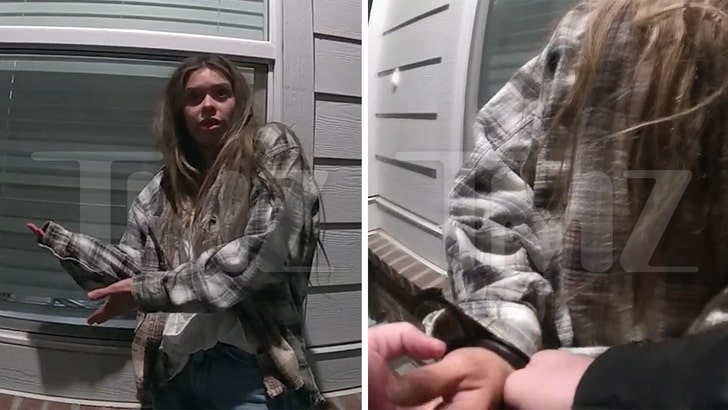
The release of body camera footage has become an increasingly significant tool for transparency and accountability in law enforcement. For cases involving public figures, such footage can offer an unvarnished view of events, often challenging or confirming existing narratives. In Paul’s case, the video provides undeniable visual and auditory evidence of her state and behavior during the incident, allowing the public to witness firsthand the interaction that led to her arrest.
This transparency, while sometimes uncomfortable, plays a crucial role in public discourse, shaping perceptions of both the individuals involved and the actions of law enforcement. It provides factual documentation that can inform legal proceedings, public opinion, and journalistic reporting. In an era where misinformation can proliferate rapidly, authenticated footage offers a critical anchor to reality, allowing for a more informed understanding of complex situations.
Broader Implications: Domestic Incidents and Public Figures
The Taylor Frankie Paul case resonates within a broader discussion about domestic violence, accountability for public figures, and the role of social media in amplifying personal crises. Domestic incidents, regardless of the individuals involved, are inherently complex, often involving intricate emotional dynamics, substance use, and conflicting accounts. When these incidents involve public figures, they are subjected to intense public scrutiny, which can be both a mechanism for accountability and a source of significant pressure.
The legal outcome, with Paul pleading guilty to aggravated assault and receiving probation, highlights the justice system’s approach to such cases. While the dropping of other charges, particularly those related to child presence, might raise questions for some, it is a common outcome in plea negotiations, where prosecutors weigh the certainty of a conviction against the potential risks and resources of pursuing all charges at trial. The three-year probation period underscores the court’s view of the seriousness of the aggravated assault charge, mandating a period of supervised rehabilitation and good behavior.
For Paul, the conclusion of her probation in August 2026 will mark the end of her formal legal obligations related to this incident. However, the impact on her public image and career may continue to unfold. The sustained media attention and the indelible record of the body camera footage will likely remain a part of her public narrative, influencing her professional trajectory and public reception for years to come. This case serves as a powerful reminder of the intricate interplay between personal conduct, public image, and legal consequences in the digital age, particularly for those whose livelihoods are intertwined with their public persona.


 Yuyun Lusiyani
 Joko Widodo
 Eva Lovia
 Pevita Pearce

 Lina Irawan