
 Ana Megawati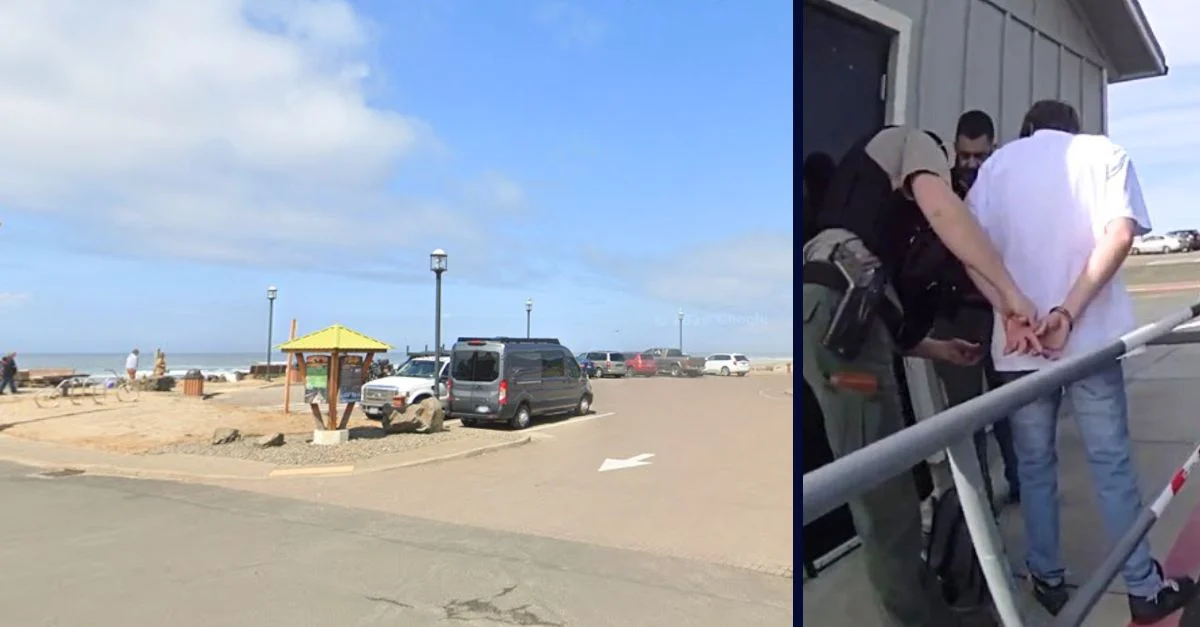
A tranquil Sunday afternoon in Rockaway Beach, Oregon, was shattered by a harrowing sequence of events that began with a vehicle collision and rapidly escalated into a violent assault, leaving a community shaken and a family traumatized. The incident unfolded in the bustling Rockaway Beach Wayside parking lot, a popular spot for visitors and locals alike, when a pregnant mother, carrying her two-year-old son, was struck by a vehicle. Her husband’s subsequent confrontation with the driver led to him being stabbed in the back by a passenger, identified by authorities as 25-year-old Izac Rutledge. The Tillamook County Sheriff’s Office swiftly responded, apprehending Rutledge and initiating a comprehensive investigation into the shocking broad daylight attack.
A Violent Escalation in Rockaway Beach
The incident, which Sheriff Josh Brown of the Tillamook County Sheriff’s Office described as escalating "quickly," has drawn significant attention to public safety in popular tourist destinations. At approximately 1:00 p.m. on Sunday, the victim’s family was navigating the Rockaway Beach Wayside parking lot. The area, known for its scenic views and easy access to the beach, is frequently crowded, particularly on weekends. According to initial reports from the Tillamook County Sheriff’s Office, a silver Jeep Patriot collided with the pregnant woman, who was walking with her husband and carrying their young child. While the exact circumstances leading to the collision are still under investigation, the impact itself set off a chain reaction of events that would soon turn violent.
The immediate aftermath saw the husband, understandably distressed and protective of his family, approach the Jeep to confront the female driver regarding the accident. Such confrontations, while often heated, rarely devolve into physical violence of this magnitude. However, in this instance, the situation took a grave turn. A passenger in the Jeep, later identified as Izac Rutledge, exited the vehicle during the confrontation and, without warning, stabbed the husband in the back with a weapon. The suddenness and brutality of the attack left witnesses stunned and the victim seriously injured.
The Immediate Aftermath and Community Shock
Following the stabbing, Rutledge re-entered the Jeep, and the vehicle sped away from the scene, leaving the wounded man and his distraught family behind. The callous act of fleeing after such a violent incident compounded the trauma for the victims and highlighted the egregious nature of the assault. However, the driver of the Jeep, after traveling a few blocks, reportedly stopped the vehicle and returned to the parking lot on foot, seemingly to cooperate with law enforcement. Rutledge, in contrast, chose a different path, attempting to evade capture by fleeing on foot.
The Rockaway Beach Wayside parking lot, typically a place of leisure and enjoyment, was transformed into an active crime scene. The immediate focus shifted to the well-being of the victims. The pregnant mother and her two-year-old son, though suffering undisclosed injuries, were reported by the sheriff’s office to be "expected to be okay." This news offered a small measure of relief amidst the chaos. The adult male victim, suffering from a stab wound, was transported to a local hospital. Fortunately, his injuries were not life-threatening, and he is also expected to recover. The potential for far more serious, even fatal, injuries was evident, a point emphasized by Sheriff Brown, who commended the swift response of his deputies and the invaluable assistance provided by citizens present at the scene.
Chronology of a Crisis: From Collision to Capture
The sequence of events on that fateful Sunday afternoon provides a stark timeline of escalating danger and rapid law enforcement intervention.
Sunday, Approximately 1:00 p.m.: The incident begins in the Rockaway Beach Wayside parking lot. A pregnant woman, carrying her 2-year-old son and walking with her husband, is struck by a silver Jeep Patriot. The family was reportedly enjoying what started as a typical weekend outing in the popular coastal town.
Moments Later: The husband approaches the Jeep to confront the female driver about the collision involving his pregnant wife and child. This confrontation, fueled by concern and adrenaline, quickly draws attention.
During the Confrontation: Izac Rutledge, a 25-year-old passenger in the Jeep, exits the vehicle. Without apparent provocation beyond the ongoing verbal exchange, he brandishes a weapon and stabs the husband in the back. The attack is sudden and brutal, leaving the victim bleeding and the scene in disarray.
Immediate Flight: Following the stabbing, Rutledge immediately re-enters the Jeep. The vehicle, with the female driver, then "fled the scene," according to police reports, abandoning the injured man and his family. This act of fleeing constitutes a serious offense, further escalating the legal implications of the incident.
Shortly After Fleeing: The Jeep travels "a few blocks" before stopping. The female driver then makes the decision to return to the Rockaway Beach Wayside parking lot on foot. Her decision to return and cooperate with authorities would later prove crucial in the investigation.
Rutledge’s Escape Attempt: Upon the Jeep’s stop, Izac Rutledge takes advantage of the opportunity to flee on foot, attempting to escape detection. He reportedly tried to change his clothing in an effort to alter his appearance and confuse potential witnesses or pursuing officers.
Law Enforcement Mobilization: The Tillamook County Sheriff’s Office receives reports of the stabbing and collision. Deputies are immediately dispatched to the scene, initiating a rapid response that includes securing the area, providing aid to the victims, and gathering witness statements.
Investigation and Search: Upon arrival, deputies interview the cooperating female driver and other witnesses. Information regarding Rutledge’s description and his attempt to change clothes is quickly disseminated among responding units, narrowing the search parameters.
Apprehension: "A short time later," through coordinated efforts and effective information sharing, deputies successfully locate Izac Rutledge. He is taken into custody without further incident, bringing an end to the immediate threat and allowing the investigation to proceed fully.
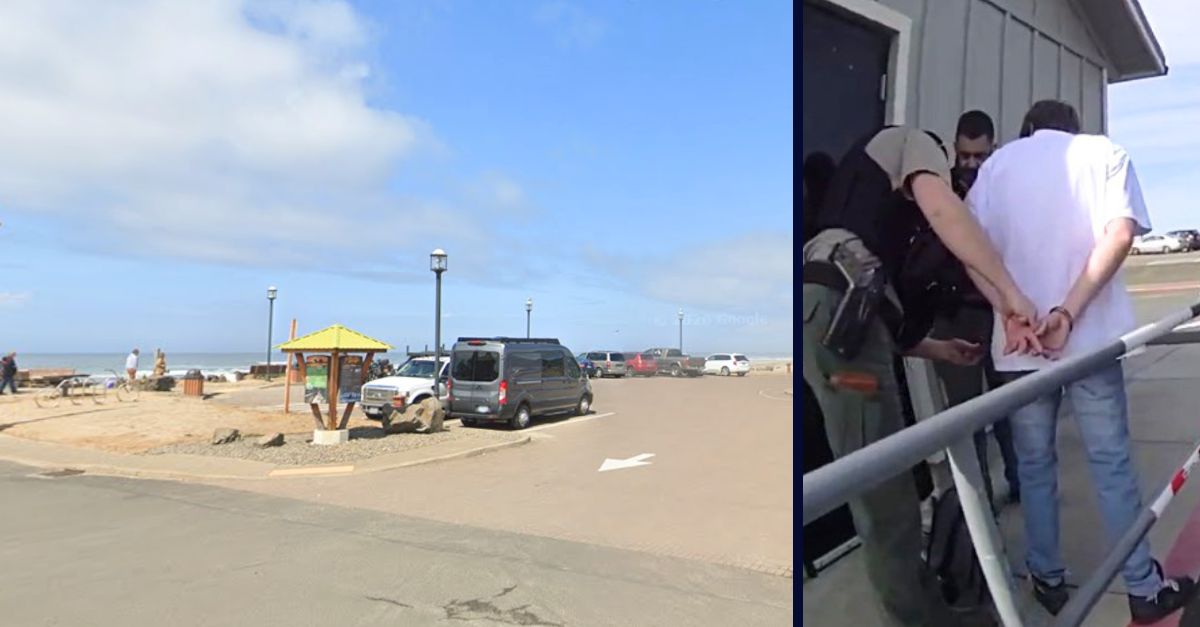
This detailed timeline underscores the rapid unfolding of events and the efficiency of the Tillamook County Sheriff’s Office in managing a high-stress situation involving multiple moving parts.
The Scene: Rockaway Beach Wayside Parking Lot
The Rockaway Beach Wayside parking lot is more than just a place to park cars; it’s a gateway to one of Oregon’s beloved coastal attractions. Located directly off Highway 101, it offers convenient access to Rockaway Beach, famous for its seven miles of sandy coastline, the iconic Twin Rocks offshore, and its vibrant, if small, tourist economy. On a Sunday afternoon, especially during warmer months, the lot and surrounding areas would typically be bustling with families, tourists, and locals enjoying the Oregon Coast. This context highlights the public nature of the incident, making the brazenness of the attack even more alarming.
Parking lots, by their very nature, are often sites of minor fender-benders due to high traffic volume, tight spaces, and distracted drivers. However, the escalation from a minor collision to a violent stabbing is an extreme departure from typical parking lot incidents. Such an event in a public, family-oriented space can deeply impact a community’s sense of safety and security, particularly for a town that relies heavily on tourism.
Law Enforcement’s Swift Response
The Tillamook County Sheriff’s Office’s response to the incident was exemplary, characterized by speed, coordination, and effective investigative techniques. Sheriff Josh Brown’s praise for his deputies was well-deserved, as their quick actions were crucial in securing the scene, attending to the victims, and apprehending the suspect before he could escape the area. The initial challenge involved managing a chaotic scene with injured victims, distraught witnesses, and a fleeing suspect. Deputies rapidly gathered critical information from the female driver and other citizens, who provided crucial details about Rutledge’s appearance and his attempt to alter it.
The immediate dissemination of this information allowed officers to establish a perimeter and conduct a targeted search. The fact that Rutledge was located "a short time later" speaks volumes about the efficiency of the law enforcement operation. The use of resources, likely including multiple patrol units and possibly K9 units, would have been coordinated to cover potential escape routes and search areas. The successful apprehension "without further incident" further underscores the professionalism of the deputies involved, preventing any additional harm or prolonged pursuit. This swift resolution undoubtedly helped to mitigate community anxiety in the immediate aftermath of such a violent event.
Legal Ramifications and Charges Filed
Izac Rutledge is now facing a serious array of criminal charges stemming from the Rockaway Beach incident. The charges reflect the gravity of his alleged actions and carry significant legal penalties under Oregon law. He is currently charged with:
- First-Degree Assault: This is the most serious charge and typically involves causing serious physical injury to another person with a deadly weapon or with the intent to cause serious physical injury. In Oregon, First-Degree Assault is a Measure 11 felony, meaning it carries mandatory minimum sentences if convicted, often ranging from several years to over a decade in state prison. The use of a weapon and the nature of the injury to the victim’s back strongly support this charge.
- Menacing: This charge typically involves intentionally placing another person in fear of imminent serious physical injury. Rutledge’s actions of exiting the vehicle and stabbing the victim would undoubtedly constitute menacing behavior, instilling fear not only in the victim but also potentially in his pregnant wife and other witnesses.
- Unlawful Use of a Weapon: This charge applies when a person uses or attempts to use a dangerous weapon in a manner not justified by self-defense, or carries a concealed weapon without a license with the intent to use it unlawfully. The act of stabbing someone with a weapon clearly falls under this category.
- Disorderly Conduct: While seemingly less severe than the other charges, disorderly conduct can encompass various behaviors that create a public disturbance or inconvenience. In the context of this incident, the violent confrontation, stabbing, and subsequent flight in a public parking lot would certainly disrupt public order and peace.
Rutledge is scheduled to be arraigned on April 3. An arraignment is a formal reading of criminal charges in the presence of the defendant, where the defendant is asked to enter a plea (guilty, not guilty, or no contest). It is also typically where bail is set or reviewed. Given the serious nature of the charges, particularly First-Degree Assault, it is likely that the prosecution will argue for a high bail amount or even no bail, deeming Rutledge a flight risk or a danger to the community.
Understanding the Charges: Assault, Menacing, and More
Delving deeper into the legal definitions helps to clarify the potential consequences Rutledge faces. First-Degree Assault in Oregon, as codified in ORS 163.185, requires proof that a person intentionally caused serious physical injury to another by means of a deadly weapon, or intentionally caused serious physical injury to another. A stab wound to the back resulting in hospitalization clearly meets the "serious physical injury" criterion. The "deadly weapon" element is also straightforward given the use of a knife or similar instrument. The mandatory minimum sentencing associated with Measure 11 felonies means that plea bargains for these charges are often less flexible, and a conviction can lead to significant incarceration.
Menacing (ORS 163.190) focuses on the psychological impact of the threat. The act of drawing a weapon and using it in a confrontation is inherently menacing. Unlawful Use of a Weapon (ORS 166.220) is designed to deter the misuse of dangerous implements. It’s not just about possession, but about the manner of use. Finally, Disorderly Conduct (ORS 166.025) covers a broad range of behaviors that disrupt public peace, safety, or order. The entire incident, from the collision to the stabbing and flight, created a significant public disturbance in a busy area. Each of these charges contributes to the overall legal gravity of Rutledge’s situation and will be thoroughly investigated and prosecuted by the Tillamook County District Attorney’s office.
Public Safety Concerns and Community Impact
The Rockaway Beach incident serves as a stark reminder of the unpredictable nature of public spaces and the potential for everyday interactions to devolve into violence. For a community like Rockaway Beach, which thrives on its welcoming atmosphere and reputation as a safe, family-friendly destination, such an event can have a disproportionate impact.
The broader implications extend beyond the immediate victims and the accused. Local businesses, which rely on a steady stream of tourists, may experience a temporary dip in visitor confidence. Residents may feel a heightened sense of vigilance or anxiety when frequenting public areas. While law enforcement acted swiftly and effectively, the underlying factors that lead to such violent outbursts in public settings remain a concern for communities nationwide. Data on parking lot incidents, while often focusing on property damage or minor altercations, occasionally reveal more severe instances of road rage or interpersonal violence escalating in these confined spaces. The presence of a weapon in this context underscores the inherent danger when disputes escalate.
The Ripple Effect on a Coastal Community
The "ripple effect" of an incident like this extends deep into the fabric of a small coastal community. Rockaway Beach, with a permanent population of just over 1,400 residents, relies heavily on its seasonal influx of tourists. News of violence, especially involving a family and occurring in a prominent public space, can quickly spread and impact the town’s image. Local leaders and business owners will likely need to reassure visitors and residents that this was an isolated incident and that public safety remains a top priority.
Community engagement and vigilance played a crucial role in Rutledge’s capture, as Sheriff Brown noted the assistance from citizens who provided information. This highlights the importance of community watchfulness and cooperation with law enforcement in maintaining public safety. While this incident was tragic, it also serves as a testament to the community’s resilience and its ability to come together in times of crisis. Discussions around increased security measures in public areas, awareness campaigns for de-escalation tactics, or simply promoting a stronger sense of community vigilance might emerge from this event.
Moving Forward: The Judicial Process and Victim Support
As Izac Rutledge’s case proceeds through the Oregon judicial system, the focus will shift to ensuring justice for the victims and upholding the rule of law. The arraignment on April 3 marks the official start of a potentially lengthy legal battle, involving evidence presentation, witness testimonies, and legal arguments. The Tillamook County District Attorney’s office will be tasked with prosecuting the case rigorously, seeking to hold Rutledge accountable for his alleged actions.
For the victims—the pregnant mother, her young son, and the stabbed husband—the journey to recovery will involve not only physical healing but also emotional and psychological support. While their physical injuries are expected to heal, the trauma of being involved in such a violent and sudden incident can linger. Access to victim services, counseling, and support networks will be crucial in helping them navigate the aftermath. The swift action of the sheriff’s office in apprehending the suspect may offer some sense of closure and security, allowing the family to focus on their recovery without the immediate threat of the assailant remaining at large.
This incident, while deeply disturbing, underscores the critical role of law enforcement in maintaining order and safety, the fragility of peace in public spaces, and the profound impact that acts of violence can have on individuals and entire communities. The Rockaway Beach incident will likely remain a somber point of discussion for some time, a reminder of the need for vigilance and collective efforts to foster a safe environment for everyone.

 Yuyun Lusiyani
 Joko Widodo
 Jia Lissa
 Pevita Pearce
 admin
admin
