
 Ana Megawati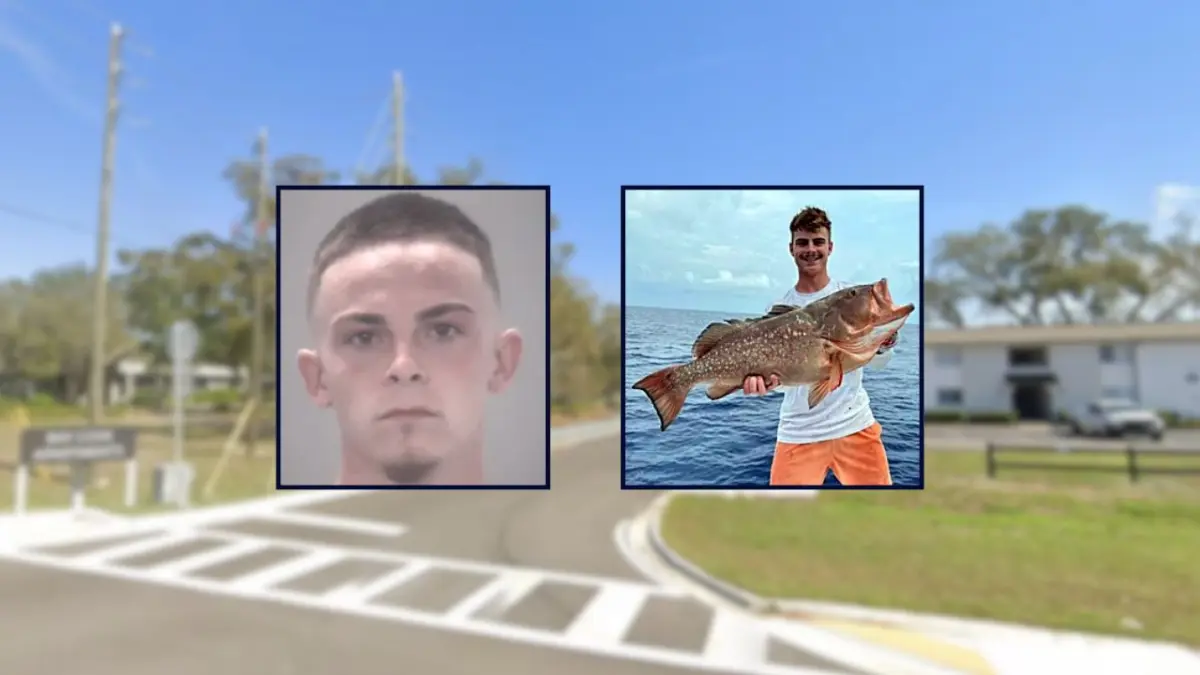
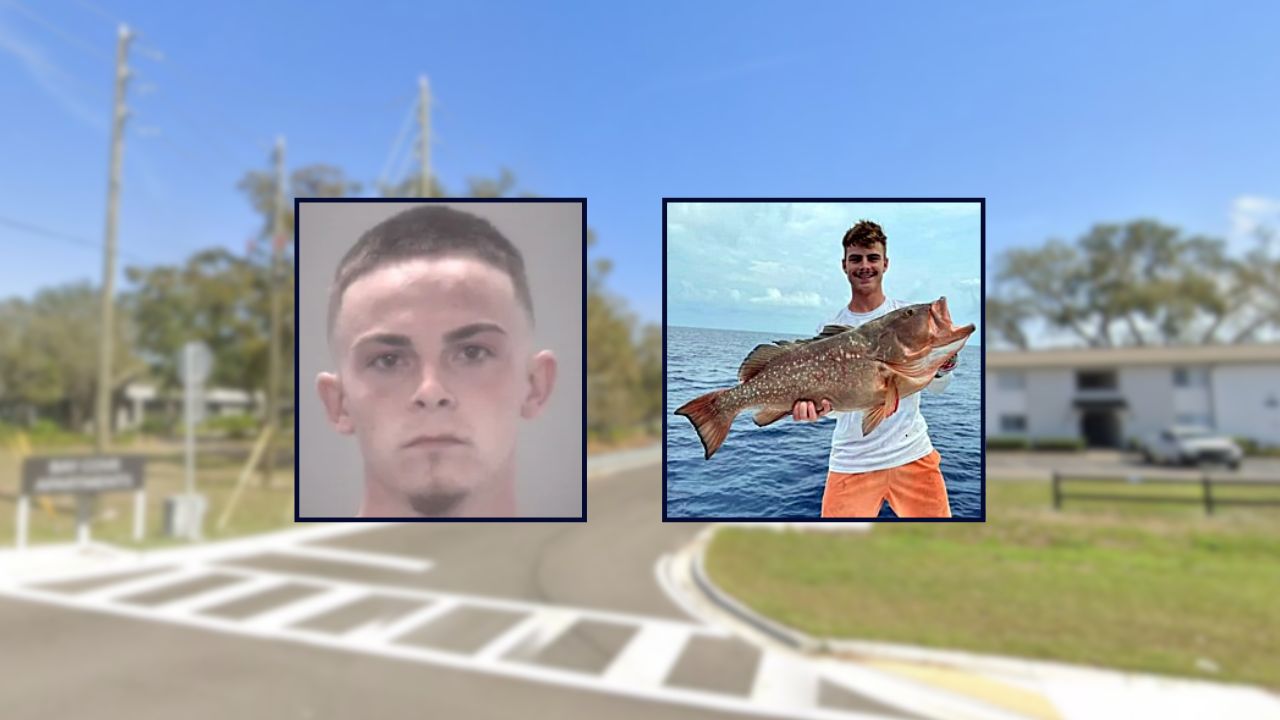
A Florida man will spend 30 years in state prison following his conviction for the second-degree murder of his ex-girlfriend’s new partner during a late-night confrontation in July 2022. Stuart Beck, 25, received the substantial sentence this week from Sixth Judicial Circuit Judge Philippe Matthey in Pinellas County, concluding a legal process that illuminated the volatile and tragic consequences of a love triangle dispute. The victim, 20-year-old Michael Conrad, lost his life in an incident that both the prosecution and defense presented with sharply contrasting narratives, ultimately leading a jury to reject claims of accidental shooting or self-defense.
The Conviction and Sentencing
The sentencing of Stuart Beck on Monday, following a July jury conviction for second-degree murder, marks a somber resolution to a case that captivated local attention in the Clearwater area. Judge Matthey’s imposition of a 30-year sentence reflects the gravity of the jury’s finding that Beck acted with a depraved mind, regardless of any direct intent to kill, during the fatal encounter. Second-degree murder in Florida, defined as a killing committed with a "depraved mind" but without premeditation, carries a potential sentence of life imprisonment, making Beck’s three-decade term a significant penalty within the state’s legal framework. This conviction specifically denotes that the jury believed Beck’s actions, though perhaps not pre-planned to result in death, were nevertheless dangerous and reckless enough to cause death, showing a disregard for human life. The case underscores the serious repercussions for individuals who resort to violence in personal disputes, particularly when firearms are involved.
Chronology of a Fatal Confrontation
The tragic events unfolded in the early morning hours of July 6, 2022, at the Bay Cove Apartments, located at 19135 U.S. Highway 19 North in Clearwater, a populous city situated approximately 20 miles west of Tampa on Florida’s Gulf Coast. The apartment complex, which has since been defunct, became the scene of a fatal shooting rooted in a contentious romantic dispute.
According to court records and trial testimony, Beck arrived at the apartment shared by his former girlfriend, with whom he still held a lease, and confronted Michael Conrad. While Beck initially claimed he was unaware of Conrad’s presence, prosecutors presented compelling testimony from the woman at the center of the dispute, who stated that Beck had called her prior to his arrival, explicitly stating he knew Conrad was there because he had seen Conrad’s truck parked outside. This detail became crucial in dismantling Beck’s narrative, suggesting a degree of intent or at least awareness that directly contradicted his initial assertions.
The confrontation quickly escalated. Prosecutors argued that Beck forcibly entered the apartment by kicking in the door, a key element used to refute any claim of lawful presence or self-defense. What followed was a violent struggle culminating in Beck firing a single, fatal shot into Conrad’s chest. The immediate aftermath saw emergency services respond to the scene, but efforts to save Conrad were unsuccessful, and he was pronounced dead. Beck was subsequently arrested and charged with murder. The swiftness of the incident, from initial entry to the fatal shot, painted a picture of a situation spiraling out of control rapidly, fueled by jealousy and anger.
The Shifting Defense and Prosecution’s Rebuttal
From the moment of his arrest through the duration of his trial, Stuart Beck’s account of the shooting underwent significant changes, a factor that prosecutors highlighted extensively to challenge his credibility. Initially, Beck maintained that the shooting was entirely accidental, a tragic misfire during a chaotic struggle. However, when he took the stand during his trial, his testimony shifted dramatically. He admitted that while he "didn’t mean to kill him," he "meant for the gun to go off." This crucial distinction attempted to frame his actions as intentional discharge of a firearm without the direct intent to cause death, a nuanced legal position designed to mitigate the charge.
Beck’s defense hinged primarily on a claim of self-defense. He testified that he felt "in fear for my life" during a final confrontation in a bedroom. He recounted a scenario where he, Conrad, and two of Conrad’s friends had previously engaged in a physical altercation, leaving Beck allegedly beaten. During the fatal encounter, Beck claimed he and Conrad were "wrestling for the gun." He stated, "I had tried to raise my hand to get him to let go, and at that time he had his other hand on the gun, and I started losing grip, and I tried to hit him with the gun to get him to let go, and he didn’t let go. I felt it was in my best interest to shoot him at that time otherwise he would get the gun." This testimony aimed to portray Beck as acting under duress, believing his life was in imminent danger.
The state, however, mounted a robust challenge to this narrative. Prosecutors meticulously presented evidence and testimony designed to dismantle the self-defense claim, starting with Beck’s forced entry into the apartment. A prosecutor forcefully argued, "You cannot break down a door, break into an apartment, point a gun at someone who has nothing on him. That’s not self-defense, members of the jury, that’s murder. You don’t get so close to somebody and put a pistol up against their chest as an accident." This line of argument focused on the initial aggressor status of Beck, asserting that one cannot claim self-defense after initiating a violent intrusion. The prosecution also emphasized that Conrad was unarmed, making Beck’s claim of fear for his life less credible in the face of his armed aggression. The contrast between Beck’s shifting stories and the consistent narrative presented by the state ultimately influenced the jury’s decision.
Legal Distinctions: Murder vs. Manslaughter
The trial’s outcome, a conviction for second-degree murder, reflected the jury’s careful consideration of the legal definitions presented. Defense attorney Scott Tremblay argued vigorously for a lesser charge, stating, "This is a heat-of-passion shooting; this is a love triangle. This is a manslaughter case at best." Understanding the distinctions between first-degree murder, second-degree murder, and manslaughter is crucial to appreciating the jury’s verdict.
- First-Degree Murder: In Florida, this charge requires premeditation – a conscious intent to kill that is formed before the act, however brief. Prosecutors often seek this charge in cases where there is evidence of planning or a deliberate decision to take a life. The jury’s rejection of this charge indicates they did not find sufficient evidence that Beck had a pre-existing plan or specific intent to kill Michael Conrad when he arrived at the apartment.
- Second-Degree Murder: This is the charge for which Beck was convicted. It involves a killing committed with a "depraved mind" but without premeditation. A "depraved mind" is defined as one that has an ill will, hatred, spite, or an evil intent, and which is indifferent to the life of another, such that the killing is done in a manner showing a disregard for human life. The jury’s verdict implies they believed Beck’s actions, such as forcibly entering the apartment and discharging a firearm in a close-quarters confrontation, met this standard, even if he didn’t explicitly set out to end Conrad’s life. His admission that he "meant for the gun to go off" likely contributed to this finding.
- Manslaughter: This charge typically applies when a killing occurs without malice or premeditation, often in the "heat of passion" or as a result of criminal negligence. The defense’s argument for manslaughter suggested that Beck acted impulsively, under extreme emotional disturbance, and without the malicious intent or "depraved mind" required for murder. The jury’s rejection of manslaughter indicates they found Beck’s actions went beyond a mere emotional outburst or negligence, possessing a higher degree of culpability consistent with a "depraved mind."
The jury’s decision to convict on second-degree murder suggests they acknowledged the volatile nature of the "love triangle" but found Beck’s actions to be more severe than a simple heat-of-passion killing, recognizing the dangerousness and recklessness involved in his conduct.
The Human Cost: Victim Impact Statements
During the sentencing hearing, the profound and lasting impact of Michael Conrad’s death was brought into stark relief through the testimony of his family. One of Conrad’s aunts delivered a poignant victim impact statement, articulating the immense grief and void left by his absence. Her words, as reported by the Tampa Bay Times, resonated with raw emotion: "You didn’t just kill him; you killed laughter in our home. You killed quiet moments that should have been filled with his voice. You condemned us to a lifetime of grief, and I hope you carry that same burden."
These statements are a critical component of the American justice system, providing victims’ families an opportunity to convey the personal devastation caused by violent crime. They serve not only to humanize the victim in the eyes of the court but also to impress upon the convicted the irreversible consequences of their actions. For Michael Conrad’s family, the sentence, while providing a measure of closure, can never truly alleviate the pain of their loss. The absence of a young life, tragically cut short at just 20 years old, leaves an indelible mark on his loved ones, altering the fabric of their lives forever. Such testimonies underscore that violent crimes reverberate far beyond the immediate incident, affecting communities and families for generations.
Broader Implications and Context
The Stuart Beck case highlights several broader societal issues, particularly concerning relationship violence and the presence of firearms in domestic disputes. Clearwater, like many communities across the United States, grapples with the complexities of interpersonal conflicts that can escalate rapidly, sometimes with fatal consequences.
- Relationship Violence: The underlying "love triangle" motive is a common precursor to violence. Statistics from various law enforcement agencies and advocacy groups consistently show that domestic disputes and relationship-related conflicts are significant drivers of violent crime, often exacerbated by jealousy, possessiveness, and unresolved emotional issues. While not every relationship dispute turns violent, this case serves as a tragic reminder of the potential for escalation.
- Firearms and Escalation: The presence of a firearm in a heated argument significantly increases the likelihood of a fatal outcome. What might otherwise be a physical altercation resulting in injuries can, with a gun, become a murder. This case again demonstrates how a weapon can turn a personal dispute into a capital offense, dramatically altering the lives of all involved.
- Legal Process and Accountability: The journey from the crime scene to the courtroom, through jury trial and sentencing, demonstrates the rigorous process of the justice system in Florida. The varying legal definitions of murder and manslaughter reflect the law’s attempt to categorize culpability based on intent and state of mind, even in complex and emotionally charged situations. The jury’s decision in this case to convict on second-degree murder, rather than first-degree or manslaughter, indicates a nuanced finding regarding Beck’s intent and responsibility.
- Community Impact: Beyond the immediate families, such events have a ripple effect on the community. They can raise concerns about safety, the efficacy of conflict resolution, and the societal cost of unchecked aggression. The Bay Cove Apartments, now defunct, serves as a silent witness to a moment of irreversible violence, a physical location forever marked by a tragic human story.
The 30-year prison sentence for Stuart Beck closes one chapter in this tragic narrative. However, the emotional scars for Michael Conrad’s family, the legal ramifications for Beck, and the broader questions raised about violence in relationships and the role of firearms will undoubtedly endure. The case stands as a stark reminder of the devastating consequences when personal disputes turn deadly, reinforcing the critical need for non-violent conflict resolution and awareness of the dangers inherent in escalating emotional confrontations.


 Yuyun Lusiyani
 Joko Widodo
 Eva Lovia
 Jia Lissa
 Pevita Pearce