
 admin
admin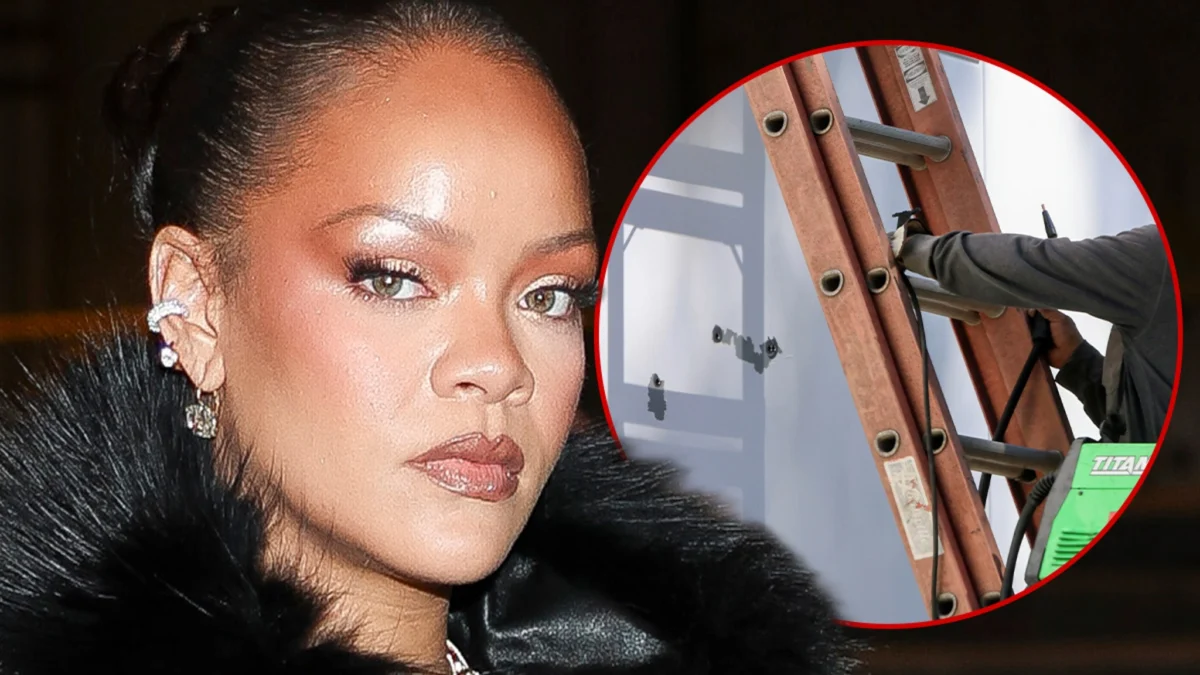
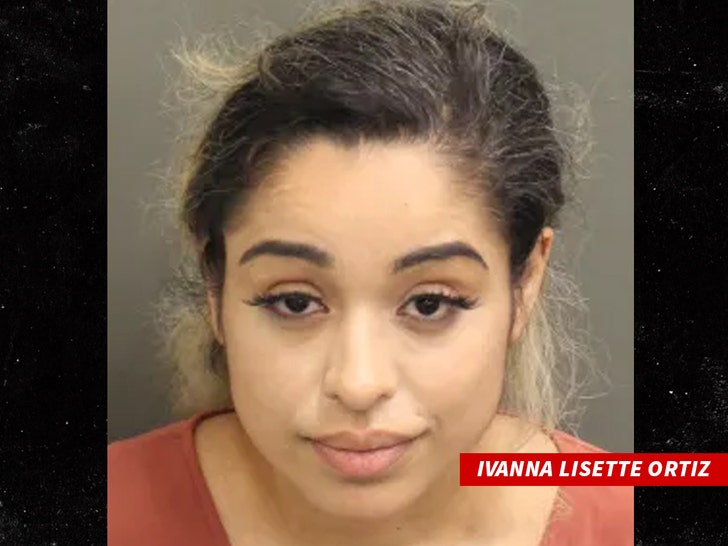
Ivanna Lisette Ortiz, the woman formally charged with attempted murder and multiple other felonies for allegedly firing an AR-15 style rifle at the Beverly Hills residence of global superstar Rihanna, is facing immediate professional repercussions that could jeopardize her career as a licensed speech-language pathologist in California. Prosecutors and the state board overseeing her profession are moving to ensure she cannot practice, especially if she is released from custody, highlighting the serious implications of her alleged actions on her professional standing and public trust.
The Professional Dilemma: A License Under Scrutiny
New legal documents, brought to light recently, reveal that Ortiz holds a valid license to practice speech-language pathology in California, a profession that demands high ethical standards and public trust. This license was issued in April 2016 and is not slated to expire until June 2027. However, the gravity of the charges against her has prompted swift action from authorities. A prominent member of the California Speech-Language Pathology and Audiology and Hearing Aid Dispensers Board has formally requested that Ortiz be barred from practicing her profession should she be released from law enforcement custody, whether on bail or her own recognizance. This intervention underscores the immediate concern for public safety and the integrity of the profession when a licensee faces such severe criminal allegations.
The board’s proactive stance is not uncommon when a licensed professional is accused of crimes that directly impact their suitability for practice, particularly those involving violence or a disregard for public safety. Speech-language pathologists often work with vulnerable populations, including children, the elderly, and individuals with communication disorders, making trust and a clean record paramount. The prospect of an individual facing charges of attempted murder and assault with a deadly weapon continuing to interact with the public in a professional capacity raises significant ethical and safety questions that the board appears keen to address preemptively.
Allegations of a Violent Incident at Rihanna’s Home
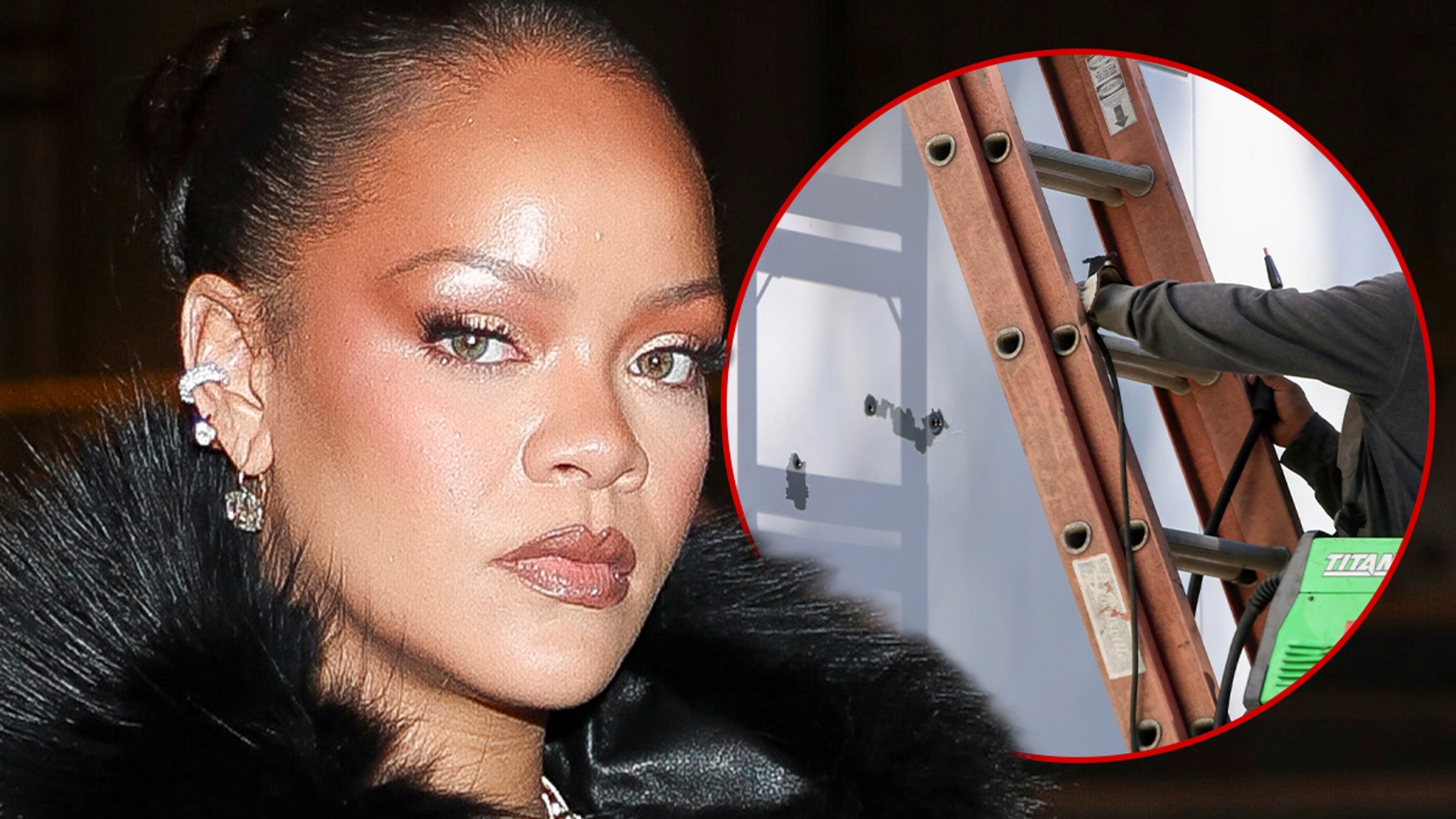
The criminal charges against Ivanna Lisette Ortiz stem from a harrowing incident at Rihanna’s Beverly Hills estate. Ortiz is accused of one count of attempted murder, ten counts of assault with a semiautomatic firearm, and three counts of shooting at an inhabited dwelling. These charges specifically allege that she discharged multiple rounds from an AR-15 style rifle at the property. Compounding the severity of the allegations is the detail that Rihanna, along with her children, was reportedly inside the home at the time of the alleged attack.
The incident sent shockwaves through the community and among Rihanna’s vast fanbase, raising serious concerns about celebrity safety and the increasing prevalence of targeted violence. The choice of weapon, an AR-15 style rifle, speaks to the potential for extreme harm and reinforces the seriousness of the attempted murder charge. Such firearms are designed for rapid, high-volume firing, making any incident involving them inherently dangerous and often lethal. The fact that the dwelling was inhabited, and specifically by a high-profile individual and her young children, elevates the charges and the perceived threat posed by the alleged perpetrator.
Chronology of Events: From Alleged Attack to Legal Battle
The timeline surrounding this case illustrates a rapid progression from the alleged criminal act to the current legal and professional challenges facing Ortiz:
- Early March 2026: The alleged shooting incident occurs at Rihanna’s Beverly Hills residence, involving Ivanna Lisette Ortiz and an AR-15 style rifle. The specifics of the initial police response and investigation are not fully detailed in the immediate reports, but the swift identification and apprehension of a suspect suggest a prompt and effective law enforcement effort.
- March 10, 2026: Ivanna Lisette Ortiz is formally charged with attempted murder, ten counts of assault with a semiautomatic firearm, and three counts of shooting at an inhabited dwelling. These serious charges indicate a strong prosecutorial case based on evidence gathered.
- Mid-March 2026: As the legal process unfolds, details about Ortiz’s background, including her professional licensing, come to light. This discovery prompts concern among authorities and professional licensing bodies.
- March 24, 2026: News breaks regarding the motion filed by California prosecutors and the Speech-Language Pathology and Audiology and Hearing Aid Dispensers Board to prevent Ortiz from practicing her profession if released from custody. This reveals the dual-front legal battle Ortiz is now facing: criminal prosecution and professional license revocation.
- March 26, 2026 (Wednesday morning): Ortiz is scheduled for her arraignment. This is a critical juncture in the criminal proceedings where she will formally hear the charges against her and enter a plea. It is also the point where decisions regarding bail or release on her own recognizance will be made, directly impacting the board’s requested conditions for her professional practice.
This chronology underscores the immediate and multifaceted consequences for individuals accused of serious crimes, particularly those who hold positions of public trust requiring specific professional licenses.
The Role of the Speech-Language Pathology and Audiology and Hearing Aid Dispensers Board
The California Speech-Language Pathology and Audiology and Hearing Aid Dispensers Board is the regulatory body responsible for licensing and disciplining speech-language pathologists, audiologists, and hearing aid dispensers in the state. Its primary mission is to protect the public by ensuring that only qualified and ethical individuals practice these professions. This includes setting standards for education, examining applicants, issuing licenses, and investigating complaints against licensees.
When a licensee faces criminal charges, especially those involving violence, moral turpitude, or a threat to public safety, the board has a statutory obligation to review the case. The board can initiate disciplinary action independently of the criminal court system. This often involves an investigation, a formal accusation, and potentially a hearing. Disciplinary actions can range from probation and suspension to outright revocation of a license. In cases where the alleged conduct poses an immediate and substantial threat to the public, the board may seek an interim suspension order, which allows for a temporary suspension of the license while the disciplinary process unfolds, even before a criminal conviction.
The request by a board member to prevent Ortiz from working with the public upon release is a strong indication that the board views the alleged actions as fundamentally incompatible with the responsibilities and trust inherent in speech-language pathology. It reflects a commitment to safeguarding the public and maintaining the integrity of the profession, sending a clear message that such alleged conduct will not be tolerated from its licensees.
Legal Implications and Potential Outcomes
Ivanna Lisette Ortiz faces a complex legal battle on two fronts. In the criminal arena, an attempted murder charge carries severe penalties, potentially including lengthy prison sentences, if convicted. The additional charges of assault with a semiautomatic firearm and shooting at an inhabited dwelling further amplify the gravity of her situation, each carrying its own set of potential punishments. The prosecution will need to prove beyond a reasonable doubt that Ortiz intended to kill Rihanna or someone in the home, or at minimum, acted with a conscious disregard for human life.
In parallel, the actions initiated by the Speech-Language Pathology and Audiology and Hearing Aid Dispensers Board represent a separate but equally significant threat to her future. Even if Ortiz were to secure bail or be released on her own recognizance, the board’s intervention could legally bar her from practicing. This could take the form of a court-imposed condition of her release or an administrative order from the board itself. A criminal conviction for these types of felonies would almost certainly lead to the revocation of her license, effectively ending her career in the field. Even an acquittal in the criminal case does not automatically absolve her from professional disciplinary action, as the board operates under a different legal standard ("preponderance of the evidence" rather than "beyond a reasonable doubt") and focuses on fitness to practice.
Legal experts suggest that such a dual prosecution is exceptionally challenging for a defendant. The defense would need to navigate both the criminal charges, aiming for acquittal or reduced charges, and simultaneously address the board’s concerns to protect her professional license. The board’s interest in public safety often overrides a presumption of innocence in the context of professional licensing, particularly when the allegations are of such a violent and serious nature.
Broader Impact on Professional Ethics and Public Safety
This high-profile case serves as a stark reminder of the rigorous ethical and conduct standards expected of licensed professionals, particularly those in healthcare fields. The alleged actions of Ivanna Lisette Ortiz, if proven, not only constitute a severe criminal offense but also represent a profound breach of the trust placed in her by virtue of her professional license.
The implications extend beyond Ortiz herself. It reinforces the critical role of professional licensing boards in protecting the public. Their ability to act decisively, even before a criminal conviction, ensures that individuals deemed a potential risk are prevented from engaging in practices that could harm vulnerable clients. For speech-language pathology, a profession built on communication, empathy, and care, the alleged violence stands in stark contrast to its core tenets.
Furthermore, the case highlights the unique challenges and vulnerabilities faced by public figures like Rihanna. The incident underscores the persistent threat of targeted violence and stalking that celebrities often endure, prompting ongoing discussions about security measures and the legal frameworks designed to protect them. The intersection of celebrity culture, mental health, and the legal system continues to present complex societal challenges.
As Ivanna Lisette Ortiz prepares for her arraignment, the legal and professional worlds will be closely watching. The outcome of her criminal trial will undoubtedly dictate the final status of her professional license, but the immediate actions by the Speech-Language Pathology and Audiology and Hearing Aid Dispensers Board signal a firm commitment to upholding professional integrity and ensuring public safety in the face of grave allegations.

 Jia Lissa
 Yuyun Lusiyani
 Joko Widodo
 Eva Lovia

 Pevita Pearce