
 Lina Irawan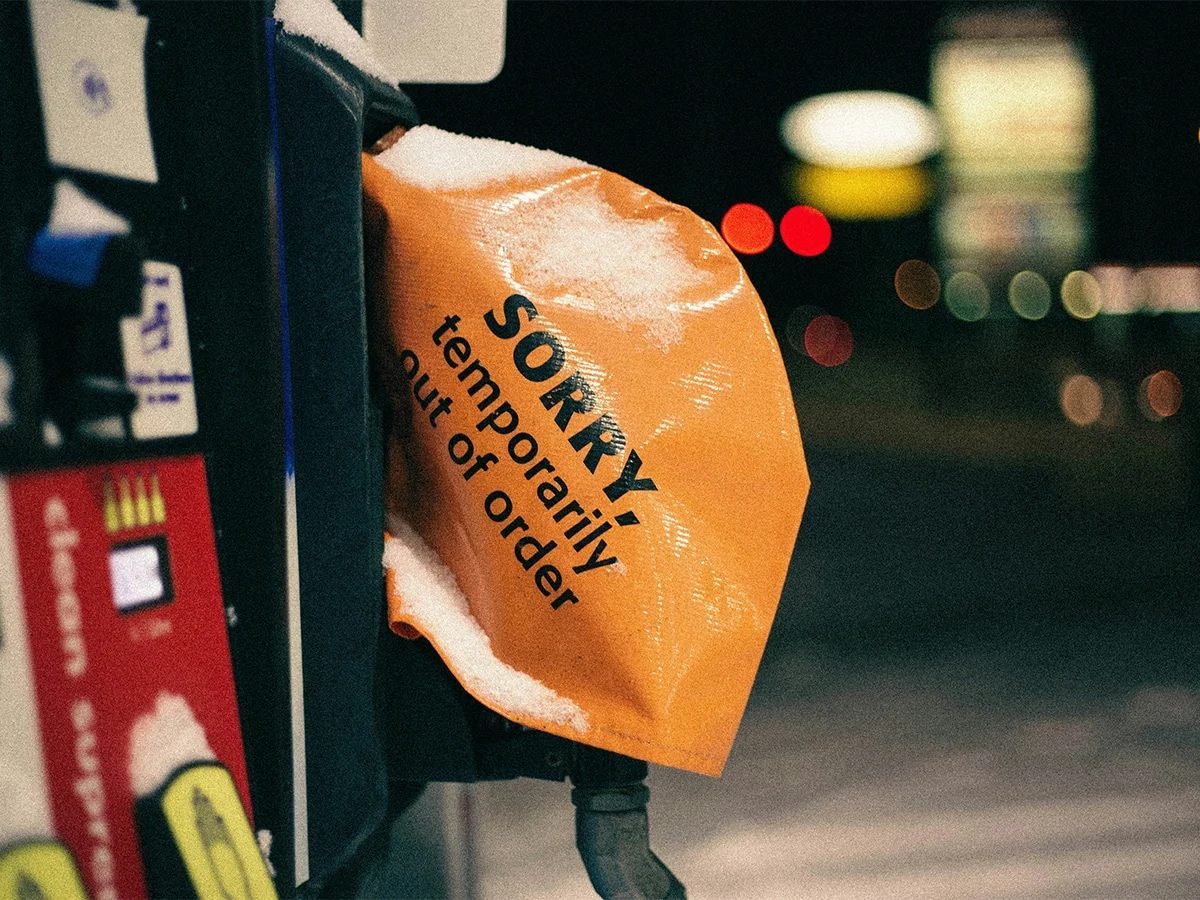
The Australian energy landscape has entered a period of unprecedented volatility, as a confluence of geopolitical conflict, supply chain disruptions, and domestic panic buying drives petrol and diesel prices to record highs. While the Federal Government maintains that national fuel security remains fundamentally sound, the reality at the bowser tells a different story for millions of motorists. In regional hubs and metropolitan fringes, fuel prices are nearing the $4.00 per litre mark, transforming what was once a routine household expense into a significant financial burden. The crisis, sparked by an escalating conflict in the Middle East that began in early March 2026, has sent shockwaves through the economy, prompting emergency responses from state leaders, regulatory bodies, and the private sector.
The State of National Fuel Reserves and Supply Logistics
Despite the visible shortages appearing at service stations across the country, Energy Minister Chris Bowen has moved to reassure the public that the crisis is primarily one of distribution and consumer behavior rather than a total collapse of inbound supply. Department of Climate Change, Energy, the Environment and Water data indicates that of the 81 oil shipments scheduled to arrive in Australia since the onset of the conflict, only six have been cancelled. However, the psychological impact of these cancellations, combined with the extended transit times required for tankers to navigate safer, non-traditional maritime routes, has triggered a massive domestic demand spike.
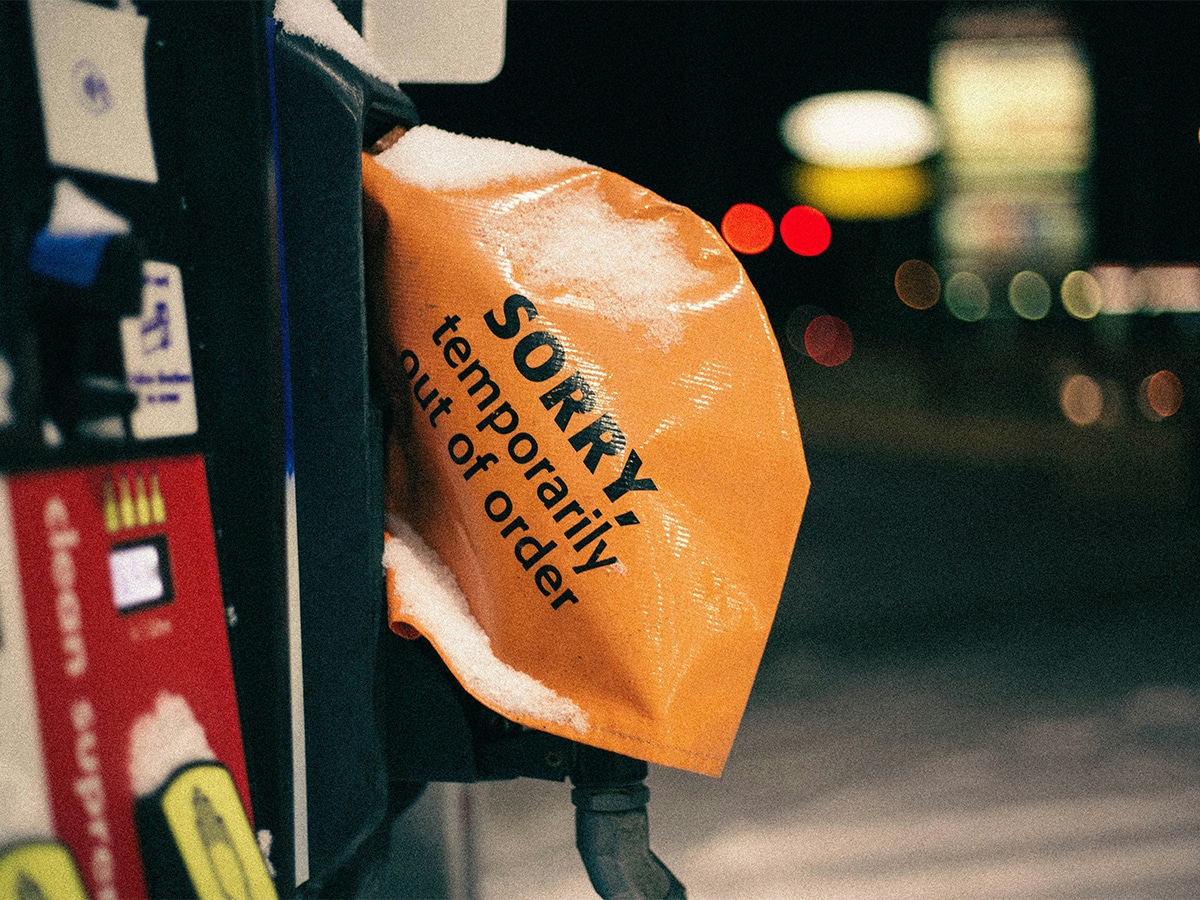
In some regional jurisdictions, demand for fuel has surged by as much as 400 per cent as motorists and businesses attempt to stockpile reserves. This localized "panic buying" has outpaced the ability of the domestic logistics network to replenish tanks. The situation reached a critical threshold in New South Wales, where Premier Chris Minns reported to state parliament that approximately 51 service stations had completely exhausted their fuel supplies, while 164 were specifically out of diesel. This imbalance between supply and demand has created a "dry pump" phenomenon that mirrors the supply chain panics seen during the early years of the COVID-19 pandemic.
Chronology of the 2026 Energy Crunch
The current crisis did not emerge in a vacuum but followed a specific timeline of escalating global and domestic events:
- Early March 2026: Geopolitical tensions in the Middle East escalate into active conflict, leading to the immediate rerouting of international shipping lanes. Global Brent crude prices experience a sharp, double-digit percentage increase within 72 hours.
- Mid-March 2026: Australian fuel retailers begin adjusting prices daily. Reports of fuel shortages in rural South Australia and Western Australia begin to surface as local distributors struggle with logistics.
- Late March 2026: The Australian Competition and Consumer Commission (ACCC) announces intensified monitoring of fuel prices. Major rideshare and delivery platforms announce temporary surcharges to protect driver earnings.
- Current Status: Federal and State governments are debating the merits of Work From Home (WFH) mandates and public transport subsidies to mitigate the impact of $4.00 per litre diesel on the broader economy.
The Return of Remote Work as an Economic Necessity
In a significant shift in government rhetoric, Minister Chris Bowen has characterized working from home as a "sensible choice" for those looking to avoid the escalating costs of commuting. The recommendation marks a departure from post-pandemic efforts to revitalize central business districts (CBDs) and suggests that the government views the fuel crisis as a long-term structural challenge rather than a momentary spike. For many white-collar employees, the return to remote work is no longer a matter of lifestyle preference but a critical strategy for maintaining household solvency as the cost of a weekly commute threatens to eclipse other essential expenditures.

However, the proposal has met with resistance at the state level. NSW Premier Chris Minns has argued that a blanket WFH policy is impractical for the public service, noting that 85 per cent of the state’s employees—including nurses, police officers, paramedics, and firefighters—work "at the coalface" and do not have the option to perform their duties remotely. This highlights a growing socio-economic divide: while office-based workers may find relief in digital connectivity, the essential workforce remains tethered to the bowser, bearing the full brunt of the price surge.
The Gig Economy and the Rising Cost of Convenience
The fuel crisis has hit the gig economy with particular force, as delivery and rideshare drivers see their profit margins eroded by soaring operational costs. In response, major platforms have implemented a series of price adjustments and surcharges that are effectively ending the era of low-cost on-demand services.
DiDi, one of the nation’s primary rideshare providers, has introduced a nationwide fuel surcharge of 5 cents per kilometre. According to Dan Jordan, DiDi’s head of external affairs, the adjustment is a necessary measure to support drivers while fuel prices remain elevated. Similarly, Uber has announced a fare increase scheduled for late March 2026, which is expected to boost average driver earnings by approximately six per cent. DoorDash has opted for a different model, offering cash support for "Dashers" who cover more than 100 kilometres in a week, providing a temporary safety net for high-volume couriers. For consumers, these changes mean that takeaway food delivery and rideshare services are rapidly transitioning from daily conveniences to high-end luxury services.

Agricultural Vulnerability and Food Inflation
Beyond the commute, the fuel crisis is infiltrating the national food supply chain. Diesel is the lifeblood of Australian agriculture, powering the machinery required for planting, harvesting, and transporting produce. Primary Producers SA Chair Simon Maddocks has labeled the current supply situation "outrageous," warning that farmers cannot absorb these costs indefinitely.
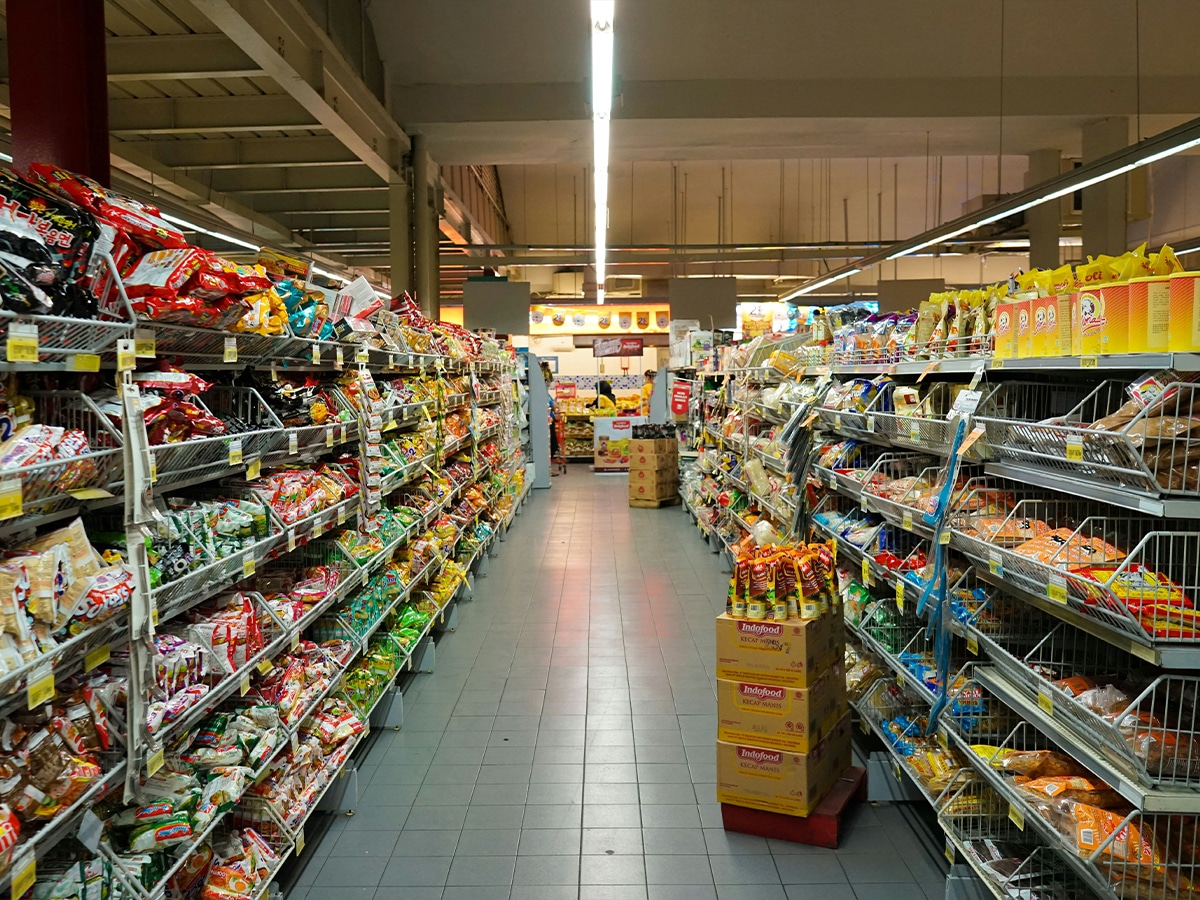
The agricultural sector is currently facing a dual threat: the high price of fuel and the physical inability to secure it in regional areas. Reports from South Australian grain and dairy farmers suggest that confirmed fuel orders are being cancelled or delayed, leaving critical operations at a standstill. Maddocks noted that these costs will inevitably be passed up the supply chain, leading to significant "sticker shock" at the grocery store. As transport companies raise their freight rates to cover fuel surcharges, the price of staples such as milk, meat, and fresh citrus is expected to rise sharply in the coming months.
Urban Adaptation: The Rise of E-Mobility and Public Transport Debates
The crisis is also accelerating a shift in urban transport habits. Sales of e-bikes and electric scooters have seen a massive spike as suburban residents seek alternatives for short-distance errands and school runs. Despite lingering legal complexities regarding the use of e-scooters on public roads in some states, the economic pressure of the fuel crisis is pushing consumers toward electrification at a faster rate than previous government incentives.

Simultaneously, the pressure on the public transport network is reaching a breaking point. The Rail, Tram and Bus Union (RTBU) has called for a temporary removal of fares or a reduction to a flat 50-cent fee, similar to models trialed in Queensland, to encourage motorists to abandon their cars. However, Transport Minister John Graham has remained cautious, noting that the transport network is already heavily subsidized and is currently straining under the sudden influx of new commuters. The government’s refusal to slash fares suggests a concern that the system may not have the capacity to handle a total migration from private vehicles.
Regulatory Oversight and the "Shaggy Suburb" Effect
As the crisis deepens, the ACCC has signaled that it will take a hard line against any evidence of price gouging or anti-competitive collusion. ACCC Chair Gina Cass-Gottlieb emphasized that while global factors are driving the baseline price, the commission is monitoring regional variations to ensure that independent suppliers are receiving fair allocations from major oil companies. The regulator is particularly concerned with "collusive conduct" where suppliers might agree to divide territories or artificially inflate prices under the guise of the crisis.
The fallout is even affecting local government services. Many municipal councils have begun slashing their diesel budgets, leading to a reduction in non-essential services. This has resulted in what some are calling the "shaggy suburb" effect, where the mowing of local parks, nature strips, and sporting fields is being deferred to save on fuel costs. This minor aesthetic shift serves as a visible reminder of the pervasive reach of the energy crunch.
Conclusion and Economic Outlook
The Australian fuel crisis of 2026 serves as a stark reminder of the nation’s vulnerability to international energy markets. While the Federal Government continues to point toward "human behavior" and "panic buying" as the primary drivers of the current shortage, the underlying issues of supply chain fragility and agricultural dependence on diesel remain unaddressed.
As the Middle Eastern conflict continues with no clear resolution in sight, Australians are being forced to adapt to a high-cost energy environment. From the return of the neighborhood carpool to the "tradie radius" where contractors only service local clients to avoid fuel surcharges, the social fabric of the country is being rewoven by the price of oil. Whether these changes become permanent fixtures of Australian life will depend on how long the global energy market remains in this state of upheaval and whether the domestic transition to alternative energy can be accelerated to meet this urgent demand.




 Yuyun Lusiyani
 Joko Widodo
 Eva Lovia
 Pevita Pearce
 admin
admin