
 Lina Irawan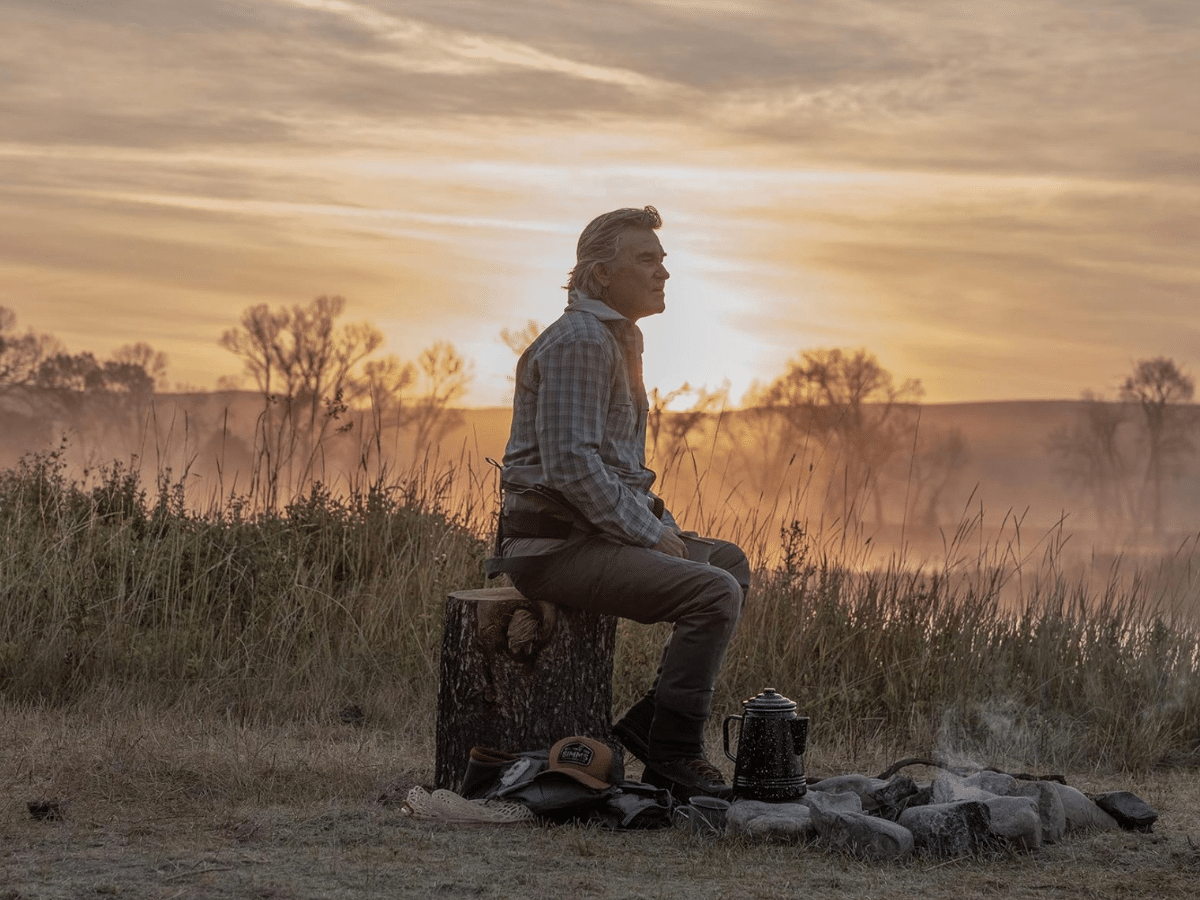
The television landscape has witnessed a significant shift with the mid-March 2026 release of The Madison, the latest offering from prolific creator Taylor Sheridan. Following a period of fluctuating critical fortunes for Sheridan’s expansive portfolio—most notably the lukewarm reception of the earlier 2026 series Marshals—The Madison arrived on Paramount+ with high expectations and a star-studded cast led by Michelle Pfeiffer and Kurt Russell. While the series has garnered a more substantial viewership and a generally warmer response than its predecessor, it has simultaneously emerged as one of the most polarizing entries in the Sheridan canon. Critics have described the work in starkly contrasting terms, with The Wall Street Journal dismissing the narrative as "inert," while RogerEbert.com championed the production as "rock-solid, gripping television."
The series represents a departure from the interconnected "Sheridan-verse" that began with the cultural phenomenon Yellowstone. Although The Madison utilizes the neo-Western themes of family resilience and rural survival that defined Sheridan’s previous successes, it operates as a standalone character study centered on the complexities of loss and geographical displacement. The production’s debut marks a pivotal moment for Paramount+, as the streaming service continues to rely heavily on Sheridan’s "frontier" storytelling to anchor its subscriber base in an increasingly competitive market.
The Evolution of The Madison: From Spinoff to Standalone
The development of The Madison followed a non-linear path that reflects the shifting priorities of Taylor Sheridan’s production slate. Initially conceived as a direct continuation or spinoff within the Yellowstone timeline—tentatively linked to the modern-day struggles of the Dutton family’s legacy—the project underwent a series of creative reconfigurations during its pre-production phase in late 2024 and throughout 2025. By the time filming commenced in the Madison River valley of Montana, the script had been refined into a concentrated, character-led drama that severed most of its overt ties to the Yellowstone continuity.

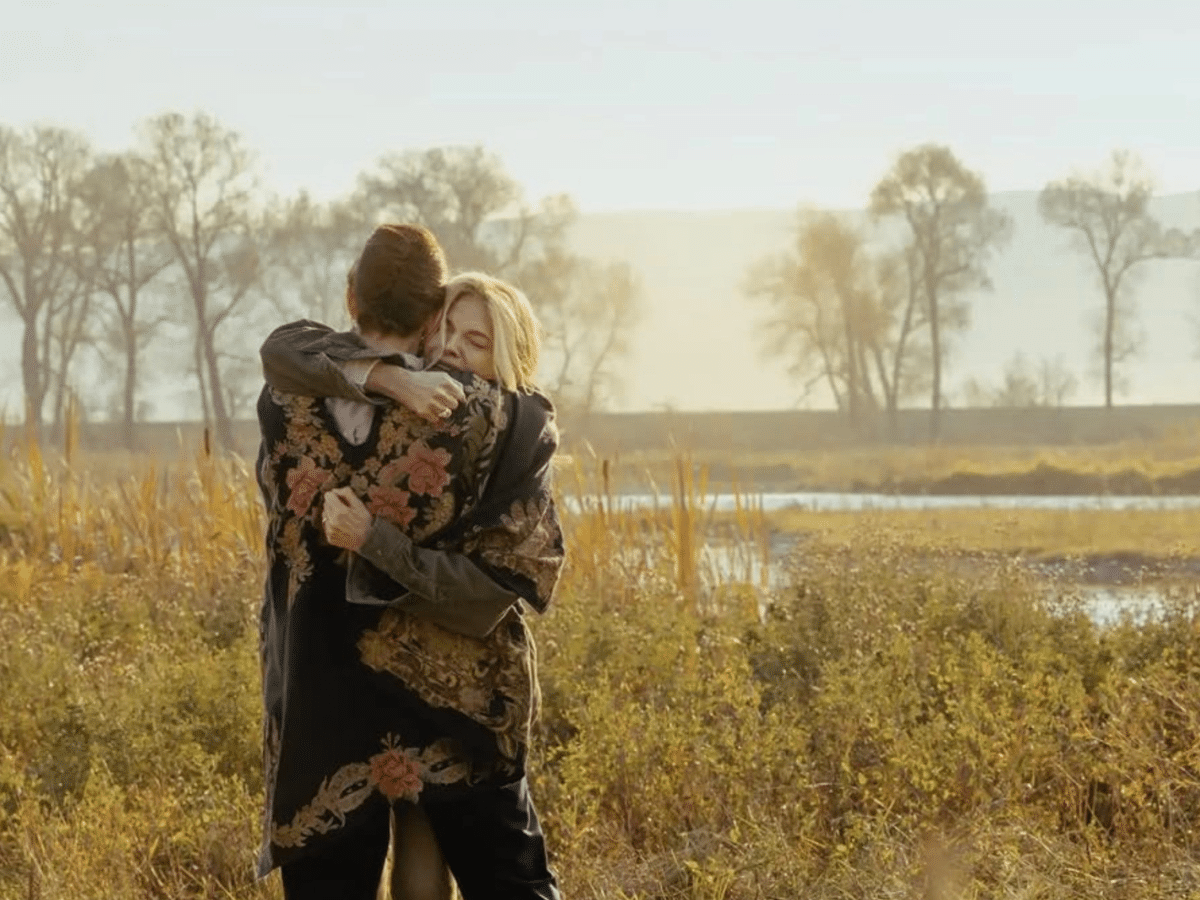
This strategic pivot allowed Sheridan to focus on a more intimate portrayal of grief. The narrative follows Stacy Clyburn, portrayed by Academy Award winner Michelle Pfeiffer, a resident of New York City whose life is upended by a tragic accident that claims her husband. The husband, played by Kurt Russell, is depicted in flashbacks as a man who sought solace in the rugged landscapes of Montana, frequently escaping the "hustle-and-bustle" of Manhattan for fishing trips with his brother. Following his death, Stacy and her adult children relocate to the Madison River region to inter his remains, only to find themselves confronted by a lifestyle that stands in total opposition to their urban sensibilities.
The transition from "Madison Square to the Madison River" serves as the primary engine for the show’s conflict. This "fish-out-of-water" trope is a staple of American storytelling, but Sheridan applies his signature brand of rugged traditionalism to the format. Unlike Marshals, which utilized a writers’ room, Sheridan is credited with writing every episode of The Madison, resulting in a series that is a pure distillation of his thematic preoccupations.
Production Excellence and Cinematographic Vision
One area where The Madison has achieved near-unanimous praise is its technical execution. The series is directed by Christina Alexandra Voros, a veteran cinematographer who has been a frequent collaborator within the Sheridan production ecosystem. Voros’s background in visual storytelling is evident in every frame of the six-episode first season. Critics from The Hollywood Reporter have noted that the show is "one of the best-looking series on television today," highlighting the use of vast, sweeping landscapes and intricate shot compositions that utilize natural lighting and lens flares to punctuate the emotional weight of the scenes.

The decision to film on location in Montana provided the production with an authenticity that digital effects cannot replicate. The Madison River itself becomes a character within the show, representing both the danger of the natural world and the potential for spiritual healing. This visual grandeur serves as a counterweight to the internal turmoil of the Clyburn family, creating a cinematic experience that many critics feel elevates the material above standard television drama.
Michelle Pfeiffer’s Performance and Character Complexity
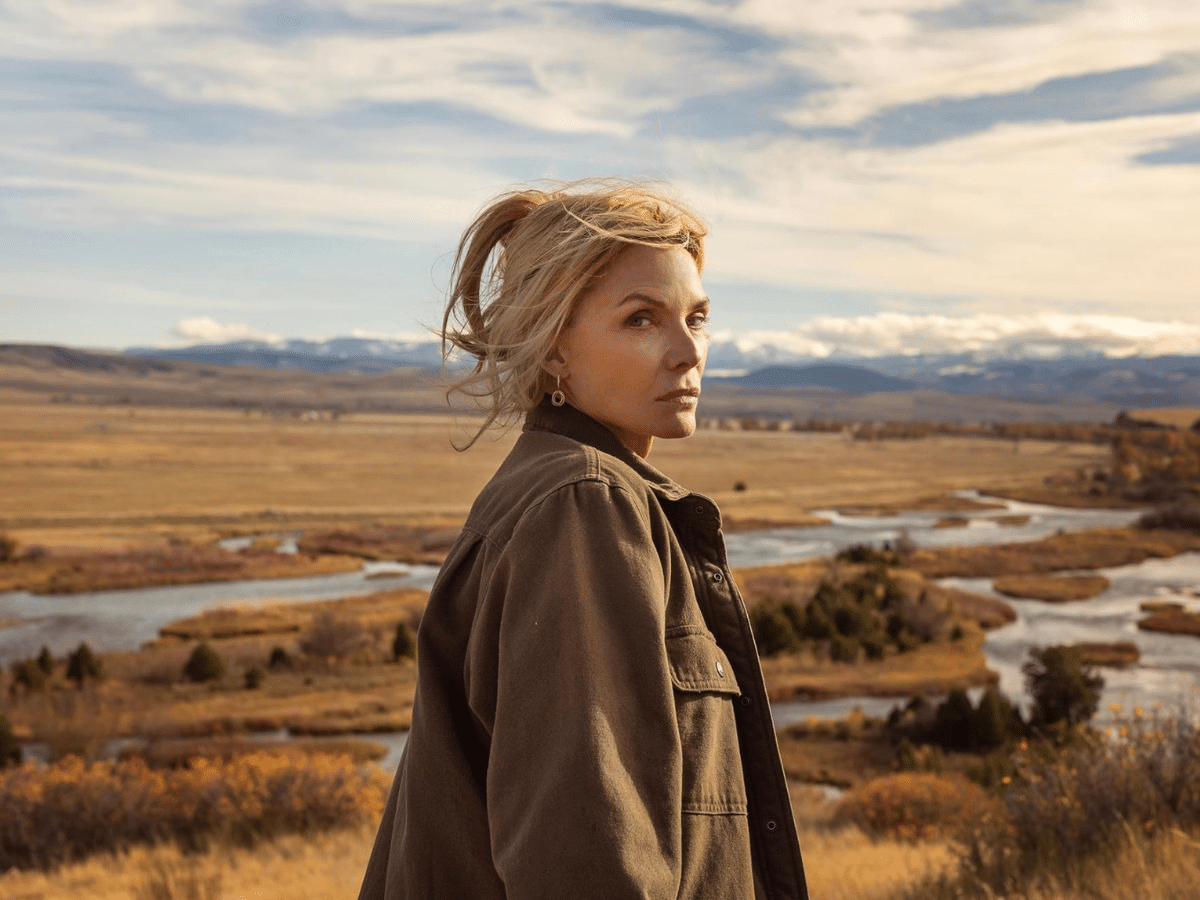
At the heart of the series’ success is Michelle Pfeiffer’s portrayal of Stacy Clyburn. After a period of relative absence from leading television roles, Pfeiffer’s return has been hailed as a masterclass in nuance. Her character is tasked with navigating the "messy and captivating" terrain of new widowhood while simultaneously acting as the matriarch for a family that is rapidly unraveling in an unfamiliar environment.
Reviewers from The Playlist and HuffPost have pointed out that Pfeiffer "cooks" across the six episodes, providing a level of emotional depth that is occasionally missing from the supporting cast. Her performance manages to straddle the line between a woman grieving a husband she didn’t fully understand and a mother trying to protect her children from a world she finds alien. While some critics argued that other characters—such as those played by Elle Chapman and Beau Garrett—felt like "single-note caricatures," Pfeiffer’s Stacy is widely regarded as the most complex female protagonist Sheridan has ever written.
The Great Divide: Scripting and Socio-Political Themes
Despite the visual beauty and strong lead performance, The Madison has faced significant criticism regarding its script and the perceived lack of nuance in its world-building. A recurring critique involves Sheridan’s depiction of the cultural chasm between urban New York and rural Montana. Critics have pointed out a "heavy-handed" approach to storytelling, where characters from the city are often portrayed as spoiled, out of touch, or morally deficient, while the residents of Montana are presented as repositories of "salt-of-the-earth" wisdom.
Publications such as Pajiba and Empire have criticized this "frontier-facing conservative slant," noting that the show often feels like a platform for Sheridan to moralize about the superiority of rural life. One specific scene, in which characters recoil at being served elk steak, was cited by several reviewers as an example of the show’s "obnoxious" tendency to mock urban sensibilities. This lack of balance has led to accusations that the series is detached from reality, creating a "cartoonish" version of both New York and Montana to serve a specific ideological narrative.
However, supporters of the show argue that this clear-cut moral framework is exactly what audiences seek in a Sheridan production. On platforms like Reddit, viewers have praised the series for being a "different vibe" compared to the high-octane violence of Yellowstone or Tulsa King, appreciating the slower pace and the focus on internal emotional states rather than external power struggles.

Quantitative Performance: Ratings and Audience Metrics
The divide between critics and general audiences is reflected in the show’s performance metrics across various tracking platforms. As of late March 2026, the data presents a complex picture of the show’s reception:
- IMDb: The series holds a strong 8.0/10 rating based on thousands of user reviews, suggesting that the general viewing public finds the story engaging and the production values high.
- Rotten Tomatoes: The "Tomato Meter" (critics’ score) sits at a lukewarm 59%, placing it just on the edge of a "rotten" designation. Conversely, the "Popcorn Meter" (audience score) is significantly higher at 75%.
- Metacritic: The user score is a more modest 5.5/10, indicating a segment of the audience that shares the critics’ frustrations with the writing and pacing.
These numbers suggest that while The Madison may not be a critical darling, it has successfully captured a loyal audience that values Sheridan’s specific brand of storytelling over the concerns of professional reviewers.
Chronology of Release and Future Prospects
The first season of The Madison premiered on March 14, 2026, with all six episodes made available for immediate streaming. This release strategy allowed for a concentrated burst of cultural conversation, which helped propel the show to the top of the Paramount+ trending charts within its first 48 hours.
In a move that signals high confidence in the brand, Paramount Global has already greenlit a second season. According to industry reports, the second season was filmed back-to-back with the first, a production efficiency that has become a hallmark of Taylor Sheridan’s work. This ensures that fans will not have to endure the multi-year hiatuses that have plagued other prestige dramas. The continuation of the Clyburn family’s journey is expected to delve deeper into the family’s integration into the Montana community and the long-term psychological effects of their displacement.
Broader Impact and Industry Implications
The success and controversy surrounding The Madison underscore Taylor Sheridan’s unique position in the modern media landscape. At a time when many streaming services are struggling to define their identity, Sheridan has provided Paramount+ with a distinct, recognizable "brand" of television. His shows consistently tap into a demographic that feels underserved by the coastal-centric narratives of other major networks.
However, the polarizing nature of The Madison also raises questions about the sustainability of the "Sheridan formula." As critics become more vocal about the repetitive nature of his themes and the perceived lack of nuance in his writing, the pressure increases for Sheridan to evolve his storytelling. The Madison represents an attempt at that evolution—trading explosions and land wars for grief and family dynamics—but the mixed reception suggests that the transition is still a work in progress.
As the industry looks toward the second season, the focus will remain on whether the show can bridge the gap between its rapturous visuals and its contentious script. For now, The Madison stands as a testament to the power of star-led drama and the enduring appeal of the American West, even when viewed through a lens that many find divisive. Whether it will ultimately be remembered as a "rock-solid" masterpiece or an "inert" cartoon remains to be seen, but its impact on the current television season is undeniable.

 Jia Lissa
 Yuyun Lusiyani
 Joko Widodo
 Eva Lovia

 Pevita Pearce