
 Nila Kartika Wati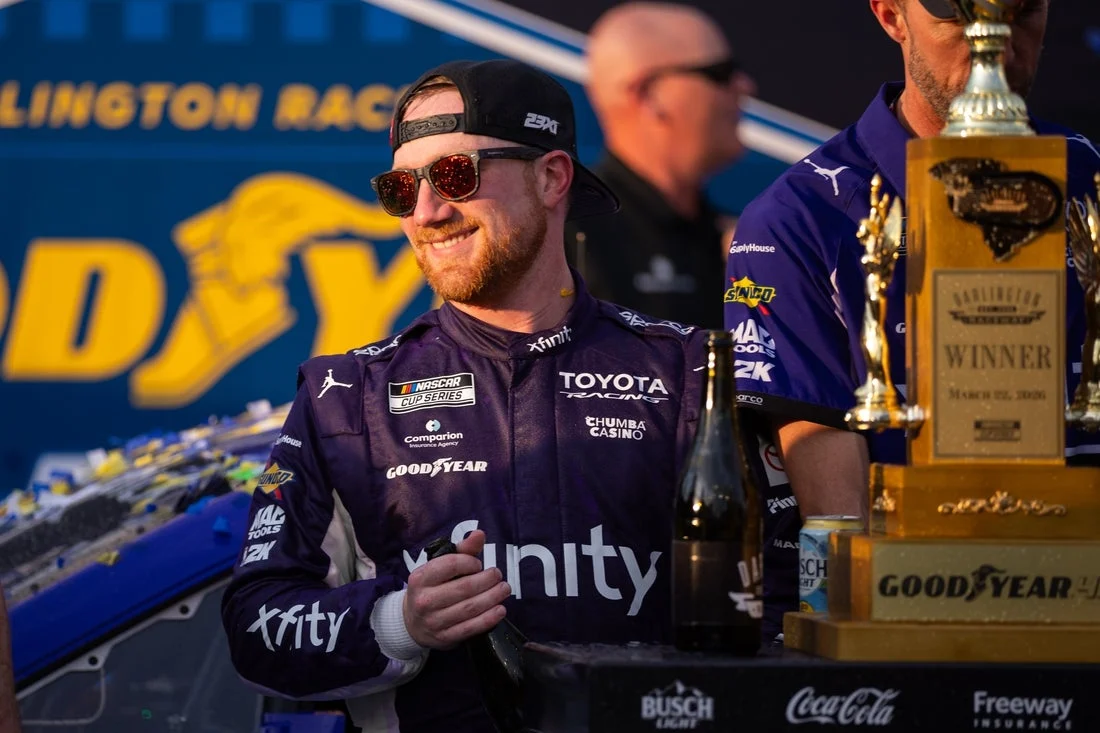
As the NASCAR Cup Series navigates the familiar, tight confines of Martinsville Speedway this weekend for the Cook Out 400, a sense of anticipation mixed with a growing undercurrent of frustration permeates the garage. This venerable half-mile track, a cornerstone of NASCAR’s history since its 1947 opening, marks the beginning of what has become a notably condensed short-track season. While the allure of bullring racing—characterized by its close-quarters action and potential for dramatic overtakes—remains potent, the brevity of this season’s short-track segment, coupled with the emergence of a dominant force, is shaping the narrative for drivers and manufacturers alike.
The traditional "short-track swing" of past eras, often spanning three weeks and encompassing iconic venues in North Carolina and Virginia, has been significantly streamlined. This year, the series will only feature two races on tracks less than a mile in length, with the Martinsville event followed by a day race at Bristol Motor Speedway two weeks later. This temporal separation, necessitated by the Easter holiday, has led many to dub this brief period the "Fortnight of Fun and Frustration." The "fun" stems from the inherent excitement and unpredictable nature of short-track racing, where mastering the nuances of close racing can lead to unexpected heroes. However, the "frustration" is increasingly being felt by those unable to challenge the current frontrunner, a sentiment amplified by the struggles of a major manufacturer.
Chevrolet’s Season-Long Slump on the Track
One of the most significant storylines unfolding in the early stages of the 2026 NASCAR Cup Series season is the uncharacteristic performance of Chevrolet. Through the initial six races, the bowtie brand has accumulated a respectable 11 top-five finishes. On the surface, this might appear to indicate consistent competitiveness. However, a deeper dive into the data reveals a stark reality: Chevrolet drivers have struggled to convert these strong showings into victories.
Drivers such as Ricky Stenhouse Jr. (Daytona), Shane van Gisbergen (Circuit of the Americas), and Chase Elliott (Las Vegas) have all secured second-place finishes, demonstrating the potential of their equipment. Yet, the ultimate prize—a trip to Victory Lane—has remained elusive for Chevrolet. This winless streak, extending through the first sixth of the schedule, marks the manufacturer’s most challenging start to a season since the COVID-impacted 2020 campaign, a year often cited as a significant turning point in NASCAR’s recent history due to its altered schedule and the eventual introduction of the Next Gen car.
Historical Context: A Troubled Precedent for Chevrolet
To contextualize Chevrolet’s current drought, one must look back to the 2019 season. In that year, Chevrolet endured an 0-for-9 winless stretch to commence the season. During this period, Toyota emerged victorious six times, while Ford secured three wins. It wasn’t until April 28, 2019, with Chase Elliott triumphing at Talladega Superspeedway, that Chevrolet finally broke through. This victory, occurring almost at the cusp of May, highlighted a period of significant manufacturer disparity. The struggles continued, with Chevrolet subsequently experiencing a further six-race winless streak, extending their winless stretch to 1-for-16 over nearly half the season. While Chase Elliott ultimately provided a much-needed victory for General Motors, the early-season performance indicated underlying challenges. The current 2026 season, while not yet reaching such dire statistical territory, is beginning to echo the frustrations of that 2019 campaign.
A Glimmer of Hope at Martinsville: Chevrolet’s Bullring Prowess
Despite the overarching struggles, Martinsville Speedway presents a unique opportunity for Chevrolet to reverse its fortunes. Historically, since the advent of the Next Gen car in 2020, no manufacturer has demonstrated a more dominant presence at this historic short track than Chevrolet. In the 12 Cup Series races held at Martinsville since 2020, Chevrolet drivers have claimed the coveted grandfather clock trophy a remarkable six times.
This impressive record at the paperclip-shaped oval is largely attributed to the strong performances of William Byron, who has secured three victories. Additional wins have been contributed by Chase Elliott, Kyle Larson, and Alex Bowman, each with one clock to their name. This success at Martinsville offers a crucial data point of optimism for Chevrolet, suggesting that their platform, when combined with driver skill and track-specific strategy, can still contend for wins on tighter circuits. The ability to leverage this historical advantage will be critical as they aim to break their current winless streak.
The Reddick Phenomenon: A Source of Frustration for the Field
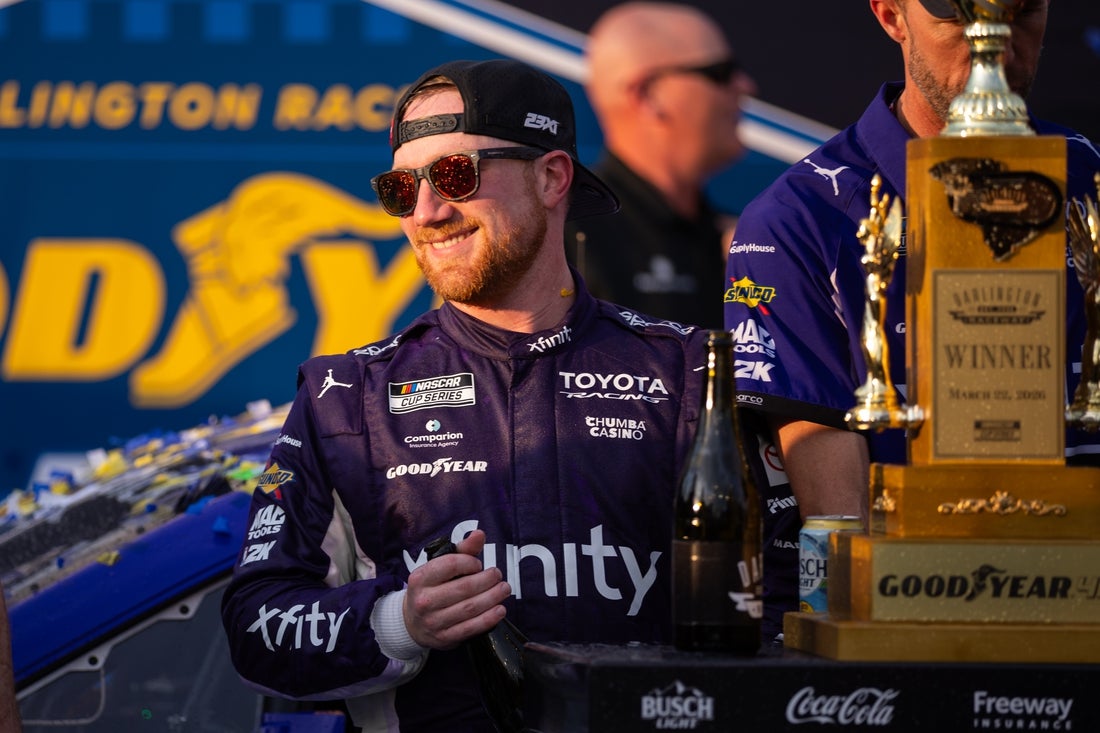
While Chevrolet grapples with its own challenges, the overwhelming success of Tyler Reddick in the No. 45 Toyota for 23XI Racing has become the dominant narrative of the 2026 season. Reddick has been nothing short of spectacular, amassing an astonishing four victories in his first six starts of the year. This level of dominance has left competitors in awe and, for many, in a state of palpable frustration.
The most recent example of Reddick’s superiority came at Darlington Raceway in the Goodyear 400. Reddick not only won the race but did so with a commanding margin of victory, crossing the finish line 5.847 seconds ahead of runner-up Brad Keselowski. This significant gap was the largest since Bill Elliott’s dominant performance in the 1994 Southern 500, where he won by 6.39 seconds. Such a lopsided victory at a track as demanding as Darlington underscores Reddick’s exceptional form and the perceived superiority of his car and team.
Following the Darlington race, Brad Keselowski, a veteran and former Cup Series champion, candidly expressed the chasm between Reddick and the rest of the field. When asked what it would take to beat Reddick, Keselowski responded with a disheartened, "A lot." He elaborated, stating, "We were not that close to him. He’s in another category, for sure. He was really in a class of his own." This sentiment is echoed across the garage, highlighting the significant challenge that Reddick currently presents to the entire NASCAR field.
Broader Implications and the Path Forward
The current landscape of the 2026 NASCAR Cup Series season, characterized by Chevrolet’s struggles and Tyler Reddick’s meteoric rise, presents several key implications for the remainder of the season.
Firstly, the short-track swing, however brief, will be crucial for Chevrolet. If they cannot capitalize on their historical strength at Martinsville and Bristol, their early-season winless streak could extend further, placing immense pressure on the manufacturer and its drivers as the season progresses towards its midpoint. A strong showing in these upcoming races could reignite their competitive spirit and provide much-needed momentum.
Secondly, Tyler Reddick’s dominance raises questions about parity within the sport. While competition is healthy, a prolonged period of one driver or team being overwhelmingly superior can, for some, diminish the overall excitement and unpredictability that fans cherish in NASCAR. The challenge for other teams and manufacturers is to identify the factors contributing to Reddick’s success—be it aerodynamic efficiency, engine power, chassis setup, or a combination thereof—and develop solutions to close the performance gap.
NASCAR itself, while generally fostering competitive balance, will be observing this dynamic closely. The sport thrives on multiple contenders vying for wins. The emergence of a dominant driver like Reddick, while impressive, also presents a narrative challenge. The key to maintaining widespread fan engagement will be the ability of other teams to mount a credible challenge and, ultimately, to dethrone the current king of the track.
The upcoming Cook Out 400 at Martinsville Speedway is therefore more than just another race; it’s a critical juncture. For Chevrolet, it’s an opportunity to rewrite their narrative and demonstrate their resilience. For Tyler Reddick and 23XI Racing, it’s a chance to solidify their position as the season’s undisputed frontrunners. For the rest of the field, it’s a test of their ability to innovate, adapt, and ultimately, to find a way to conquer the formidable challenge posed by NASCAR’s newest star on the historic short tracks of the American South. The "Fortnight of Fun and Frustration" has officially begun, and its unfolding chapters promise to be compelling.


 Yuyun Lusiyani
 Joko Widodo
 Eva Lovia
 Pevita Pearce
 admin
admin
 Lina Irawan