
 Jia Lissa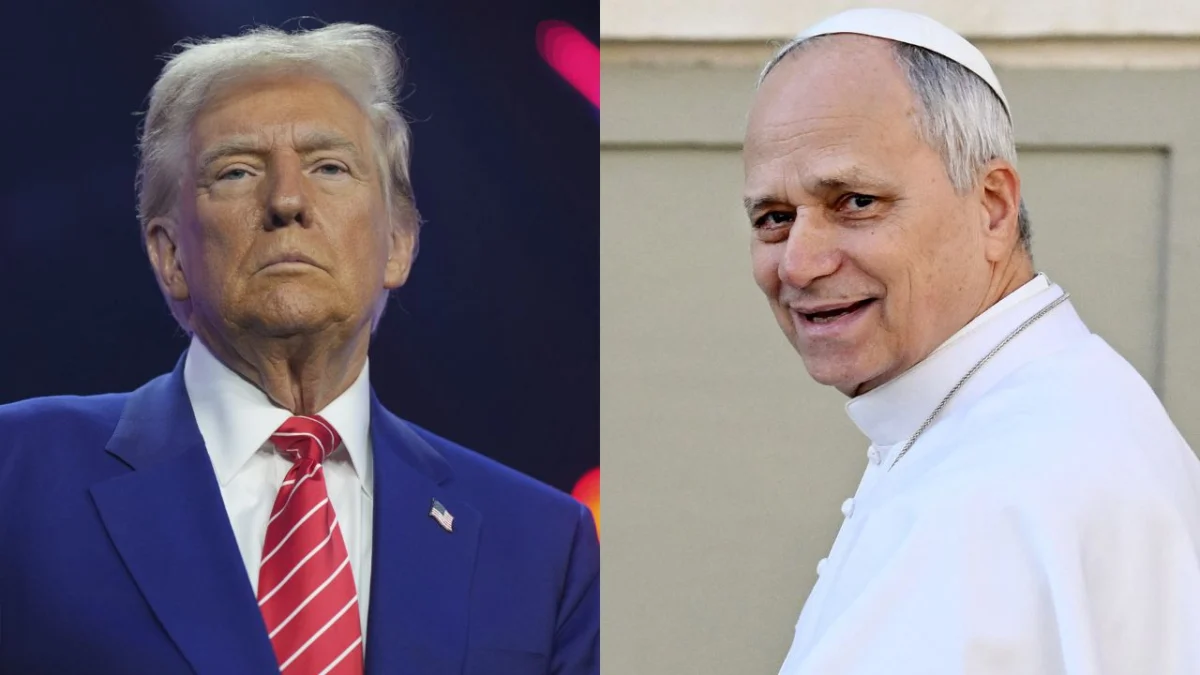
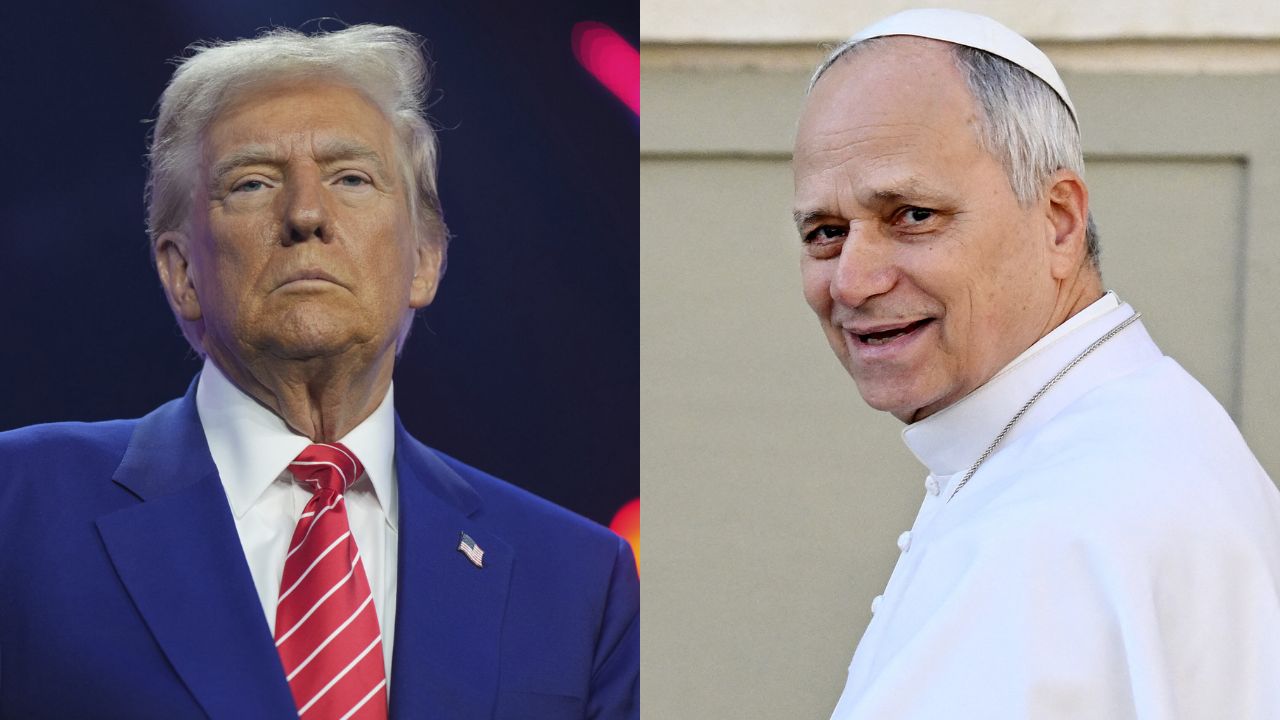
President Donald J. Trump intensified his ongoing rhetorical battle with the Vatican on Monday evening, utilizing his social media platform to demand that Pope Leo XIV acknowledge the internal human rights abuses committed by the Iranian government. This latest exchange marks a significant nadir in the relationship between the current United States administration and the Holy See, as the two world leaders clash over the morality of modern warfare, immigration ethics, and the role of religious authority in geopolitical affairs. The President’s late-night communication on Truth Social served as a direct response to the Pontiff’s recent critiques of American military interventionism and border security strategies, highlighting a growing ideological rift that has captured the attention of international diplomats and religious scholars alike.
The Midnight Communiqué and the Iran Dispute
Shortly before midnight on Monday, President Trump posted a pointed message addressed to the Pope, focusing on the Iranian regime’s crackdown on civil unrest and its pursuit of nuclear capabilities. The President wrote, “Will someone please tell Pope Leo that Iran has killed at least 42,000 innocent, completely unarmed, protesters in the last two months, and that for Iran to have a Nuclear Bomb is absolutely unacceptable. Thank you for your attention to this matter. AMERICA IS BACK!!!” This statement follows a period of heightened military tension between Washington and Tehran, during which the Trump administration has pursued a policy of "maximum pressure," involving both economic sanctions and targeted military strikes.
The President’s citation of 42,000 deaths among Iranian protesters represents the high end of various human rights estimates. While the Iranian government remains opaque regarding casualty figures, independent monitoring groups and international news agencies have provided a wide range of data. Activist organizations, such as those cited by PBS Newshour, have confirmed at least 7,000 deaths, while other outlets like Iran International have suggested the figure could be as high as 37,000. By utilizing the 42,000 figure, the President is signaling a hardline stance against the regime, framing his military actions as a necessary response to humanitarian atrocities and a safeguard against nuclear proliferation.
A Timeline of Escalating Hostilities
The friction between President Trump and Pope Leo XIV did not emerge in a vacuum but is the result of a series of public disagreements regarding the ethical boundaries of national sovereignty and global peace. Pope Leo XIV, who recently ascended to the Chair of Saint Peter, has been vocal in his opposition to the Trump administration’s "America First" doctrine, particularly as it relates to immigration and the use of force.
The conflict reached a boiling point on Friday when the Pope issued a statement via X (formerly Twitter) that many interpreted as a direct rebuke of the United States’ military operations in the Middle East. The Pontiff wrote, “God does not bless any conflict. Anyone who is a disciple of Christ, the Prince of Peace, is never on the side of those who once wielded the sword and today drop bombs.” This theological assertion struck at the heart of the administration’s justification for its recent strikes against Iranian-backed interests.
President Trump’s reaction was swift and characteristically blunt. On Sunday, he took to Truth Social to label the Pope as “WEAK,” arguing that the Pontiff’s criticisms were an interference in the democratic mandate of the United States. “I don’t want a Pope who criticizes the President of the United States because I’m doing exactly what I was elected, IN A LANDSLIDE, to do,” Trump stated. The exchange has sparked a broader debate about the intersection of religious guidance and executive governance, with supporters of the President arguing for national autonomy and critics of the administration calling for adherence to international moral standards.
The Religious Imagery Controversy and Media Backlash
The tensions were further complicated by the President’s use of controversial AI-generated imagery. Over the weekend, Trump shared a digital image that appeared to depict himself in a Christ-like role, attending to a suffering individual. The image immediately drew sharp criticism from a wide spectrum of observers, including some of the President’s most consistent media allies.
Megyn Kelly, a prominent media personality, described the image as "blasphemous," while various theologians appearing on Fox News suggested that such depictions were "not helpful" to the President’s standing among religious voters. Even former advisors to the President expressed concern that the meme was "stepping on his own message" by distracting from the policy debates regarding Iran and the border.
In an effort to mitigate the backlash, the President subsequently deleted the post. He later offered an explanation that many found unconventional, claiming that he had not intended to portray himself as a religious figure but rather as a medical professional. “I thought it was me as a doctor,” the President claimed, though the visual cues of the image—including the lighting and attire—remained a point of contention among critics who viewed the initial post as an attempt to sacralize his political persona.
The Administration’s Stance: JD Vance’s Theological Critique
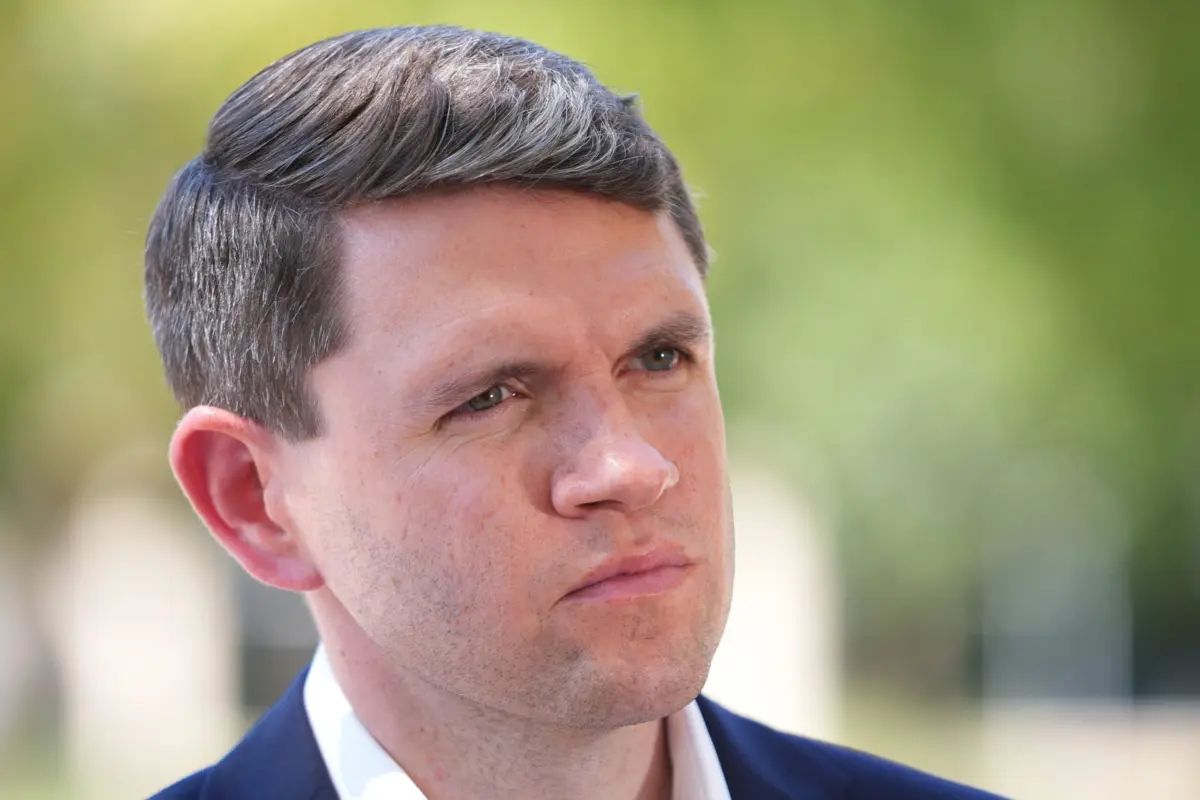
The White House’s defense of the President’s position has not been limited to Truth Social. Vice President JD Vance, a convert to Catholicism himself, weighed in on the dispute hours before the President’s Monday night post. Speaking to reporters, Vance suggested that the Pope should exercise greater caution when wading into the complexities of international relations and military strategy.
“I think that it’s important in the same way it is important for the vice president of the United States to be careful when I talk about matters of public policy, I think it’s very, very important for the pope to be careful when he talks about matters of theology,” Vance stated. By framing the Pope’s comments as a potential overstep of theological boundaries, Vance attempted to pivot the conversation toward the practical realities of governance. This rhetorical strategy seeks to decouple the moral authority of the Church from the strategic necessities of the state, a tension that has existed since the early days of the Republic but has rarely been articulated so pointedly by a sitting Vice President.
Supporting Data: The Iranian Humanitarian Crisis
To understand the gravity of the President’s claims regarding Iran, it is necessary to examine the data surrounding the ongoing unrest in the Islamic Republic. Since the outbreak of protests sparked by economic hardship and social restrictions, the Iranian security forces have engaged in a sustained campaign of suppression.
- Confirmed Fatalities: Human rights organizations have documented thousands of individual cases, with a baseline of 7,000 deaths confirmed through funeral records and eyewitness accounts.
- Detentions: Estimates suggest that over 20,000 individuals have been detained, with reports of torture and summary executions circulating within the international community.
- Nuclear Escalation: International Atomic Energy Agency (IAEA) reports indicate that Iran has continued to increase its stockpiles of highly enriched uranium, bringing it closer to "breakout capacity" for a nuclear weapon.
The Trump administration argues that the Pope’s call for peace fails to account for these "hard facts." From the perspective of the White House, the "bombs" criticized by the Pope are a deterrent against a regime that the U.S. classifies as the world’s leading state sponsor of terrorism.
Broader Implications and Geopolitical Impact
The public rift between the White House and the Vatican carries significant implications for both domestic politics and international diplomacy. Domestically, the Catholic vote remains a crucial demographic in American elections. While many conservative Catholics align with the President on issues such as judicial appointments and social policy, a direct confrontation with the Pope could alienate moderate or traditionalist elements of the faith.
Internationally, the Vatican remains a potent "soft power" entity. The Holy See maintains one of the world’s oldest and most extensive diplomatic corps. When the Pope speaks on issues of war and peace, his words resonate across the Global South and throughout Europe, where many nations are already wary of the Trump administration’s unilateralist approach to foreign policy.
If the relationship continues to deteriorate, it could hamper U.S. efforts to build international coalitions. For example, in negotiations regarding humanitarian corridors or prisoner exchanges, the Vatican often serves as a neutral mediator. A hostile relationship with the President could diminish the Holy See’s ability to facilitate these sensitive diplomatic maneuvers.
Historical Context: A Departure from Tradition
While U.S. Presidents and Popes have disagreed in the past—most notably over the Iraq War during the George W. Bush administration and over birth control during the Obama administration—the current level of personal vitriol is largely unprecedented. Typically, disagreements between the two offices are handled through diplomatic channels, such as the Secretary of State or the U.S. Ambassador to the Holy See.
President Trump’s decision to bypass these channels and engage in direct social media confrontation represents a shift in how the United States manages its relationship with the world’s most influential religious institution. By calling the Pope "weak" and questioning his theological focus, Trump is challenging the traditional deference shown to the Pontiff as a global moral leader.
Conclusion: A Standoff of Authorities
As the Trump administration moves forward with its agenda, the standoff with Pope Leo XIV appears unlikely to resolve in the near term. The President remains committed to his "America Is Back" rhetoric, which emphasizes strength and national interest above all else. Conversely, Pope Leo XIV seems intent on using his platform to advocate for a global ethic of non-violence and compassion for migrants, regardless of the political cost.
The coming months will determine whether this conflict remains a war of words or if it will lead to a more formal distancing between the United States and the Vatican. For now, the world watches as the "Prince of Peace" and the "President of the United States" offer two starkly different visions for the future of international order. With Iran serving as the primary flashpoint, the stakes of this theological and political disagreement could not be higher.


 Yuyun Lusiyani
 Joko Widodo
 Eva Lovia
 Pevita Pearce
 admin
admin
 Lina Irawan