
 admin
admin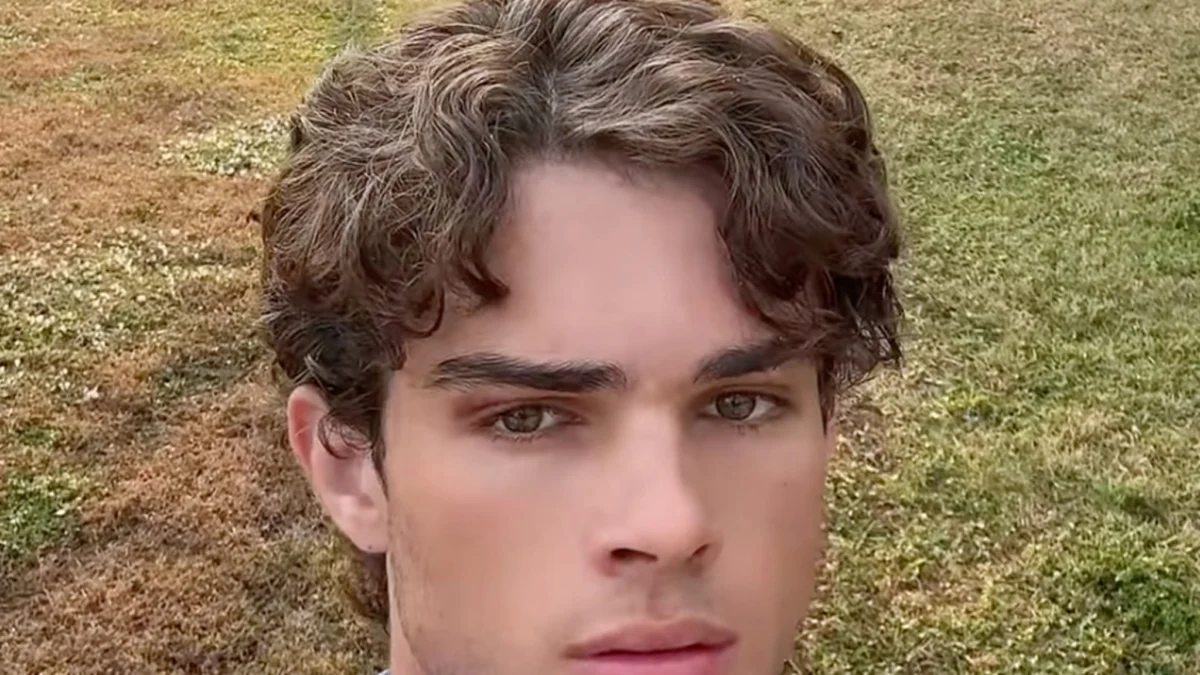
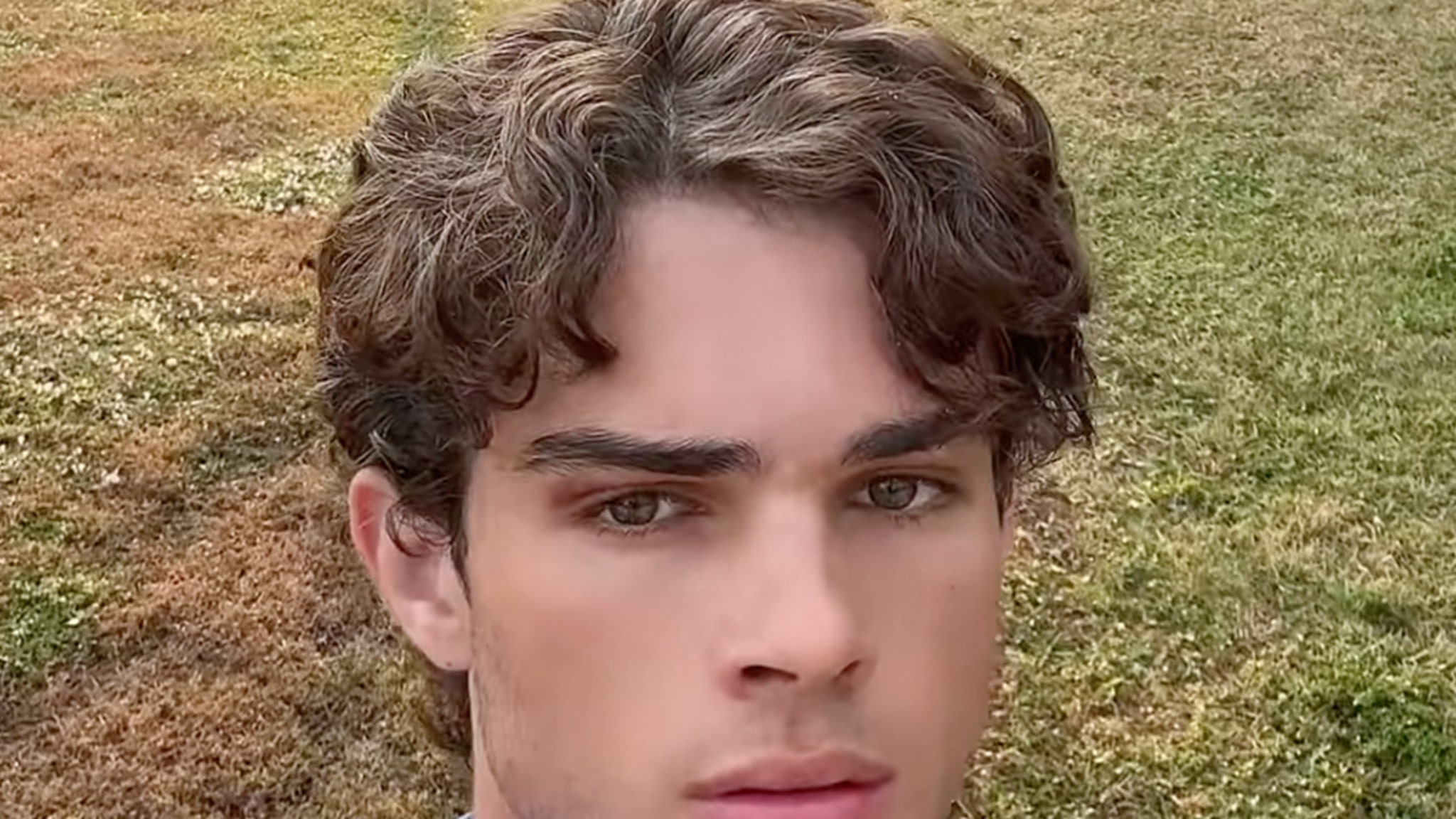
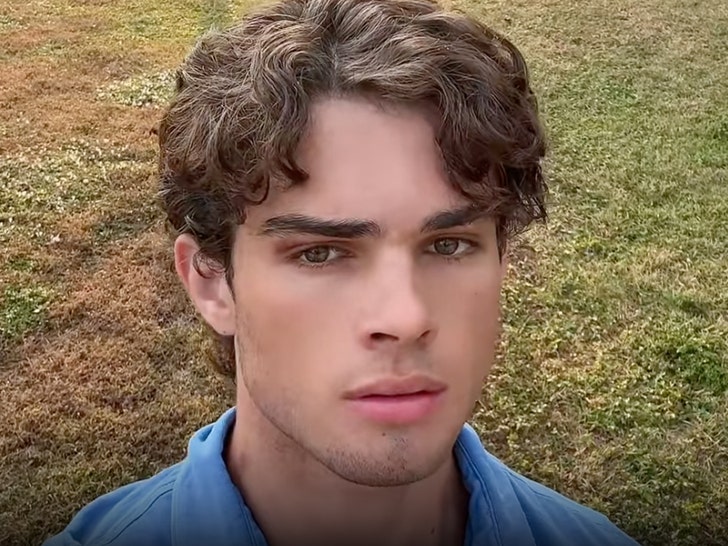
Prominent online streamer Clavicular was rushed to a Miami-Dade hospital on Tuesday evening, April 14, 2026, following a suspected overdose that abruptly ended his live broadcast, leaving thousands of viewers concerned and initiating a swift emergency response. The incident, which occurred around 5:46 PM local time, has sent shockwaves through the digital content creation community and reignited discussions surrounding the intense pressures faced by internet personalities.
A Disturbing End to a Live Broadcast
The incident unfolded during one of Clavicular’s routine live streams on the platform Kick, where he regularly engages with his substantial global fanbase. Viewers reported observing a noticeable change in Clavicular’s demeanor shortly before the broadcast ceased. Social media posts quickly circulated showing clips from the stream where the 20-year-old personality appeared to rapidly decline, placing his hands behind his back and then over his head in what some described as a disoriented state. Friends present with Clavicular during the stream were seen inquiring if he needed water, indicating an immediate recognition that something was seriously amiss. The stream then cut off, plunging his audience into uncertainty and triggering an outpouring of alarm across various social media platforms. The timestamp of the original incident, as reported by sources, was around 5:46 PM PT, aligning with the emergency dispatch records.
Emergency Services Confirm Overdose Report
Further details emerged later Tuesday evening, with TMZ obtaining 911 dispatch audio related to the incident. The audio confirmed that Miami-Dade EMS was called to the location where Clavicular and his companions were streaming. In the dispatch recording, a "20-year-old male overdose" was explicitly called in, corroborating the initial suspicions. Emergency medical personnel were dispatched promptly to the scene, highlighting the severity and urgency of the situation. While specific details of the medical intervention remain confidential due to patient privacy laws, the rapid response of paramedics is crucial in overdose cases, where timely medical attention can be life-saving.
The update, published at 7:44 PM PDT, just over an hour after the initial report, underscored the developing nature of the story and the ongoing efforts to ascertain Clavicular’s condition. As of the latest reports, Clavicular remains hospitalized, though his current medical status has not been officially released by his team or medical authorities. The silence from his representatives has only amplified concerns among his dedicated followers and the broader streaming community.
The Pressures of the Digital Spotlight
Clavicular’s hospitalization casts a stark light on the often-unseen struggles faced by individuals who live their lives in the public eye, particularly within the demanding realm of live streaming. The constant pressure to produce engaging content, maintain audience interaction, and navigate the scrutiny of millions of viewers can take a severe toll on mental and physical health. Streamers often work irregular and extended hours, blurring the lines between their personal and professional lives. This environment, coupled with the immediacy and unfiltered nature of live broadcasts, can create a breeding ground for stress, anxiety, and in some cases, substance misuse as a coping mechanism.
Studies on mental health among content creators suggest a higher prevalence of depression, anxiety, and burnout compared to the general population. The parasocial relationships formed with viewers, while often supportive, can also be a source of immense pressure, as creators feel an obligation to their audience, sometimes at the expense of their own well-being. The culture of "always on" performance and the pursuit of viral moments can lead to unsustainable lifestyles. While Clavicular’s specific circumstances leading up to this incident are not fully known, his hospitalization serves as a potent reminder of the vulnerabilities inherent in this highly visible profession.
Community Reaction and Calls for Support
News of Clavicular’s suspected overdose spread rapidly across social media platforms, with #PrayForClavicular trending for several hours. Thousands of fans, fellow streamers, and public figures expressed their shock, sadness, and hopes for his swift recovery. Many shared messages of support, while others used the opportunity to advocate for greater awareness of mental health issues and substance abuse within the creator community. The incident sparked a renewed conversation about the responsibility of platforms like Kick to provide resources and support systems for their creators.
Online forums and chat groups dedicated to Clavicular’s content transformed into spaces for collective concern, with many users sharing personal stories of struggle and emphasizing the importance of seeking help. This collective outpouring of empathy highlights the deep connection many viewers feel with their favorite streamers, often viewing them as friends or relatable figures. The sudden and public nature of Clavicular’s crisis made it particularly impactful, forcing a collective introspection on the human element behind the digital persona.
Platform Responsibility and Content Moderation
The incident also brings into focus the responsibilities of live streaming platforms like Kick regarding the safety and well-being of their content creators and viewers. While platforms typically have strict terms of service prohibiting content that promotes self-harm, drug abuse, or dangerous activities, the real-time nature of live streaming presents unique challenges for moderation. Events like Clavicular’s suspected overdose raise questions about proactive measures platforms can take to identify and intervene in situations where a streamer’s health or safety might be at risk.
Industry standards for content moderation in live environments are constantly evolving. Many platforms employ a combination of AI-driven detection systems and human moderators to monitor streams for violations. However, the sheer volume of live content makes comprehensive, real-time oversight incredibly difficult. The incident may prompt Kick and other platforms to review their policies, potentially exploring more robust mental health resources for creators, clearer reporting mechanisms for concerned viewers, and more immediate protocols for addressing emergencies unfolding live. There could also be discussions around features that allow for temporary suspension of streams if concerning behavior is detected, offering a chance for intervention without waiting for explicit viewer reports.
Broader Implications for Public Figures and Digital Wellness
Clavicular’s hospitalization transcends the immediate concern for his individual well-being; it serves as a stark reminder of the broader societal challenges related to substance abuse and mental health, particularly among public figures. The intense scrutiny, constant performance demands, and often isolated nature of fame can exacerbate existing vulnerabilities or create new ones. This event may contribute to a larger dialogue about destigmatizing addiction and mental illness, encouraging those in the public eye to seek help without fear of professional repercussions or public judgment.
Furthermore, the incident underscores the ethical considerations surrounding the consumption of content that blurs the lines between entertainment and personal crisis. The immediate sharing and re-sharing of clips from Clavicular’s distressing live stream, while driven by concern, also raise questions about digital privacy and the potential for voyeurism in an age of instant information. The event prompts both creators and consumers to consider the impact of their actions in the digital sphere, fostering a greater sense of responsibility and empathy.
Ongoing Investigation and Next Steps
As of the latest updates, Clavicular’s condition remains critical but stable, according to unofficial reports. His family and team have maintained a tight-lipped stance, likely prioritizing his recovery and privacy during this challenging time. Medical professionals will be focused on his immediate recovery, followed by a potential long-term treatment plan that may include rehabilitation and mental health support, depending on the specifics of his condition.
Local authorities, while confirming the emergency response, have not indicated any criminal investigation, suggesting the primary focus is on Clavicular’s health. The broader community will continue to monitor for official statements from his representatives, hoping for positive news regarding his recovery. This incident is expected to be a pivotal moment for the streaming industry, potentially leading to significant discussions and policy adjustments regarding creator welfare and content moderation in the fast-paced, high-stakes world of live digital entertainment. The developing story serves as a poignant reminder of the human cost behind the digital facade.

 Jia Lissa
 Yuyun Lusiyani
 Joko Widodo
 Eva Lovia
 Pevita Pearce