
 Pevita Pearce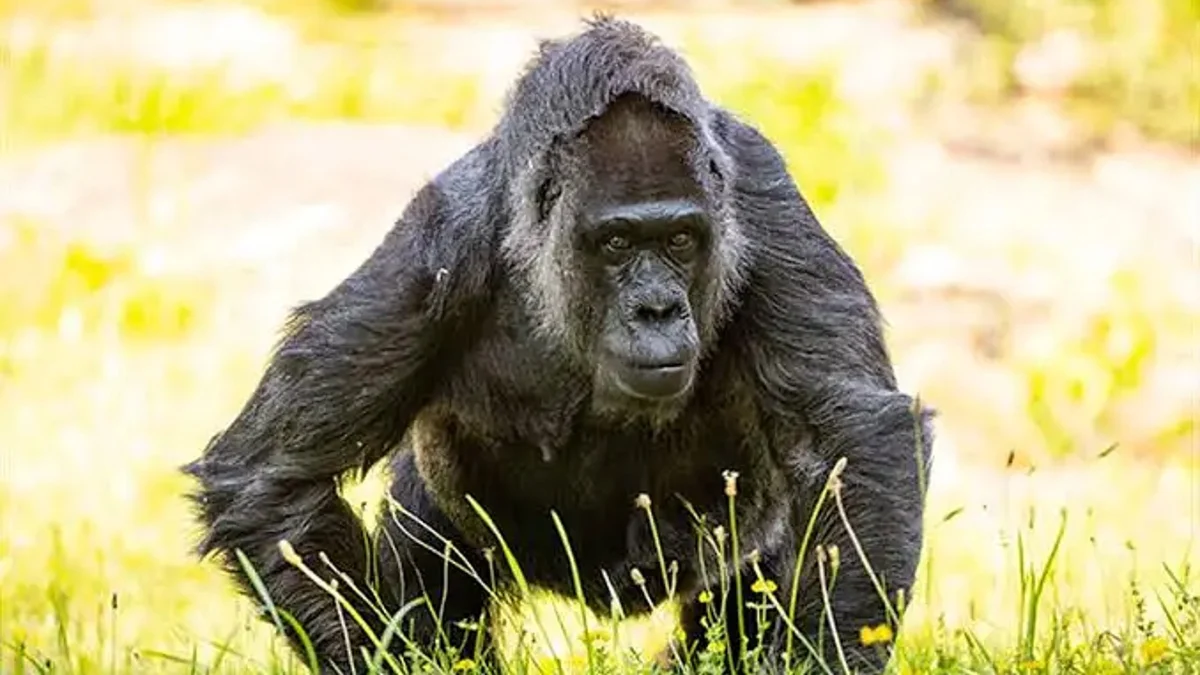
The Berlin Zoo has officially marked a historic milestone in the field of primatology as Fatou, a western lowland gorilla and the oldest known member of her species in the world, celebrated her 69th birthday. The occasion was observed with a carefully curated "birthday feast" prepared by her dedicated team of keepers, highlighting not only the animal’s remarkable longevity but also the advancements in geriatric veterinary care within zoological institutions. Fatou, who has resided at the Berlin Zoo since 1959, continues to defy biological expectations, surviving decades past the average life expectancy for gorillas both in the wild and in captivity.
Recognized by Guinness World Records as the oldest living gorilla in captivity—a title she has held since the passing of the previous record-holder in 2019—Fatou serves as a living testament to the history of wildlife conservation and the evolving role of zoos over the last seven decades. Her birthday, officially celebrated on April 13, drew international attention, underscoring the public’s enduring fascination with great apes and the critical status of her wild counterparts.
A Symbolic Celebration: The 69th Birthday Feast
To honor the occasion, zookeepers at the Berlin Zoo provided Fatou with a specialized meal designed to cater to her nutritional needs while providing a celebratory treat. The "feast" consisted primarily of fresh vegetables, including tomatoes, lettuce, and beets. Unlike younger gorillas, whose diets can include a wider variety of textures, Fatou’s meals are now meticulously prepared to accommodate her age-related physical changes.
Zookeepers noted that Fatou remains remarkably active for her age, though she has transitioned into a "retirement" phase of life. The celebration was held in a quiet manner to respect her comfort, as the zoo prioritizes her well-being over public spectacle. The vegetable-heavy diet is a deliberate choice; while fruit is often associated with primate diets, modern zoological standards limit fruit intake for older gorillas to prevent excessive sugar consumption and maintain healthy weight and dental health.
The Extraordinary Journey: From West Africa to Berlin
The story of Fatou’s arrival in Europe is one that mirrors a bygone era of animal acquisition, long before the implementation of the Convention on International Trade in Endangered Species of Wild Fauna and Flora (CITES). While her exact birth date is unknown, researchers and zoo historians estimate she was born around 1957 in the wild of West Africa.
Her journey to Berlin began under highly unusual circumstances. In 1959, an infant Fatou was brought to Europe by a sailor. According to historical records held by the zoo and Guinness World Records, the sailor reportedly used the young gorilla to settle a debt at a tavern in Marseille, France. From there, she was eventually acquired by the Berlin Zoo, arriving at the facility on May 11, 1959. At the time of her arrival, she was estimated to be approximately two years old.
For over 65 years, Fatou has been a fixture of the Berlin Zoo, witnessing the reconstruction of the facility following World War II and the subsequent reunification of the city. She has outlived nearly all of her contemporaries and has become a symbol of the institution’s long-term commitment to primate care.
Comparative Longevity: Defying Biological Norms
The significance of Fatou reaching the age of 69 cannot be overstated when compared to standard biological data for the western lowland gorilla (Gorilla gorilla gorilla). In their natural habitats across Central and West Africa, gorillas typically face a multitude of threats, including predation, disease (such as the Ebola virus), and human-induced pressures like poaching and habitat loss. Consequently, a wild gorilla’s life expectancy rarely exceeds 35 to 40 years.
In captive environments, where animals are protected from predators and receive consistent nutrition and medical intervention, lifespans are significantly extended. However, even within the context of modern zoology, Fatou is an outlier. Most captive gorillas live into their 40s or early 50s. Fatou’s ability to approach the age of 70 provides researchers with rare insights into the aging process of great apes, who share approximately 98% of their DNA with humans.
The previous record for the oldest gorilla was held by Colo, a female western lowland gorilla at the Columbus Zoo and Aquarium in Ohio, who was the first gorilla born in captivity. Colo passed away in 2017 at the age of 60. Fatou’s continued health at 69 represents a significant leap in the recorded maximum lifespan for the species.

Geriatric Care and Veterinary Challenges
Maintaining the health of a 69-year-old primate requires a sophisticated and proactive approach to veterinary medicine. Like elderly humans, Fatou faces several age-related health conditions that require daily management.
According to the Berlin Zoo’s veterinary staff, Fatou suffers from arthritis, a common ailment in aging large mammals. To manage her joint pain and mobility, her environment is modified to ensure ease of movement, and she receives specialized care to keep her comfortable. Additionally, her eyesight has weakened over the years, and she has lost most of her teeth.
The loss of teeth is a primary concern for the keepers, as it necessitates a significant change in food preparation. Her meals are often softened or cut into very small, manageable pieces to ensure she receives adequate calories without the need for heavy mastication. Despite these physical limitations, the zoo reports that Fatou maintains a healthy appetite and a "strong personality," often choosing to distance herself from the younger, more boisterous members of the gorilla troop to enjoy the peace of her own enclosure.
The Conservation Context: The Plight of the Western Lowland Gorilla
While Fatou’s birthday is a cause for celebration, it also serves as a somber reminder of the status of her species in the wild. The western lowland gorilla is classified as Critically Endangered by the International Union for Conservation of Nature (IUCN).
Data from conservation organizations suggest that even in protected areas, western lowland gorilla populations have declined by more than 60% over the last 20 to 25 years. The primary drivers of this decline include:
- Poaching: The illegal bushmeat trade remains a significant threat.
- Disease: Outbreaks of the Ebola virus have decimated entire populations in the Congo Basin.
- Habitat Loss: Logging, mining, and the expansion of agriculture continue to shrink the available territory for wild troops.
Fatou acts as a global ambassador for her species. Her presence in Berlin allows the zoo to educate millions of visitors about the importance of protecting the tropical rainforests of the Congo Basin. The Berlin Zoo participates in the European Endangered Species Programme (EEP), which manages the breeding and conservation of gorillas across European institutions to ensure a genetically diverse and healthy "insurance population."
Scientific and Institutional Implications
The longevity of animals like Fatou provides invaluable data for the scientific community. Geriatric primate research is a growing field, as zoos around the world see an increase in their elderly animal populations due to improved care. Fatou’s case allows biologists to study the long-term effects of diet, social structure, and medical intervention on primate aging.
Furthermore, Fatou’s milestone reflects the high standards of modern animal husbandry. The ability of an animal to live nearly double its natural lifespan is often cited by zoological professionals as evidence of the success of captive management programs. It requires a multidisciplinary team—comprising veterinarians, nutritionists, and behavioral specialists—to sustain an animal through the complexities of advanced age.
The Legacy of a Primate Icon
As Fatou enters her 70th year of life, her legacy is already firmly established. She is not merely a record-holder but a historical figure within the city of Berlin. For generations of Berliners, Fatou has been a constant presence, a link to the natural world that has remained even as the world around her changed drastically.
The Berlin Zoo has expressed its commitment to providing Fatou with the highest quality of life for as long as she remains with them. "We monitor her very closely," a spokesperson for the zoo stated. "Our priority is her comfort and her dignity. Every day we get to spend with Fatou is a gift and an opportunity to learn more about these incredible animals."
While the exact number of years Fatou has left remains a matter of biology and chance, her 69th birthday stands as a monumental achievement in the history of animal care. It highlights the intersection of history, science, and the profound bond between humans and the great apes they strive to protect. As the world’s oldest gorilla, Fatou continues to inspire efforts to ensure that her wild relatives have the chance to survive for generations to come.




 Yuyun Lusiyani
 Joko Widodo
 Eva Lovia
 admin
admin
 Lina Irawan