
 Lina Irawan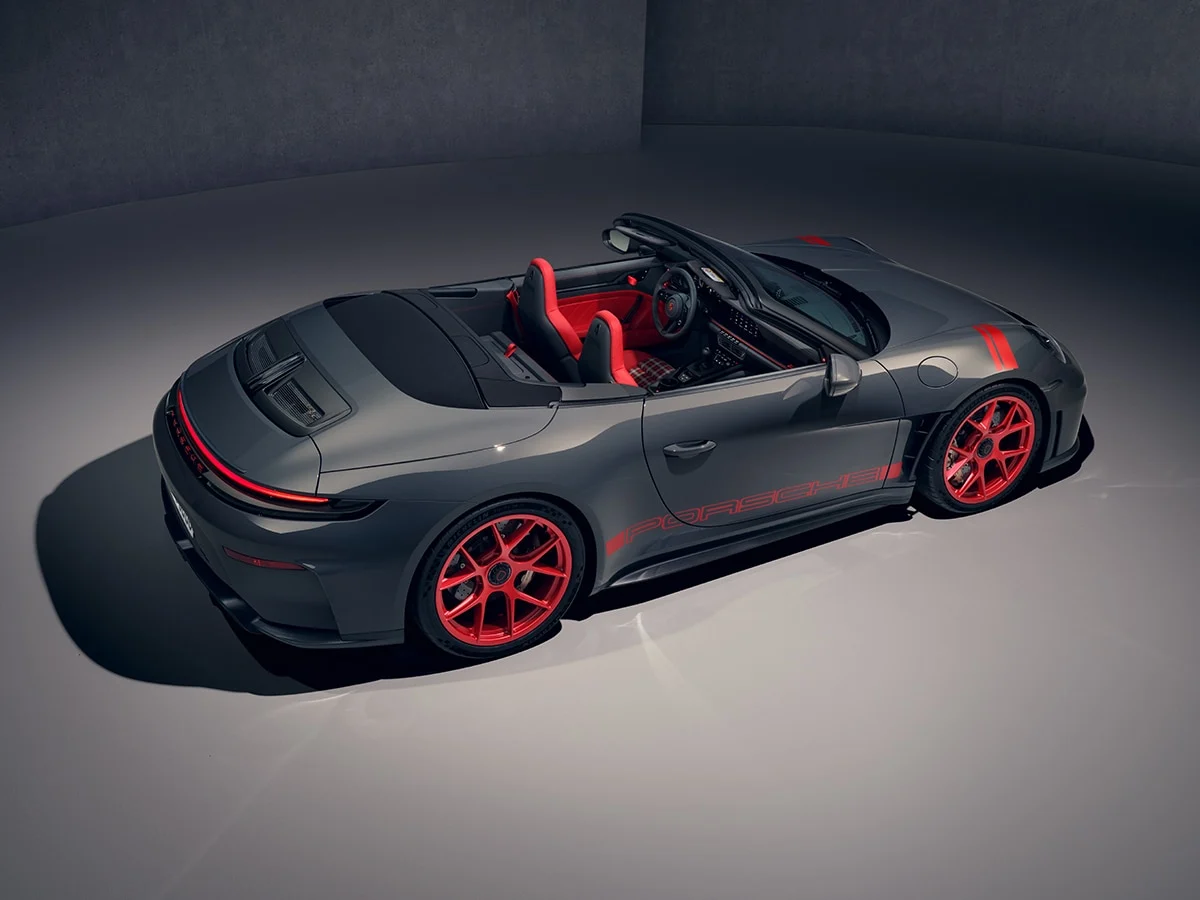
Stuttgart has officially unveiled the 2026 Porsche 911 GT3 S/C, a vehicle designed specifically to satisfy the long-standing demands of the brand’s most dedicated purists. By merging the high-revving, atmospheric soul of the GT3 with the visceral, open-air experience of a cabriolet, Porsche has created a machine that occupies a unique niche in the 992-generation lineup. This latest iteration is not merely a convertible version of a track car; it is a meticulously engineered hybrid of the 911 GT3 and the ultra-exclusive 911 S/T, stripped of electronic aids like the PDK dual-clutch transmission in favor of a dedicated six-speed manual gearbox.
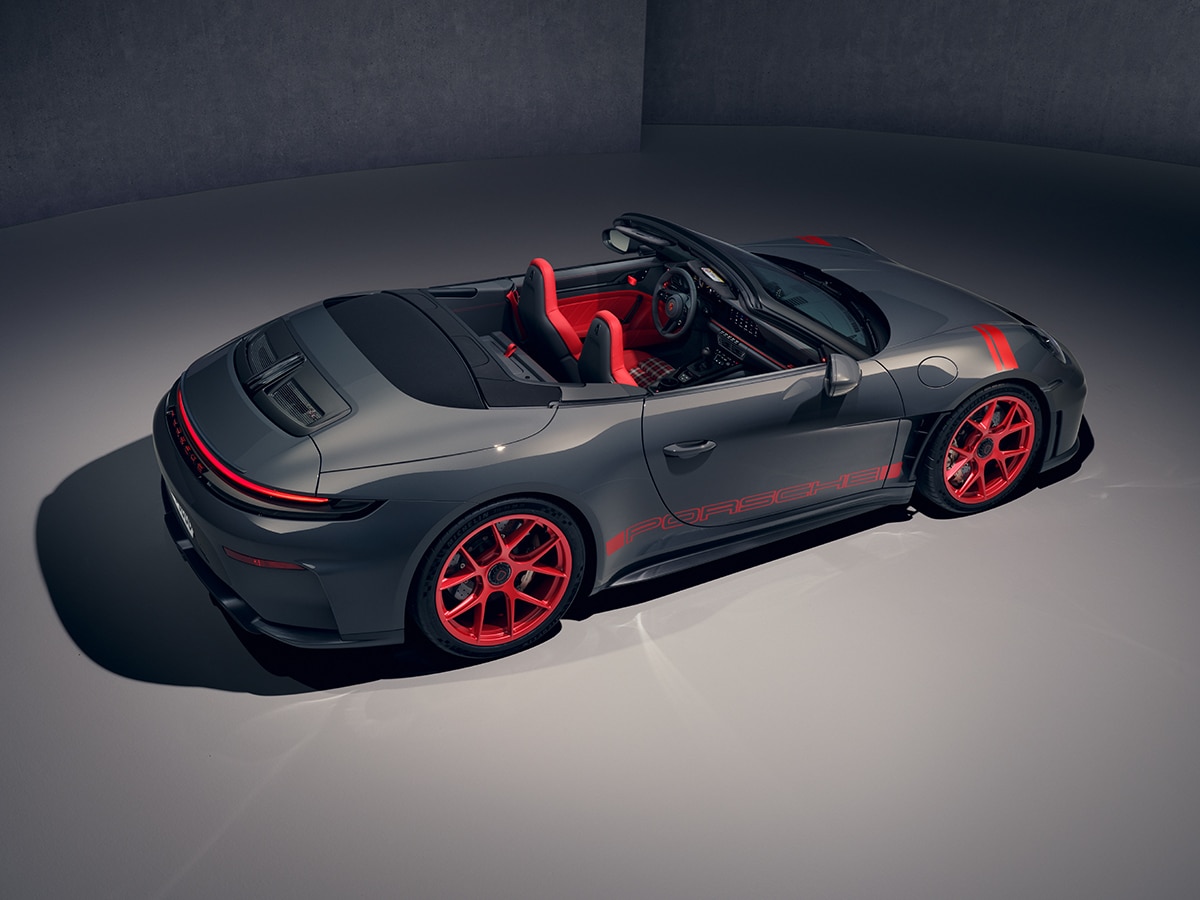
The announcement marks a significant moment for the Zuffenhausen-based manufacturer, as it reinforces its commitment to internal combustion engines and driver-centric analog controls amidst a broader industry shift toward hybridization and electrification. The GT3 S/C is positioned as a "Super Cabriolet," borrowing the lightweight philosophy of the S/T and the aerodynamic prowess of the GT3 to deliver what engineers describe as the most emotionally engaging drop-top in the company’s history.
The Mechanical Heart: A 9,000 RPM Masterpiece
At the center of the 911 GT3 S/C is the legendary 4.0-liter naturally aspirated flat-six engine. This power unit is a direct descendant of the engines found in Porsche’s GT racing programs and has been further refined for this application. To enhance throttle response and mid-range urgency, Porsche engineers have integrated revised cylinder heads and aggressive camshaft profiles sourced directly from the 911 GT3 RS.

The engine produces 375 kW (510 PS) and 450 Nm of torque. While these figures are consistent with the standard GT3, the delivery is tuned for the S/C’s specific mission profile. The car features flow-optimized individual throttle bodies, which provide nearly instantaneous response to driver inputs. With the roof retracted, the acoustic profile of the engine—specifically as it nears its 9,000 rpm redline—is designed to be the primary focus of the driving experience.
Performance remains at the supercar level despite the focus on engagement over lap times. The GT3 S/C completes the 0-100 km/h sprint in 3.9 seconds. Unlike the standard GT3, which offers the lightning-fast PDK transmission for track efficiency, the GT3 S/C is available exclusively with a short-ratio six-speed GT sports manual transmission. This gearbox features a lightweight clutch and a single-mass flywheel, reducing rotating mass and allowing the engine to rev with even greater freedom.
Lightweight Engineering and Material Science
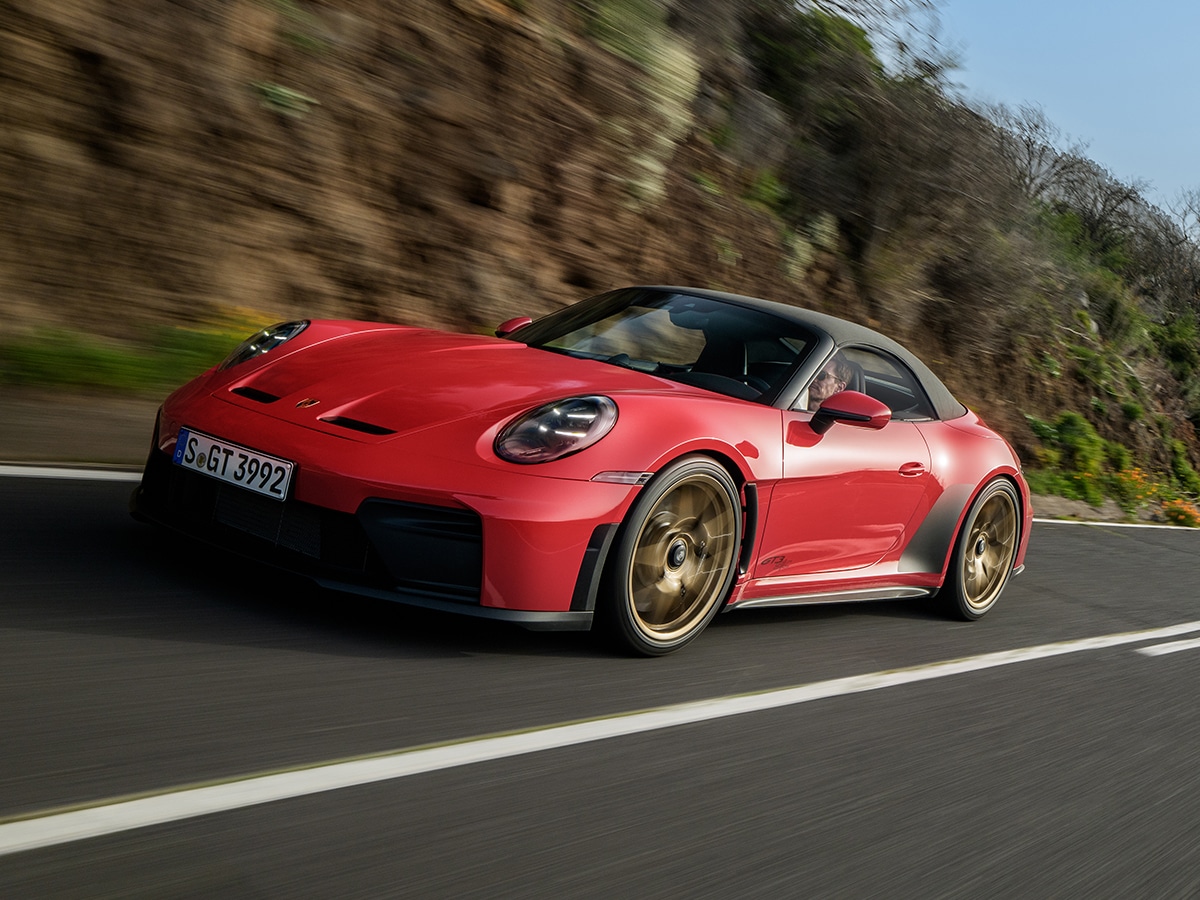
One of the primary challenges in developing a GT-grade cabriolet is the inherent weight penalty associated with convertible roof mechanisms and the necessary structural bracing. Historically, convertibles are significantly heavier than their coupe counterparts. However, Porsche has utilized a comprehensive "diet" of carbon fiber reinforced plastic (CFRP) and magnesium to mitigate this issue.
The 911 GT3 S/C tips the scales at 1,497 kilograms, making it only 30 kg heavier than the previous 991-generation Speedster, a car known for its extreme minimalism. To achieve this weight, the S/C utilizes several components from the 911 S/T. The front wings, doors, and bonnet are all crafted from CFRP. Underneath the skin, the car features a carbon fiber shear plate and anti-roll bars, which provide the necessary rigidity for high-performance driving without the weight of traditional steel components.
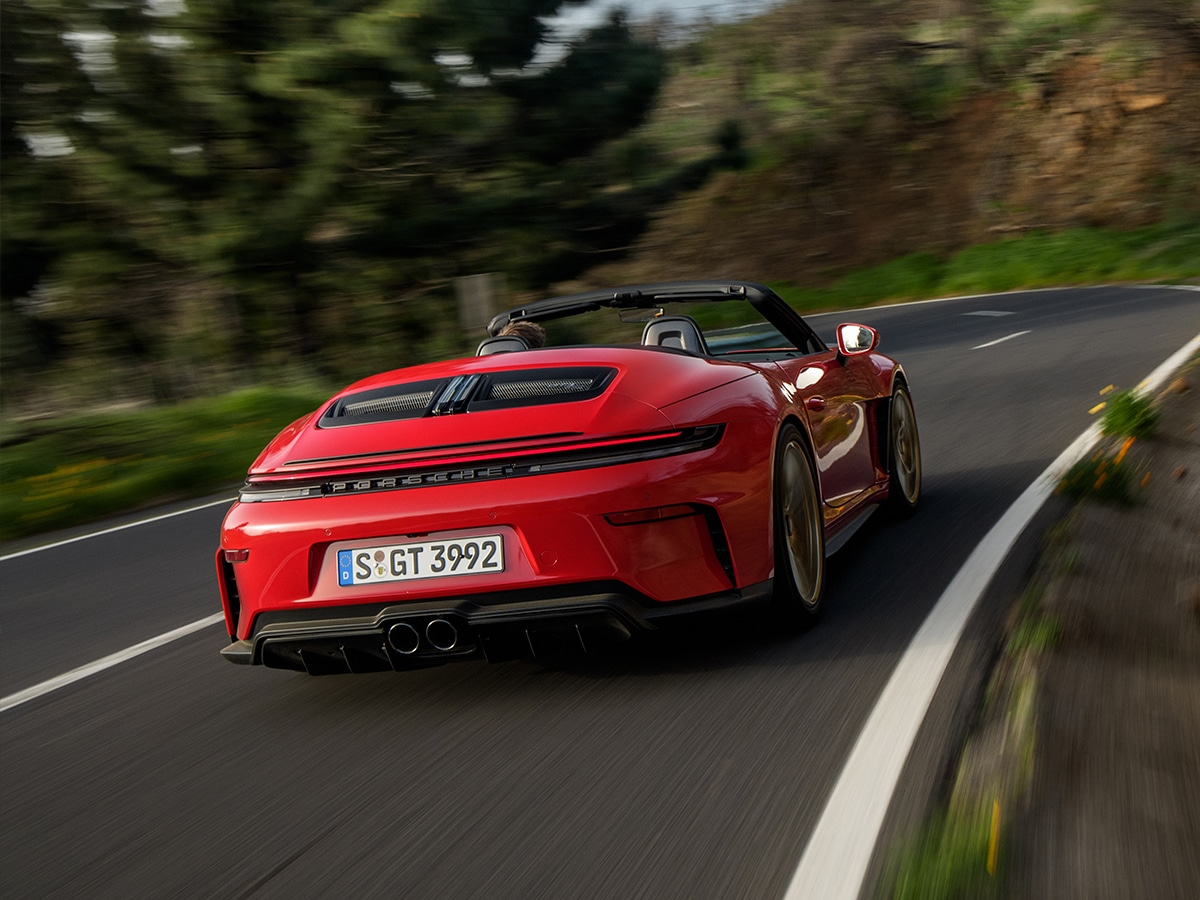
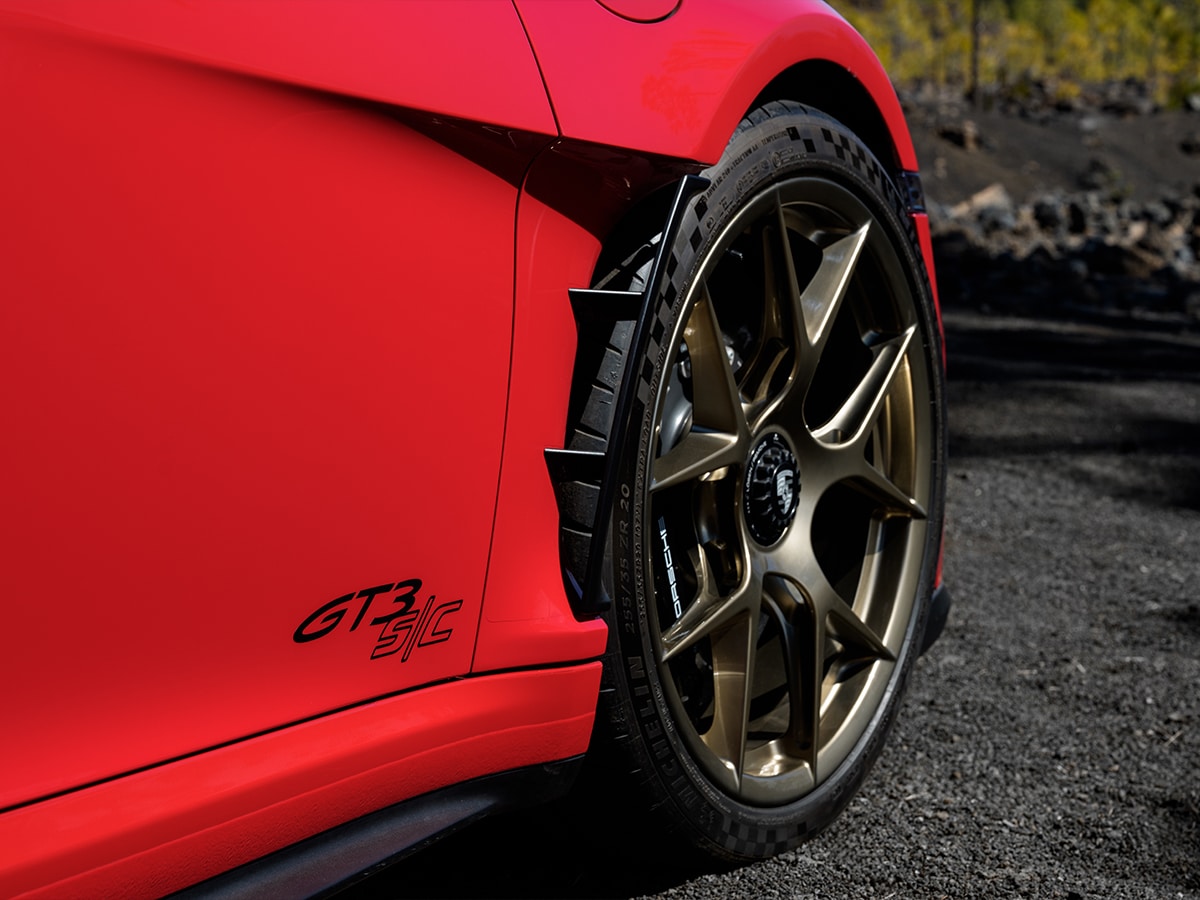
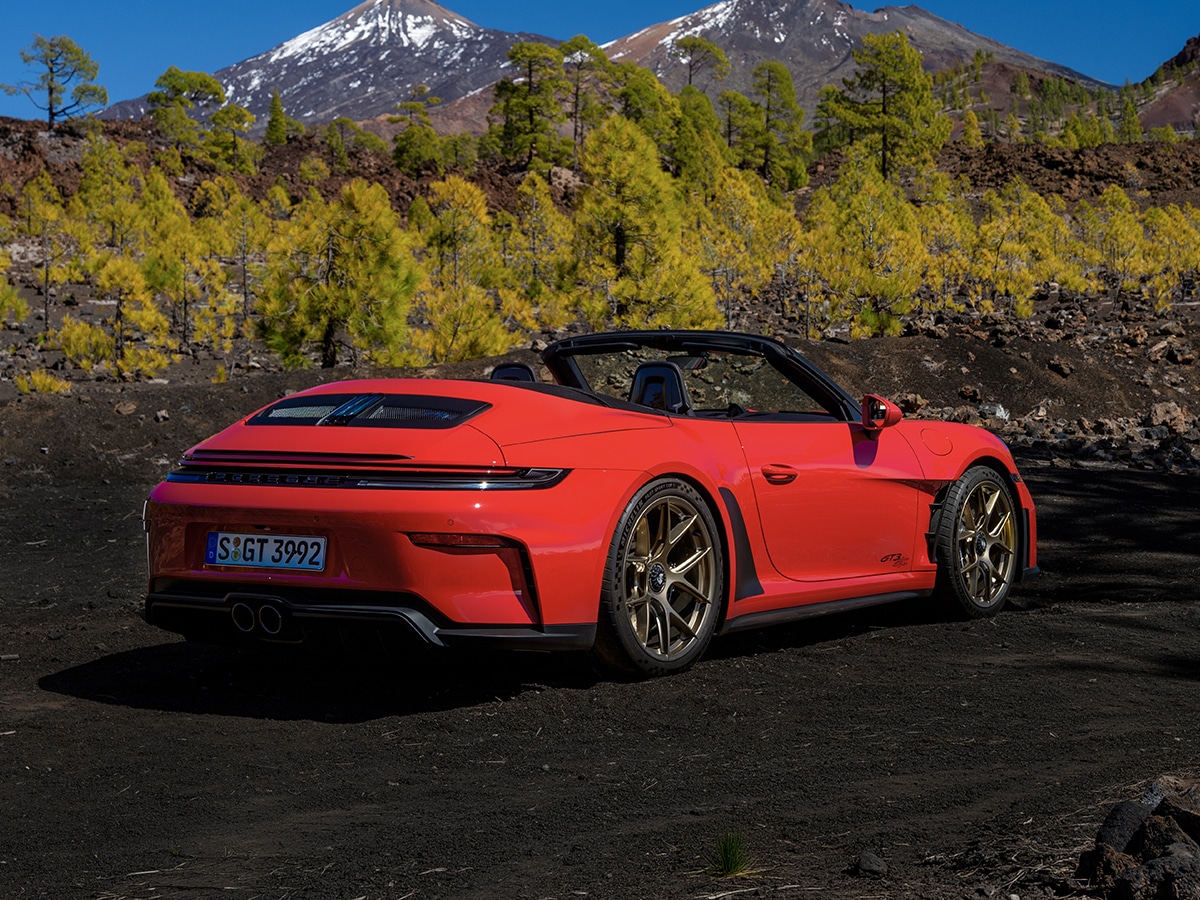
Unsprung mass has also been a focal point for the Weissach engineers. The vehicle comes standard with Porsche Ceramic Composite Brakes (PCCB), which significantly reduce weight at each corner. These are paired with lightweight magnesium center-lock wheels, measuring 20 inches at the front and 21 inches at the rear. Even the electrical system was scrutinized, resulting in the installation of a compact 40 Ah lithium-ion starter battery, which saves 4 kg compared to a standard unit.
Aerodynamics and the Modified Roof System
The silhouette of the GT3 S/C maintains the classic 911 "flyline," thanks to a heavily modified version of the standard 911 cabriolet’s automatic roof. Unlike the 911 Speedster, which required a labor-intensive manual "tent" top, the S/C offers the convenience of a fully electric system. The roof frame is constructed from magnesium to keep the center of gravity low and can be raised or lowered in approximately 12 seconds at speeds up to 50 km/h.
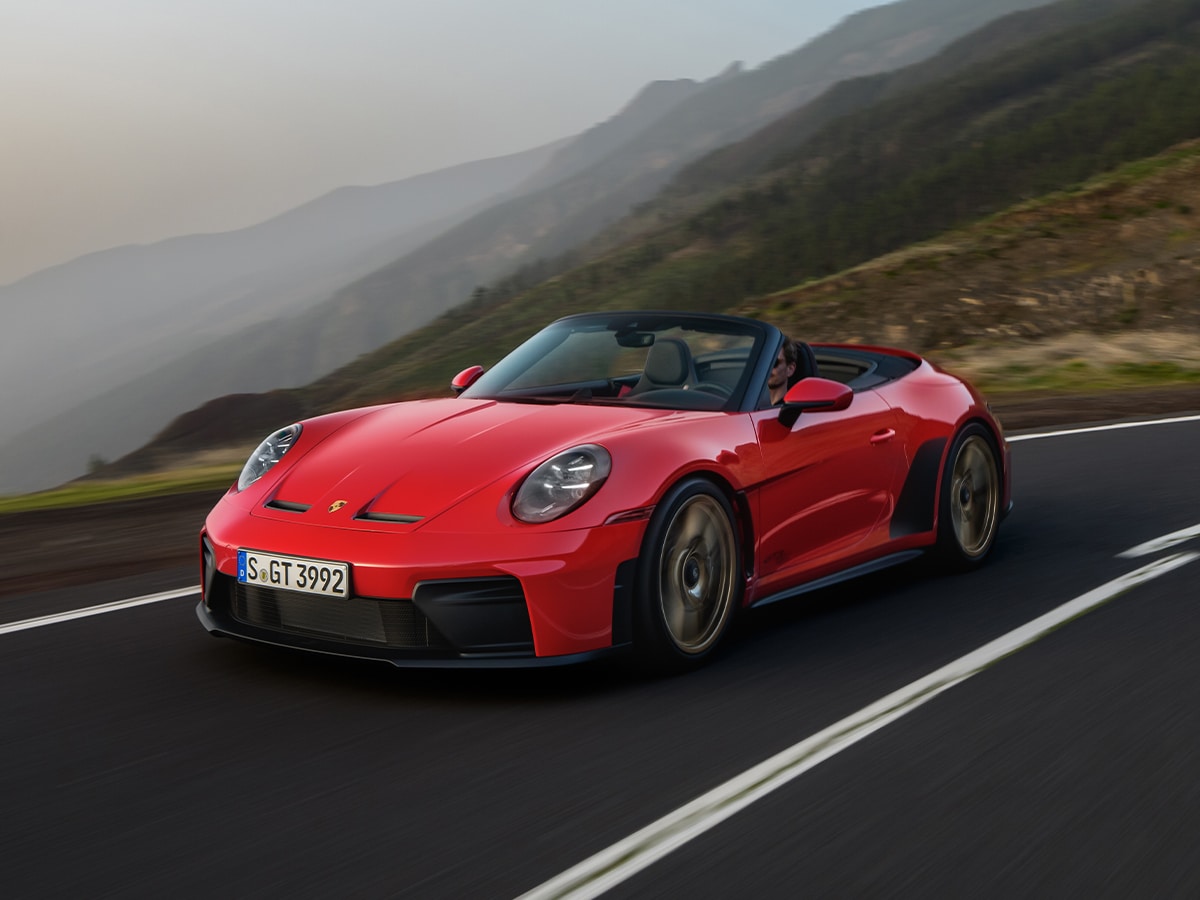
Aerodynamically, the S/C balances high-speed stability with the cooling requirements of the 4.0-liter engine. The front spoiler lip and rear diffuser are borrowed from the current GT3, providing significant downforce. However, instead of the GT3’s prominent "swan-neck" rear wing, the S/C utilizes a retractable rear spoiler equipped with a subtle Gurney flap. This ensures the car remains stable at its top speed while maintaining a cleaner, more elegant aesthetic suitable for road use. An integrated, electrically operated wind deflector can be deployed in two seconds to manage cabin turbulence during high-speed open-top driving.
The Cockpit: A Purist’s Environment
The interior of the GT3 S/C is a strictly two-seater affair, emphasizing its role as a driver’s tool rather than a grand tourer. The cabin has been stripped of unnecessary insulation and features lightweight carpeting to further reduce weight and allow more mechanical sound to permeate the space.
Standard equipment includes four-way adjustable Sports Seats Plus, though buyers can opt for carbon fiber folding sports bucket seats for a more track-oriented feel. In a deliberate nod to Porsche’s heritage, the modern push-button ignition has been omitted. Drivers must instead use a traditional rotary ignition switch located to the left of the steering wheel—a signature Porsche trait dating back to the 24 Hours of Le Mans.
The digital instrument cluster has been updated to include a "Track Screen" mode. This feature simplifies the display to show only essential data such as tire pressure, oil temperature, and coolant levels. Furthermore, the digital rev counter can be rotated so that the 9,000 rpm redline sits at the 12 o’clock position, ensuring the driver can monitor engine speed with a quick peripheral glance.
Pricing, Availability, and the Street Style Package
The 2026 Porsche 911 GT3 S/C is now available for order in Australia, with a starting price of $588,500 before on-road costs and options. Given the limited production nature of GT-branded Porsches, industry analysts expect the S/C to become a highly sought-after collector’s item, much like the 911 R and the 911 S/T.
For customers seeking further personalization, Porsche Exclusive Manufaktur offers the "Street Style Package" for an additional $58,670. This package includes:
- Exclusive exterior paint options inspired by classic Porsche liveries.
- Heritage-themed interior materials, including Pepita fabric seat centers.
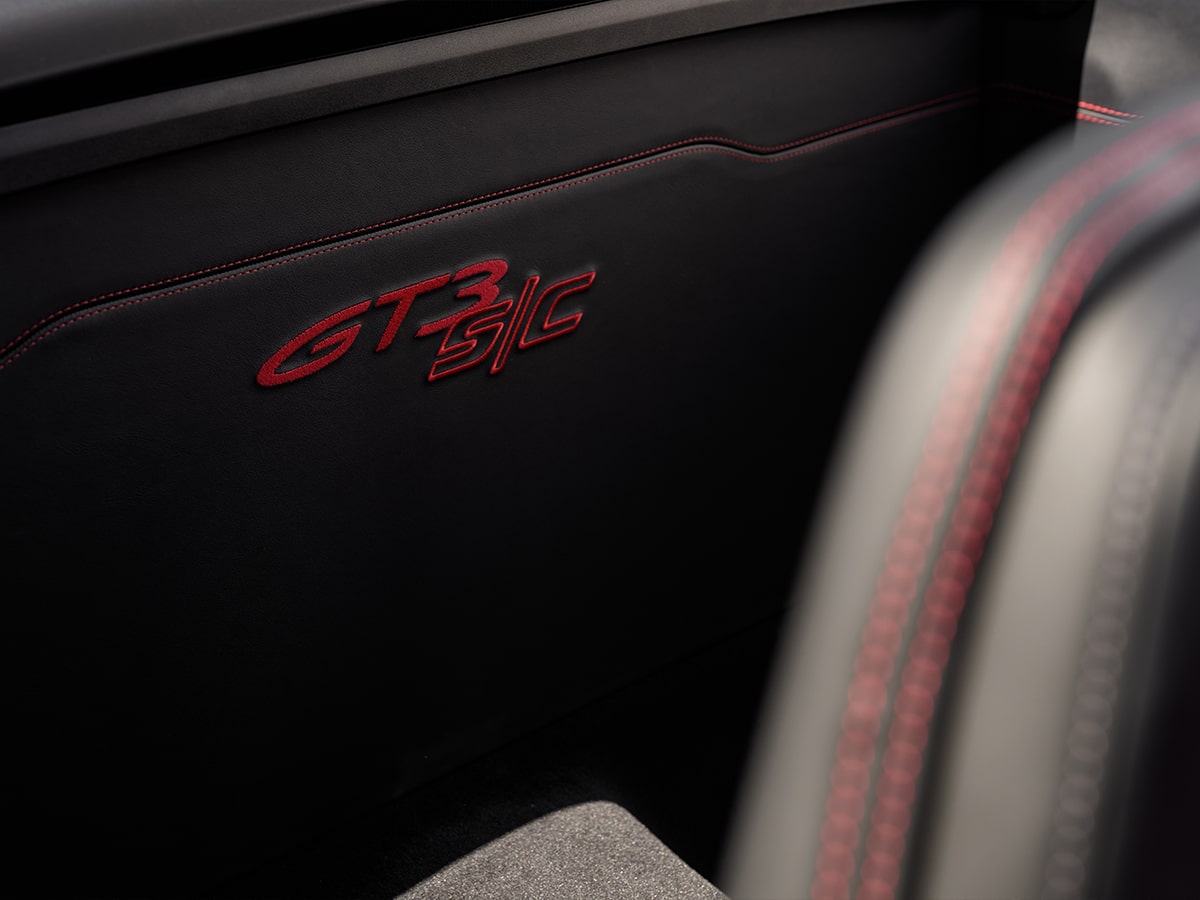
- Unique gold-colored "GT3 S/C" badging.
- Contrast stitching and extended leather treatments throughout the cabin.
Additionally, Porsche Design has released a matching Chronograph 911 GT3 S/C. The timepiece features a titanium case and a movement with a flyback function. The winding rotor on the back of the watch is designed to mimic the magnesium wheels of the car, allowing owners to carry a piece of the vehicle’s engineering on their wrist.
Market Analysis and Strategic Implications
The introduction of the GT3 S/C is a strategic move by Porsche to maximize the lifecycle of its naturally aspirated flat-six engine. As global emissions regulations become increasingly stringent, the window for pure, non-hybrid high-performance engines is narrowing. By offering the S/C, Porsche is capitalizing on the high margins associated with limited-run enthusiast cars while satisfying a vocal segment of its customer base that remains skeptical of the move toward turbocharging and electrification in the 911 Carrera line.
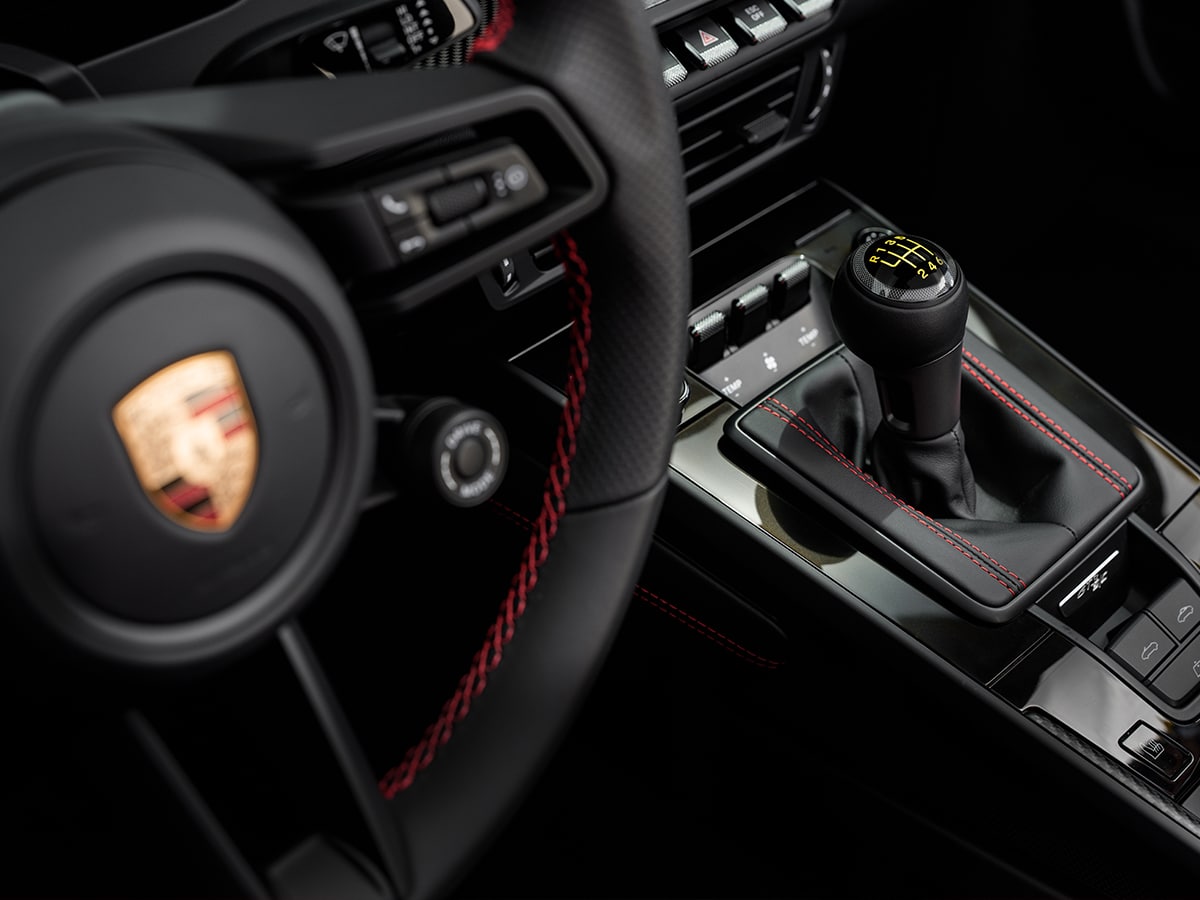
The decision to offer the car exclusively with a manual transmission is also telling. It differentiates the S/C from the rest of the 911 Cabriolet range, which is dominated by PDK-equipped models. This exclusivity ensures that the S/C does not compete directly with the 911 Turbo S Cabriolet, which focuses on effortless speed and luxury, but rather appeals to the "analog" driver who prioritizes engagement and mechanical harmony.
Furthermore, the GT3 S/C acts as a bridge between the track-focused GT3 and the heritage-focused S/T. By combining the best elements of both, Porsche has created a "greatest hits" package for the 992.2 era. As the automotive world moves toward an uncertain future, the GT3 S/C stands as a definitive statement of Porsche’s core values: performance, lightweight construction, and an unwavering dedication to the driving experience.



 Yuyun Lusiyani
 Joko Widodo
 Eva Lovia
 Pevita Pearce
 admin
admin