
 Lina Irawan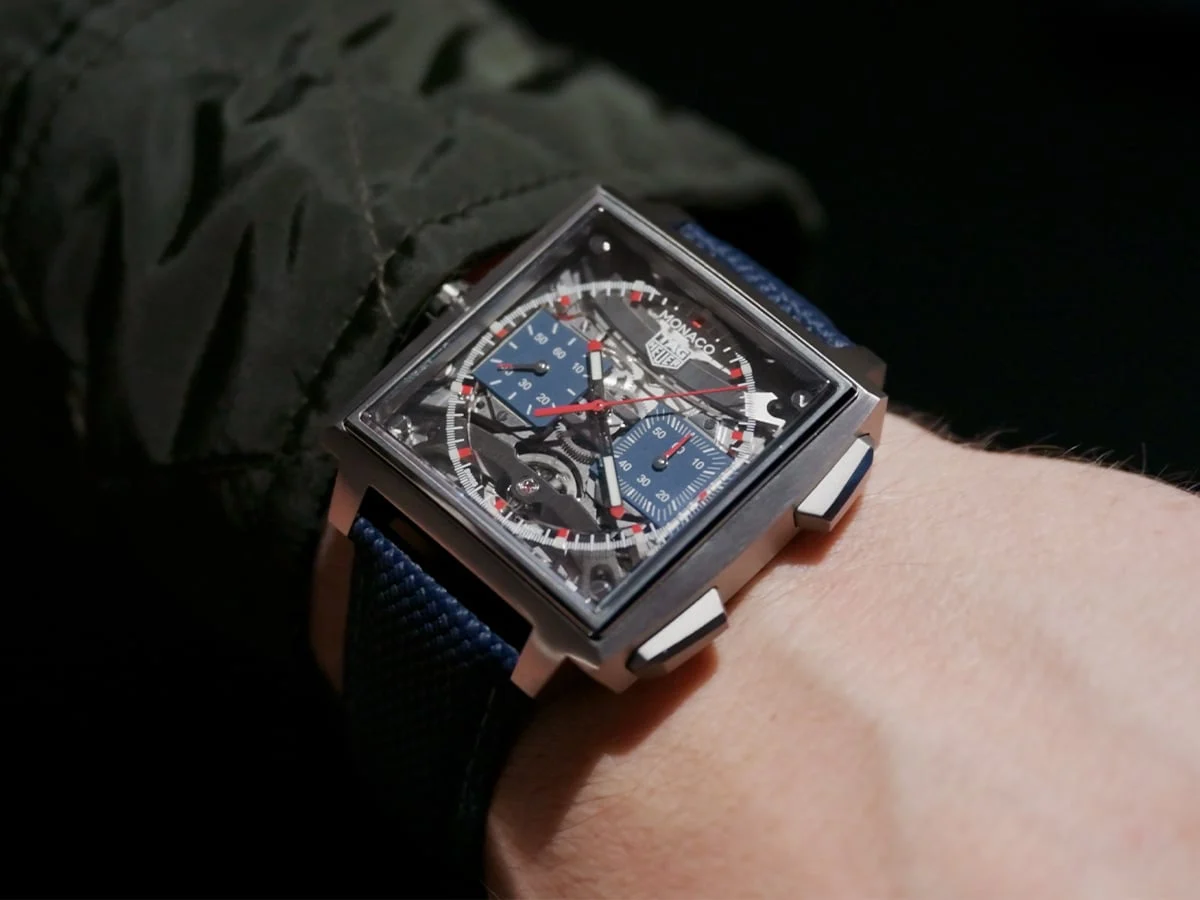
The opening of Watches and Wonders 2026 in Geneva has signaled a pivotal shift in the luxury horology landscape, characterized by an intensified competition between established heritage houses and high-performing independent watchmakers. While the industry has historically focused on the movements of a few dominant players, the 2026 exhibition demonstrates a broader distribution of technical artistry and market interest. Major brands, including Audemars Piguet, Tudor, and TAG Heuer, have unveiled significant advancements in material science and movement architecture, challenging the traditional hierarchy and setting a new benchmark for the year’s horological output.
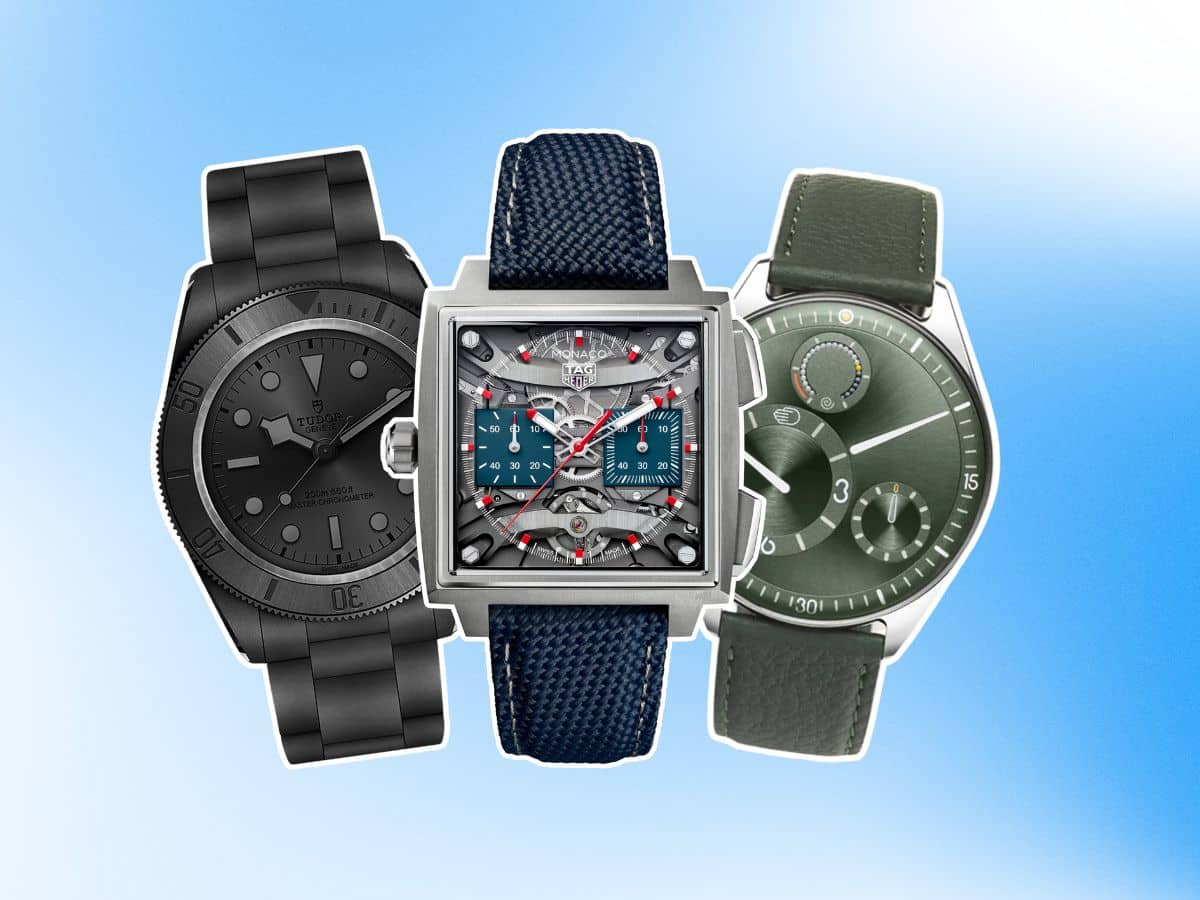
The event, which serves as the premier global summit for the watch industry, has transitioned from a showcase of aesthetic updates to a rigorous display of engineering prowess. This year’s early highlights include the introduction of blue ceramic perpetual calendars, chronographs utilizing flexible bistable components, and the debut of long-awaited in-house movements from boutique manufacturers. The emphasis remains firmly on the "Master Chronometer" standards and the integration of advanced materials such as zirconium oxide and Grade 5 titanium, reflecting a consumer demand for watches that offer both historical resonance and modern durability.
The Evolution of Watches and Wonders: Context and Chronology
Watches and Wonders has solidified its position as the successor to the now-defunct Baselworld, evolving into a unified platform for the Federation de la Haute Horlogerie (FHH). The 2026 edition follows a period of robust growth in the Swiss watch export sector, which saw record-breaking valuations in the preceding years. The event’s chronology began with a series of high-profile keynote presentations from the industry’s "heavy hitters," followed by intimate "Touch and Feel" sessions where journalists and collectors evaluated the tactile and ergonomic properties of the new releases.

On the first day of the exhibition, the narrative was quickly defined by Audemars Piguet’s departure from its traditional design language and Tudor’s aggressive expansion of its METAS-certified catalog. By midday, technical briefings from TAG Heuer regarding their five-year development of flexible mechanical components shifted the focus toward the future of chronography. This chronological progression highlights an industry that is no longer content with incremental changes, opting instead for structural and material revolutions.
Audemars Piguet: Material Innovation and the Neo Frame Language
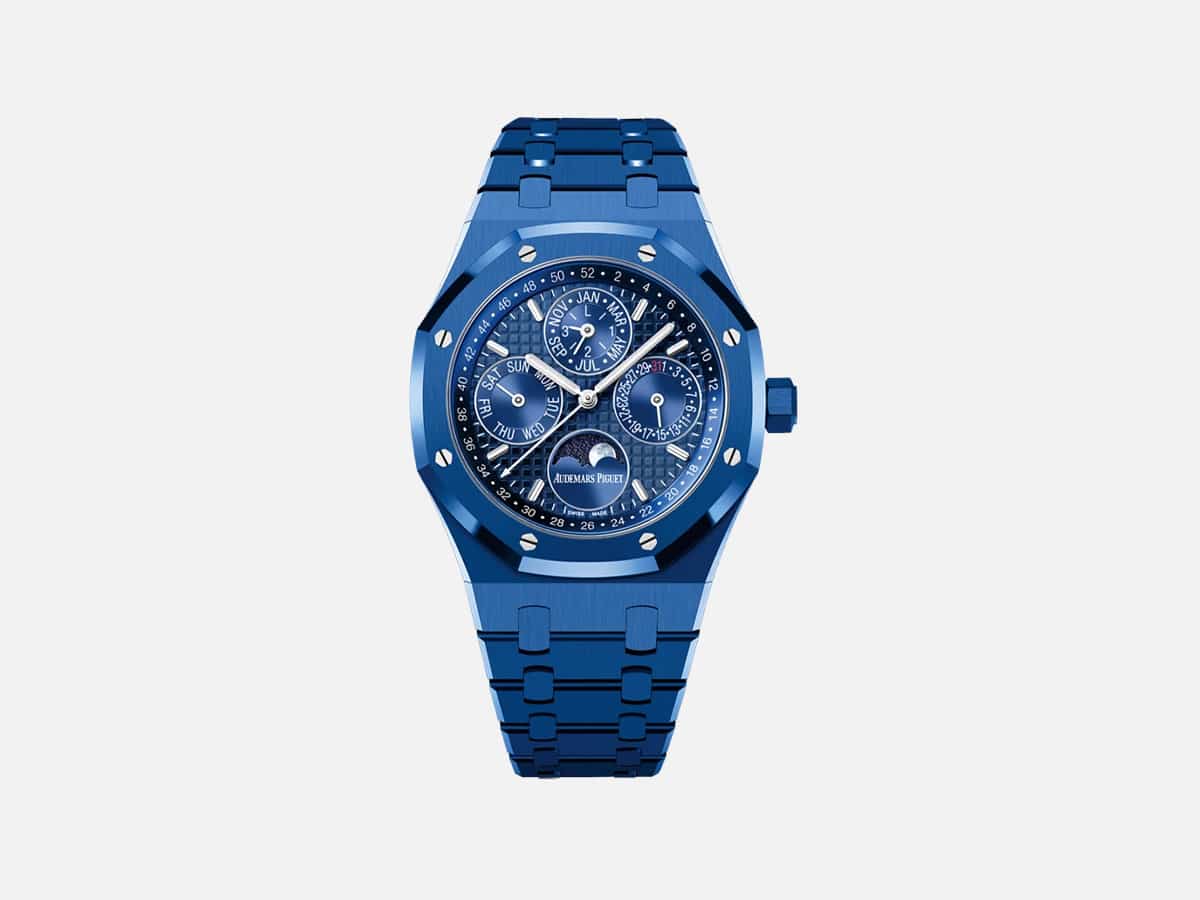
Audemars Piguet has utilized the 2026 platform to demonstrate its mastery of ceramic manufacturing and a bold new aesthetic direction. The release of the Royal Oak Perpetual Calendar in Blue Ceramic represents a culmination of the brand’s research into zirconium oxide. The entire case and every link of the integrated bracelet are crafted from this high-tech ceramic, which requires a complex sintering process to achieve a uniform, deep blue hue. The "Grande Tapisserie" dial is color-matched to the case, creating a monochromatic profile that emphasizes the perpetual calendar complications. This release reinforces the trend of "stealth luxury," where high-value complications are housed in materials that offer superior scratch resistance and lightweight comfort.
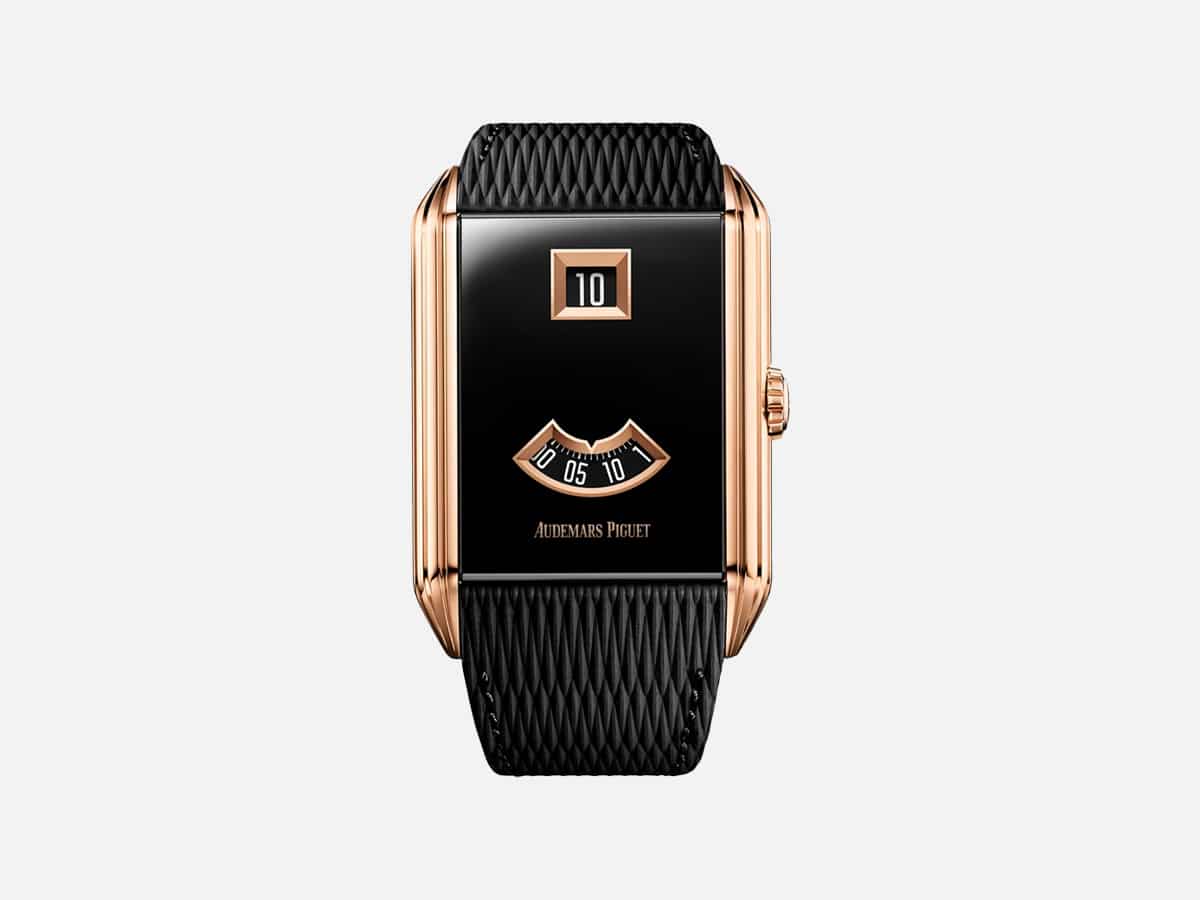
Simultaneously, the brand introduced the Neo Frame Jumping Hour, a significant departure from the octagonal bezel that has defined the manufacturer for decades. Encased in 18-carat pink gold, the Neo Frame features architectural lugs and a sapphire dial that provides a transparent view of the Calibre 7122. The movement appears suspended, emphasizing the jumping hour aperture at 12 o’clock and the rotating minute disc. Industry analysts suggest that the Neo Frame language is an intentional move by Audemars Piguet to diversify its portfolio and appeal to a demographic seeking 1930s-inspired elegance merged with 21st-century movement architecture.
Tudor and the Standardization of the Master Chronometer
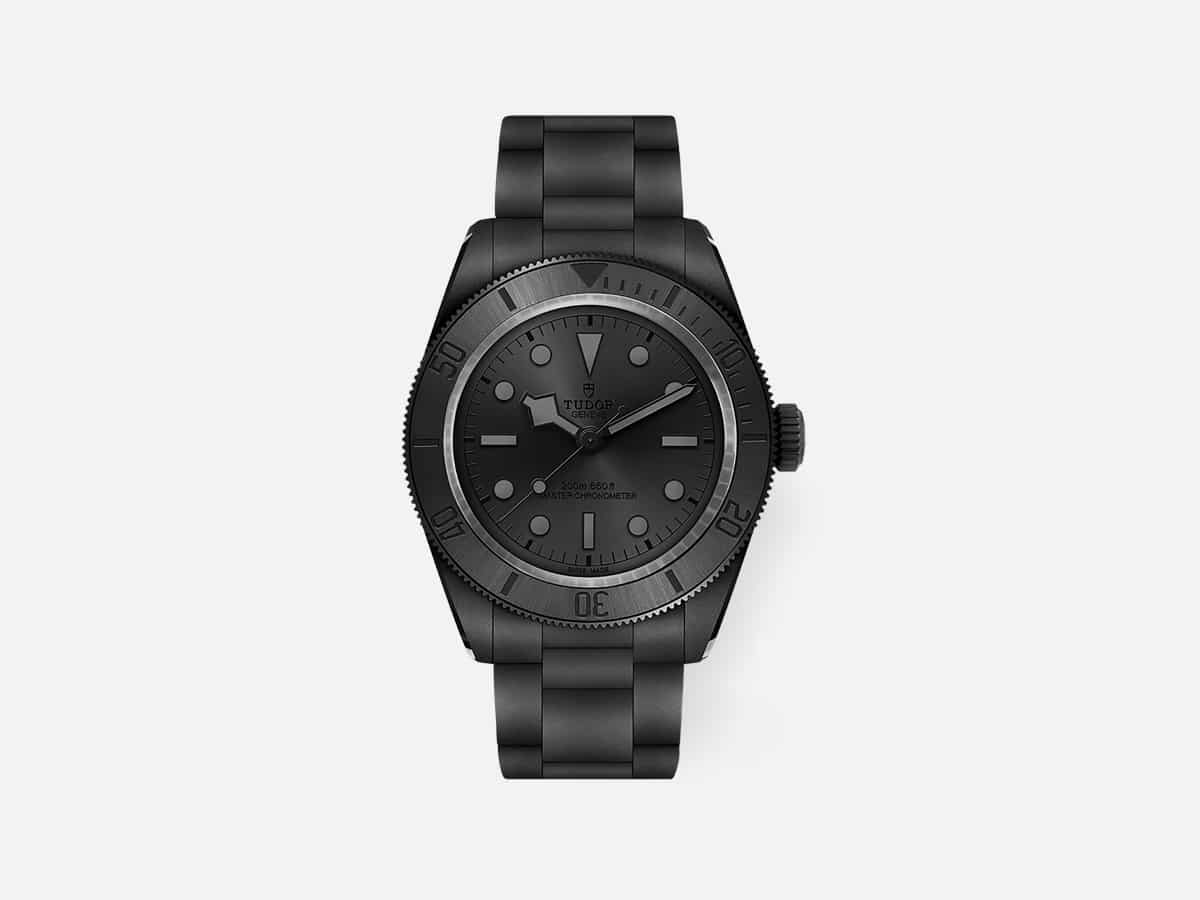
Tudor’s 2026 strategy centers on technical democratization, specifically through the Black Bay Ceramic (Ref. M7941A1ACNU-0001). This model represents the brand’s commitment to the METAS (Federal Institute of Metrology) Master Chronometer certification. To achieve this status, the watch must remain functional within magnetic fields of 15,000 gauss and maintain a precision of 0/+5 seconds per day. The inclusion of a full ceramic bracelet and the "T-fit" rapid adjustment clasp at a competitive price point positions Tudor as a dominant force in the professional diver category.
The broader implication of Tudor’s METAS push is a direct challenge to higher-priced competitors. By providing laboratory-certified accuracy and anti-magnetic properties across its core lines, Tudor is shifting consumer expectations for what constitutes a "standard" luxury tool watch. The Black Bay Ceramic’s matte finish and technical specifications suggest a focus on functional longevity over ornamental display.
TAG Heuer: The Monaco Evergraph and Flexible Chronometry
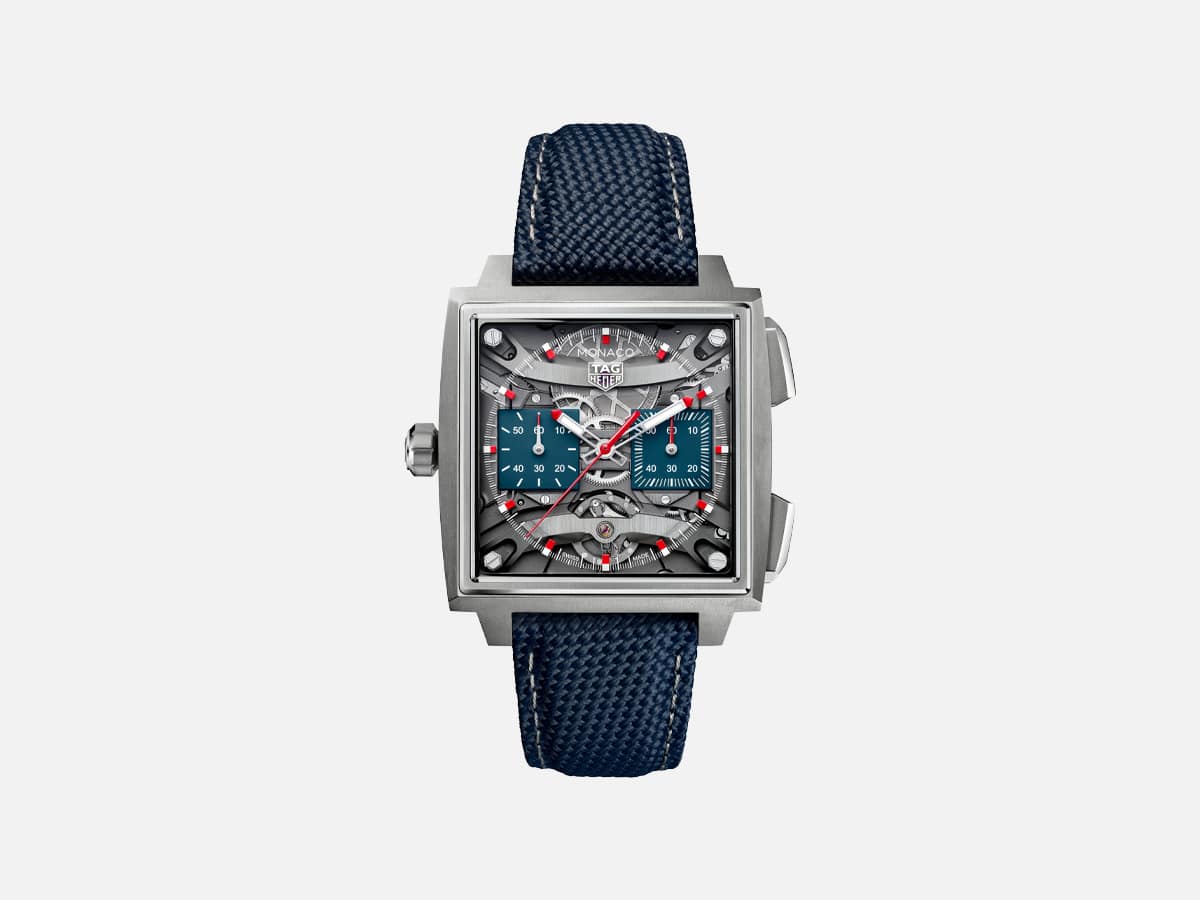
TAG Heuer has introduced what many engineers at the fair consider the most radical technical advancement of the year: the Monaco Evergraph. The centerpiece of this timepiece is the Calibre TH80-00, a movement that took five years to develop. It replaces the traditional levers and springs of a chronograph with "bistable" flexible components. This architecture reduces friction and mechanical wear, allowing for greater precision and a simplified assembly process.
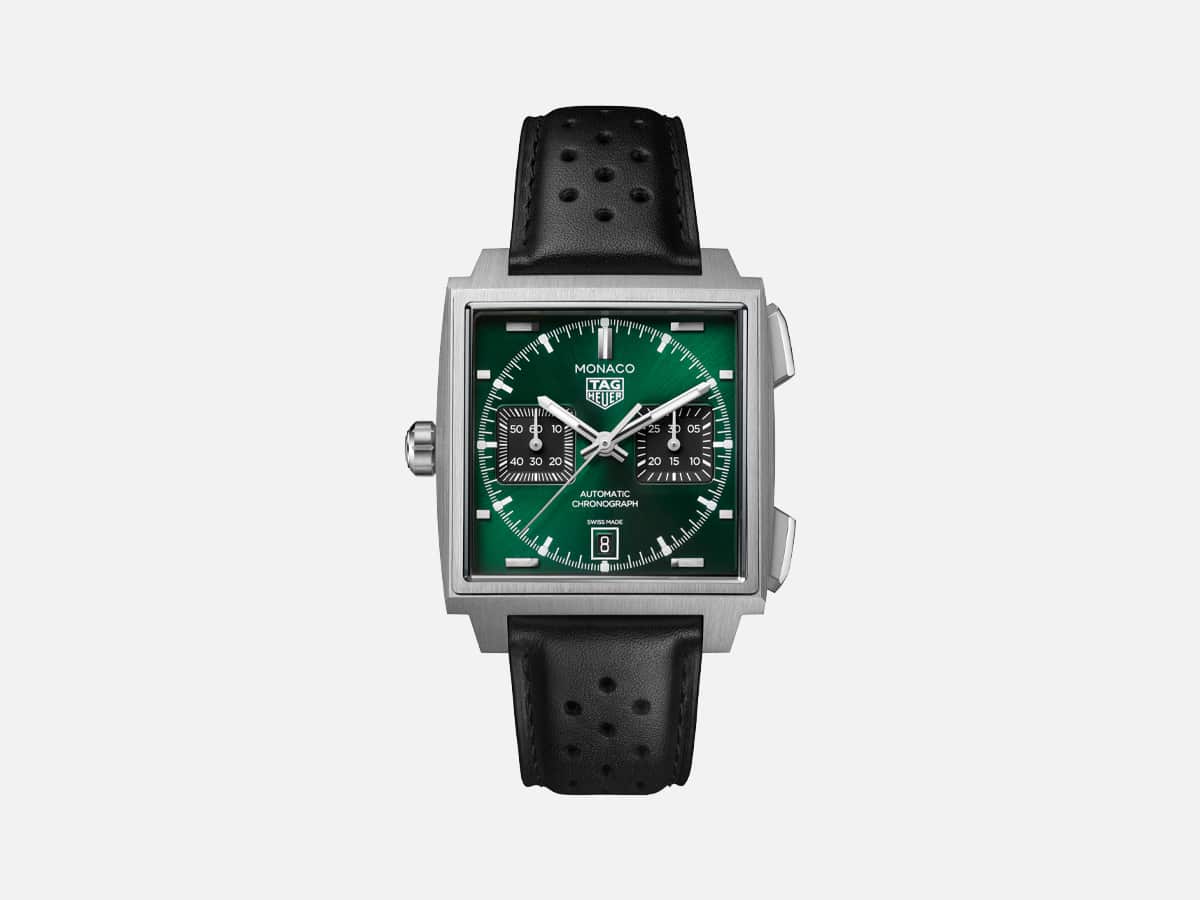
The Monaco Evergraph also incorporates the TH-Carbonspring oscillator, which operates at a frequency of 5 Hz (36,000 vibrations per hour), enabling 1/10-second precision. The open-worked dial allows observers to see the bistable components in motion, providing a visual representation of the brand’s "Avant-Garde" philosophy. For collectors preferring a more traditional aesthetic, TAG Heuer also released a 39mm Monaco Chronograph in Grade 5 titanium featuring a green sunray-brushed dial. This model focuses on ergonomics, with a redesigned case that is thinner than previous iterations, reflecting a general industry trend toward wearable dimensions without sacrificing mechanical complexity.
Ressence: The Milestone of the Werk RW-01 In-House Movement
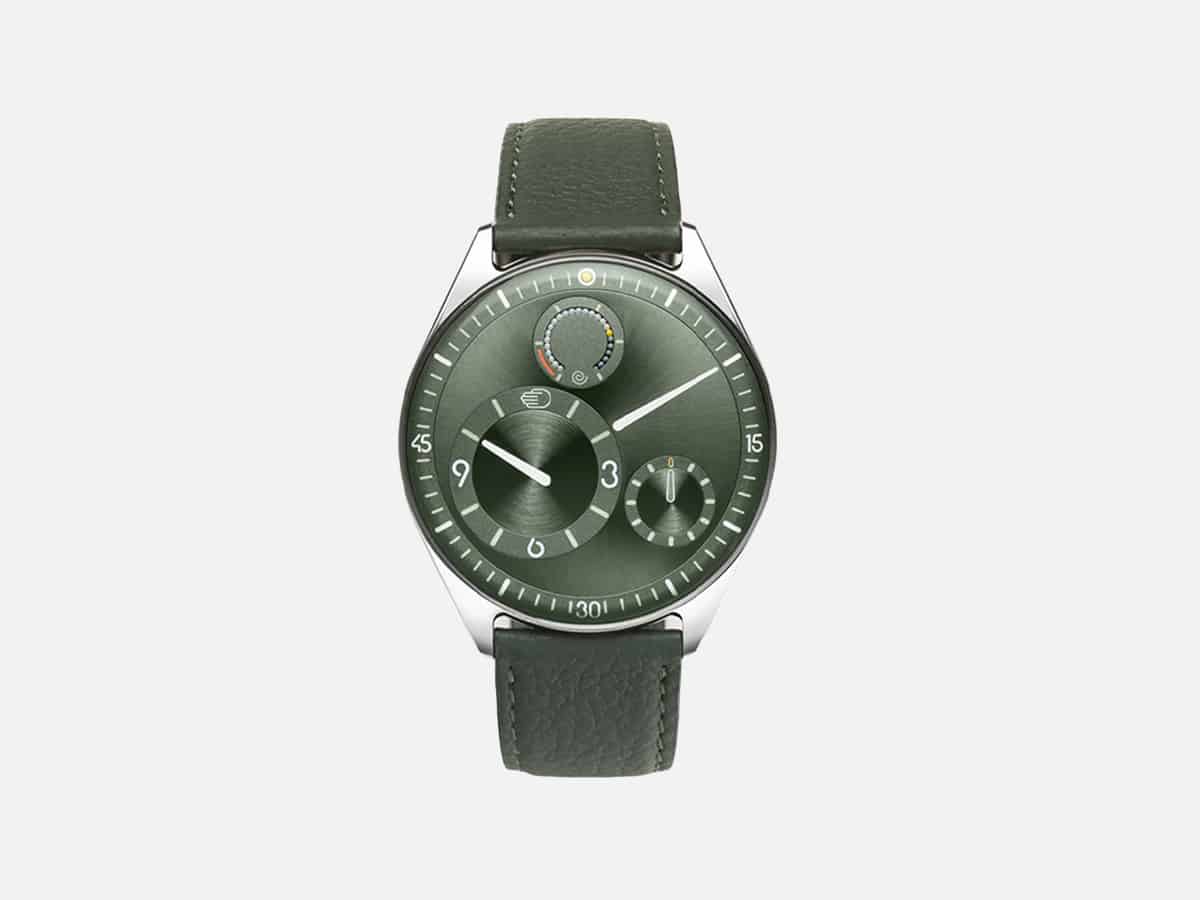
Independent watchmaking reached a new milestone at Watches and Wonders 2026 with Ressence’s introduction of its first in-house movement, the Werk RW-01. Since its inception, Ressence has been known for the Ressence Orbital Convex System (ROCS), which uses a series of rotating discs to display time. Historically, these systems were driven by modified third-party calibers. The transition to the RW-01 movement within the new Type 11 range marks the brand’s evolution into a fully integrated manufacture.
The Type 11 "Pine" variant exemplifies the brand’s "organic" approach to design, utilizing a minimalist aesthetic and a smaller case profile than previous models. The move to an in-house movement is viewed by market analysts as a necessary step for Ressence to secure its long-term independence and to further refine the efficiency of the ROCS display. The introduction of the RW-01 is expected to increase the brand’s desirability among horological purists who prioritize vertical integration.
Technical Specifications and Comparative Data
The following data summarizes the key technical benchmarks established by the lead releases at the 2026 exhibition:
| Model | Movement | Material | Key Feature |
|---|---|---|---|
| AP Royal Oak QP | Calibre 5134 | Blue Ceramic | Ultra-thin Perpetual Calendar |
| Tudor Black Bay | MT5602-1U | Ceramic | METAS Master Chronometer |
| TAG Heuer Evergraph | TH80-00 | Titanium/Carbon | Bistable Flexible Components |
| AP Neo Frame | Calibre 7122 | 18k Pink Gold | Floating Jumping Hour |
| Ressence Type 11 | Werk RW-01 | Grade 5 Titanium | First In-House Movement |
The data indicates a clear preference for Grade 5 titanium and advanced ceramics across the board. Furthermore, the average power reserve for these new releases has stabilized between 50 and 70 hours, even in models with high-frequency oscillators or complex calendar modules.
Broader Impact and Industry Implications
The first day of Watches and Wonders 2026 has provided a clear indication of the luxury watch industry’s trajectory. There is an unmistakable move toward technical transparency, where the movement is no longer hidden behind a dial but is instead an integral part of the visual experience. The success of independent brands like Ressence in developing in-house capabilities suggests that the "indie" sector is no longer a niche market but a primary driver of innovation.
Furthermore, the emphasis on METAS certification by Tudor and the development of the Evergraph by TAG Heuer highlight a renewed "arms race" in chronometric precision. As mechanical watches continue to compete with digital alternatives for wrist space, the industry is doubling down on the one thing electronics cannot replicate: the visible, tangible mastery of physical laws through micro-engineering.
As the exhibition continues, the focus is expected to shift toward the sustainability of these materials and the long-term serviceability of such complex movements. However, the initial reveal confirms that 2026 is a year of bold risks and structural milestones, reaffirming Geneva’s status as the epicenter of global horological excellence.



 Yuyun Lusiyani
 Joko Widodo
 Jia Lissa
 Pevita Pearce
 admin
admin
