
 admin
admin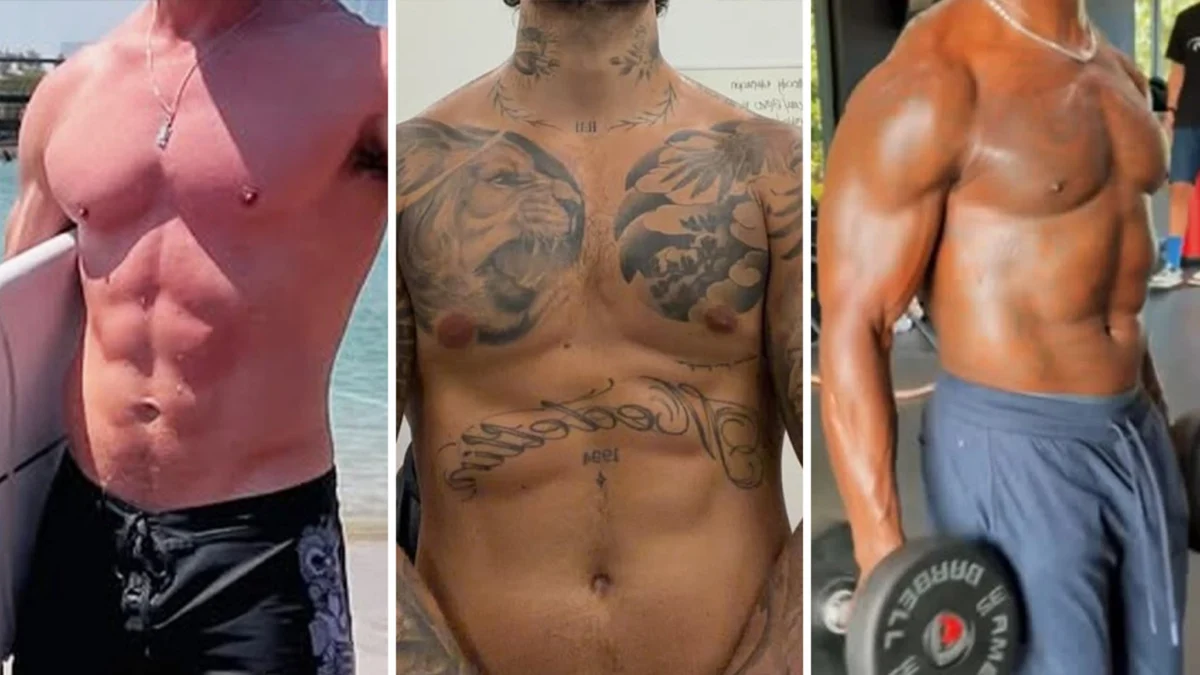
The Hollywood Spotlight on Paternal Physiques
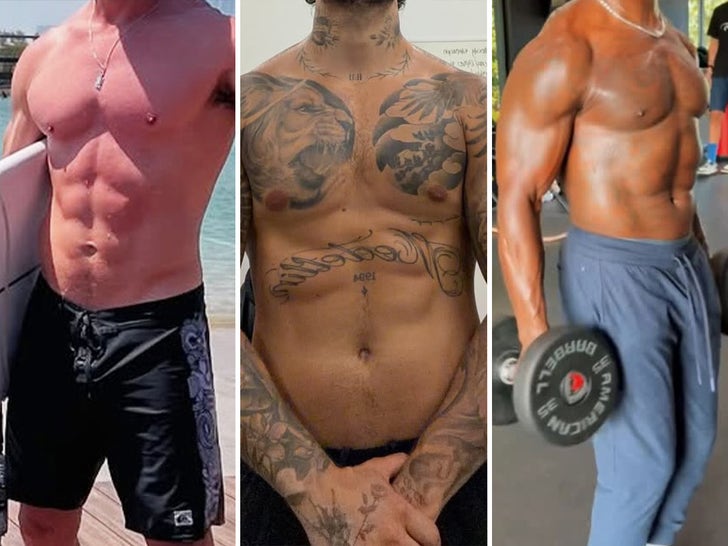
The recent media attention focuses on a roster of high-profile fathers, including actors Chris Hemsworth and Mark Wahlberg, musicians Maluma and Justin Bieber, comedian Kevin Hart, and sports icon David Beckham. These individuals, each renowned for their respective careers and public profiles, are noted for presenting physiques that, while often described as "rock hard," are being framed within the broader "dad bod" narrative. This juxtaposition of terms—the inherently relaxed "dad bod" versus the intensely disciplined "rock hard physique"—underscores a complex and often contradictory dialogue within celebrity culture.
Chris Hemsworth, globally recognized for his role as Thor in the Marvel Cinematic Universe, maintains an exceptionally muscular and athletic build, often sharing glimpses of his rigorous training regimen through his fitness app, Centr. Mark Wahlberg is famously disciplined, adhering to an intense daily schedule that includes early morning workouts and strict dietary protocols, resulting in a consistently lean and muscular frame. David Beckham, a former professional athlete, has long been a style icon and fitness ambassador, his physique remaining a testament to continued dedication. Kevin Hart, known for his stand-up comedy and acting, is also a vocal proponent of fitness, frequently participating in marathons and sharing his workout routines. Younger celebrities like Maluma and Justin Bieber, both fathers, have similarly cultivated strong public images tied to their physical appearances, frequently appearing shirtless in media and public engagements, projecting a modern, often chiseled, aesthetic.
The aggregation of these figures into a single narrative around "hot dad bods" suggests a deliberate editorial choice to tap into a popular cultural trend while simultaneously highlighting the aspirational fitness levels often maintained by Hollywood’s elite. It prompts a deeper examination into what constitutes a "dad bod" in the celebrity sphere versus its original, more relatable definition.
A Deeper Look at the "Dad Bod" Phenomenon
The term "dad bod" first gained widespread traction in 2015, popularized by an essay written by then-Clemson University student Mackenzie Pearson. She defined it as a physique that "says, ‘I go to the gym occasionally, but I also really enjoy eating pizza and drinking beer.’" It was characterized by a balance between fitness and a relaxed attitude towards diet, often resulting in a slightly soft, yet not entirely out-of-shape, appearance. The concept resonated widely, celebrated for its perceived relatability and authenticity, offering a refreshing counterpoint to the hyper-muscular or perfectly chiseled male physiques often presented as ideals in media.
Initially, the "dad bod" was embraced by many as a symbol of comfortable masculinity, suggesting a man who prioritized family and life experiences over an obsessive pursuit of physical perfection. Celebrities such as Leonardo DiCaprio were frequently cited as exemplars of this body type, contributing to its mainstream acceptance and even desirability. The initial appeal lay in its attainable nature, a contrast to the often unattainable standards set by highly sculpted celebrity bodies.
However, the application of the term to individuals like Chris Hemsworth or Mark Wahlberg, who maintain exceptionally low body fat percentages and significant muscle mass through rigorous training, marks a significant evolution—or perhaps a distortion—of the original concept. This reinterpretation suggests that for a physique to be considered a "hot dad bod" in the celebrity context, it must still be remarkably fit, bordering on athletic, rather than merely "relatable." This shift highlights how popular culture often redefines and elevates concepts, sometimes creating new, subtly demanding standards under the guise of casual acceptance.
Celebrity Fitness Regimes and Public Perception
The sustained physical condition of these celebrated fathers is not accidental; it is the product of substantial commitment, resources, and professional guidance. Chris Hemsworth, for instance, has publicly discussed his training protocols with personal trainer Luke Zocchi and the dietary strategies employed to achieve his superhero physique. His Centr app offers personalized fitness and nutrition plans, showcasing the scientific and disciplined approach behind his appearance. Mark Wahlberg’s notorious daily routine, often beginning before 3 AM, includes multiple workouts, cryotherapy, and a meticulously managed diet, a regimen that is far removed from an "occasional" gym visit. David Beckham, even post-retirement from professional sports, maintains a highly active lifestyle, combining football, gym workouts, and various outdoor activities, often serving as a brand ambassador for athletic wear and wellness products.
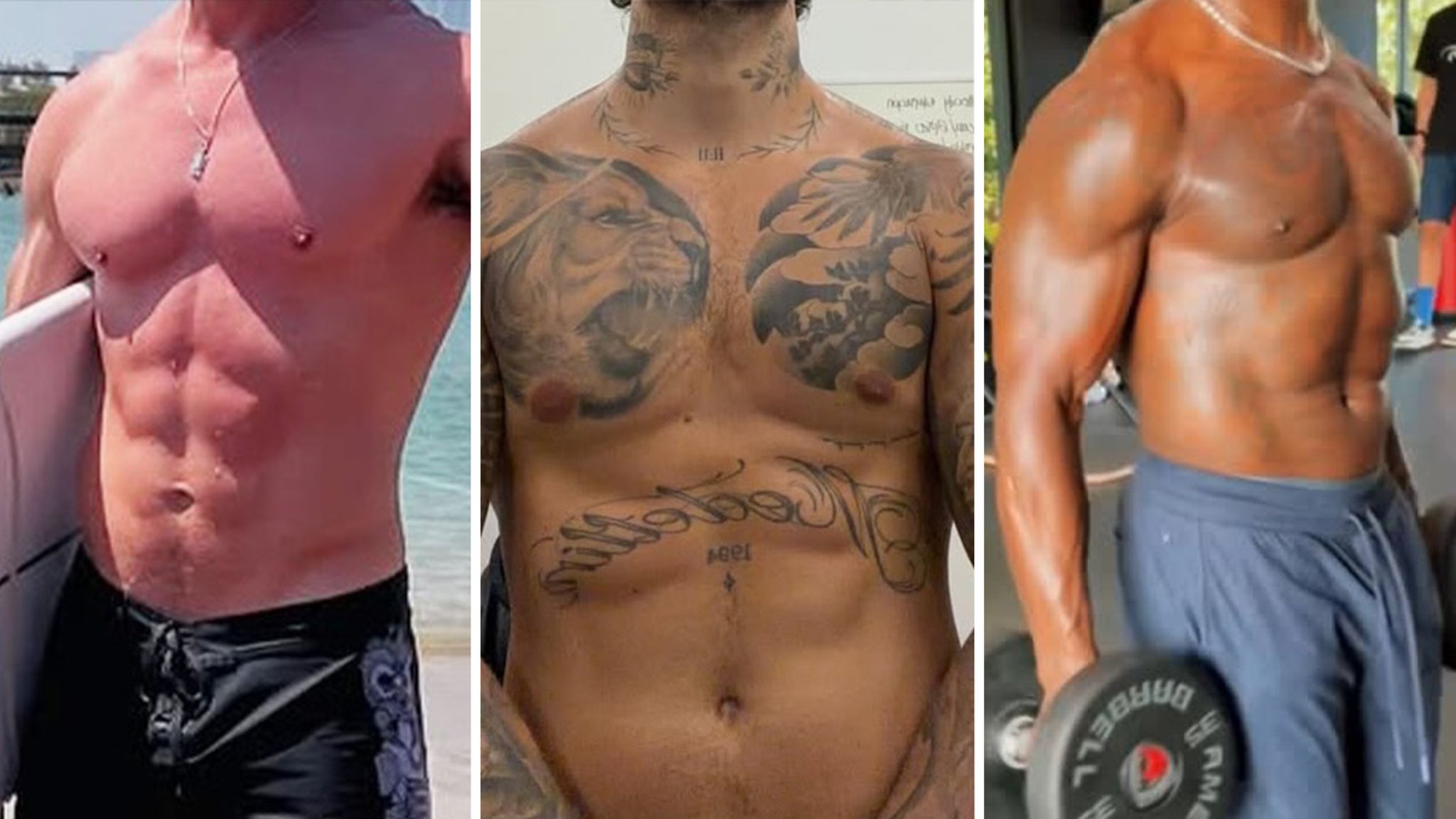
These rigorous routines are often supported by teams of nutritionists, physiotherapists, and personal trainers, representing a significant investment of time and capital. For the average individual, replicating such a lifestyle is often impractical, if not impossible. This discrepancy between the celebrity "dad bod" and the everyday reality highlights the aspirational gap that media often creates.
Studies on celebrity influence in health and fitness indicate a powerful correlation between public figures showcasing certain lifestyles and consumer behavior. For example, the global fitness industry, valued at hundreds of billions of dollars, frequently sees spikes in interest for specific workout regimes or dietary trends following their adoption or endorsement by a prominent celebrity. When a figure like Hemsworth promotes fitness, it can translate into increased subscriptions for his app or sales of related fitness equipment. The framing of these highly sculpted bodies as "dad bods" might serve to make these aspirational physiques seem more attainable, thereby broadening their appeal and potential for commercial influence.
The Commercialization of Father’s Day and Body Image
Father’s Day, celebrated annually, has evolved into a significant commercial event, with consumers spending billions on gifts and experiences. Media narratives around "fit dads" or "hot dad bods" around this time are not coincidental; they often align with marketing strategies designed to capitalize on the holiday. The original article’s mention of these physiques being a "gift for Father’s Day" subtly reinforces this commercial link.
Such narratives can influence purchasing decisions, steering consumers towards fitness-related gifts like gym memberships, athletic apparel, health supplements, or grooming products associated with a well-maintained appearance. Beyond direct sales, these portrayals also contribute to broader cultural discussions about male body image. While the "dad bod" was initially a move towards body acceptance, its celebrity reinterpretation can inadvertently apply new pressures on men. The constant exposure to idealized, albeit rebranded, physiques can contribute to body dissatisfaction among men who do not meet these elevated standards. This mirrors the long-standing discourse around female body image and the pressures women face to conform to often unrealistic beauty ideals.
Expert Perspectives on the Evolving Narrative
To gain deeper insight into this phenomenon, we can consider the perspectives of various experts:
Dr. Eleanor Vance, a cultural sociologist specializing in media representation, offers her inferred analysis: "The celebrity ‘dad bod’ trend is fascinating because it attempts to bridge the gap between aspirational Hollywood perfection and relatable everyday life. However, when figures like Hemsworth or Wahlberg are described as having ‘dad bods,’ it effectively redefines the term to an almost unattainable standard for the average person. This creates a new kind of subtle pressure, suggesting that even a ‘relaxed’ paternal physique should still be exceptionally toned and muscular. It subtly moves the goalposts, making the ideal less about genuine relatability and more about a carefully curated image of approachable fitness."
Liam Chen, a fitness industry analyst, provides an inferred economic viewpoint: "While the ‘dad bod’ initially suggested a relaxed approach to fitness, the industry quickly capitalized on its popularity. We’ve seen a surge in ‘athleisure’ wear, home workout equipment, and even specialized diet plans marketed to men aspiring to this updated ideal. When celebrities with highly sculpted physiques are labeled as having ‘dad bods,’ it legitimizes a higher standard of fitness within this category, potentially driving sales by making these demanding routines seem more achievable or desirable for a broader male demographic."
Sarah Jenkins, a public relations consultant specializing in celebrity branding, offers an inferred strategic perspective: "For celebrities, managing their physical image is a crucial part of their overall brand strategy. Showcasing a ‘dad bod’—even a highly sculpted one—can make them appear more approachable, grounded, and human. This can significantly endear them to a wider audience, especially around family-centric holidays like Father’s Day, fostering a sense of connection and authenticity that might be harder to achieve with an overtly ‘perfect’ or unapproachable physique. It’s about strategic relatability."
These inferred expert perspectives highlight the multifaceted nature of the "dad bod" phenomenon in the celebrity sphere, touching upon its cultural, economic, and PR implications.
The Shifting Sands of Masculinity and Media Representation
The ongoing discussion around "dad bods" and celebrity physiques is a microcosm of broader shifts in how masculinity is portrayed and perceived in contemporary media. Historically, male celebrities were often presented either as rugged, overtly masculine figures or as slender, debonair types. The late 20th and early 21st centuries saw a rise in the hyper-muscular action hero, setting an often unrealistic benchmark for male physical ideals.
The emergence of the "dad bod" in the mid-2010s represented a potential softening of these ideals, offering a more inclusive vision of masculinity that embraced comfort and a less rigid adherence to extreme fitness. However, the current trend, as exemplified by the recent focus on "rock hard" celebrity fathers, indicates a re-calibration. It suggests that while relatability is valued, the underlying aspiration for physical excellence, particularly in Hollywood, remains potent. The internet and social media play a critical role in accelerating these trends, allowing images and discussions to proliferate rapidly, shaping public opinion and personal aspirations.
The implications extend beyond mere aesthetics, impacting mental health and self-esteem among non-celebrity men. The constant bombardment of idealized images, whether traditionally muscular or the "elevated dad bod," can lead to body dissatisfaction, anxiety, and even disordered eating or excessive exercise. As such, media outlets bear a responsibility to frame these discussions with nuance, acknowledging the diverse range of healthy body types and promoting a balanced approach to fitness and self-image.
Conclusion
The annual resurgence of interest in celebrity "dad bods," particularly around Father’s Day, serves as a fascinating cultural barometer. What began as a celebration of relatable, slightly softer male physiques has, in the celebrity sphere, transformed into an acknowledgement of highly disciplined and athletic bodies, albeit still framed within the context of fatherhood. Figures like Chris Hemsworth, Mark Wahlberg, Maluma, Kevin Hart, Justin Bieber, and David Beckham embody this complex blend of aspirational fitness and perceived relatability.
This phenomenon reflects not only the media’s enduring fascination with celebrity appearance but also the evolving societal dialogues around masculinity, body image, and the role of fathers. It underscores the powerful influence of popular culture in shaping ideals and driving consumer behavior. While the term "dad bod" might initially suggest a relaxed approach, its application to Hollywood’s fittest fathers reveals a nuanced reality where aspiration and approachability are carefully balanced, ultimately contributing to an ongoing, multifaceted conversation about what it means to be a modern man in the public eye. As temperatures rise and Father’s Day celebrations continue, the spotlight on these physiques ensures that the "dad bod" discussion, in all its evolving forms, remains a prominent feature of the cultural landscape.

 Jia Lissa
 Yuyun Lusiyani
 Joko Widodo
 Eva Lovia

 Pevita Pearce