
 Ana Megawati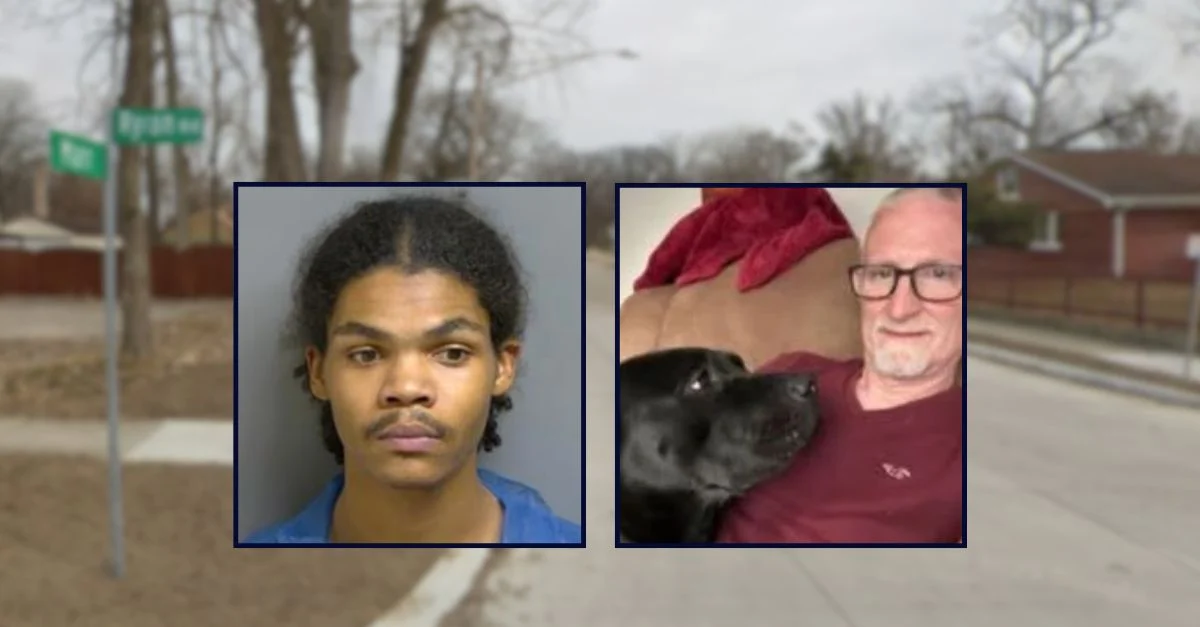
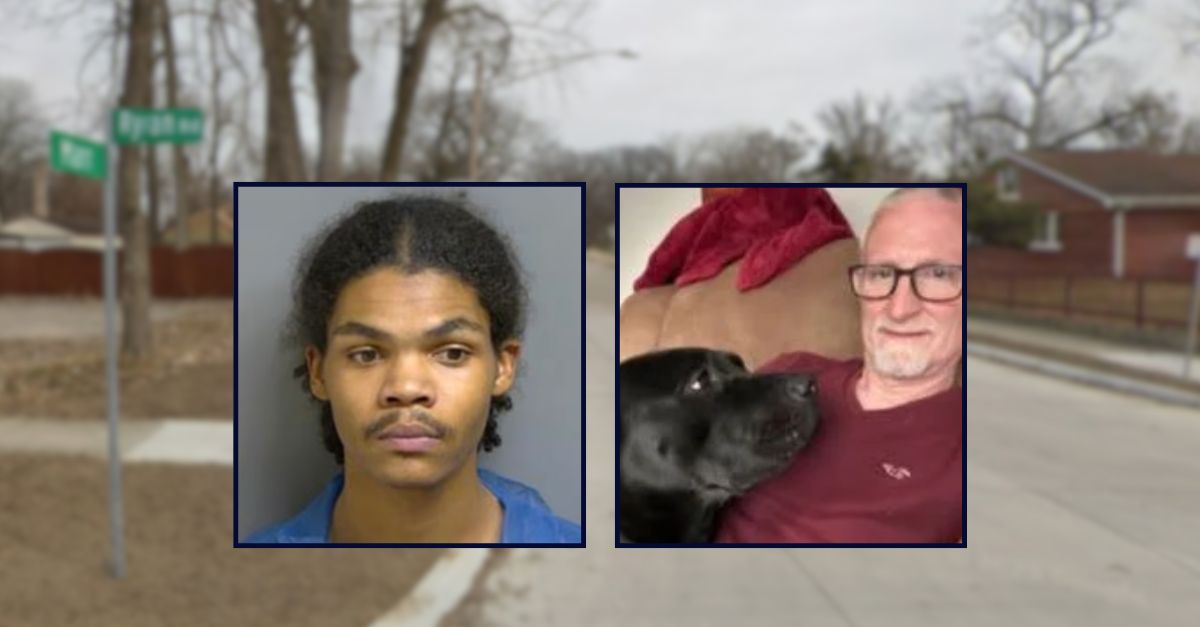
A Michigan man, Kayvon Briscoe-Hall, 21, faces a potentially lengthy prison sentence following his conviction on Wednesday for the fatal shooting of his 63-year-old romantic partner and roommate, Roger Willie. The Macomb County jury found Briscoe-Hall guilty of one count of second-degree murder and one count of felony firearm, bringing a grim conclusion to a case that illuminated the complex and often tragic dynamics within intimate relationships. The incident, which unfolded in October 2025 at the couple’s shared residence on Marr Avenue in Warren, an inner-ring suburb of Detroit, has drawn significant attention to issues of domestic violence, age-gap relationships, and the legal intricacies of proving intent versus self-defense.
The Verdict and Its Legal Ramifications
The conviction for second-degree murder carries a potential sentence of up to life imprisonment in Michigan, though judges have discretion within sentencing guidelines based on various factors, including the defendant’s criminal history and the specifics of the crime. The additional felony firearm charge mandates a consecutive two-year prison sentence, which must be served before any sentence for the murder conviction begins. This mandatory minimum underscores the state’s stringent stance on crimes committed with firearms. The jury’s decision to convict Briscoe-Hall of second-degree murder, rather than a lesser charge or acquittal, indicates their belief that he acted with malice aforethought – the intent to kill, inflict great bodily harm, or create a high risk of death with knowledge that death or great bodily harm would be the probable result – but without the premeditation and deliberation typically required for a first-degree murder conviction. The verdict represents a significant victory for the prosecution, which argued that Briscoe-Hall’s actions were deliberate and motivated by a desire to control or eliminate Willie.
A Relationship Under Scrutiny: The Background of Briscoe-Hall and Willie
The relationship between Kayvon Briscoe-Hall and Roger Willie began in 2023 after they connected on a dating application. Soon after, they commenced living together in Willie’s home on Marr Avenue. This arrangement placed a 21-year-old man in a domestic partnership with a 63-year-old, a significant age disparity that later became a point of contention during the trial, with the defense suggesting it contributed to a "power imbalance." Roger Willie, a long-time resident of Warren, was described in his obituary as a kind and gentle soul, remembered by friends and family for his generous spirit. Warren, Michigan, a city with a population exceeding 130,000, is known for its diverse communities and serves as a vital economic hub within Macomb County. The neighborhood where Briscoe-Hall and Willie resided is typical of many suburban areas, characterized by residential streets and a mix of long-term residents and newer arrivals. The seemingly ordinary setting belied the escalating tensions that would ultimately erupt in violence.
Chronology of Escalation: Signs of Trouble Leading to Tragedy
The initial months of Briscoe-Hall and Willie’s cohabitation appear to have been without major incident, but by the summer of 2025, a disturbing pattern of escalating hostility began to emerge. Neighbors reported hearing frequent arguments, characterized by shouting and the slamming of doors, emanating from the couple’s home. These disputes, initially verbal, reportedly intensified over time. A particularly troubling incident recalled by a next-door neighbor during a preliminary hearing involved Willie sustaining a gash on his forehead, an injury that hinted at physical altercations preceding the fatal shooting. While the exact circumstances of this injury were not fully detailed, it painted a picture of a relationship marked by violence.
Perhaps the most damning piece of testimony came from the same neighbor, who recounted overhearing a chilling phone conversation in August 2025. Briscoe-Hall, believed to be home alone at the time, was heard telling someone on the phone, "Oooooo girl, this is all going to be mine soon." This statement, presented by the prosecution, suggested a potential financial motive or a desire for control over Willie’s assets or property, adding a layer of premeditation to the narrative of escalating conflict. It provided a stark contrast to the defense’s later suggestion of a spontaneous reaction to a perceived threat, instead pointing towards a calculated intent to benefit from Willie’s demise. The prosecution leveraged this testimony to argue that the underlying issues in their relationship went far beyond typical domestic squabbles, indicating a predatory element.
The Fatal Confrontation: October 2025
The culmination of these mounting tensions occurred in October 2025. On that fateful day, another argument erupted between Briscoe-Hall and Willie. According to testimony, Briscoe-Hall "retreated" into their shared bedroom, shouting at Willie to "Get out." The specific nature of the argument leading up to this point was not fully detailed, but the prosecution characterized it as Briscoe-Hall attempting to "antagonize" and "bait" Willie to get his way.
Seconds later, the situation turned deadly. Briscoe-Hall fired three shots. Two of these bullets struck Roger Willie, inflicting wounds that proved fatal. Police were dispatched to the Marr Avenue residence in response to a report of a shooting. Upon arrival, officers discovered Willie unresponsive and bleeding profusely from multiple gunshot wounds. Immediate life-saving measures were initiated by the responding officers, who worked diligently until paramedics arrived. Willie was then rushed to Henry Ford Macomb Hospital, but despite medical efforts, he succumbed to his injuries. The rapid escalation from a verbal dispute to a fatal shooting underscored the volatile nature of the relationship and the tragic consequences of unchecked aggression.
The Trial: Prosecution’s Case for Intentional Murder
During the trial, Assistant Prosecutor Maria Panchenko meticulously laid out the state’s case, arguing that Briscoe-Hall’s actions were not merely a reaction but a deliberate act of murder. Panchenko asserted that the final spat between the lovers was "not like any other argument," emphasizing Briscoe-Hall’s active role in instigating the confrontation. "The defendant tried to antagonize Roger, baited him, goaded him because he wanted to get his way," Panchenko told the Macomb County jury. This portrayal countered any notion of an accidental shooting or a purely defensive act.
The prosecution conceded that Briscoe-Hall had requested Willie not to enter the bedroom but vehemently argued that this did not justify the use of deadly force. "It’s a shared room," Panchenko stated, underscoring the victim’s right to access his own residence. "Roger didn’t listen." This simple yet powerful statement highlighted the prosecution’s view that Willie’s actions, even if they disregarded Briscoe-Hall’s demand, were not a legitimate threat warranting a lethal response. The state built its case not just on the immediate events of the shooting but also by integrating the earlier testimony from the next-door neighbor, particularly the overheard phone call. This testimony served to establish a pattern of hostility and a potential underlying motive beyond the immediate argument, suggesting a calculated intent to benefit from Willie’s death. Forensic evidence, including ballistics and crime scene analysis, would have corroborated the sequence of events and the nature of the wounds, further strengthening the prosecution’s narrative of an intentional act.
The Defense’s Strategy: A Perceived Threat?
Defense attorney Grace Crivello, representing Kayvon Briscoe-Hall, acknowledged the tragic outcome but sought to present the shooting as a reaction to a perceived threat, rather than an intentional act of murder. While a formal self-defense argument was not explicitly made, Crivello’s line of questioning and closing statements strongly hinted at the possibility of justification. "You have to determine, in that particular situation, were these actions justified, or was it intentional?" Crivello asked the jurors. "Was it a murder, or a reaction to a perceived threat?" This framing aimed to introduce reasonable doubt regarding Briscoe-Hall’s intent, suggesting his actions might have been driven by fear or an instinct to protect himself.
Crivello also highlighted the significant age gap between Briscoe-Hall and Willie, positing that it contributed to a "power imbalance" within their relationship. This argument aimed to provide context for Briscoe-Hall’s behavior, suggesting that he might have felt vulnerable or overwhelmed, leading him to perceive a greater threat than an objective observer might. The defense faced the challenge of demonstrating that Briscoe-Hall’s perception of threat was reasonable under the circumstances, even if it did not rise to the legal standard for self-defense. They sought to differentiate between a malicious intent to kill and a panicked, albeit ultimately fatal, reaction to a tense and escalating domestic dispute. The jury’s verdict indicates that they ultimately did not find the defense’s arguments sufficient to negate the prosecution’s case for malice.
Understanding Second-Degree Murder and Felony Firearm in Michigan
In Michigan, second-degree murder is defined as a homicide committed with malice aforethought but without premeditation and deliberation. This distinguishes it from first-degree murder, which requires a showing that the killing was both premeditated (thought out beforehand) and deliberate (measured and evaluated). Malice aforethought can be established by proving an intent to kill, an intent to inflict great bodily harm, or an intent to create a high risk of death or great bodily harm with knowledge that death or great bodily harm would be the probable result. The jury’s finding of second-degree murder suggests they believed Briscoe-Hall harbored one of these forms of malicious intent but did not necessarily plan the killing in advance.
The felony firearm conviction is a separate, distinct offense in Michigan. It applies when a person commits or attempts to commit a felony (in this case, murder) while possessing a firearm. This charge carries a mandatory minimum sentence of two years in prison, which must be served consecutively to, and preceding, the sentence for the underlying felony. This legislative measure aims to deter the use of firearms in the commission of crimes and ensures additional punishment for those who do. For Briscoe-Hall, this means that even if his second-degree murder sentence allows for parole in the future, he will first serve a minimum of two years solely for using a gun during the crime.
Broader Implications and Societal Context
The tragic case of Kayvon Briscoe-Hall and Roger Willie casts a spotlight on several critical societal issues. Domestic violence, often stereotyped in heterosexual relationships, also profoundly impacts LGBTQ+ communities and age-gap relationships. Victims in such relationships may face unique barriers to seeking help, including fear of judgment, lack of understanding from service providers, or reluctance to report due to the perceived stigma of their relationship type. The "power imbalance" cited by the defense, while not exonerating Briscoe-Hall, highlights how dynamics of age, financial dependence, and emotional control can contribute to abusive environments. According to the National Coalition Against Domestic Violence, nearly 1 in 4 men have experienced physical violence, rape, or stalking by an intimate partner in their lifetime, underscoring that domestic violence is not exclusive to any gender or relationship type.
The incident also contributes to the ongoing national conversation about gun violence. When firearms are present in domestic disputes, the risk of fatality escalates dramatically. Studies consistently show that the presence of a gun in a domestic violence situation makes it five times more likely that a woman will be murdered. While this case involves male partners, the principle remains: easy access to firearms can turn volatile arguments into fatal encounters, with tragic speed.
Furthermore, the justice system’s role in navigating complex relationship dynamics and determining intent in such cases is crucial. Prosecutors and defense attorneys grapple with presenting narratives that explain human behavior under extreme duress or with calculated malice. The jury’s responsibility to discern the truth, based on evidence and legal definitions, underscores the gravity of their civic duty. This case serves as a poignant reminder of the devastating consequences when personal conflicts escalate to violence, and the intricate legal process required to seek justice for victims.
What Lies Ahead: Sentencing and Aftermath
Kayvon Briscoe-Hall is scheduled to be sentenced on August 19. During the sentencing hearing, the judge will consider the sentencing guidelines, victim impact statements from Roger Willie’s family and friends, and arguments from both the prosecution and defense. The Macomb County Prosecutor’s Office will likely push for a significant prison term, emphasizing the brutality of the crime and the pattern of abuse that preceded it. Willie’s family, through their victim impact statements, will have the opportunity to share how his death has affected them, providing a human dimension to the legal proceedings.
For Roger Willie’s loved ones, the conviction offers a measure of justice, though it cannot bring him back. His obituary honored him as a kind individual whose life was tragically cut short. The community of Warren will likely reflect on this somber event, contemplating the safety and well-being within its neighborhoods. The outcome of this trial will send a clear message regarding the consequences of domestic violence and the legal system’s commitment to holding perpetrators accountable, regardless of the complexities of the relationship involved. As Briscoe-Hall prepares for his sentencing, the legal journey for this tragic domestic killing reaches its penultimate stage, leaving behind a profound impact on all involved.

 Yuyun Lusiyani
 Joko Widodo
 Jia Lissa
 Pevita Pearce
 admin
admin
