
 Ana Megawati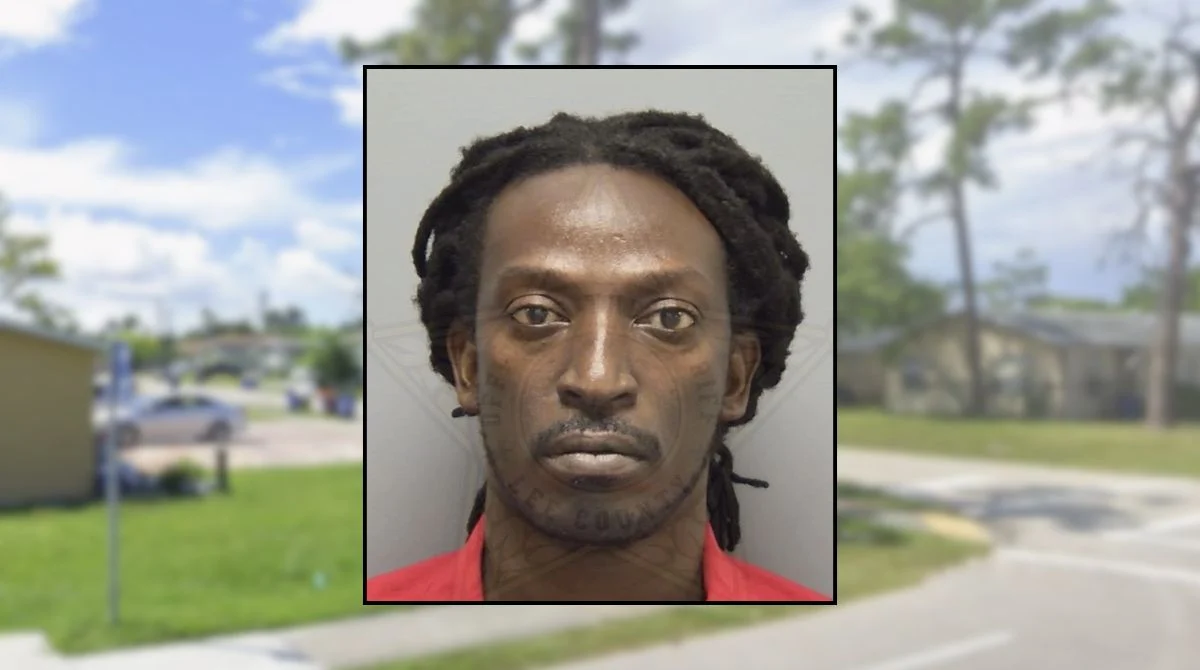
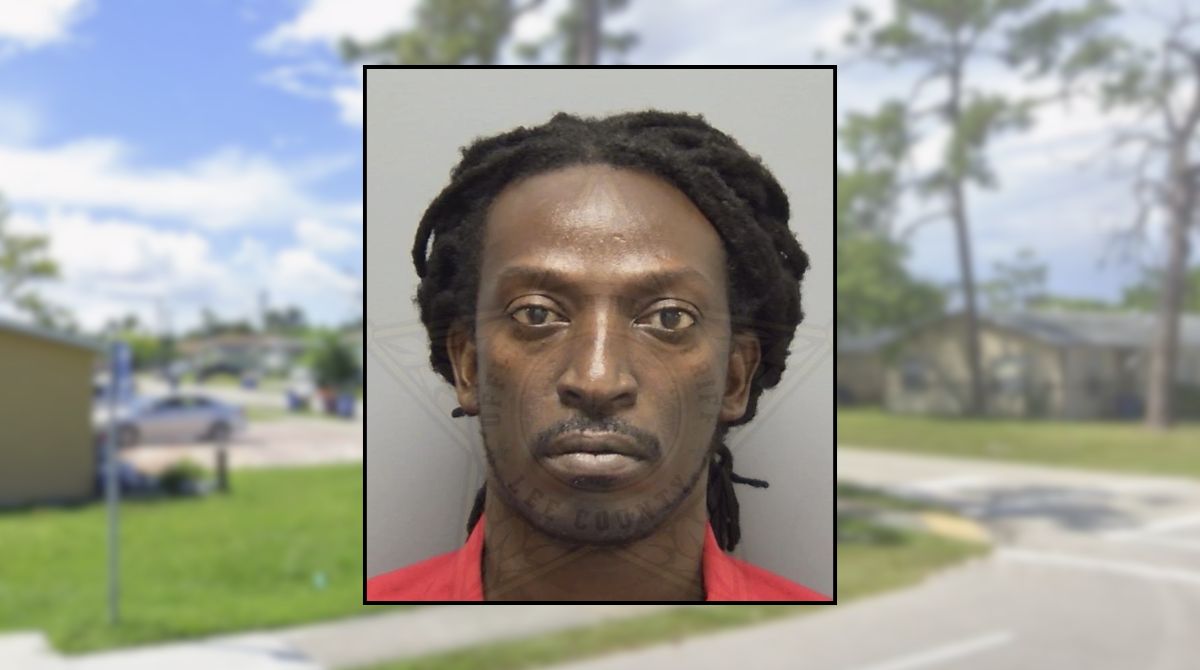
In a case that underscores the increasingly complex intersection of violent crime and digital media, Gedeonson Hyacinthe, a 42-year-old resident of Florida, has been apprehended by authorities in Lee County following allegations that he livestreamed the scene and discussed the fatal shooting of another man on Facebook Live. The Lee County Sheriff’s Office announced Hyacinthe’s arrest on Wednesday, charging him with second-degree murder and two counts of aggravated assault with a firearm, alongside two counts of drug possession. This high-profile arrest stems from an incident that occurred on April 14, 2025, in the Pine Manor community, where an unnamed victim succumbed to gunshot wounds.
Arrest and Charges Unveiled
The arrest of Gedeonson Hyacinthe by the Lee County Sheriff’s Office marks a critical development in a case that has drawn significant attention due to its digital dimension. Hyacinthe now faces serious charges, including second-degree murder, which in Florida carries a potential sentence of life imprisonment. The two counts of aggravated assault with a firearm indicate additional threats or acts of violence directed at other individuals present during the altercation. Furthermore, the discovery of illicit substances led to two counts of drug possession, adding to the gravity of his legal predicament. Hyacinthe is currently being held without bond at the Lee County Jail, awaiting his next court appearance scheduled for August 17. The precise nature of the drugs found has not been publicly disclosed, but their presence suggests a broader investigation into Hyacinthe’s activities. The swift action by the Fugitive Warrants Unit in locating and apprehending Hyacinthe without incident highlights the dedication of law enforcement to ensuring justice and maintaining public safety in the face of violent crime.
A Digital Confession: The Livestream Incident
Central to the allegations against Hyacinthe is the claim that he engaged in a Facebook Live broadcast shortly after the shooting. According to law enforcement reports, Hyacinthe allegedly used his mobile phone to livestream from the roadway, explicitly discussing the events that led to the shooting with his online audience. More disturbingly, he reportedly turned his camera to capture the active crime scene, potentially displaying the victim or other sensitive details to a wide, unfiltered audience. This alleged act of digital self-incrimination has profound implications for the case, providing potential direct evidence that could be pivotal in legal proceedings. The phenomenon of individuals broadcasting criminal acts or their immediate aftermath on social media platforms is a growing concern for law enforcement agencies nationwide, posing unique challenges in evidence collection, victim privacy, and the psychological impact on viewers. The raw, unfiltered nature of livestreams can offer prosecutors compelling evidence, but also raises ethical questions about the dissemination of graphic content.
Chronology of a Violent Encounter
The tragic events unfolded on April 14, 2025, in the Pine Manor community of Lee County. Police reports indicate that the incident began as a verbal altercation between Gedeonson Hyacinthe and the unnamed victim at an intersection within the neighborhood. What started as a dispute quickly escalated into a physical confrontation, with the two men reportedly "tussling." During this physical struggle, the victim sustained fatal gunshot wounds.
Upon receiving emergency calls, Lee County Sheriff’s deputies swiftly responded to the scene. There, they discovered Hyacinthe standing over the deceased man. In his initial statements to police, Hyacinthe acknowledged the verbal altercation and its escalation. He was detained at the scene and subsequently brought in for questioning by the Major Crimes Unit, which took over the investigation.
Following this initial questioning, Hyacinthe was not held in continuous custody. The specific reasons for his release or the lack of immediate detention were not explained by police at the time, leading to a period where he was not incarcerated despite the ongoing murder investigation. This gap in custody, while not explicitly detailed, suggests that further investigative work, warrant acquisition, or legal review was necessary before a formal arrest could be made.
The pursuit of justice continued, and a warrant was eventually issued for Hyacinthe’s arrest. This led to his re-apprehension on Wednesday by the Lee County Sheriff’s Office Fugitive Warrants Unit. The unit successfully located Hyacinthe, and he was taken into custody without incident, more than a year after the initial shooting. This timeline underscores the meticulous and often prolonged nature of criminal investigations, particularly when complex factors like digital evidence and initial witness statements are involved. The period between the incident and the re-arrest allowed investigators to consolidate evidence, consult with prosecutors, and ensure a robust case could be presented.
The Pine Manor Community: A Backdrop to Tragedy
The Pine Manor neighborhood, situated in Lee County, Florida, serves as the backdrop for this violent incident. Pine Manor is known to local authorities and community leaders as an area that has historically faced socio-economic challenges, including higher rates of poverty, unemployment, and crime compared to some other parts of Lee County. Such communities often grapple with issues related to gang activity, drug distribution, and domestic disputes, which can unfortunately escalate into violence. Efforts by local government and non-profit organizations have long focused on community revitalization, crime prevention programs, and providing resources to residents. However, incidents like the one involving Gedeonson Hyacinthe highlight the persistent need for continued support and intervention. The alleged livestreaming of the crime’s aftermath within this community could further erode trust, heighten anxieties, and perpetuate negative stereotypes, creating additional hurdles for ongoing community development initiatives. Understanding the socio-economic context is crucial for a comprehensive view of how such incidents ripple through a community, affecting residents’ sense of safety and well-being.
Social Media’s Troubling Role in Crime Documentation
The alleged use of Facebook Live by Gedeonson Hyacinthe to broadcast the scene of a fatal shooting is not an isolated incident but rather a chilling example of a growing trend. In recent years, social media platforms have increasingly become unintentional stages for criminal acts, ranging from assaults and robberies to homicides. The allure of instant notoriety, the desire to document one’s actions, or even a misguided attempt to justify behavior to an online audience, drives some individuals to livestream or post videos of their crimes.
This phenomenon presents a dual-edged sword for law enforcement. On one hand, such digital evidence can be invaluable for investigators and prosecutors. Livestreamed content often provides undeniable proof of an incident, including the perpetrator’s identity, actions, and even confessions. It can help establish timelines, identify witnesses, and corroborate other evidence. However, it also introduces significant challenges. The rapid dissemination of graphic content can traumatize viewers, including victims’ families, and complicate jury selection due to widespread pre-trial publicity. Furthermore, issues of authenticity, chain of custody for digital evidence, and the potential for manipulation must be carefully addressed in court.
Platforms like Facebook, Instagram, and TikTok have grappled with policies regarding the monitoring and removal of violent content. While these companies invest heavily in AI and human moderators, the sheer volume of live content makes real-time prevention of such broadcasts exceedingly difficult. The incident involving Hyacinthe underscores the urgent need for ongoing dialogue between social media companies, law enforcement, and policymakers to develop more effective strategies for preventing the exploitation of these platforms for criminal purposes and for managing the aftermath when such incidents occur. The digital footprint left by perpetrators is undeniably changing the landscape of criminal justice.
Law Enforcement’s Persistent Pursuit of Justice
The Lee County Sheriff’s Office has demonstrated unwavering commitment in pursuing justice in this complex case. Their initial response to the scene on April 14, 2025, involved securing the area, providing aid, and beginning the preliminary investigation. The Major Crimes Unit, a specialized division within the Sheriff’s Office, quickly assumed responsibility for the intricate details of the investigation, including forensic analysis, witness interviews, and the meticulous review of digital evidence, such as the alleged Facebook Live stream.
The period following Hyacinthe’s initial questioning and subsequent release highlights the methodical nature of police work. Investigators likely spent weeks or months gathering all available evidence, cross-referencing witness statements, analyzing ballistic reports, and forensically examining the digital content. This rigorous process is essential to build a strong, airtight case that can withstand legal challenges in court. The decision to issue a warrant for Hyacinthe’s re-arrest would have been made only after prosecutors and investigators were confident they had sufficient probable cause and a solid evidentiary foundation.
The involvement of the Fugitive Warrants Unit in Hyacinthe’s re-arrest further illustrates the multi-faceted approach of modern law enforcement. This unit specializes in tracking and apprehending individuals who are wanted for crimes, ensuring that justice is not delayed by an accused person’s attempt to evade capture. The fact that the arrest was made without incident speaks to the professionalism and tactical proficiency of the officers involved, minimizing risk to both the suspect and the community. The Sheriff’s Office’s public announcement of the arrest serves not only to inform the community but also to reassure residents that violent crimes are taken seriously and perpetrators will be held accountable.
The Legal Framework: Charges and Due Process
Gedeonson Hyacinthe now faces a formidable legal battle. The charge of second-degree murder in Florida is defined as the killing of a human being with a depraved mind regardless of human life, but without premeditation. This distinction is critical in Florida law, separating it from first-degree murder (which requires premeditation) and manslaughter (which involves a killing without malice or depraved mind, often in the heat of passion or through culpable negligence). Conviction for second-degree murder carries a significant prison sentence, potentially up to life, depending on the specifics of the case and the defendant’s criminal history.
The two counts of aggravated assault with a firearm signify that Hyacinthe allegedly threatened another person or persons with a deadly weapon, creating a well-founded fear of imminent violence. This charge, when involving a firearm, also carries severe penalties due to the inherent danger posed by such weapons. The additional drug possession charges, while separate, could influence sentencing if Hyacinthe is convicted on the more serious murder and assault counts.
As Hyacinthe moves through the judicial system, he is afforded the full protections of due process under both state and federal law. This includes the right to legal counsel, the presumption of innocence until proven guilty beyond a reasonable doubt, the right to confront witnesses, and the right to a fair trial by an impartial jury. His court date on August 17 will likely involve an arraignment, where he will formally enter a plea. Defense attorneys will meticulously examine all evidence, including the alleged livestream, to build their case, potentially challenging the prosecution’s interpretation of events, the admissibility of evidence, or Hyacinthe’s intent. The legal process for a murder case is typically lengthy and complex, involving numerous hearings, discovery phases, and potentially a trial that could span weeks.
Broader Societal Implications and Digital Ethics
The Gedeonson Hyacinthe case, particularly its alleged livestreaming component, raises profound societal questions beyond the immediate criminal charges. It forces a re-evaluation of digital ethics and the responsibilities of individuals in the age of pervasive connectivity. The act of broadcasting a crime scene, whether for personal reasons, misguided validation, or a distorted sense of documentation, normalizes a voyeuristic culture around violence. This normalization can desensitize individuals, particularly younger audiences, to the gravity and real-world consequences of criminal acts.
For the Pine Manor community, the implications are particularly poignant. Beyond the immediate shock and grief, such incidents can foster a climate of fear and distrust, making community-building and crime prevention efforts more challenging. Residents may feel less safe, and the incident could deter positive investment or community engagement. It highlights the urgent need for mental health support, conflict resolution programs, and robust social services in areas facing socio-economic distress, as these underlying factors can contribute to cycles of violence.
Furthermore, this case adds to the ongoing global discussion about the role of technology companies in moderating content. The balance between freedom of speech and the prevention of harmful content remains a contentious issue. As technology evolves, so too must the legal and ethical frameworks governing its use, particularly when it intersects with public safety and criminal behavior. The ability to instantly broadcast events to a global audience presents challenges that traditional media regulations were never designed to address, necessitating innovative solutions and collaborative efforts across sectors.
The Path Forward: Court Proceedings and Beyond
As Gedeonson Hyacinthe remains in custody without bond, the legal process will now unfold. His court date on August 17 will be a significant step, likely involving an initial hearing, formal charges being read, and the opportunity for him to enter a plea. Pre-trial motions, discovery of evidence, and potential plea negotiations will follow. The prosecution, led by the State Attorney’s Office, will be tasked with proving Hyacinthe’s guilt beyond a reasonable doubt, relying heavily on witness testimony, forensic evidence, and potentially the alleged livestreamed video. The defense will work to challenge the prosecution’s case, explore alternative narratives, and ensure Hyacinthe’s constitutional rights are protected throughout the proceedings.
The outcome of this trial will not only determine Hyacinthe’s fate but may also set precedents for how digital evidence, particularly livestreamed content, is handled in future criminal cases in Florida and beyond. The tragic death of the unnamed victim underscores the devastating impact of gun violence, while the alleged digital broadcast serves as a stark reminder of how rapidly technology is reshaping the landscape of crime, justice, and public discourse. The community of Pine Manor, Lee County, and the broader public will undoubtedly watch closely as this case progresses, seeking accountability and justice for the life lost, and grappling with the broader implications of crime in the digital age.

 Yuyun Lusiyani
 Joko Widodo
 Jia Lissa
 Pevita Pearce
 admin
admin
