
 Ana Megawati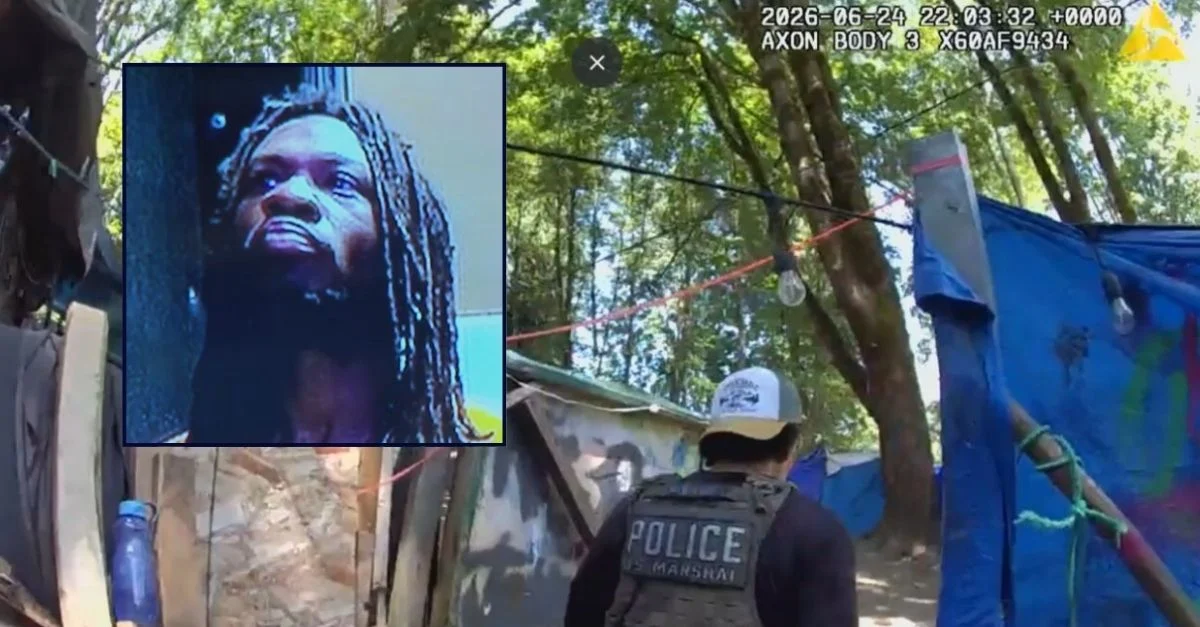
A disturbing act of extreme violence has cast a harsh light on the perilous conditions within Washington state’s unsheltered communities, as Joe Vaughn Johnson, a 38-year-old man, stands accused of inflicting life-altering injuries upon a woman with a "full-size" propane tank at a notorious homeless encampment in Olympia. The brutal assault, which prosecutors contend left the victim with a severe laceration, a "hole in her forehead," and a brain bleed, underscores the critical vulnerabilities faced by individuals experiencing homelessness and raises profound questions about public safety, recidivism, and the adequacy of support systems for the state’s most marginalized populations. Johnson, already on parole for a prior stabbing incident, now faces a litany of charges including first-degree assault, arson, obstruction, and resisting arrest, held on a staggering $1 million bond following a dramatic apprehension involving a SWAT team and an alleged attempt to set fires within a public housing facility.
A Violent Encounter in "The Jungle"
The incident unfolded on July 10, 2026, within "the Jungle," an informal encampment in Olympia, Washington, known for its transient population and often challenging living conditions. According to a probable cause statement obtained by The Olympian newspaper, the confrontation began when Joe Vaughn Johnson allegedly made repeated attempts to force his way into a housing structure where the female victim resided. The victim, whose identity has been withheld for her safety, reportedly tried to prevent Johnson from entering, leading to a volatile escalation.
In a horrifying turn, Johnson is accused of seizing a full-size propane tank—a common utility item in encampments for cooking or heating—and wielding it as a weapon. Witnesses recounted how Johnson allegedly swung the heavy cylinder at the woman multiple times, striking her in the head despite her desperate attempts to defend herself with pepper spray. The force of the blows was catastrophic, resulting in a "severe laceration" to her forehead, which local ABC affiliate KOMO later described as a "hole," leaving her visibly disfigured. The victim sustained not only this ghastly external wound but also critical internal injuries, including a brain bleed and a hematoma, requiring immediate and extensive medical intervention. After the brutal attack, witnesses reported seeing Johnson flee the scene on foot, leaving the gravely injured woman behind.
Victim’s Critical Injuries and Long-Term Implications
The severity of the victim’s injuries cannot be overstated. A brain bleed, or intracranial hemorrhage, is a medical emergency that occurs when blood leaks from a blood vessel within the skull. Depending on its location and size, it can exert pressure on brain tissue, leading to swelling, loss of function, and potentially permanent neurological damage or even death. A hematoma, a localized collection of blood outside blood vessels, further exacerbated the pressure and trauma to her head. The "hole in her forehead" and resulting disfigurement represent not only profound physical trauma but also significant psychological and social challenges that the victim will likely face for years to come. Such injuries often necessitate extensive reconstructive surgery, prolonged physical and cognitive therapy, and continuous medical monitoring. The immediate aftermath saw the victim rushed to a local hospital, where medical professionals worked to stabilize her condition and address the life-threatening brain bleed. The fact that an officer expressed amazement that the victim was "even walking around" underscores the sheer brutality of the assault and the inherent fragility of life in such vulnerable circumstances.
The Manhunt and Dramatic Apprehension
Following the assault, law enforcement initiated an immediate search for Joe Vaughn Johnson. Police successfully tracked him to a local public housing facility, where their attempts to apprehend him met with further resistance. Johnson allegedly barricaded himself inside his apartment, refusing to comply with officers’ commands to surrender. The situation quickly escalated into a tense standoff, prompting the deployment of the Thurston County SWAT team. SWAT teams, specialized tactical units, are typically called in for high-risk situations involving armed suspects, hostage scenarios, or barricaded individuals who pose a significant threat to public safety or law enforcement personnel. Their involvement signaled the perceived danger Johnson presented and the necessity for a coordinated, tactical response to ensure the safety of residents in the public housing facility and the officers involved.
During the standoff, Johnson reportedly intensified the dangerous situation by allegedly setting fires inside the building. This act of arson not only compounded the charges against him but also placed additional lives and property at risk, necessitating a more aggressive intervention by authorities. After attempts to negotiate a peaceful surrender failed, and with the imminent threat posed by the fires, officers employed less-lethal tactics, including "pepper-balling" the apartment. Pepper-ball projectiles contain an irritating chemical agent designed to incapacitate individuals without causing permanent injury. Ultimately, the SWAT team deployed a police dog, a standard procedure in such situations to subdue and apprehend a resisting suspect safely, before officers could move in to restrain Johnson. The dramatic apprehension brought an end to a tense hours-long ordeal, but the legal battle for Johnson had only just begun.
Legal Proceedings and Charges Against Johnson
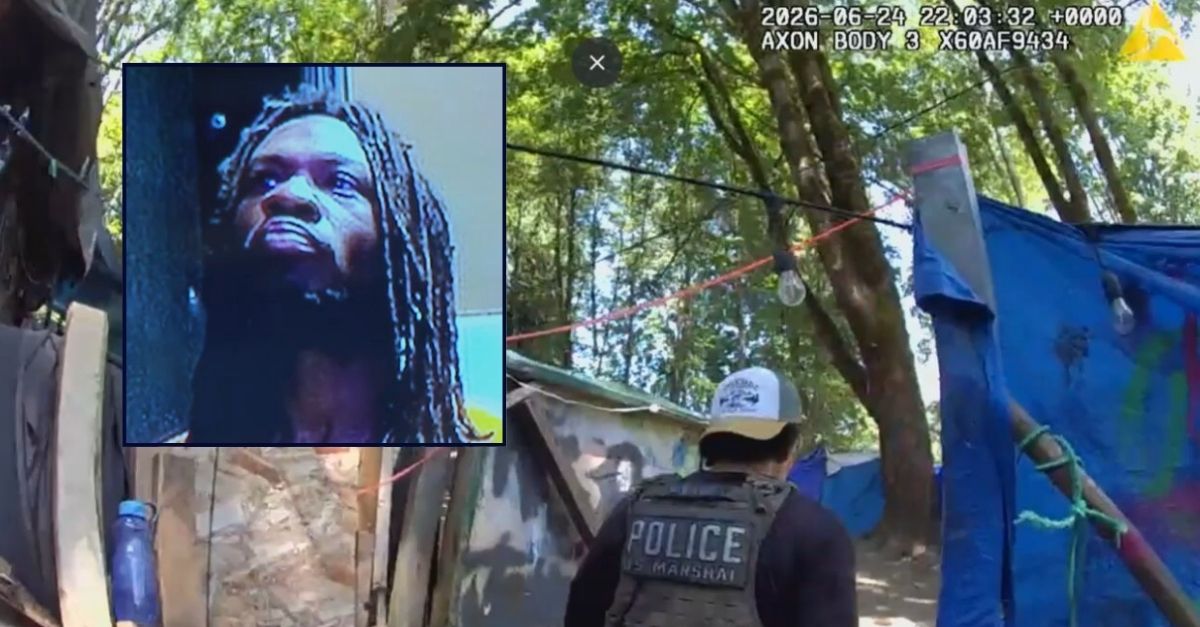
Joe Vaughn Johnson appeared in court for a preliminary hearing on the following Tuesday, where the full weight of the charges against him became apparent. Deputy Prosecuting Attorney Wayne Graham passionately argued before the court that Johnson represented an undeniable "danger to the community." Graham emphasized the extreme violence of the attack, stating, "This is an individual that violently attacked a person in one of our houseless camps, striking her with a full-size propane tank, causing injuries to the individual that the officer was amazed this person was even walking around."
The seriousness of Johnson’s alleged actions was reflected in the charges filed: first-degree assault for the brutal attack on the woman, arson for setting fires during the standoff, obstruction for barricading himself, and resisting arrest for his refusal to comply with law enforcement. Given the gravity of the offenses, particularly the violent assault and the additional charges stemming from his apprehension, the court ordered Johnson to be held on a substantial $1 million bond. Such a high bond amount is typically set when a defendant is deemed an extreme flight risk or a significant danger to the community, signaling the court’s concern for public safety. Johnson’s legal team will now prepare for what is expected to be a complex and highly scrutinized legal process.
The Accused: A History of Violence and Recidivism
A critical aspect of this case is Joe Vaughn Johnson’s existing criminal record. At the time of the assault, Johnson was on parole for a prior stabbing incident. Parole is a period of supervised release granted to prisoners before the completion of their sentence, often contingent on strict conditions and monitoring by a parole officer. The purpose of parole is to facilitate rehabilitation and reintegration into society while ensuring public safety. However, Johnson’s alleged actions while on parole highlight a failure in this system, raising serious questions about the effectiveness of current supervision protocols for violent offenders.
Recidivism, the tendency of a convicted criminal to reoffend, is a persistent challenge within the justice system. Data from various U.S. Department of Justice studies indicates that a significant percentage of individuals released from prison are rearrested within a few years, particularly for violent offenses. While specific rates vary by state and crime type, Johnson’s case serves as a stark example of the dangers posed when individuals with a history of violent behavior are not adequately monitored or do not successfully reintegrate. His alleged commission of another violent crime while on parole will undoubtedly influence judicial decisions regarding his bail, potential sentencing, and future risk assessments. Prosecutors will likely leverage this history to argue for harsher penalties and continued detention, emphasizing a pattern of violent behavior.
The Broader Context: Homelessness and Vulnerability in Olympia
The "Jungle" encampment where this heinous crime occurred is emblematic of a broader crisis of homelessness plaguing cities across Washington State, including Olympia. For years, Olympia has grappled with a growing unsheltered population, driven by factors such as rising housing costs, insufficient affordable housing, mental health challenges, substance abuse, and economic hardship. Informal encampments like "the Jungle" often emerge as a last resort for individuals with nowhere else to go, offering a semblance of community and shelter, albeit in inherently precarious and often dangerous environments.
These encampments are frequently characterized by a lack of basic sanitation, limited access to clean water, and an absence of formal security, making residents exceptionally vulnerable to crime, violence, and exploitation. The incident involving Johnson and the victim is a tragic illustration of these heightened risks. According to reports from the Washington State Department of Commerce, the number of individuals experiencing homelessness statewide has steadily increased over the past decade, with thousands living unsheltered. Advocacy groups and local government agencies continually struggle to provide adequate resources, including safe shelters, transitional housing, and comprehensive support services. The attack in "the Jungle" not only highlights the immediate danger posed by individuals like Johnson but also underscores the systemic failures that leave vulnerable populations exposed to such extreme violence. It brings into sharp focus the need for holistic solutions that address not only the symptoms of homelessness but also its root causes, ensuring the safety and dignity of all residents, whether housed or unhoused.
Implications and Community Response
This violent incident carries significant implications for various stakeholders and the broader community.
- Safety in Encampments: For residents of "the Jungle" and other similar encampments, the attack will undoubtedly heighten fear and insecurity. It reinforces the urgent need for safer alternatives to unsheltered living and more robust outreach efforts that prioritize the well-being of those experiencing homelessness. Community leaders and advocates for the homeless are expected to express profound concern for the victim and use this incident to renew calls for increased funding for safe shelters, mental health services, and addiction treatment programs. They might argue that incidents like this are preventable if individuals have access to stable, secure housing and support.
- Public Safety and Law Enforcement: The incident placed a considerable strain on law enforcement resources, from the initial response to the SWAT team deployment. It underscores the complex challenges police face when responding to incidents within unsheltered communities, which often involve individuals with complex needs, including mental health issues and histories of trauma. Law enforcement officials will likely emphasize their commitment to public safety for all residents, regardless of housing status, and highlight the professionalism and swift action taken to apprehend a dangerous individual.
- The Justice System and Recidivism: Joe Vaughn Johnson’s status as a parolee at the time of the alleged assault will undoubtedly prompt scrutiny of parole supervision protocols and the effectiveness of rehabilitation programs. This case could reignite debates about the balance between reintegration efforts and public safety, particularly for violent offenders. The high bail set reflects the court’s immediate assessment of Johnson’s risk, and future proceedings will focus on accountability for his alleged actions and the protection of the community.
- Community Dialogue: The brutality of the attack and the location where it occurred will likely spark renewed community dialogue in Olympia and wider Washington state about the homelessness crisis. It serves as a stark reminder that the issue is not merely one of housing but also encompasses public health, mental health, and safety for all community members. Residents may express concerns about safety in and around encampments, while advocates will stress the importance of compassionate, comprehensive solutions rather than simply criminalizing homelessness.
The tragic events in "the Jungle" serve as a grim testament to the intersecting challenges of homelessness, violence, and the complexities of the justice system. As Joe Vaughn Johnson awaits further legal proceedings, the victim continues her arduous journey toward recovery, and the community grapples with the profound questions raised by this brutal act. The case will undoubtedly remain a focal point for discussions on how best to protect vulnerable populations, manage dangerous individuals, and ultimately foster a safer environment for everyone in Washington state.



 Yuyun Lusiyani
 Joko Widodo
 Jia Lissa
 Pevita Pearce
 admin
admin
