
 Eva Lovia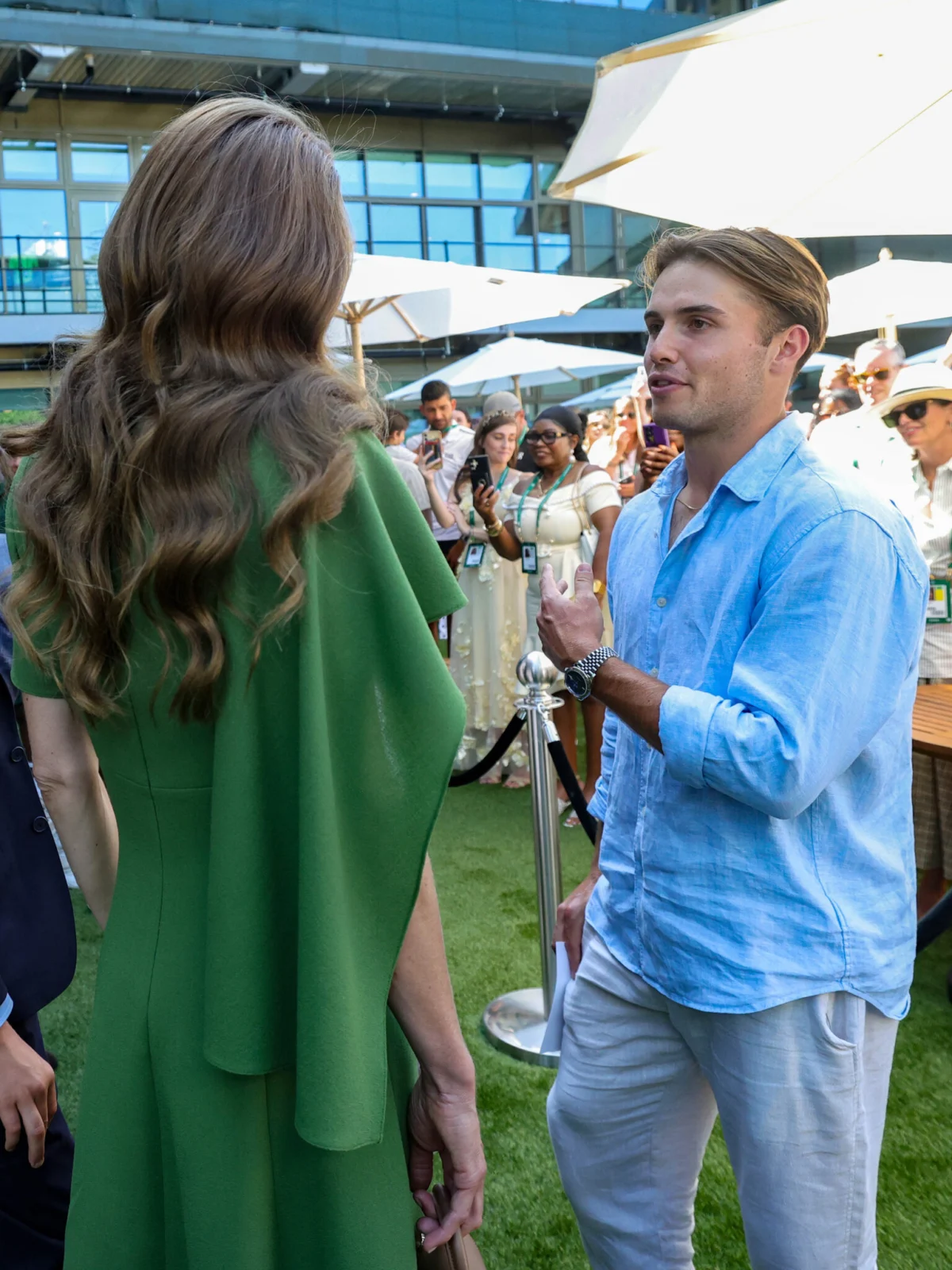
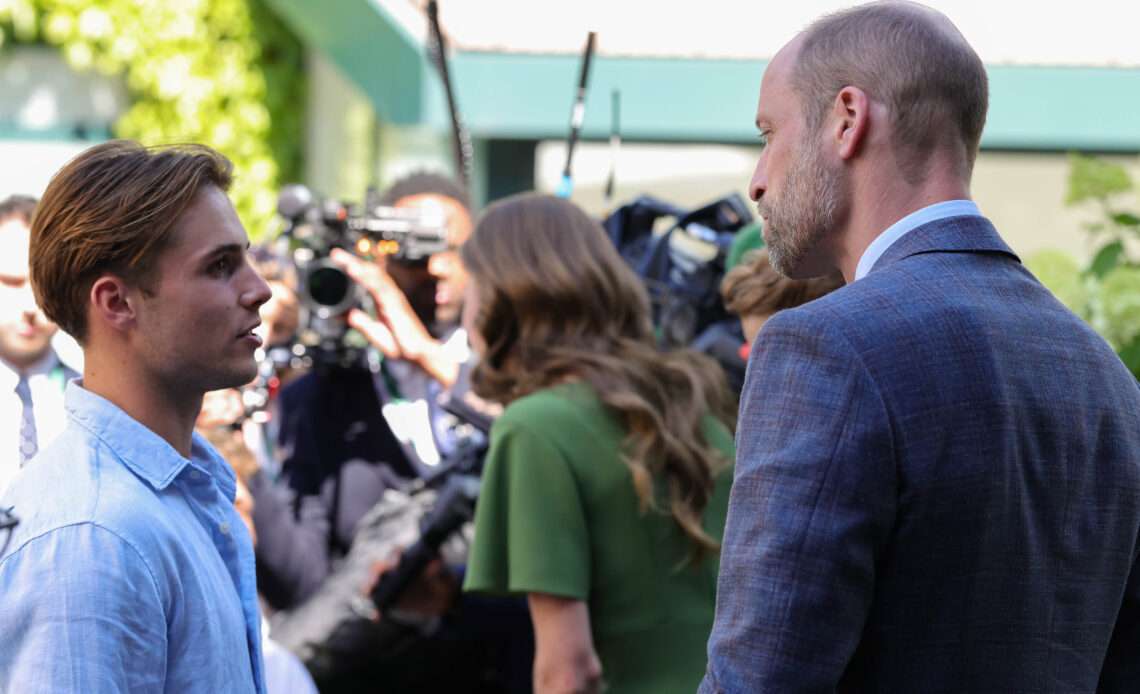
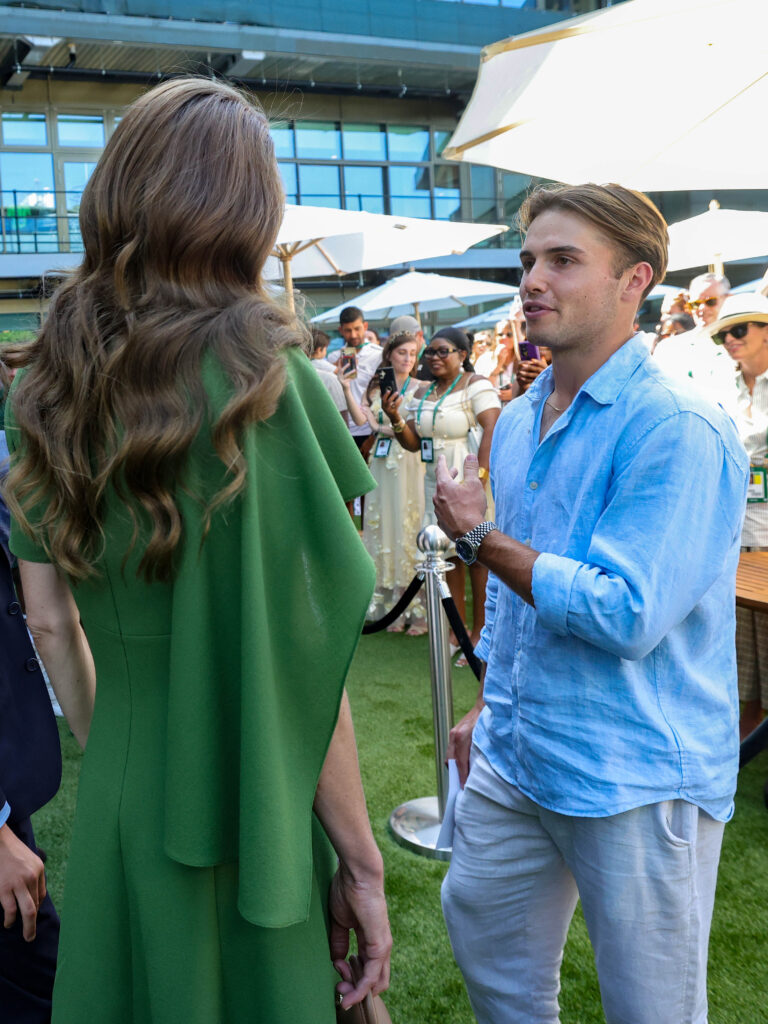
The hallowed grounds of Wimbledon 2026 witnessed a unique convergence of royal presence and sporting triumph as His Royal Highness, the Prince of Wales, made his debut at the prestigious tournament this year, engaging in a warm exchange with Arthur Fery, the British wildcard whose remarkable journey to the semi-finals captivated the nation. The heir to the throne’s visit underscored the significant public attention garnered by Fery’s unexpected ascent, marking him as a burgeoning star in the British sporting landscape.
Prince William’s arrival on the final day of the men’s singles tournament coincided with the anticipation surrounding the championship match. He was observed in conversation with Fery, sharing what appeared to be convivial banter, a moment that symbolised the bridging of royal patronage and emerging athletic talent. This interaction took place shortly before the men’s singles final, a highly anticipated showdown between the conqueror of Fery, Alexander Zverev, and the formidable defending champion, Jannik Sinner.
The Royal Family’s presence was a significant feature of the day, with the Princess of Wales, as patron of the All England Club, leading her family to the iconic venue. This marked a cherished annual tradition for the family, highlighting their enduring connection to the sport and the tournament. Accompanying the Prince and Princess were their children, Prince George, aged 12, and Princess Charlotte, aged 11, who were present to witness the culmination of the fortnight-long tennis spectacle. The atmosphere on Centre Court was described as typically vibrant, amplified by the warm summer temperatures that have become synonymous with the championships.
The Princess of Wales presented a striking figure, opting for an elegant olive green dress that featured a one-shouldered cape effect, lending an air of sophisticated flair to the occasion. Princess Charlotte was dressed in a cheerful bright blue ensemble, while both Prince George and his father, the Prince of Wales, were attired in classic suits and ties, befitting the formality of the occasion.
A Day of Royal Attendance and Sporting Focus
The presence of the younger royals provided a glimpse into their growing engagement with public and sporting events. Prince George, on the cusp of his 13th birthday, appeared to be managing his energy levels, with observations suggesting he might have been feeling the effects of late-night viewing, potentially of the ongoing World Cup. This was corroborated by Prince William’s own social media activity, where he had publicly congratulated the England team following their 2-1 victory over Norway, securing their place in the World Cup semi-finals. This dual focus on national sporting achievements – both on the tennis courts and the football pitch – underscored a broader national sporting zeitgeist.
The Princess of Wales, whose support for Fery extended beyond the final day, had previously been seen cheering him on during his earlier matches on the outside courts. Her engagement with the young British player demonstrated a keen interest in his progress and a desire to champion emerging national talent. This personal endorsement from a prominent royal figure offers considerable encouragement to athletes, amplifying their achievements and inspiring future generations.
Beyond the central figures of the tournament, the Princess of Wales, accompanied by Prince George and Princess Charlotte, also took time to interact with the ballboys and ballgirls. These individuals play an indispensable role in the smooth running of the Wimbledon Championships, a testament to the collaborative effort involved in hosting such a globally recognised event. Their dedicated service supports the hundreds of thousands of tennis fans who attend the tournament annually. This interaction highlighted the inclusivity and community spirit that Wimbledon fosters.
Extended Royal Presence and Wimbledon Traditions
The Royal Box, a coveted vantage point for viewing the championships, hosted a broader contingent of the House of Windsor. Notably, Prince Michael of Kent made a rare public appearance, accompanied by his children, Lady Gabriella Kingston and Lord Frederick Windsor, along with Lord Frederick’s wife, Sophie Winkleman. This gathering of extended family members underscored the deep-seated connection the Royal Family maintains with Wimbledon, a tradition stretching back decades.
The ceremonial aspect of the Wimbledon finals includes the presentation of trophies, a role that traditionally falls to the Princess of Wales. This duty, performed at the conclusion of both the men’s and women’s singles finals, signifies a pinnacle moment of the championships and further solidifies the Princess’s prominent association with the tournament.
Arthur Fery’s Unprecedented Wimbledon Run
Arthur Fery’s journey to the semi-finals of Wimbledon 2026 was a narrative that resonated deeply with the British public. As a wildcard entrant, his progression through the competitive men’s singles draw was an exceptional feat. Historically, wildcard entries face significant challenges against seeded players who benefit from direct entry based on world rankings. Fery’s success therefore represented a remarkable upset and a testament to his skill, determination, and perhaps a touch of serendipity.
His performances throughout the tournament were marked by tenacity and an ability to overcome higher-ranked opponents. Each victory built momentum, creating a palpable buzz around his matches. This ascent from an unheralded participant to a national sporting hero generated considerable media attention and public support, culminating in his widely discussed semi-final appearance.
Supporting Data and Context of Wimbledon 2026
The Wimbledon Championships, one of the four Grand Slam tennis tournaments, is an event steeped in history and tradition, dating back to 1877. Held annually over two weeks in late June and early July, it is the only Grand Slam played on grass. The 2026 edition continued this legacy, attracting top players from around the globe and an estimated audience of over half a million spectators over the fortnight.
The financial impact of the Wimbledon Championships is substantial, contributing significantly to the local economy of Merton and generating substantial revenue for the Lawn Tennis Association. Sponsorship deals, broadcasting rights, and ticket sales are all key components of its economic footprint. Furthermore, the tournament serves as a vital platform for promoting tennis at grassroots levels, inspiring participation through the visibility of elite athletes.
Analysis and Implications
Arthur Fery’s performance at Wimbledon 2026 holds significant implications for British tennis. His unexpected success not only elevates his personal profile but also provides a much-needed boost to national interest in the sport. For aspiring young players, his story serves as a powerful example of what can be achieved through dedication and opportunity, potentially leading to increased participation rates in tennis clubs and academies across the country.
The Prince of Wales’s personal engagement with Fery highlights the role of royal patronage in supporting British sports. Such endorsements can attract further investment, media coverage, and public enthusiasm, creating a virtuous cycle of support for athletes and sporting initiatives. This interaction also reinforces the image of the Royal Family as engaged and supportive of national achievements, fostering a sense of unity and pride.
The Princess of Wales’s role as patron of the All England Club further solidifies the connection between the monarchy and the sport. Her continued presence and active involvement underscore the long-term commitment to the Wimbledon Championships and the broader development of tennis in the United Kingdom. Her presentation of the trophies is a symbolic act, marking the culmination of the tournament and celebrating the champions, thereby perpetuating a tradition of royal association with sporting excellence.
The presence of the younger royals, Prince George and Princess Charlotte, at such a high-profile event is also noteworthy. It signals their gradual introduction to public duties and their exposure to significant national events, preparing them for future roles. Their engagement, even in a seemingly minor capacity, contributes to the public’s perception of the Royal Family as an integral part of the nation’s cultural and sporting fabric.
The backdrop of the World Cup, with England progressing to the semi-finals, created a unique sporting atmosphere in the UK during this period. Prince William’s acknowledgement of this success, juxtaposed with his presence at Wimbledon, suggests a broader celebration of national sporting endeavour. This confluence of major sporting events can lead to a heightened sense of national identity and collective enthusiasm.
Official Responses and Broader Impact
While direct official statements from the players beyond the immediate post-match interviews are not detailed in the provided information, the engagement from Kensington Palace and the presence of senior royals speak volumes. The official photographs released by Kensington Palace serve as a formal record of these significant interactions, intended for public dissemination and to underscore the Royal Family’s connection to national events.
The broader impact of such high-profile royal attendance at sporting events extends beyond mere ceremonial support. It contributes to the prestige and global appeal of the events themselves. For Wimbledon, the presence of the Prince and Princess of Wales, along with their children, reinforces its status as a premier global sporting occasion, attracting international attention and media coverage.
The narrative of Arthur Fery’s rise serves as a compelling human interest story that transcends the sport itself. It speaks to themes of perseverance, opportunity, and the potential for unexpected success, resonating with a wide audience. The royal endorsement of this narrative further amplifies its reach and impact, contributing to a positive national discourse around sporting achievement and aspiration.
In conclusion, the Prince of Wales’s visit to Wimbledon 2026, his interaction with the sensational Arthur Fery, and the presence of the wider Royal Family painted a picture of a nation united in its appreciation for sporting excellence and enduring royal tradition. Fery’s remarkable run, coupled with the visible support from the highest echelons of the monarchy, has undoubtedly etched this year’s championships into the annals of British sporting history, inspiring a new generation and reinforcing the cultural significance of both tennis and the Royal Family in the United Kingdom.

 Jia Lissa
 Yuyun Lusiyani
 Joko Widodo

 Pevita Pearce