
 Ana Megawati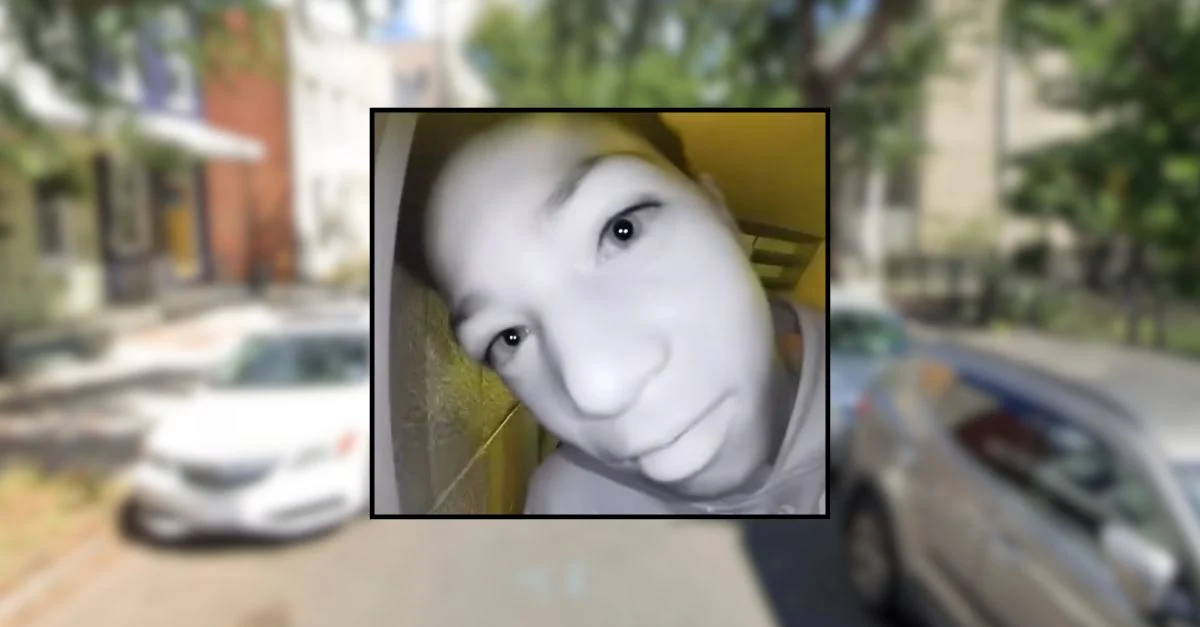
The Fatal Evening: A Detailed Chronology
The sequence of events leading to Ahmad Mims’ untimely death began to unfold on Saturday evening, though the exact time of the initial interaction remains under investigation. According to accounts from Ahmad’s grandmother, Monica Mims, and corroborated by Ring camera footage, two individuals, described as "apparently young males," arrived at the family’s apartment door on Rosedale Street. They reportedly knocked, specifically asking for Ahmad to come outside. This request, seemingly innocuous at the moment, would prove to be the prelude to a horrific crime.
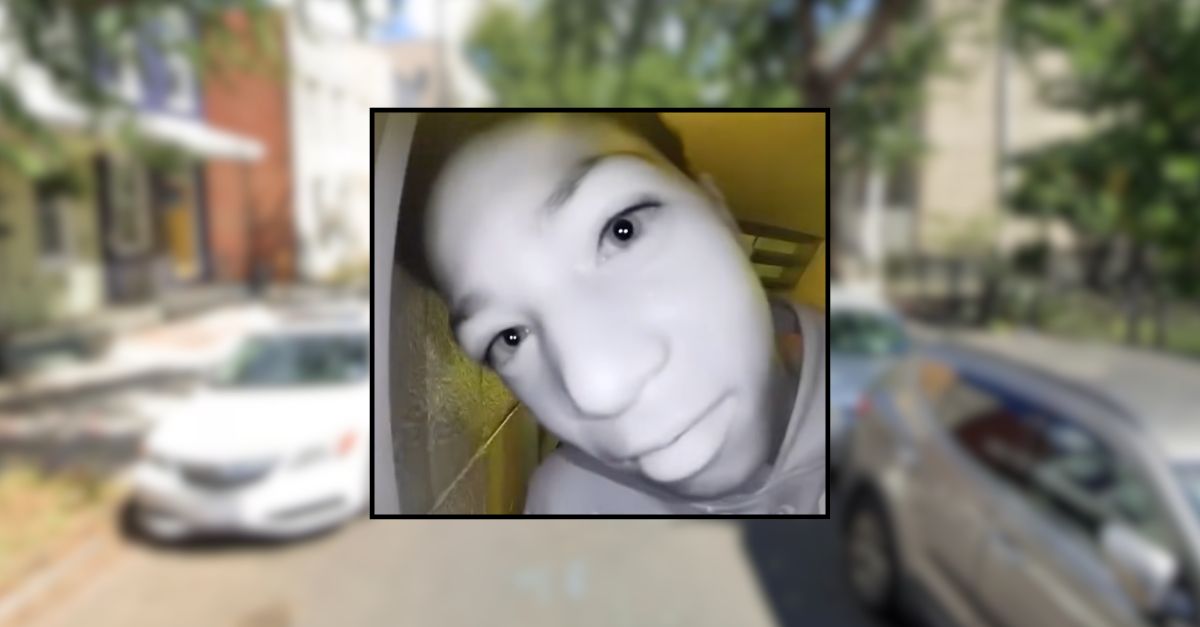
Ring camera footage from the apartment’s exterior captured Ahmad’s interaction. He is seen exiting his home, observing the two individuals in the hallway, briefly closing the door, and then peering through the camera, an action that tragically served as his final recorded image before leaving the safety of his home. This footage is now a critical piece of evidence in the Metropolitan Police Department’s ongoing investigation, providing investigators with a glimpse into the moments preceding the shooting.
Sometime after leaving his apartment, Ahmad is believed to have been shot inside a building on the same block. The precise location within the building and the immediate circumstances of the shooting are still under active investigation by MPD detectives. However, the brutality of the aftermath has deeply shocked both the family and the wider community. According to court records obtained by local NBC affiliate WRC, a witness recounted seeing Ahmad’s body "laying on the front stairwell" of a building, positioned with his "feet facing the front door and his head on the stairs." This same witness further described seeing a "Black male, wearing all black clothing and with a muscular build," actively dragging Ahmad’s body to the sidewalk.
The Metropolitan Police Department received a report of a "person shot" at approximately 8:30 p.m. Officers swiftly responded to the 1600 block of Rosedale Street. Upon arrival, they discovered Ahmad Mims "unconscious and not breathing, suffering from an apparent gunshot wound to the chest." Despite immediate medical attention, the severity of his injuries proved fatal, and he was pronounced dead minutes later at the scene. The chilling detail of his body being dragged from the building to the sidewalk has amplified the family’s anguish, transforming a private tragedy into a public symbol of profound inhumanity.
A Family’s Anguish and a Community’s Outcry
Monica Mims, Ahmad’s grandmother, has voiced her profound grief and outrage following her grandson’s death. Her emotional testimony to WRC highlighted the unimaginable pain of losing a child in such a brutal manner. When asked if the moment Ahmad stepped out of the apartment was the last time anyone saw him, her affirmative response was punctuated by tears, conveying the depth of her sorrow. The image of her grandson, a mere 13-year-old, being dragged "like a bag of trash" after being shot, has particularly haunted her. "To, like, drag him out like a bag of trash, that just hurts me even more," Mims tearfully shared. "Like, a little boy that can think like that, to even drag someone outside after you shoot ’em." Her words resonate with the shock and disbelief permeating the community, underscoring the call for swift justice and accountability for those responsible.
The tragic loss of Ahmad has sent ripples of sorrow and concern throughout the Rosedale Street neighborhood and broader Washington D.C. The death of a child, especially one so young and under such violent circumstances, inevitably sparks introspection and renewed calls for community safety and intervention strategies. Neighbors, community leaders, and local residents have expressed a mixture of grief, anger, and a desperate plea for an end to the cycle of violence that too often claims young lives in the nation’s capital. The incident serves as a painful reminder of the vulnerability of youth in certain urban environments and the urgent need for comprehensive solutions that address the root causes of violence.
The Search for Justice: Investigation Details and Potential Motives
The Metropolitan Police Department’s Homicide Branch has launched an intensive investigation into Ahmad Mims’ death. While specific details of the ongoing probe remain confidential to protect its integrity, detectives are meticulously piecing together evidence from the crime scene, analyzing the Ring camera footage, and interviewing witnesses. The age and identity of the suspect or suspects involved remain officially unconfirmed by MPD.
However, witness accounts, particularly those cited in court records obtained by WRC, have introduced a significant potential motive into the investigation. Several witnesses have reportedly told authorities they believe Ahmad was killed in retaliation for hitting the suspected shooter’s sister. This theory suggests a tragic escalation of what may have initially been a school-related or peer-group conflict. Ahmad’s grandmother also reportedly mentioned that her grandson had been involved in a recent fight at school, though police have not yet publicly confirmed any direct connection between that incident and his death.
The potential link between school disputes and fatal violence highlights a concerning trend in some communities, where conflicts that once might have been resolved through non-violent means now carry the risk of deadly escalation, often involving firearms. Investigators will be examining whether this alleged school incident or any other interpersonal conflict played a role in the events leading to Ahmad’s death. The MPD’s appeal for public assistance is critical in such cases, as community members often hold vital pieces of information that can lead to arrests and convictions.
Broader Context: Youth Violence in Washington D.C.
Ahmad Mims’ death, while a unique tragedy, is unfortunately not an isolated incident in the ongoing struggle against youth violence in Washington D.C. The city, like many major urban centers, has grappled with persistent challenges related to gun violence, particularly affecting its younger population. Data from the Metropolitan Police Department and other local agencies consistently points to a concerning trend in juvenile involvement, both as victims and sometimes as perpetrators, in violent crimes.
In recent years, D.C. has seen fluctuations in its homicide rates, often disproportionately impacting Black residents and young individuals. Factors contributing to this complex issue include socioeconomic disparities, limited access to educational and employment opportunities, historical trauma, and the pervasive availability of firearms. The presence of firearms, whether legally or illegally obtained, in the hands of minors or individuals involved in disputes, significantly elevates the risk of fatal outcomes from otherwise resolvable conflicts.
The phenomenon of "luring" victims, as appears to have happened in Ahmad’s case, is a particularly insidious aspect of street violence, preying on trust and familiarity within communities. It underscores the need for greater awareness among youth about personal safety and the potential dangers of seemingly innocuous requests from peers or acquaintances. Community programs focused on conflict resolution, mentorship, and providing safe spaces for youth are often cited as crucial interventions in breaking cycles of violence.
The emotional and psychological toll of such incidents extends far beyond the immediate families. Witnessing violence, experiencing the loss of peers, and living in environments where such tragedies can occur, can have profound and lasting impacts on the mental health and development of young people. Schools, community centers, and local government agencies often struggle to provide adequate resources to address these widespread trauma responses.
Official Response and Call to Action
The Metropolitan Police Department remains steadfast in its commitment to bringing those responsible for Ahmad Mims’ murder to justice. In their official statements, MPD officials have urged anyone with information related to the incident to come forward. The department has emphasized that even seemingly minor details could be crucial to the investigation.
"Anyone who has knowledge of this incident should take no action but call police at (202) 727-9099 or text your tip to the Department’s TEXT TIP LINE at 50411," MPD announced. To incentivize community cooperation, the department has also highlighted the availability of a substantial reward: "Anyone who gives information that leads to an arrest and conviction can be rewarded with up to $25,000." This significant reward underscores the seriousness with which MPD is treating this case and their reliance on public partnership in solving violent crimes.
Beyond the immediate investigation, Ahmad’s death serves as a somber call to action for broader societal engagement. Local government officials, including the Mayor’s office and members of the D.C. Council, are frequently challenged to address the systemic issues contributing to youth violence. This includes bolstering anti-violence initiatives, expanding youth programs, improving educational outcomes, and enhancing community-police relations. The tragedy of Ahmad Mims’ life being cut short is a stark reminder of the collective responsibility to create safer, more nurturing environments for all children in the nation’s capital. As the investigation continues, the community holds onto hope that justice will be served, and that Ahmad’s memory will inspire lasting change to prevent future such heartbreaks.

 Yuyun Lusiyani
 Joko Widodo
 Jia Lissa
 Pevita Pearce
 admin
admin
