
 Ana Megawati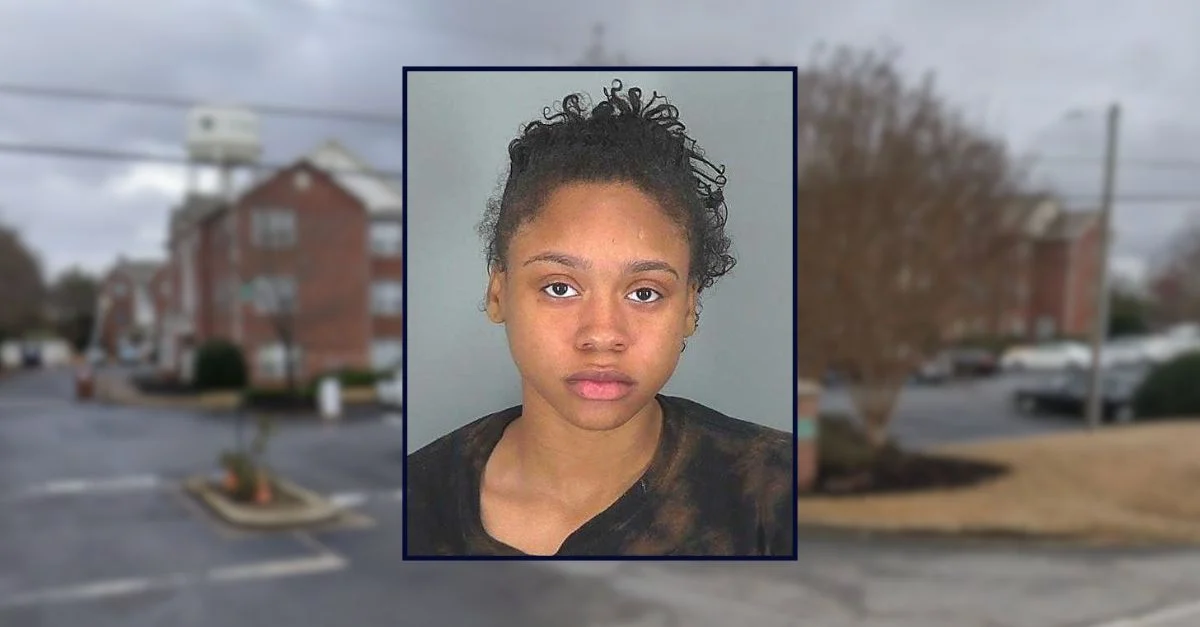
Spartanburg, S.C. – A Spartanburg County jury has delivered a verdict that will see Zaria Aiyanna Owens, 25, spend more than two decades incarcerated following her conviction for voluntary manslaughter and possession of a weapon during the commission of a violent crime. The tragic incident, which occurred in August 2023, resulted in the death of 21-year-old Tyquirez Rashad Sims, and unfolded in front of Owens’ own 3-year-old son, casting a long shadow over two families and highlighting the devastating impact of domestic violence.
The courtroom proceedings, which concluded on Thursday, May 22, 2026, culminated in a guilty verdict for Owens on both charges. The judge subsequently handed down a sentence of 21 years for voluntary manslaughter, a significant term reflecting the gravity of the crime. Additionally, Owens received a five-year sentence for the weapon possession charge, which was ordered to run concurrently with the manslaughter sentence, meaning she will serve both terms simultaneously. The case, meticulously prosecuted by the Spartanburg County Solicitor’s Office, drew considerable attention, not only due to the violent nature of the crime but also because of the deeply disturbing circumstances surrounding the shooting.
Chronology of a Fatal Confrontation
The fatal encounter unfolded on the evening of August 11, 2023, just before 9 p.m., outside an apartment complex located on College Pointe Lane in Spartanburg, a city positioned approximately 30 miles northeast of Greenville. What began as a heated verbal dispute between Owens and Sims, who had been living together, quickly escalated into a deadly confrontation. According to testimony presented during the trial, a friend of the couple informed investigators that Sims had been in the process of asking Owens to move out of their shared residence, a point of contention that likely fueled the argument.
As the argument intensified, a critical turning point occurred: Sims reportedly realized that Owens had taken both his firearm and his cell phone. This discovery prompted Sims to follow Owens to her car, presumably to retrieve his belongings and de-escalate the situation. However, instead of resolving the dispute, the confrontation outside the apartment complex spiraled irrevocably out of control.
Prosecutors detailed a chilling sequence of events to the jury. Owens, now in possession of Sims’s gun, reportedly pointed the weapon at him. In an attempt to diffuse the situation or perhaps to compel Owens to leave, Sims then retreated inside the apartment, retrieved Owens’ 3-year-old son, and brought the boy back out to the mother’s car. The state argued that Sims’ intention was to have Owens take her son and depart, thereby ending the volatile argument.
However, the situation only worsened. A witness testified that Owens raised her arm toward Sims, at which point the firearm discharged. Sims was struck by a single bullet. In the immediate aftermath, Owens quickly gathered her son and fled the scene in her vehicle. First responders, arriving shortly thereafter, discovered Tyquirez Rashad Sims dead at the location. He had sustained a single gunshot wound to the head. Forensic evidence presented by the prosecution indicated that the weapon was fired while Sims was on the curb, several feet away from Owens, challenging any claims of immediate proximity or struggle. Authorities also confirmed that Owens’ child, who had been present during the shooting and had reportedly stumbled earlier, was physically unharmed.
The Investigation and Legal Proceedings
Following the shooting, law enforcement initiated an immediate search for Owens and her vehicle. The car was located at a different apartment complex later that night. The next morning, Zaria Owens voluntarily surrendered to the police, initiating the custodial interview process that would prove pivotal in her case.
During her initial interview, Owens reportedly attempted to claim self-defense, a common legal strategy in cases involving violent altercations. However, her narrative reportedly shifted under questioning. Owens eventually presented a revised account, stating that she was reaching for her son when she observed Sims push the child toward her, causing the toddler to stumble. It was at this point, she admitted, that she picked up the gun and shot Sims. This evolving story, particularly the detail about the child’s alleged stumble and the distance at which Sims was shot, likely played a crucial role in undermining her self-defense claim and strengthening the prosecution’s case for voluntary manslaughter rather than justifiable homicide.
The legal journey from arrest to conviction spanned several months, encompassing thorough investigations by the Spartanburg County Sheriff’s Office, forensic analysis, witness interviews, and extensive preparation by the Solicitor’s Office. The trial itself involved the meticulous presentation of evidence, including witness testimonies, crime scene photographs, forensic reports, and Owens’ own statements to the police. The defense, while not fully revealed in public records, likely sought to argue for a lesser charge or self-defense, emphasizing the chaotic and emotionally charged nature of the confrontation.
However, the jury, after careful deliberation, found Owens guilty of voluntary manslaughter. This verdict indicates that the jury believed Owens killed Sims intentionally but did so in the heat of passion, without malice aforethought or premeditation. Voluntary manslaughter typically applies when an individual is provoked to such an extent that a reasonable person might lose self-control and kill, or when there is an intent to kill but no premeditation. The concurrent sentence for possession of a weapon during a violent crime underscores the inherent danger introduced by the presence of a firearm in a domestic dispute.
Victim Profile and Profound Impact

Tyquirez Rashad Sims, at just 21 years old, had his life tragically cut short. Deputy Solicitor Spenser Smith, who prosecuted the case, highlighted the profound personal loss suffered by Sims’ family. "Tyquirez had a loving family and had become a father several months before his death," Smith stated, emphasizing the victim’s young age and recent entry into parenthood. Sims had recently welcomed a 6-month-old child into the world, meaning his infant son will now grow up without his father. The close-knit nature of the Sims family was also noted, underscoring the deep void left by his sudden and violent death.
The ripple effects of this tragedy extend beyond Sims’ immediate family. Deputy Solicitor Smith aptly summarized the broader implications: "This is a tragic case of domestic violence that has impacted two families and two young children." Owens’ own 3-year-old son, who witnessed the shooting, will now grow up with the traumatic memory of the event and the stark reality of his mother’s lengthy incarceration. This dual impact on both children—one orphaned, the other separated from his mother due to her actions—serves as a stark reminder of the far-reaching consequences of domestic violence.
Broader Context: Domestic Violence and Firearm-Related Fatalities
The Zaria Owens case serves as a grim illustration of the intersection of domestic violence and gun violence, a pervasive issue with devastating societal costs. According to national statistics, firearms are frequently used in domestic disputes, often escalating arguments to fatal levels. Data from organizations dedicated to preventing gun violence and domestic abuse consistently show that the presence of a firearm in a domestic violence situation significantly increases the risk of homicide for women. While the victim in this case was a man, the underlying dynamics of an argument between intimate partners spiraling out of control due to a weapon remain tragically consistent.
In South Carolina, like many states, domestic violence remains a critical public safety concern. The state has historically grappled with high rates of domestic violence fatalities. While legislative efforts and community programs aim to address this issue, cases like Owens’ highlight the persistent challenges in preventing such tragedies. The fact that the weapon used belonged to the victim, and was allegedly taken and then used against him, adds another layer of complexity to the narrative, underscoring the unpredictable and often desperate nature of violent domestic disputes.
The psychological toll on children who witness domestic violence is also well-documented. Exposure to such trauma can lead to a range of developmental, emotional, and behavioral issues, including anxiety, depression, aggression, and difficulties in forming healthy relationships later in life. Owens’ son, having been present during the shooting, will undoubtedly require extensive support and intervention to cope with the trauma he experienced.
Legal Implications and Community Response
The voluntary manslaughter conviction in this case reflects a judicial acknowledgment of the intensity and heat of the moment during the shooting, distinguishing it from premeditated murder. However, the 21-year sentence sends a clear message about accountability for actions taken even in moments of extreme emotional duress, especially when a firearm is involved and results in a loss of life. It underscores the legal system’s responsibility to protect victims and deter future acts of violence.
While direct community statements are often reserved for more public figures or larger-scale tragedies, cases like this typically evoke a sense of profound sadness, shock, and a renewed call for vigilance against domestic violence. Local law enforcement, community leaders, and domestic violence advocacy groups often use such incidents to raise awareness about warning signs, available resources, and the importance of intervention. The Spartanburg community, like many across the nation, grapples with the need for effective strategies to prevent domestic disputes from escalating to lethal outcomes.
Prevention efforts often focus on several key areas: providing safe havens and support services for victims of domestic violence, implementing stricter enforcement of existing laws pertaining to domestic abuse and firearm possession, and promoting conflict resolution skills. Public education campaigns are also crucial to destigmatize seeking help and to inform individuals about the resources available, such as domestic violence hotlines and counseling services. The presence of children in these situations further emphasizes the critical need for early intervention and support for families struggling with domestic conflict.
A Lasting Legacy of Loss
The sentencing of Zaria Aiyanna Owens marks the legal conclusion of a devastating chapter for everyone involved. While justice has been served in the eyes of the law, the human cost of this tragedy will endure. Tyquirez Rashad Sims’ family will forever mourn the loss of a son, brother, and young father whose life was cut short. His 6-month-old child will grow up without the opportunity to know his father. Owens’ own son faces a future irrevocably altered by witnessing a violent act and the subsequent separation from his mother.
This case stands as a sobering reminder of the destructive power of unchecked anger, the peril of firearms in volatile domestic situations, and the profound, intergenerational trauma inflicted by violence. As Owens begins her lengthy prison sentence, the story of Tyquirez Rashad Sims and the two young children affected will continue to resonate, urging communities and individuals alike to confront the complex and urgent challenges of domestic violence with renewed determination and compassion. The scars left by that August night in Spartanburg will serve as a permanent testament to a life lost and futures irrevocably changed.


 Yuyun Lusiyani
 Joko Widodo
 Jia Lissa
 Pevita Pearce
 admin
admin
