
 admin
admin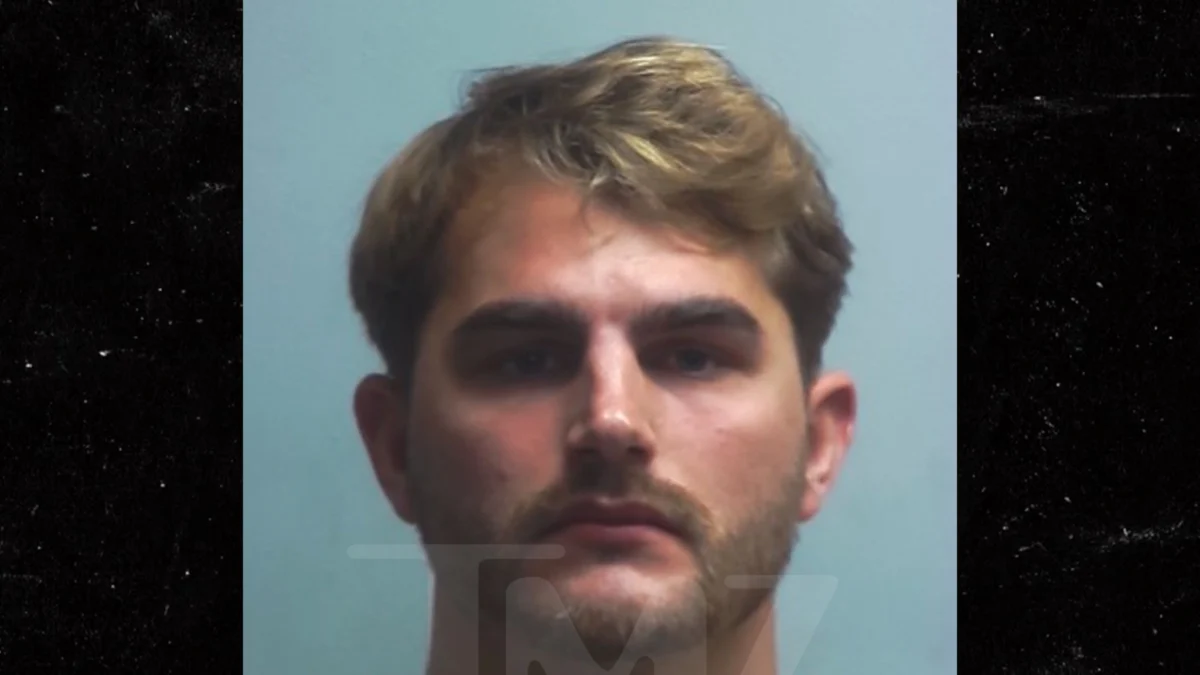
Blake Robertson, a contestant who gained significant public attention on the recently aired fourth season of Netflix’s relationship reality series ‘The Ultimatum: Marry or Move On,’ was arrested in October 2025 on allegations of assaulting his girlfriend and fellow cast member, Hayley Hendrich. The incident, which reportedly occurred at a business in Nacogdoches, Texas, transpired months after filming for the popular streaming show had concluded but well before the season’s much-anticipated premiere in July 2026. While the legal proceedings saw the charges against Robertson swiftly dismissed and all associated records expunged, Hendrich has publicly affirmed her decision not to press charges, yet simultaneously underscored the vital importance of public accountability regarding the incident.
The Arrest and Subsequent Legal Dismissal
The arrest of Blake Robertson took place in October 2025, several months following the wrap of production for ‘The Ultimatum: Marry or Move On’ Season 4, which had filmed in the spring of the same year. Details emerging from initial reports indicate that Robertson was apprehended in Nacogdoches, Texas, following an accusation by Hayley Hendrich, his on-screen partner and the subject of his ultimatum, that he had allegedly "put his hands on her." Such allegations, especially involving public figures, invariably draw significant scrutiny and legal attention.
However, the legal trajectory of Robertson’s case took a definitive turn shortly after his arrest. According to his attorney, Sean Hightower, the charges against Robertson were "rightfully dismissed by the prosecutor almost immediately," and crucially, "all records were expunged." The term "dismissed" in a legal context signifies that the charges were dropped by the prosecution, meaning the case did not proceed to trial, and no conviction was rendered. "Expungement," a more comprehensive legal action, involves the sealing or destruction of arrest and court records, making them inaccessible to the public and, in many cases, even to law enforcement agencies for most purposes. This process aims to clear an individual’s public record of a past arrest or conviction, effectively treating it as if it never occurred from a legal standpoint. While the specific reasons for the prosecutor’s decision to dismiss the case were not publicly detailed, common grounds for such actions can include insufficient evidence, a lack of cooperation from the alleged victim, or prosecutorial discretion based on various factors.
Hayley Hendrich’s Stance: Navigating Private Trauma and Public Accountability
Central to the unfolding narrative is Hayley Hendrich’s complex position. While the legal system moved to dismiss the charges against Blake Robertson, Hendrich herself has confirmed that she chose not to pursue the matter legally. Her statement to media outlets reveals a nuanced perspective: she engaged in "private conversations with Blake about the incident," indicating an attempt to address the matter internally within their relationship. However, Hendrich also articulated a powerful belief that "accountability needs to be taken publicly as well." This distinction highlights the often-divergent paths of legal justice and personal or moral accountability, particularly in cases involving domestic disputes.
For victims of alleged domestic incidents, the decision to press charges is deeply personal and multifaceted. Factors such as emotional ties to the alleged perpetrator, fear of retaliation, financial dependence, concern for shared children, or a desire to resolve the issue privately can all influence such choices. Hendrich’s assertion underscores a growing public demand, particularly in the age of social media and heightened awareness around interpersonal violence, for individuals, especially those in the public eye, to acknowledge their actions and face consequences beyond the strict confines of the criminal justice system. Her desire for public accountability suggests a belief that while the legal avenues may have closed, the ethical and social dimensions of the alleged incident remain pertinent and warrant public recognition.
‘The Ultimatum: Marry or Move On’ – Season 4 Context
Blake Robertson and Hayley Hendrich’s relationship formed a significant storyline in the recently released fourth season of ‘The Ultimatum: Marry or Move On,’ a reality series renowned for its high-stakes relationship experiments. The premise of the show revolves around couples where one partner issues an ultimatum to the other: commit to marriage or move on. To test their relationships and explore alternative connections, each participant engages in "trial marriages" with other cast members before ultimately deciding whether to marry their original partner, pursue a new relationship, or leave alone.
The fourth season, filmed in the spring of 2025, introduced viewers to Blake and Hayley’s dynamic, which was fraught with tension and unresolved issues from the outset. Blake had presented the ultimatum, expressing his conviction that marriage was the logical next step for their relationship. Hayley, however, expressed significant reluctance, citing a profound desire for greater emotional vulnerability and depth from Blake, which she felt was lacking.
Their journey through the trial marriages was particularly turbulent. Blake chose Ashley Wilson as his trial spouse, while Hayley partnered with Killian Grondin. Hayley’s trial marriage notably imploded following her discovery that Killian and his friends had made crude and disrespectful comments about her. This revelation led to a highly charged and "fierce confrontation" involving Hayley, Killian, Ashley, and Blake, underscoring the intense emotional pressures inherent in the show’s format. Despite the dramatic challenges and the apparent unresolved issues, Hayley and Blake ultimately decided to leave the season together. However, as the season concluded, their relationship status seemed to be "seemingly nowhere closer to walking down the aisle," leaving their future ambiguous and open to interpretation by viewers. This pre-existing relational complexity and emotional volatility on screen provide a crucial backdrop to the post-filming alleged incident.
The Delayed Revelation: A Timeline of Events and Public Impact
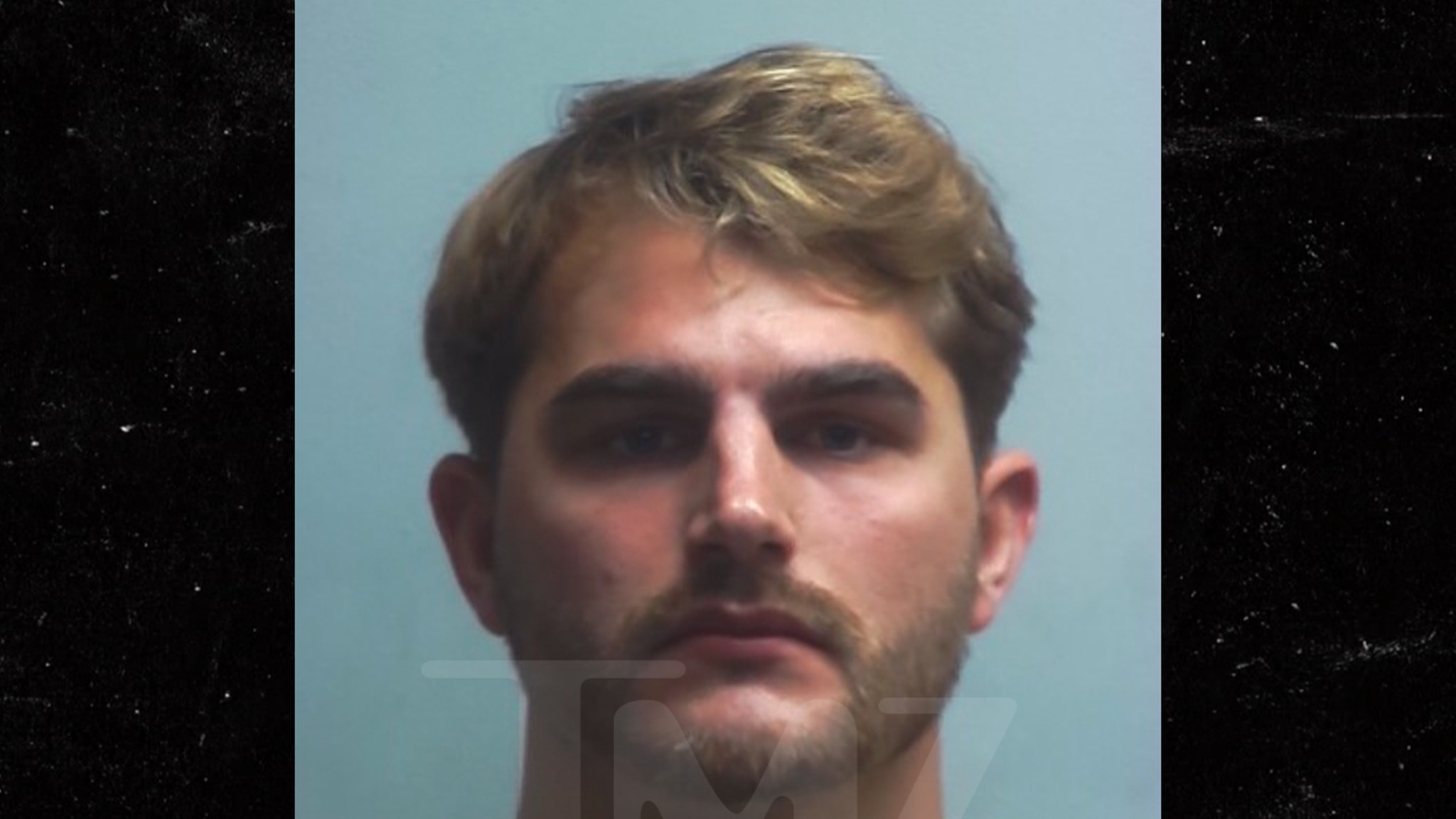
The chronology of events surrounding Blake Robertson’s arrest and the subsequent public disclosure is particularly noteworthy. The season was filmed in Spring 2025. Robertson’s arrest occurred in October 2025. Yet, the news of the arrest only broke on July 18, 2026, precisely a little over a week after Season 4 of ‘The Ultimatum’ premiered on Netflix. This significant time lag means that viewers consumed the entire season, investing emotionally in Blake and Hayley’s storyline, completely unaware of the serious allegations that had already surfaced and been legally addressed in the interim.
This delay raises several questions regarding the responsibilities of production companies and networks in managing talent and information. While legal processes like expungement aim to protect individuals’ privacy, the public nature of reality television and the scrutiny faced by its participants often create a tension between legal rights and public interest. Industry standards often include clauses in participant contracts regarding conduct, legal issues, and public disclosures, but the specifics of how such situations are handled can vary widely. The timing of the news breaking just before the highly anticipated reunion episode amplifies its impact, forcing viewers to re-evaluate the on-screen dynamics through a new, troubling lens. This phenomenon underscores how incidents in the private lives of reality TV stars, even when legally resolved, can significantly alter the public’s perception of their on-screen personas and the narratives presented by the show.
Legal Framework: Dismissal, Expungement, and the Public Record
To fully comprehend the legal ramifications of Blake Robertson’s situation, it is crucial to delve deeper into the concepts of dismissal and expungement. When criminal charges are dismissed, it means the prosecution has decided not to pursue the case further. This can happen for a multitude of reasons, including insufficient evidence to secure a conviction, procedural errors by law enforcement, a change in the alleged victim’s willingness to cooperate, or the prosecutor determining that it is not in the interest of justice to proceed. A dismissal does not equate to a finding of innocence by a court; rather, it signifies that the state is no longer prosecuting the case.
Expungement, on the other hand, is a separate legal process that, if granted, leads to the sealing or physical destruction of arrest and court records. Its purpose is to provide individuals with a fresh start, preventing past legal troubles from creating lasting barriers to employment, housing, or other opportunities. Once a record is expunged, it is generally treated as though the arrest or conviction never occurred, and the individual can legally deny its existence in most contexts. However, while expungement offers a significant degree of privacy, it does not erase the event itself or the personal impact it may have had on those involved. For media outlets, reporting on expunged cases presents a delicate balance between respecting legal privacy and fulfilling journalistic duties to inform the public, especially when the individuals are public figures and the events have broader societal implications. A criminal defense attorney, speaking generally on such cases, might explain that "a dismissal due to a victim’s request not to press charges is common, and expungement protects an individual’s future, but it doesn’t preclude the public discussion of the underlying allegations, especially when a victim still seeks accountability outside the legal system."
The Broader Impact on Reality Television and Public Figures
The incident involving Blake Robertson and Hayley Hendrich shines a spotlight on the intense scrutiny faced by reality television personalities. These individuals, often ordinary citizens thrust into the glare of public opinion, find their personal lives dissected and judged on an unprecedented scale. Allegations of domestic violence, regardless of legal outcome, carry a significant weight, particularly for public figures whose images are inextricably linked to their on-screen personas.
For networks and production companies, such incidents pose complex ethical and public relations challenges. While they are bound by legal considerations and often have standard clauses in participant agreements regarding conduct, they also operate within a landscape where public perception and brand image are paramount. The handling of post-filming incidents involving cast members can significantly impact a show’s reputation and the broader discourse around domestic issues. This incident contributes to an ongoing societal conversation about accountability, consent, and the complexities of interpersonal relationships, especially when amplified by the media spotlight. The expectation for public figures to uphold certain standards of conduct, even outside the strict legal framework, has grown, driven in part by social media and a greater public awareness of social issues.
Anticipating the Season 4 Reunion
The timing of this revelation could not be more impactful, coming just days before the scheduled Season 4 reunion episode of ‘The Ultimatum.’ The reunion serves as a crucial platform for the cast to address lingering questions, reveal their current relationship statuses, and discuss the events of the season from a present-day perspective. With the news of Robertson’s arrest and Hendrich’s subsequent call for public accountability, the reunion is now poised to become an even more charged and anticipated event.
Viewers will undoubtedly be looking for answers and expecting the incident to be addressed directly by Robertson, Hendrich, and the show’s host. How the production chooses to navigate this sensitive topic, and how the individuals involved choose to speak about it, will be critical. The reunion offers a potential opportunity for Robertson to publicly address Hendrich’s request for accountability, and for Hendrich to elaborate on her experiences and perspective, thus adding another layer of complexity and emotional resonance to their already tumultuous on-screen journey. The discourse around the reunion will likely extend beyond mere relationship updates, delving into profound questions of personal conduct, victim advocacy, and the responsibilities that come with being a reality television star.
Conclusion: An Ongoing Dialogue
The arrest and subsequent dismissal of charges against ‘The Ultimatum’ star Blake Robertson, coupled with Hayley Hendrich’s simultaneous call for public accountability, underscore the intricate interplay of legal processes, personal relationships, and intense public scrutiny in the digital age. While the legal chapter of this incident has seemingly closed with the expungement of records, the ethical and societal dimensions remain very much open. Hendrich’s brave stance in seeking public acknowledgment, even after declining to press charges, resonates with broader conversations about domestic dynamics and the nuanced forms accountability can take. As the highly anticipated Season 4 reunion approaches, the public awaits further clarity and reflection from the individuals involved, ensuring that this complex narrative will continue to evolve and contribute to an ongoing dialogue about personal responsibility in the glare of the reality television spotlight.


 Yuyun Lusiyani
 Joko Widodo
 Eva Lovia
 Pevita Pearce

 Lina Irawan