
 admin
admin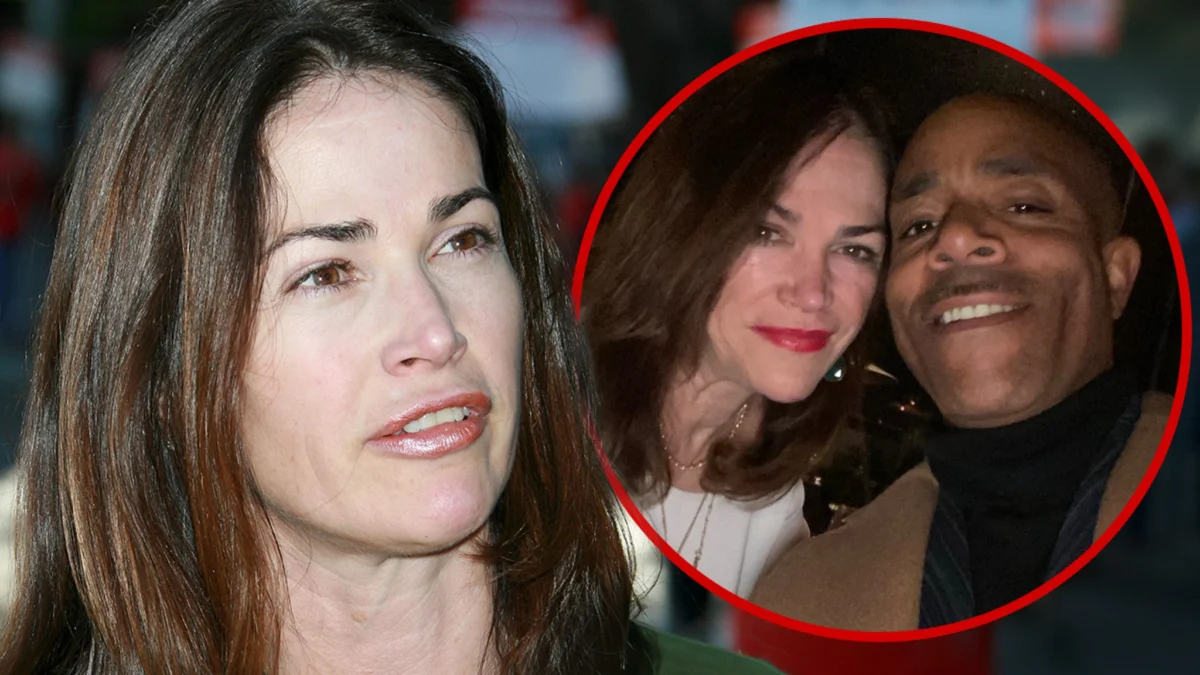
James Morgan, the husband of acclaimed actress Kim Delaney, was arrested for public intoxication on Monday, July 21, 2026, following an alleged series of disturbances during a Delta flight from Detroit to Los Angeles. The incident, which reportedly involved altercations with both Delaney and a flight attendant, culminated in Morgan’s apprehension by law enforcement upon the aircraft’s arrival at Los Angeles International Airport (LAX). This marks another public legal entanglement for Morgan, following a prior arrest earlier this year.
Initial Report: Arrest at LAX Following In-Flight Altercations
According to law enforcement sources, James Morgan was taken into custody and booked shortly after his flight touched down at LAX. The arrest stemmed from reports of disruptive behavior during the journey. While specific details regarding the nature of the arguments remain undisclosed, sources confirm that Morgan allegedly engaged in a verbal dispute with his wife, Kim Delaney, the Emmy Award-winning star best known for her roles in "NYPD Blue" and "All My Children." In addition to the alleged marital disagreement, Morgan was also reportedly involved in a separate confrontation with a member of the flight crew. The precise triggers for these altercations have not yet been publicly revealed. The charge against Morgan is public intoxication, a misdemeanor offense under California law.
Details of the Delta Flight Incident
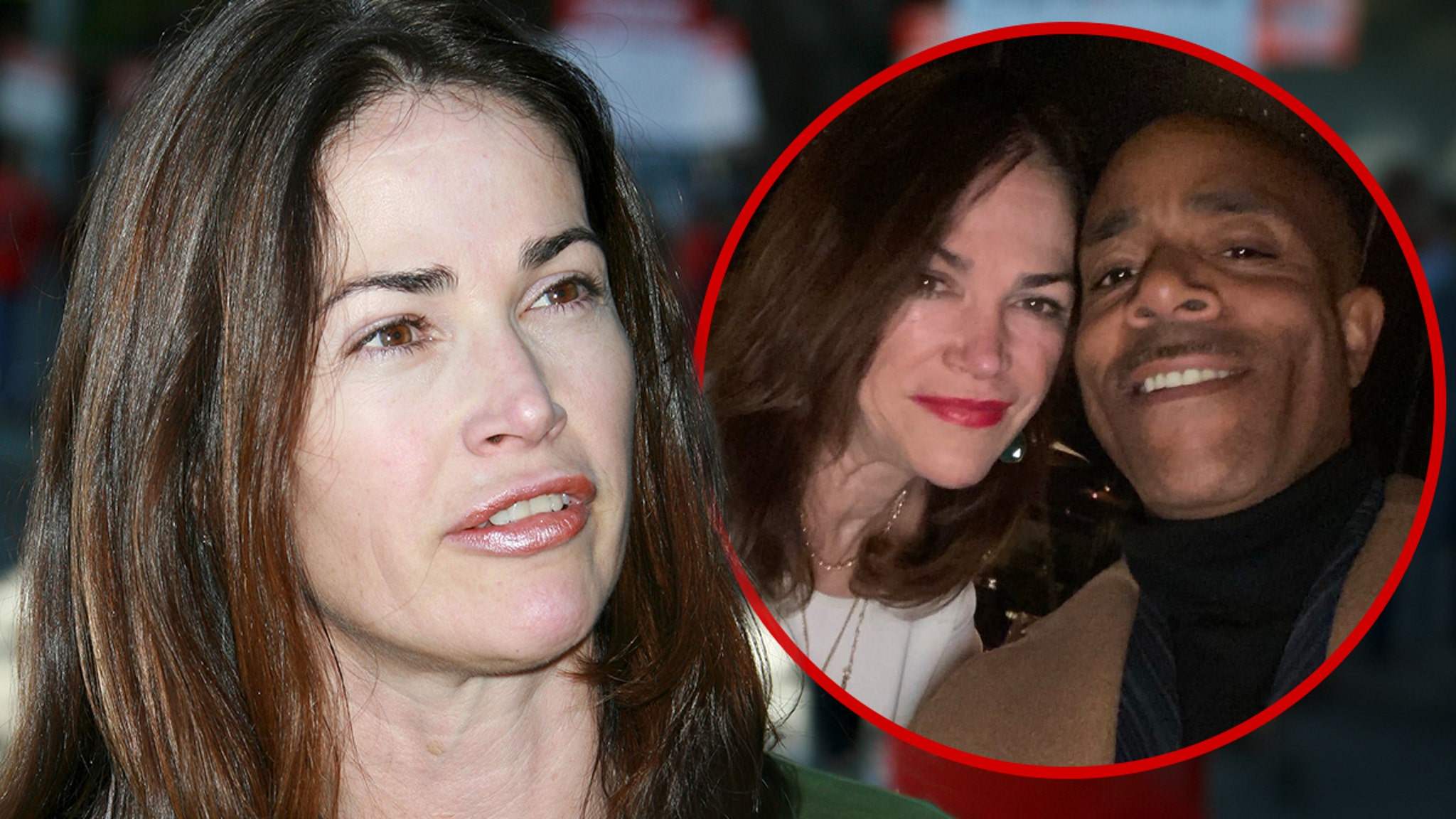
The Delta flight, originating from Detroit, experienced what witnesses describe as significant in-flight tension involving Mr. Morgan. Air travel, particularly over long distances, can be a challenging environment, and the presence of alcohol can sometimes exacerbate pre-existing stresses or lead to impaired judgment. While the initial reports from TMZ do not specify the exact nature of the arguments, such incidents often involve passengers becoming loud, verbally abusive, or non-compliant with crew instructions. The involvement of a flight attendant suggests that Morgan’s behavior escalated beyond a private dispute and began to impact the operational environment of the cabin. Flight attendants are trained to de-escalate situations and maintain passenger safety and order, and their intervention often signals a serious breach of conduct. The decision to involve law enforcement at the destination airport indicates that the airline deemed the situation significant enough to warrant immediate official action, rather than simply handling it internally.
Airline’s Stance on Unruly Behavior
Delta Airlines swiftly responded to inquiries regarding the incident, reiterating its stringent policy against disruptive passenger conduct. A Delta spokesperson stated, "Delta has zero tolerance for unruly or unlawful behavior, as the safety of our customers and crew always comes first." This statement underscores the airline industry’s increasingly firm stance on passenger misconduct, which has seen a notable rise in recent years. Data from the Federal Aviation Administration (FAA) indicates a significant surge in unruly passenger incidents, particularly since the onset of the COVID-19 pandemic, although the numbers have slightly declined from their peak. Such incidents often lead to substantial fines, inclusion on airline no-fly lists, and, in severe cases, criminal prosecution. The airline confirmed that despite the drama involving Morgan, there was "no operational impact to the flight," meaning the aircraft landed safely and on schedule, and other passengers were not directly endangered by the physical operation of the flight. However, the psychological impact on fellow passengers and crew members in such situations can be considerable. The airline’s swift action in coordinating with law enforcement upon arrival at LAX demonstrates their commitment to enforcing their policies and ensuring accountability for disruptive behavior.
A Pattern of Prior Incidents: Morgan’s February Arrest
This recent arrest is not an isolated event for James Morgan. As previously reported by TMZ, Morgan was also taken into custody just months prior, in February 2026, following a disturbance at the Los Angeles-area apartment he shares with Kim Delaney. Details of that incident were sparse, but it involved law enforcement intervention at their residence. While the specific charges and the outcome of the February arrest were not widely publicized, the recurrence of such incidents raises questions about Morgan’s behavior and the potential challenges within his personal life. Public figures and their partners often face intense media scrutiny, and repeated legal issues can draw unwanted attention, impacting both personal relationships and professional reputations. The pattern suggests an ongoing struggle that has now spilled into the public domain on more than one occasion, highlighting the pressures that can accompany celebrity associations and personal difficulties. The consecutive nature of these arrests, occurring within a relatively short timeframe, will undoubtedly be a point of interest for legal and public observers alike as Morgan navigates the current charges.
Kim Delaney’s Enduring Career and Public Profile
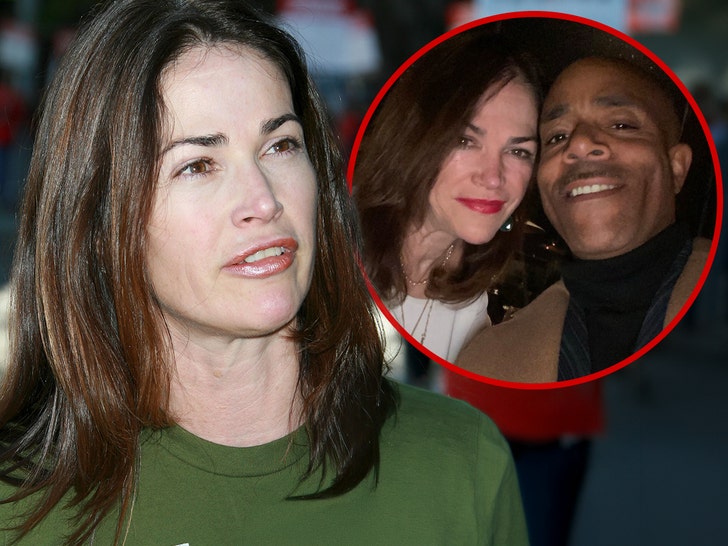
Kim Delaney, 65, has maintained a prominent presence in Hollywood for decades, earning critical acclaim and a loyal fanbase. Her most iconic role as Detective Diane Russell on "NYPD Blue" earned her an Emmy Award for Outstanding Supporting Actress in a Drama Series in 1997, solidifying her status as a respected dramatic actress. Prior to that, she gained widespread recognition for her work as Jenny Gardner Nelson on the daytime soap opera "All My Children," a role she reprised briefly in later years. Delaney also starred in the Lifetime series "Army Wives" from 2007 to 2012, further showcasing her versatility and enduring appeal. Throughout her career, Delaney has navigated the complexities of public life with grace, largely maintaining a private personal life despite her celebrity status. However, like many public figures, she has faced her share of challenges, including a DUI arrest in 2002, for which she later sought treatment and spoke openly about her struggles. Her resilience and continued work in the industry have endeared her to many. The current incident involving her husband inevitably draws her into the spotlight once more, albeit indirectly, raising concerns for her well-being and the stability of her personal life amidst these public disturbances.
Legal Ramifications of Public Intoxication in California
In California, public intoxication, codified under Penal Code 647(f) PC, occurs when an individual is found in a public place under the influence of alcohol or drugs to the extent that they are unable to exercise care for their own safety or the safety of others, or interfere with or obstruct or prevent the free use of any street, sidewalk, or other public way. Given that the arrest occurred at LAX, a major public transportation hub, the charge fits the criteria of being in a "public place." This offense is typically classified as a misdemeanor. The penalties for public intoxication can vary depending on prior offenses and specific circumstances. A first-time conviction usually results in a fine of up to $1,000, up to six months in county jail, or both. However, judges often opt for alternatives such as probation, mandatory attendance at alcohol education programs, or community service, especially for individuals with no prior criminal record. For repeat offenders, the penalties can be more severe. The process generally involves booking at a local police station or county jail, potential bail setting, and a subsequent court date for arraignment. Given Morgan’s prior arrest in February, the court may view this as a pattern of behavior, which could influence sentencing should he be convicted. His legal team will likely explore all available defenses, which could include challenging the extent of his intoxication or whether his behavior genuinely posed a threat to himself or others.
Broader Implications for Celebrity Relationships and Air Travel
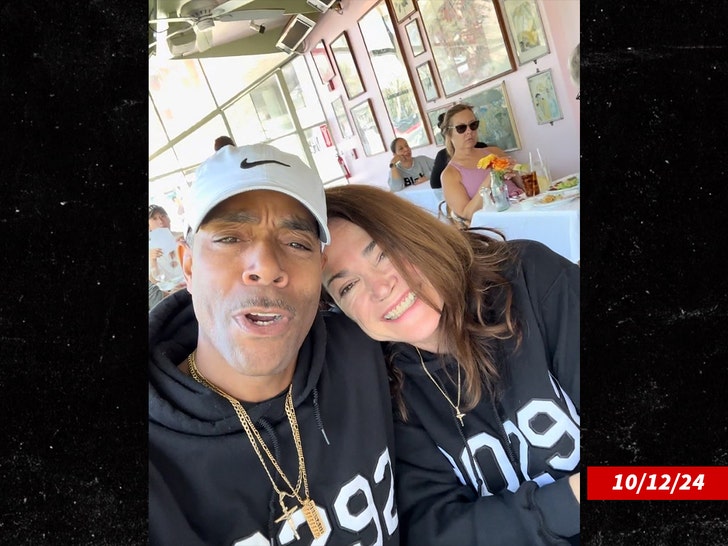
The incident involving James Morgan serves as a stark reminder of the unique pressures faced by individuals associated with celebrities. Spouses and partners often find themselves under intense media scrutiny, with their personal lives becoming fodder for public consumption, even when they are not public figures themselves. This constant spotlight can exacerbate personal struggles and make it difficult to resolve private matters away from the public eye. Moreover, this event highlights the broader issue of passenger behavior on commercial flights. Airlines and regulatory bodies have been grappling with a significant increase in disruptive and unruly passenger incidents. These range from verbal abuse and non-compliance with crew instructions to physical altercations. The consequences of such behavior extend beyond legal penalties for the individual; they can disrupt travel for hundreds of passengers, divert flights, and create an unsafe working environment for airline staff. The collective effort to ensure air travel remains safe and comfortable for everyone necessitates strict adherence to rules and respectful conduct from all passengers. The involvement of a celebrity’s spouse in such an incident only amplifies the visibility of these ongoing challenges, bringing the conversation about air rage and personal accountability to a wider audience.
The Intersection of Public Life and Personal Challenges
The repeated legal issues faced by James Morgan, particularly in conjunction with his marriage to a high-profile actress like Kim Delaney, underscore the complex interplay between personal challenges and public visibility. While individuals from all walks of life can experience struggles with alcohol or engage in disputes, when these incidents involve someone connected to a celebrity, they invariably attract significant media attention. This scrutiny can be a double-edged sword: it brings accountability but also adds immense pressure to an already difficult situation. For Kim Delaney, navigating her husband’s public troubles while maintaining her own career and personal well-being will undoubtedly be challenging. Public perception, even by association, can be difficult to manage in the entertainment industry. The situation prompts broader reflection on how society addresses issues of public intoxication, personal conduct, and the support systems available to individuals, especially when their lives are played out, to some degree, in the public sphere. As the legal process unfolds for James Morgan, the incident will continue to serve as a high-profile example of the complexities that arise when personal struggles intersect with the glare of celebrity and the rules governing public conduct.

 Yuyun Lusiyani
 Joko Widodo
 Eva Lovia
 Pevita Pearce
 Lina Irawan