
 Eva Lovia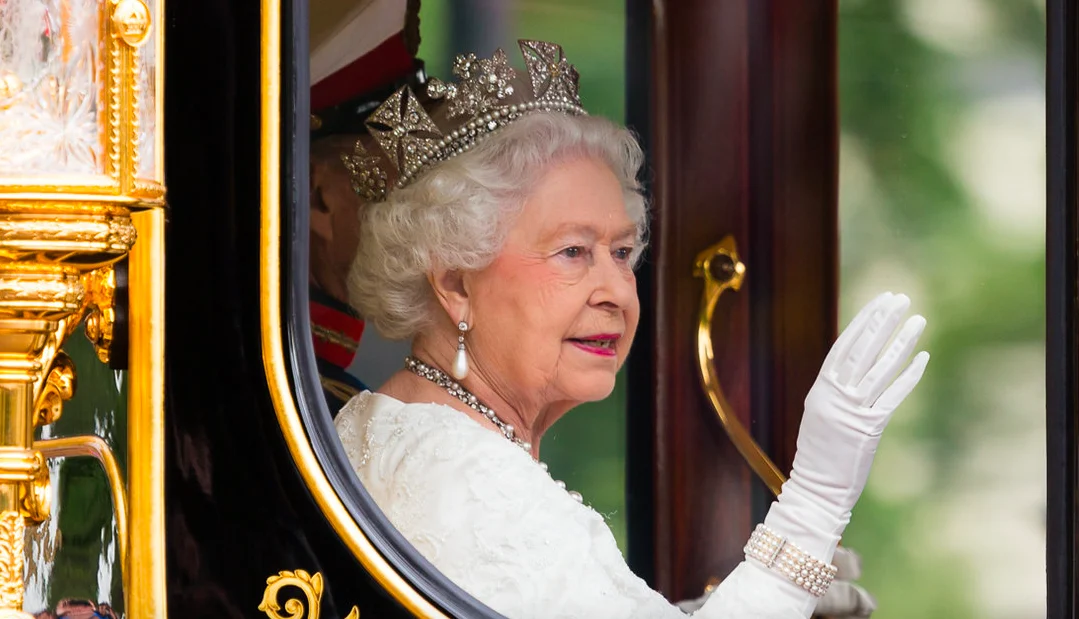
The George IV State Diadem, a magnificent and historically significant piece of royal jewellery, is set to grace the head of Queen Camilla at the upcoming State Opening of Parliament, marking a poignant moment in its long and storied history. Originally commissioned for a king, this breathtaking diadem, adorned with over 1,300 diamonds, has, for the better part of two centuries, been exclusively worn by queens. Its reappearance signifies not only a continuation of royal tradition but also a fascinating evolution in its ceremonial use, now firmly established as a jewel befitting a queen consort. The upcoming State Opening, presided over by the new Prime Minister, will see this iconic piece once again take centre stage, underscoring its enduring symbolism and its deep connection to the ceremonial heart of the British monarchy.
Genesis of a Royal Masterpiece: George IV’s Vision and Its Controversial Reign
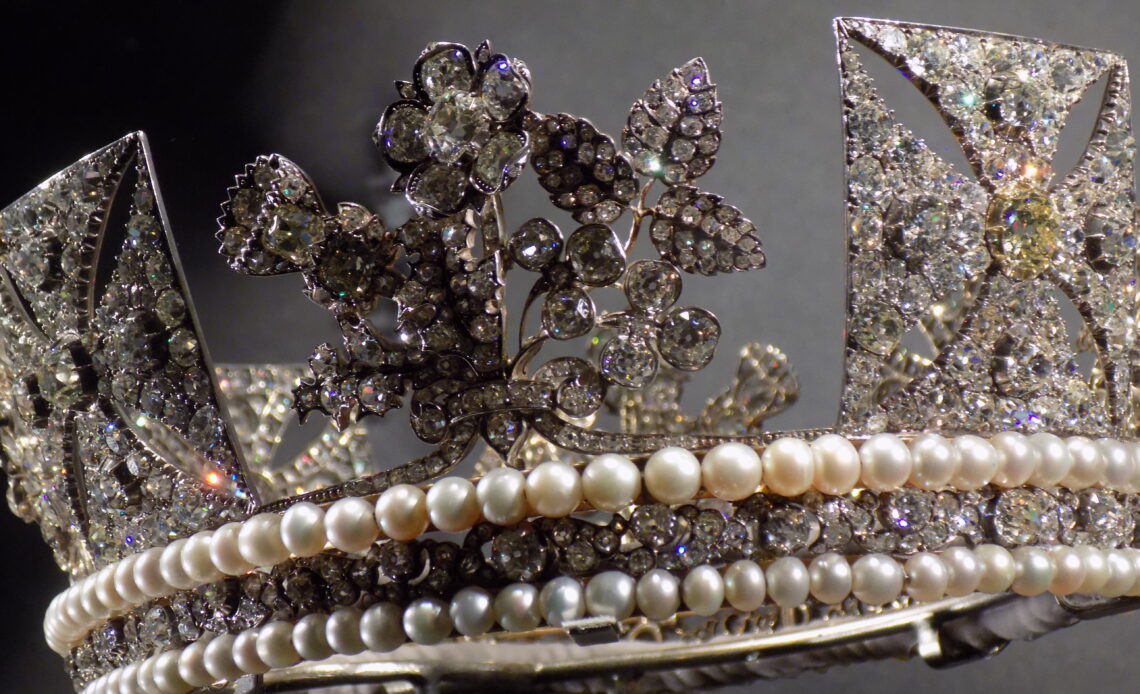
The George IV State Diadem was meticulously crafted in 1820, a year that marked King George IV’s ascension to the throne after a protracted period as heir apparent and regent. This opulent headpiece was conceived as a statement of royal power and national unity, reflecting the King’s desire to solidify his image upon assuming the crown. The diadem’s frame, fashioned from gold and silver, is lavishly embellished with more than 1,300 brilliant-cut diamonds, a testament to the era’s craftsmanship and the King’s considerable expenditure.
A notable departure from traditional designs, George IV incorporated the national symbols of England, Ireland, Wales, and Scotland – the rose, the shamrock, the thistle, and the leek – intricately rendered in gemstones around the central cross. This was a deliberate gesture to acknowledge his dominion over these four nations, though historical accounts suggest his relationship with each was far from harmonious. George IV’s reign, though relatively short, was marred by controversy, largely stemming from his extravagant lifestyle and perceived indifference to the plight of his subjects. His profligate spending and personal excesses had already made him a target of public criticism and ridicule long before he wore the diadem.
A King’s Disdain: The Diadem’s Rejection by Queen Caroline
The creation of the George IV State Diadem also occurred against a backdrop of profound personal animosity within the royal family. King George IV harboured a deep and abiding hatred for his wife, Queen Caroline, a sentiment she reciprocated with equal intensity. Their marriage, solemnised in 1795, was reportedly a disastrous affair, with the groom allegedly intoxicated and the bride deeply unhappy. The birth of their only child, Princess Charlotte, in 1796 did little to mend their fractured relationship. Following this, the royal couple lived largely separate lives, engaging in a public feud that was widely reported and scandalised the nation, overshadowing even the contemporary media’s sensationalism.
Tragically, the death of Princess Charlotte and her infant son in childbirth in 1817 failed to bring about any reconciliation between the estranged monarchs. In a stark demonstration of his contempt, George IV, wearing his newly commissioned diadem, decreed that Queen Caroline be barred from his coronation. Despite this royal decree, she defiantly arrived at Westminster Abbey and attempted to gain entry, her persistent knocking a public spectacle that underscored the depth of their mutual loathing.
Queen Caroline died shortly after the coronation, still uncrowned. George IV never remarried, meaning the diadem remained exclusively his. His successor, King William IV, harboured a distinct aversion to the ostentatious displays of wealth and grandeur that had characterised his brother’s reign. He famously eschewed a lavish coronation, opting for a subdued ceremony, infamously dubbed the "Penny Coronation." He did not, however, adopt his brother’s distinctive diadem, and from this point forward, the George IV State Diadem transitioned from being a king’s jewel to a treasured possession of the queen consort.
The Diadem’s Enduring Legacy: Worn by Queens Through Two Centuries
The George IV State Diadem found its true ceremonial purpose when worn by successive queen consorts. Its historical significance is inextricably linked to two of Britain’s longest-reigning monarchs: Queen Victoria and Queen Elizabeth II. For over two centuries, this remarkable piece has been a constant presence during pivotal moments of the monarchy. While the diadem itself is over 200 years old, the vast majority of its existence has seen it adorning the heads of queens.
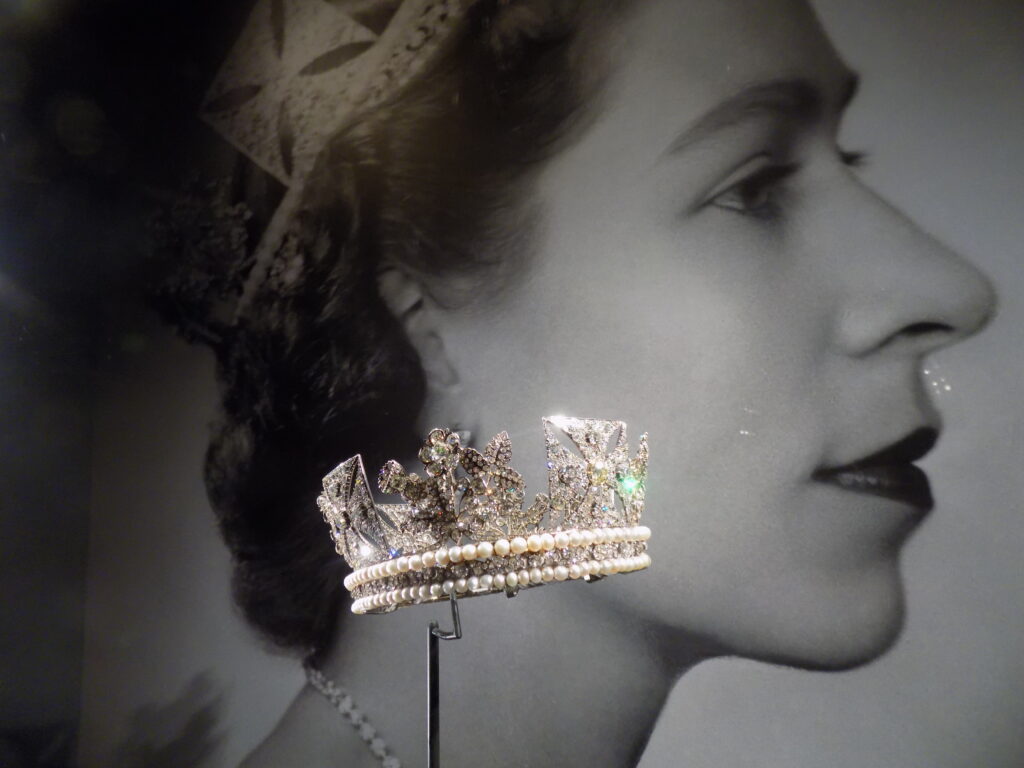
When the reigning monarch is male, the diadem is traditionally worn by his consort. This tradition has been upheld by a succession of prominent royal women, including Queen Alexandra, Queen Mary, Queen Elizabeth (later the Queen Mother), and most recently, Queen Camilla. The diadem’s most frequent and significant appearances have been at the State Opening of Parliament, an annual event that formally commences the parliamentary year and signifies the Sovereign’s role in the legislative process.
A Symbol of State: The Diadem at the State Opening of Parliament
The State Opening of Parliament is a ceremony steeped in centuries of tradition. It is the only occasion when the monarch formally opens a new parliamentary session, delivering the "King’s Speech" (or "Queen’s Speech"), which outlines the government’s legislative agenda for the coming year. This grand occasion is rich with symbolism, from the procession to Westminster to the wearing of the Imperial State Crown and other regalia.
Queen Elizabeth II, who wore the George IV State Diadem at her very first State Opening of Parliament in 1952, established a strong association between the diadem and this significant event. At that time, the Imperial State Crown was not an option for her to wear as her own coronation had yet to take place. Subsequently, Queen Elizabeth II frequently wore the George IV State Diadem during her procession to and from the Palace of Westminster. In the later years of her reign, she made a notable adaptation to the ceremony: she chose to wear the lighter George IV State Diadem throughout the proceedings within the House of Lords, while the heavier Imperial State Crown was carried before her and placed beside the throne as a potent symbol of royal authority.
The George IV State Diadem, while lighter than the Imperial State Crown, is by no means a lesser piece. Its immense value and symbolic weight are undeniable. For a significant portion of the public, it became one of the most recognisable symbols of Queen Elizabeth II’s long and impactful reign. Her image, adorned with this exquisite diadem, was famously featured on British and Commonwealth stamps and coins, embedding it deeply within the national consciousness.
Queen Camilla and the Evolving Role of the Diadem
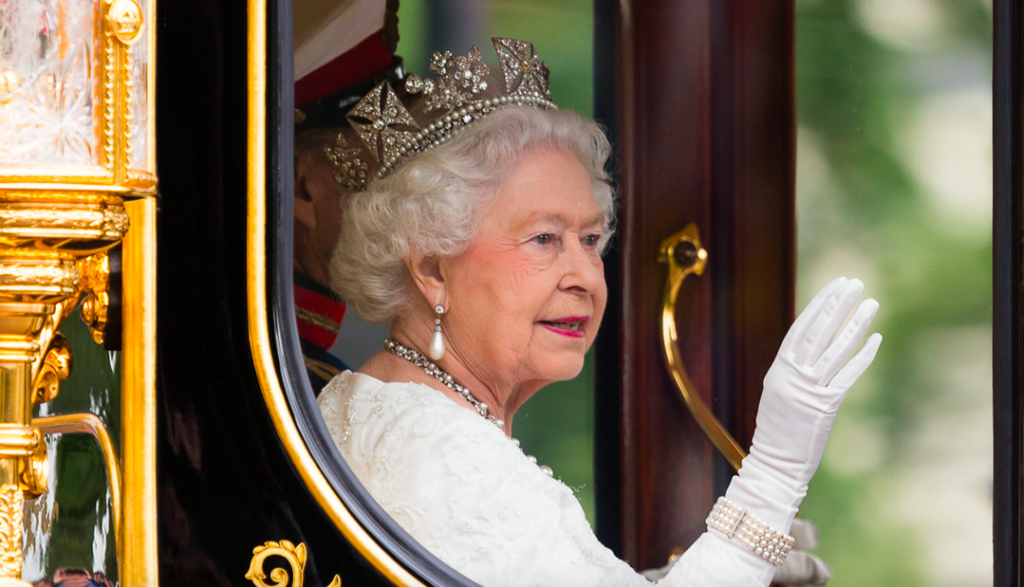
In the current era, the George IV State Diadem has found its prominent place with Queen Camilla. She has worn the diadem for every State Opening of Parliament since King Charles III’s accession to the throne less than four years ago. This continuity underscores the diadem’s enduring relevance and its capacity to adapt to changing royal roles.
As King Charles III prepares to welcome his fourth Prime Minister to oversee a State Opening of Parliament, the diadem, originally conceived for a king, will once again be worn by a queen consort. This evolution highlights the dynamic nature of royal tradition and the symbolic importance placed on the queen consort’s role in state ceremonies. Queen Camilla’s consistent use of the diadem signifies her established position within the modern monarchy and her embrace of its ceremonial duties.
The diadem’s journey from a king’s intended adornment to a queen consort’s ceremonial crown is a fascinating narrative in itself. It speaks to the enduring power of royal symbolism and how objects of immense historical and material value can accrue new meanings and associations over time. The George IV State Diadem, with its dazzling diamonds and its rich history, remains a powerful testament to the continuity and evolution of the British monarchy. Its reappearance at the State Opening of Parliament is not merely a display of royal wealth but a living connection to centuries of tradition, a symbol of the present, and a nod to the enduring legacy of those who have worn it before.




 Yuyun Lusiyani
 Joko Widodo
 Pevita Pearce
 admin
admin
 Lina Irawan