
 admin
admin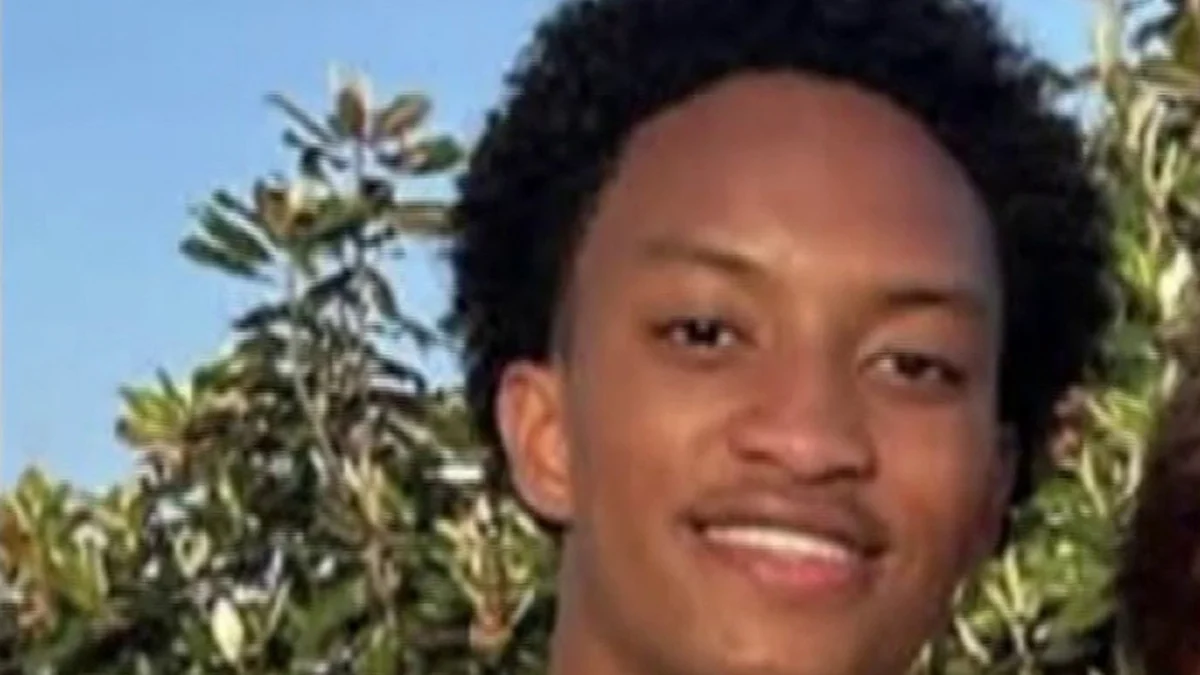
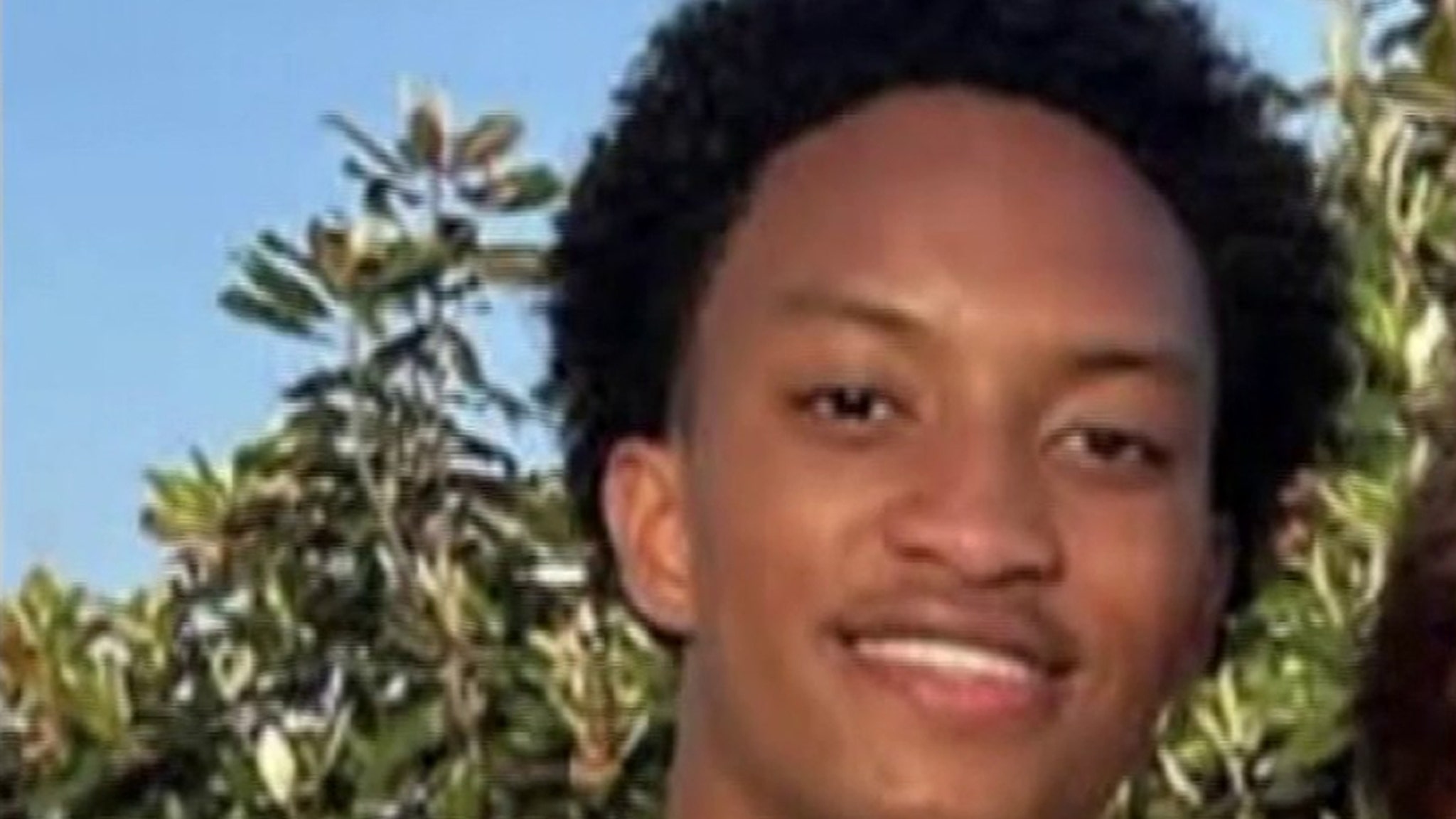
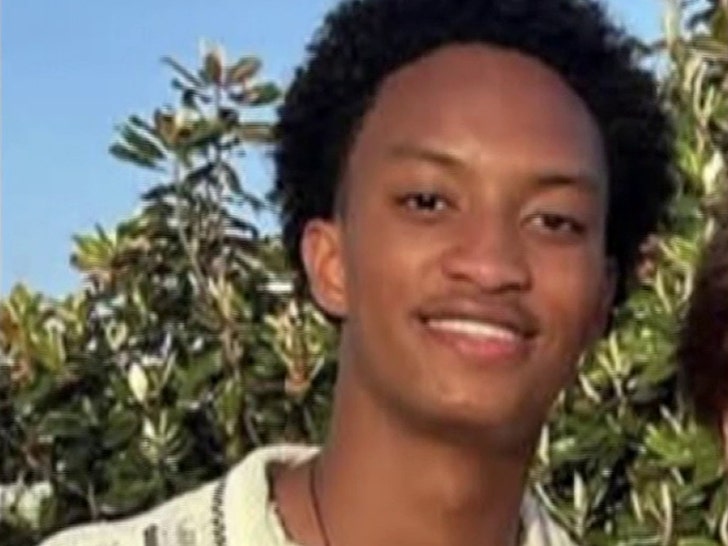
In a significant development surrounding the tragic death of Nolan Wells, his best friend, Warren Hudson, has publicly stated that Wells repeatedly refused to board his friends’ boat before they departed Horn Island, necessitating a forceful plea from a "panicking" buddy. This revelation, shared by Hudson during an appearance on "The Officer Tatum Show" hosted by Brandon Tatum, adds a critical, albeit conflicting, layer to the perplexing circumstances that led to the discovery of Wells’ body in the waters off the remote Mississippi barrier island in early July 2026. The 19-year-old’s disappearance over the Fourth of July weekend sparked an intensive search and has since evolved into a complex investigation, with his family pursuing an independent autopsy and inquiry into what they believe is a mysterious death.
The Unfolding Narrative: Warren Hudson’s Account
Warren Hudson’s recent interview provides the most detailed public account yet from one of the individuals who was with Nolan Wells on Horn Island during the fateful Fourth of July weekend. According to Hudson, Wells was given multiple opportunities to re-join his group on their boat. Hudson recounted a scene where a friend, increasingly agitated as the time for departure approached, resorted to expletives in an attempt to compel Wells to come aboard. "Nolan, get the f*** on the boat," the friend allegedly yelled, reflecting a growing sense of urgency and frustration among the group as they prepared to leave the island.
Hudson emphasized that, from his perspective, Nolan’s refusal was a deliberate choice. He also suggested that it was not uncommon for individuals visiting Horn Island to return to the mainland on a different vessel than the one they arrived on, implying a certain fluidity in departure arrangements. He further claimed that Nolan wasn’t the only member of their party to opt for a different departure arrangement that day, lending credence to the idea that some group members might have dispersed. This particular detail is crucial as it attempts to normalize the situation where Wells might have been left behind, or chose to stay behind, without necessarily signaling immediate alarm or negligence from his friends.
A Chronology of Disappearance and Discovery
The timeline of Nolan Wells’ disappearance and the subsequent discovery of his body paints a grim picture of a holiday outing gone horribly wrong.
- July 4, 2026 (Evening): Nolan Wells is last seen alive on Horn Island, a popular but isolated barrier island off the Mississippi coast. Initial reports from his friends indicated he had chosen to stay behind with a girl, a detail that would later be contradicted.
- July 5, 2026: Wells is officially reported missing when he fails to return to the mainland. A large-scale search operation is immediately launched.
- July 5-9, 2026: Search efforts intensify, involving the U.S. Coast Guard, Mississippi Department of Marine Resources, Jackson County Sheriff’s Department, and numerous civilian volunteers. Search teams comb the waters around Horn Island, its shores, and surrounding areas, battling challenging maritime conditions.
- July 9, 2026: After several agonizing days, a body is discovered in the water off Horn Island. Authorities confirm it to be Nolan Wells. The discovery brings a tragic end to the search but marks the beginning of a more profound investigation into the circumstances of his death.
- Mid-July 2026: Amid growing questions and conflicting accounts, Wells’ family, represented by prominent civil rights attorney Ben Crump, announces plans for an independent autopsy and investigation, signaling dissatisfaction with initial findings or the pace of the official inquiry.
- July 23, 2026: Warren Hudson’s interview on "The Officer Tatum Show" is published, adding his specific account of Nolan’s alleged refusal to board the boat.
Horn Island: A Setting for Recreation and Potential Peril
Horn Island, part of the Gulf Islands National Seashore, is a pristine, undeveloped barrier island accessible only by boat. It’s a cherished natural preserve, offering visitors a wild escape with opportunities for camping, fishing, birdwatching, and beach activities. Its remote nature, while appealing to outdoor enthusiasts, also presents inherent challenges and risks. There are no permanent structures, no paved roads, and no emergency services directly on the island. Visitors must be self-sufficient and aware of their surroundings, including strong currents, changing weather conditions, and the potential for isolation.
The Fourth of July weekend, a peak time for recreational boating and gatherings, sees a significant increase in visitors to such islands. The celebratory atmosphere, often accompanied by alcohol consumption, can sometimes lead to impaired judgment and a relaxed adherence to safety protocols. The practice of "island hopping" or individuals splitting off from their original groups to join others, as alluded to by Warren Hudson, highlights a common but potentially risky aspect of such gatherings. While seemingly innocuous, these fluid arrangements can complicate accountability and create ambiguity if an individual goes missing. The lack of readily available infrastructure for communication or immediate assistance further exacerbates any emergency situation that might arise on such a remote locale.
Conflicting Accounts Fueling the Mystery
One of the most perplexing aspects of Nolan Wells’ death is the divergence in narratives regarding his final known moments. Warren Hudson’s recent statement directly contradicts, or at least significantly complicates, earlier reports. Initially, Wells’ friends reportedly told authorities that he had opted to stay behind on Horn Island to spend time with a girl. However, that unnamed girl subsequently informed police that Wells had, in fact, planned to return to the mainland with his original group of friends.
This discrepancy forms the crux of the ongoing investigation. If Wells intended to leave with his friends but was left behind, the questions of responsibility and potential negligence become paramount. If, as Hudson suggests, Wells actively refused multiple pleas to board the boat, then the narrative shifts towards Wells’ own agency in the situation, though it does not absolve friends of a moral, and potentially legal, duty of care, especially if Wells was impaired. The police investigation must meticulously examine these conflicting statements, verify timelines, and potentially interview all individuals present on the island to piece together a coherent account of the events leading up to Wells’ disappearance. The challenge lies in reconciling these different perspectives, especially in a context where memories might be blurred by the passage of time or the influence of substances.
The Official and Independent Investigations
The investigation into Nolan Wells’ death is multifaceted, involving both official law enforcement agencies and a parallel independent inquiry. Local police and maritime authorities are tasked with determining the cause and manner of death, as well as investigating any potential foul play or negligence. This typically involves interviewing witnesses, examining any available physical evidence (though limited in a marine environment), and reviewing communication records. Reports indicate that boat owners involved have allowed searches of their vessels, cooperating with authorities as the investigation progresses.
However, the Wells family, deeply unsatisfied with the initial explanations and seeking a more comprehensive understanding, has engaged civil rights attorney Ben Crump. Crump is known for his work on high-profile cases involving suspicious deaths and police accountability, often advocating for marginalized communities. His involvement signals the family’s belief that there are unanswered questions and potential systemic failures or cover-ups. The decision to conduct an independent autopsy is a critical step in their pursuit of justice. An independent autopsy can provide a second opinion on the cause and manner of death, potentially identifying injuries or toxicology findings that might have been overlooked or misinterpreted in an initial examination. It also allows the family to have their own forensic experts review the evidence, ensuring thoroughness and transparency. The findings from this independent examination will be crucial in either corroborating or challenging the official conclusions, and could significantly influence the direction of any potential legal action.
Broader Implications and Questions of Responsibility
Nolan Wells’ tragic death raises profound questions about group responsibility, maritime safety, and the legal obligations of friends during recreational outings. When individuals gather for activities like boating and island excursions, particularly when alcohol may be involved, there is an implicit understanding of mutual care and supervision. The concept of "duty of care" in such situations can be complex, but generally, individuals are expected to act reasonably to prevent harm to others in their group.
If it is proven that Wells was left behind against his will, or if he was in a state where he could not make rational decisions (e.g., severe intoxication), and his friends knowingly departed without him, they could potentially face legal ramifications, ranging from charges of negligence to, in extreme cases, abandonment. Conversely, if Wells genuinely and repeatedly refused to leave despite clear warnings and pleas, the legal and ethical landscape becomes more nuanced. Even then, questions might arise about the extent to which friends should intervene or seek external help if a peer is making dangerous choices.
The incident also highlights the inherent dangers of remote island environments and the critical importance of clear communication and accountability within groups. Before embarking on such trips, it is advisable for groups to establish clear departure times, headcounts, and designated contacts. The fluid nature of holiday gatherings, while fun, can inadvertently create dangerous scenarios if not managed responsibly.
The community reaction to Nolan Wells’ death has been one of shock and sorrow, coupled with a demand for clarity and justice. Many local residents and online commentators have expressed empathy for the Wells family and called for a thorough and transparent investigation. The case serves as a stark reminder of the potential vulnerabilities that exist even during seemingly innocuous recreational activities and the devastating consequences when safety protocols or personal responsibilities are overlooked.
As the independent investigation unfolds alongside the official inquiry, the Wells family remains steadfast in their determination to uncover the full truth behind Nolan’s mysterious passing. The conflicting statements, the challenging environment of Horn Island, and the emotional weight of a young life lost combine to make this a profoundly complex and impactful case, with its resolution keenly awaited by both the family and the wider public.


 Yuyun Lusiyani
 Joko Widodo
 Eva Lovia
 Pevita Pearce

 Lina Irawan