
 Eva Lovia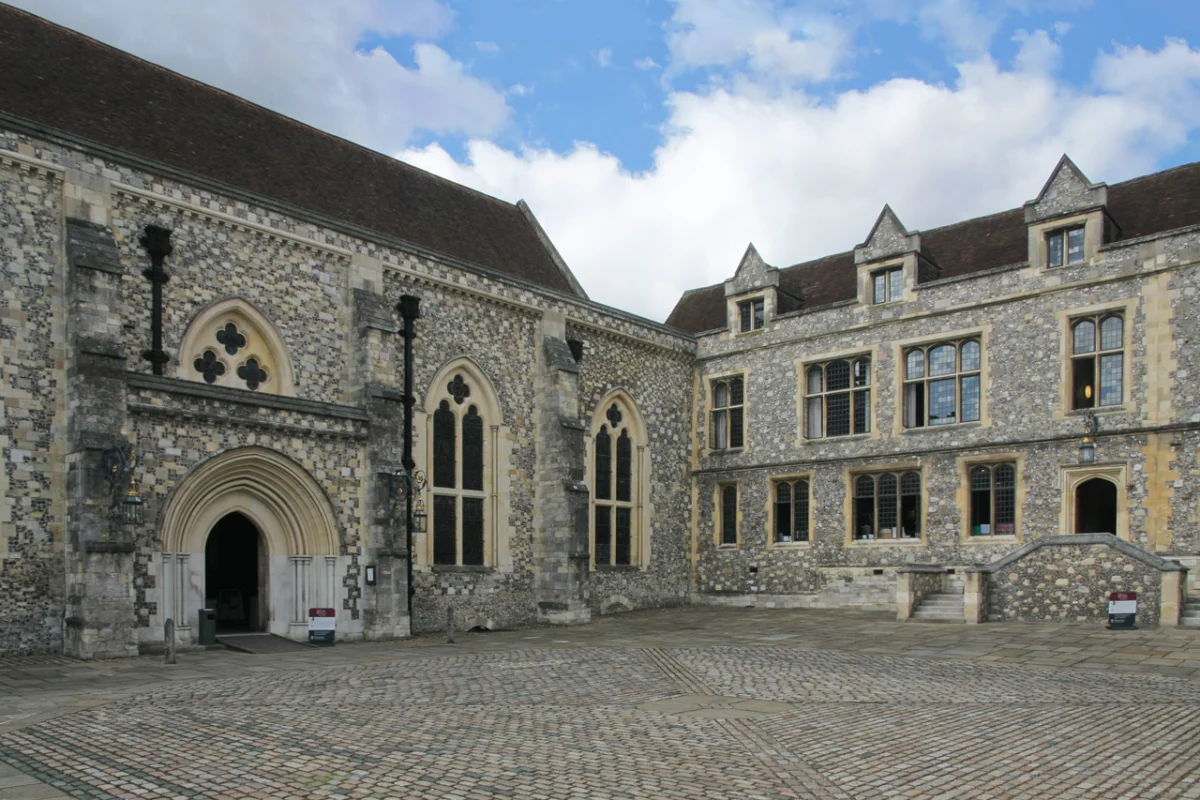
The recent, highly anticipated arrival of the Bayeux Tapestry in England, a monumental artifact chronicling the Norman Conquest of 1066, has ignited a fervent resurgence of interest in the era of William the Conqueror and the foundations of English royalty. This renewed fascination has placed Winchester Castle, one of the Conqueror’s earliest and most strategically vital strongholds, firmly back into the historical spotlight. More than just a relic of the past, Winchester Castle served as a crucial centre of Norman power for over a century and, remarkably, became the birthplace of King Henry III, a monarch who would later play a pivotal role in stabilising the English throne. This article delves into the rich history of Winchester Castle, exploring its significance from its inception under William the Conqueror to its enduring legacy as a site of royal birth and architectural achievement.
The Norman Foundation: William the Conqueror’s Strategic Vision
Following his decisive victory at the Battle of Hastings in October 1066, William the Conqueror embarked on a swift and comprehensive campaign to consolidate his rule over England. Recognizing the strategic importance of securing key administrative and defensive centres, he initiated the construction of numerous castles across his newly acquired kingdom. Among his earliest and most significant undertakings was the establishment of a castle in Winchester, the ancient capital of Wessex, in 1067. This decision underscored Winchester’s continued prestige and its strategic location in southern England, providing a vital stronghold from which to govern and project Norman authority.
Winchester Castle was not merely a military edifice; it was designed to be the administrative heart of Norman England. Its construction marked a tangible assertion of William’s power and his intent to establish a lasting dynasty. The castle served as the primary royal residence and administrative centre for successive Norman kings for generations, solidifying its place in the early narrative of Norman rule. The strategic placement of Winchester, with its existing infrastructure and historical significance, made it an ideal choice for William to anchor his new kingdom. This early period of Norman rule was characterized by a rapid transformation of the English landscape, with castles becoming potent symbols of conquest and control.
A Royal Birthplace: King Henry III and the Great Hall
By the early 13th century, England was under the rule of King John, the great-great-grandson of William the Conqueror. Despite facing considerable political turmoil and enduring a reputation as one of England’s least successful monarchs, John maintained his royal presence in Winchester. It was within the walls of Winchester Castle, in 1207, that a pivotal moment in English royal history occurred: the birth of his son and heir, Henry. This event imbued the ancient castle with a new layer of significance, marking it as the birthplace of a future king who would inherit a realm in need of strong leadership.
King John and his queen, Isabella of Angoulême, chose Winchester as the setting for the birth of their first child, Prince Henry, on October 1st, 1207. This decision was not merely arbitrary; it reflected the enduring importance of Winchester as a royal centre, even as other cities like London began to rise in prominence. The birth of Henry at Winchester cemented the castle’s connection to the Plantagenet dynasty and underscored its role in the continuity of royal succession. While the original structures where Henry was born have long since vanished, the Great Hall, a magnificent testament to medieval architecture, stands as a direct legacy of his reign.
The Great Hall: A Monument to Henry III’s Reign
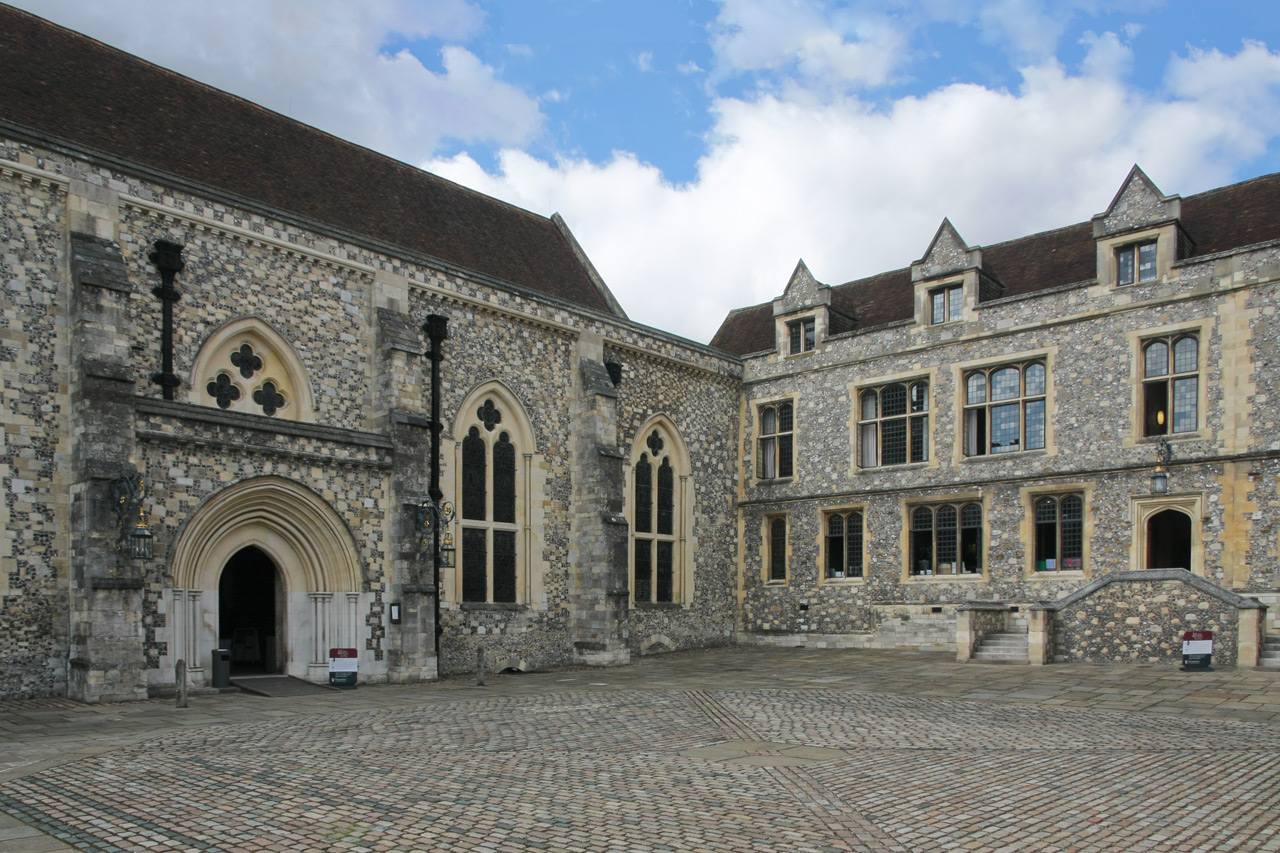
The Great Hall of Winchester Castle, a structure that visitors can experience today, was commissioned by King Henry III himself in the 1220s, early in his long and consequential reign. This impressive edifice was intended to serve as a centrepiece of royal administration and ceremonial life, a fitting successor to the Norman structures that preceded it. The Hall’s construction represents a significant architectural undertaking of the period and stands as a remarkable example of Gothic architecture in England. Its presence today allows a tangible connection to the medieval past and the monarchs who shaped it.
Henry III, often described as pious and dedicated to the restoration of royal authority, ascended the throne during a period of significant instability, partly inherited from his father’s reign. His upbringing and the circumstances surrounding his birth at Winchester likely contributed to his enduring connection to the city and its castle. The Great Hall, built under his direct patronage, embodies his commitment to strengthening the foundations of his kingdom and leaving a lasting architectural legacy. It served not only as a place for royal pronouncements and judicial proceedings but also as a symbol of the enduring power and prestige of the English monarchy.
A Rich Tapestry of Royal History
Winchester Castle’s royal connections extend far beyond William the Conqueror and Henry III. The site’s historical significance predates the Normans, having been a place of strategic importance during earlier periods of English history, including the tumultuous reign of Empress Matilda, Henry III’s great-grandmother. During the civil war of the 12th century, known as "The Anarchy," Matilda’s forces were besieged at Winchester Castle, a stark reminder of the site’s long history of royal contention.
Dynastic Continuity and Royal Residence
Throughout the centuries, Winchester Castle continued to be a site of royal interest and residence. Edward II, Henry III’s grandson, oversaw extensions to the castle in the early 14th century, further enhancing its role as a royal stronghold. In the late 15th century, Mary I, England’s first queen regnant, chose the castle as a venue for part of her wedding celebrations with Philip of Spain, linking the ancient fortress to a significant moment in Tudor history.
However, the castle’s fortunes waned with subsequent monarchs. Elizabeth I, Mary’s half-sister, showed less favour towards Winchester and eventually transferred ownership to the city authorities. During the English Civil War in the 17th century, Oliver Cromwell ordered the demolition of large sections of the castle, significantly reducing its former grandeur. While Charles II harboured plans for its restoration, these ambitions were ultimately set aside by his successor, James II. Despite these changes and destructions, the Great Hall survived, a resilient testament to the castle’s storied past.
The Enduring Legacy of Winchester Castle
Today, the Great Hall at Winchester Castle stands as a powerful reminder of England’s medieval past and its royal heritage. It is a Grade I listed building and a scheduled monument, attracting visitors who can walk through its historic spaces and imagine the events that unfolded within its walls. The Hall’s architecture, with its imposing scale and enduring presence, offers a tangible connection to the Norman dynasty and the Plantagenet kings who shaped England.
The Round Table and Arthurian Legends
Adding another layer to the Great Hall’s historical significance is the presence of the Winchester Round Table. This iconic artifact, dating from the 13th century and later redecorated during the reign of Henry VIII, has long been associated with the legendary King Arthur. While the table itself is a product of the medieval period, its association with Arthurian legends speaks to the enduring power of myth and history, and how they intertwine to create compelling narratives about England’s past. The presence of the Round Table within the Great Hall underscores the multifaceted nature of the site, connecting it not only to documented royal history but also to the realm of legend and folklore.
Winchester: A City Steeped in History
The significance of Winchester Castle is further amplified by its location within the city of Winchester itself, a place rich with historical and royal connections. The magnificent Winchester Cathedral, begun in its present form during the reign of William the Conqueror, stands as another cornerstone of the city’s heritage. It is the final resting place of several prominent monarchs, including William II (William Rufus), son of the Conqueror, who met his end in a hunting accident in the New Forest. The cathedral also holds the remains of Alfred the Great, King Canute and his wife Emma, and King Egbert, all figures of immense historical importance in the shaping of England. This concentration of historical sites within Winchester underscores the city’s pivotal role in the development of the English monarchy and its enduring appeal as a destination for those seeking to explore the nation’s past.
The arrival of the Bayeux Tapestry in England has undoubtedly stimulated a broader public interest in the events and figures of the Norman Conquest and the subsequent centuries. Winchester Castle, with its direct links to William the Conqueror and its role as the birthplace of King Henry III, stands as a potent symbol of this historical era. The Great Hall, in particular, offers a unique opportunity for the public to engage with this rich heritage, to walk in the footsteps of kings and queens, and to gain a deeper appreciation for the complex tapestry of English royal history. The ongoing accessibility of the Great Hall ensures that the stories of conquest, succession, and architectural grandeur continue to resonate with visitors from around the world.



 Yuyun Lusiyani
 Joko Widodo
 Pevita Pearce
 admin
admin
 Lina Irawan