
 admin
admin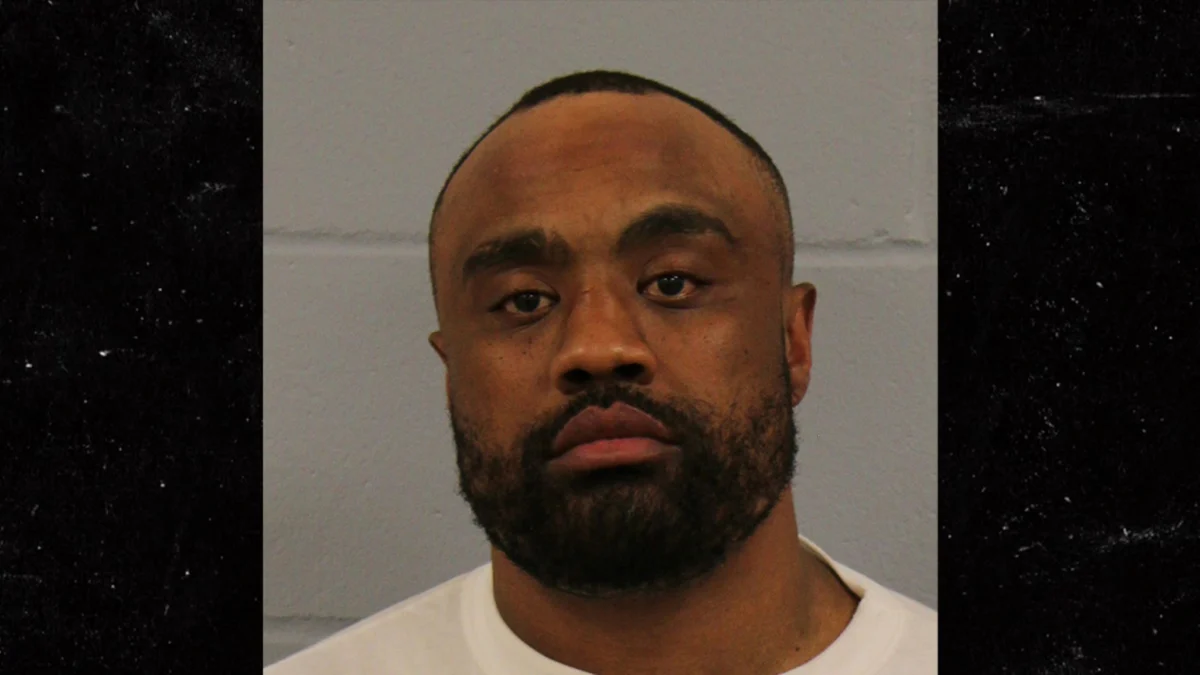
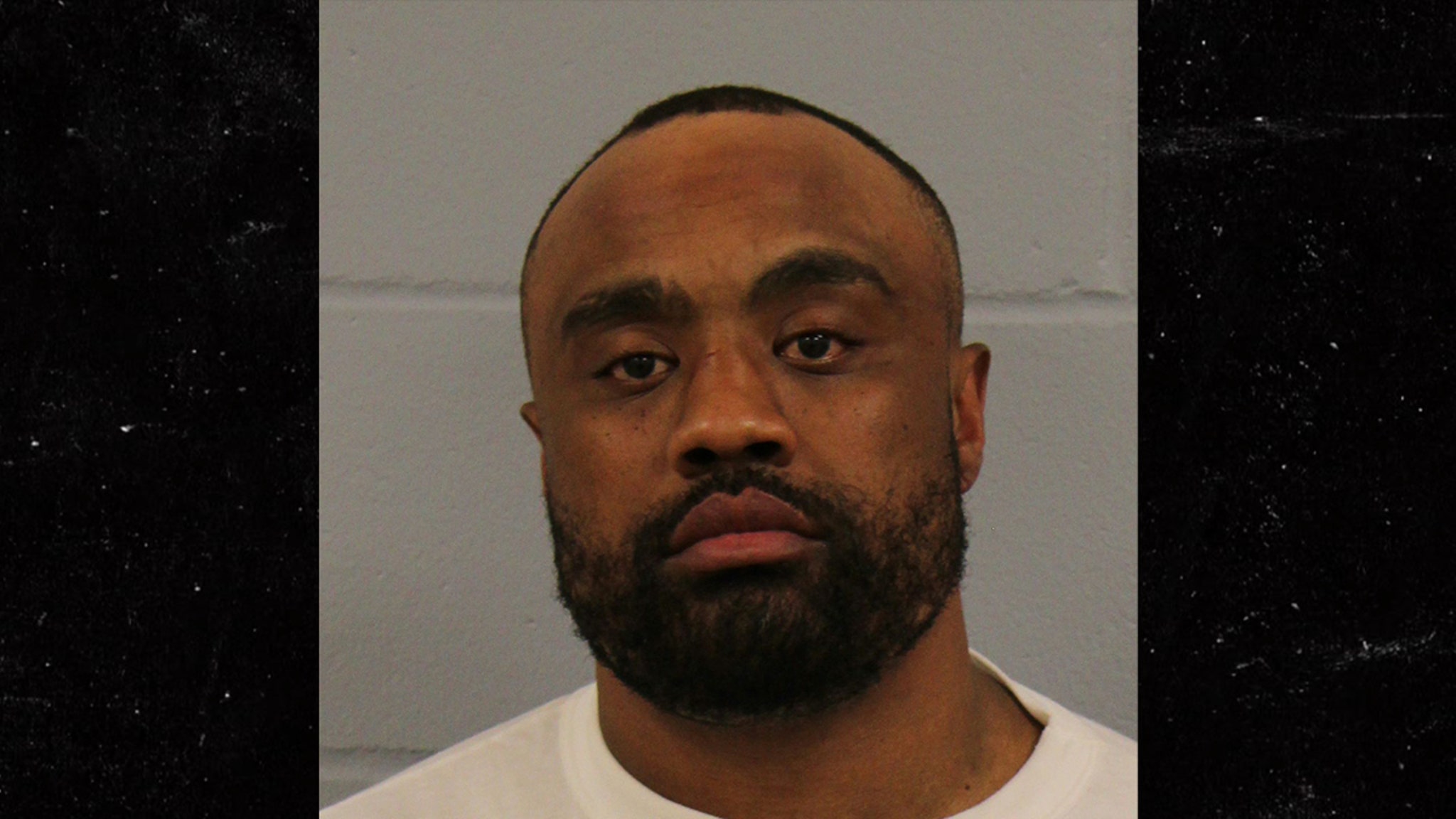
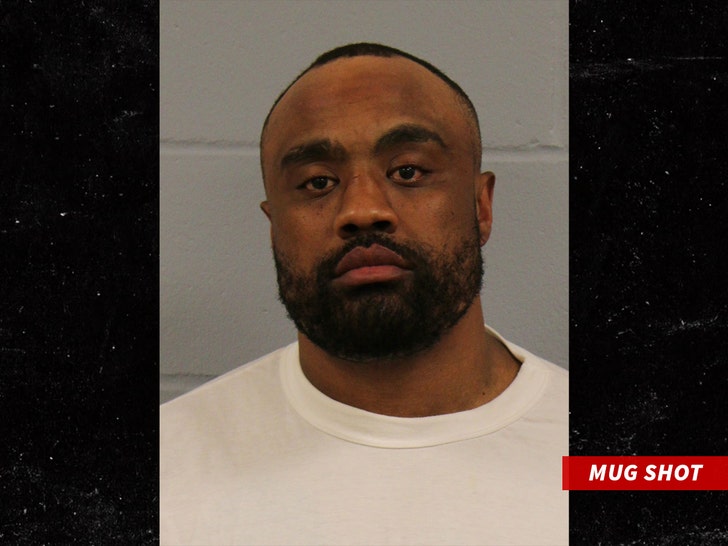
Former Minnesota Vikings defensive end Everson Griffen was arrested late Friday night, July 25, 2026, in southeastern Minnesota, facing a gross misdemeanor charge related to the non-compliance with an ignition interlock device requirement. The incident, which began as a routine traffic stop for speeding, escalated when authorities discovered the absence of the mandated breathalyzer mechanism in his vehicle. Griffen, a prominent figure in the NFL for over a decade, has since offered his perspective on the arrest via social media, attributing the situation to administrative oversights rather than substance use.
Arrest Details Emerge in Winona
The initial encounter between Griffen and law enforcement occurred on Thursday night, July 24, 2026, around 8:12 p.m., in Winona, Minnesota. According to official reports, Griffen was reportedly pulled over on Riverview Drive after his vehicle was observed traveling at 62 miles per hour in a posted 40 mph zone. This initial traffic infraction prompted the stop.
During the subsequent investigation, officers determined that Griffen was operating his vehicle without a required ignition interlock device (IID). An ignition interlock device is a specialized breathalyzer installed in a vehicle that prevents it from starting if the driver’s blood alcohol content (BAC) exceeds a pre-set limit, typically 0.00%. The requirement for such a device is usually imposed by courts following convictions for driving under the influence (DUI) or driving while impaired (DWI) offenses, serving as a crucial tool for public safety and offender accountability.
Following the discovery of non-compliance, Griffen was booked into the Winona County Detention Center. A representative for the detention center confirmed to TMZ that Griffen was processed on a gross misdemeanor charge for not driving with an interlock device. Gross misdemeanors in Minnesota are considered serious offenses, carrying potential penalties that can include up to a year in jail, significant fines, or both, in addition to further license sanctions. Griffen was subsequently released from custody after posting bond, the exact amount of which was not immediately disclosed.
Understanding the Ignition Interlock Device Mandate
The requirement for an ignition interlock device is a critical component of many states’ efforts to combat impaired driving. In Minnesota, as in many jurisdictions, an IID mandate is typically imposed by the court or the Department of Public Safety as a condition of driving privileges after a person has been convicted of certain alcohol-related driving offenses. The duration of the requirement can vary depending on the severity and number of prior offenses, ranging from one year to several years.
The device itself requires the driver to provide a breath sample before the vehicle will start. If the breath sample detects alcohol above a minuscule, pre-set threshold (often near zero), the vehicle will not start. Furthermore, some devices require "rolling retests" while the vehicle is in operation, demanding additional breath samples to ensure the driver remains sober. Any failed tests, attempts to bypass the device, or instances of operating a vehicle without the required IID are typically recorded and reported to the monitoring authorities, leading to potential legal consequences, including license revocation, additional fines, and even incarceration.
Operating a vehicle without a required ignition interlock device, as Griffen is accused of, is taken seriously by law enforcement and the courts. This charge falls under the category of a gross misdemeanor, reflecting the state’s intent to deter actions that undermine public safety measures designed to prevent impaired driving. The legal framework surrounding IIDs is designed to protect the public by ensuring that individuals with a history of alcohol-related driving offenses cannot operate a vehicle without first demonstrating sobriety.
Griffen’s Account: An Administrative Oversight?
Shortly after news of his arrest broke, Everson Griffen took to Instagram to provide his side of the story, aiming to clarify the circumstances and alleviate public concern. In his post, Griffen emphatically denied any involvement with alcohol or drugs during the incident, emphasizing his commitment to sobriety.
"Nothing happened when I got pulled over last night," Griffen wrote, seeking to downplay the dramatic perception of the event. He continued by explaining the root cause of the issue from his perspective: "My license was revoked because I forgot to complete the required class/test, and I just moved, so I was planning to take care of both the class and the address change on Monday."
Griffen’s statement suggests that the issue was purely administrative, stemming from an oversight regarding a mandatory class and a change of address that he intended to rectify. He reiterated, "I wasn’t drinking, wasn’t smoking, and wasn’t doing anything wrong. Everything is fine" – a clear assertion of his long-standing sobriety. This public declaration is a significant detail, as it directly addresses the typical assumption associated with IID violations, which often link to ongoing issues with substance use. His insistence on administrative error shifts the narrative from a potential relapse or deliberate disregard for the law to a bureaucratic mishap.
While Griffen’s social media statement provides insight into his defense, legal experts often advise caution when making public comments about ongoing legal matters. Such statements, while offering immediate clarification to the public, can also become part of the legal record and may be scrutinized during court proceedings. Nevertheless, his prompt and direct communication reflects an attempt to manage the public narrative surrounding his arrest.
Legal Framework and Potential Consequences in Minnesota
In Minnesota, a gross misdemeanor is a criminal offense more severe than a misdemeanor but less serious than a felony. Convictions can lead to significant penalties, including up to 365 days in jail, a fine of up to $3,000, or both. For a charge specifically related to violating an ignition interlock device requirement, additional penalties can include further extension of the IID mandate, additional license revocation periods, and increased insurance rates.
The specific statute governing IID violations in Minnesota aims to ensure compliance with court orders designed to protect public safety. The state’s stance is that individuals mandated to use an IID have demonstrated a past risk to public safety through impaired driving, and any failure to adhere to the IID requirement is a serious breach of that trust. Even if Griffen’s explanation of an "administrative oversight" holds true in court, the legal system will likely view the operation of a vehicle without a legally mandated device as a serious violation of his conditional driving privileges.
The court will consider several factors in adjudicating the case, including the circumstances of the traffic stop, Griffen’s driving record, and any evidence presented regarding the "forgotten class/test" and "address change." While his claim of sobriety is relevant, the charge itself is about the absence of the device, regardless of whether he was impaired at the time of the stop. The prosecution would need to prove that he was legally required to have an IID and was operating a vehicle without one. Griffen’s legal team will likely focus on mitigating factors, such as the alleged administrative nature of the lapse, and his consistent claims of sobriety.
Everson Griffen’s Distinguished NFL Career
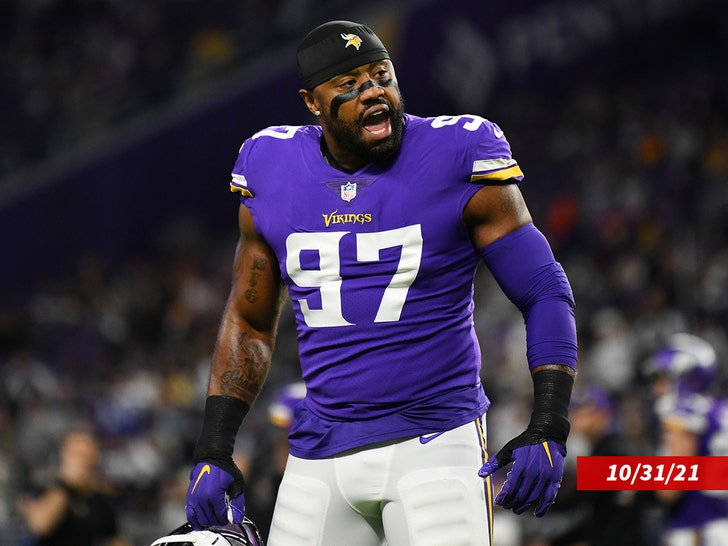
Everson Griffen carved out an illustrious career in the National Football League, primarily as a dominant defensive end for the Minnesota Vikings. Selected by the Vikings in the fourth round of the 2010 NFL Draft out of USC, Griffen quickly established himself as a formidable presence on the defensive line.
Over his ten seasons with the Vikings, Griffen became a fan favorite and a cornerstone of the team’s defense. Known for his explosive pass-rushing ability, relentless motor, and charismatic personality, he consistently ranked among the league’s top sack artists. During his tenure, he accumulated an impressive 85.5 sacks, placing him among the Vikings’ all-time leaders in that category. His performance earned him four Pro Bowl selections (2015, 2016, 2017, 2019), a testament to his consistent excellence and impact on the field.
Griffen’s career with the Vikings was marked by periods of immense success, where he was a critical component of defensive units that frequently ranked among the NFL’s best. He was instrumental in the Vikings’ playoff runs and divisional titles. After leaving the Vikings in 2020, he had brief stints with the Dallas Cowboys and the Detroit Lions before returning to Minnesota later that same season, underscoring his deep connection to the franchise and its fanbase. Even in retirement, Griffen remains a recognizable and respected figure within the Minnesota sports community and among NFL enthusiasts. His past contributions on the field often bring a heightened level of public scrutiny to any personal legal challenges he faces.
The Road Ahead: Court Appearance and Legal Process
Everson Griffen is scheduled to appear in court on August 28, 2026, for his initial hearing regarding the gross misdemeanor charge. This court date will mark the formal beginning of the legal proceedings, where he will likely enter a plea and the court will set a timeline for future hearings, including pre-trial conferences and potentially a trial if no plea agreement is reached.
The legal process for a gross misdemeanor can be complex and lengthy. Griffen’s legal team will be tasked with presenting his defense, which, based on his Instagram statement, will likely center on the claim of administrative oversight rather than deliberate non-compliance or impaired driving. They will need to gather evidence to support his assertion that he was in the process of rectifying his license status and addressing the forgotten class/test.
Meanwhile, law enforcement and the prosecution will present their case, relying on the details of the traffic stop, the findings regarding the absence of the IID, and relevant state statutes. The outcome could range from a dismissal of charges (if his administrative explanation fully absolves him and is legally accepted) to a conviction with associated penalties, including fines, potential jail time, and further restrictions on his driving privileges. The incident serves as a stark reminder that even seemingly administrative lapses can carry significant legal ramifications, particularly when they involve critical public safety measures like ignition interlock devices.
As the legal process unfolds, further details regarding the specific circumstances leading to Griffen’s original IID mandate and the full scope of his alleged administrative errors may come to light. The situation highlights the challenges faced by individuals under such mandates, as well as the unwavering commitment of the legal system to enforce regulations designed to ensure road safety. TMZ has reportedly reached out to Griffen for additional comment, but as of the publication of this article, no further statements have been received. The community will be closely watching the developments as this case proceeds through the Minnesota court system.


 Yuyun Lusiyani
 Joko Widodo
 Eva Lovia
 Pevita Pearce

 Lina Irawan