
 Pevita Pearce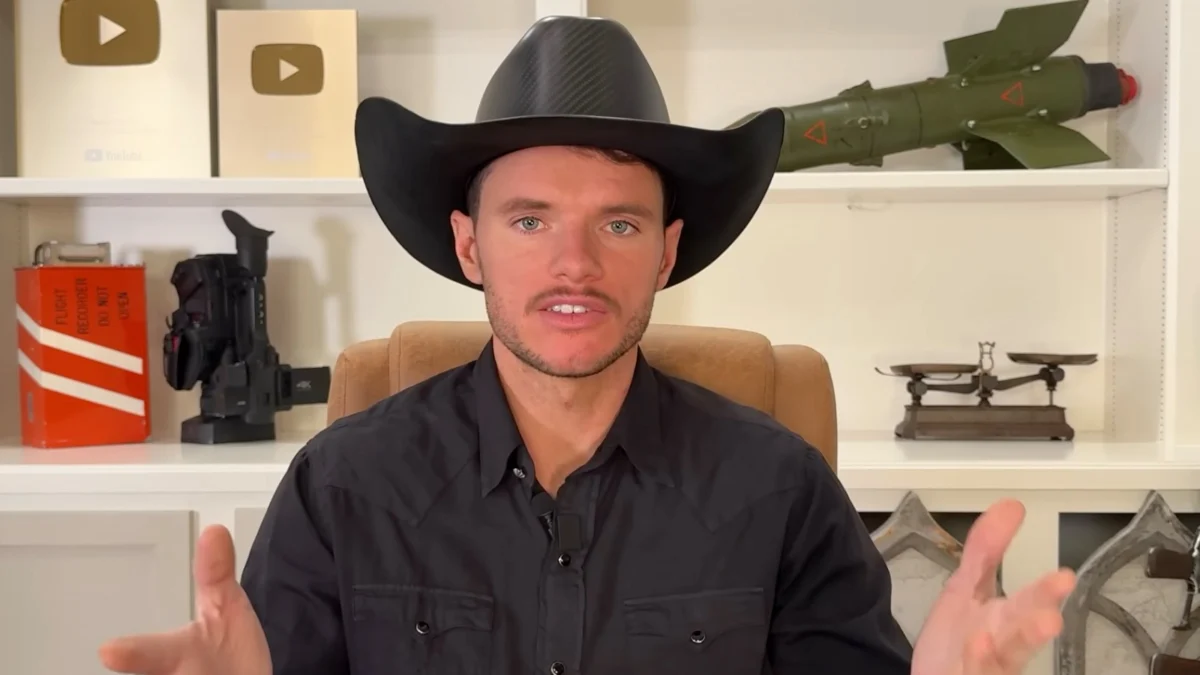
Cody Detwiler, the prominent automotive YouTuber known globally by his digital moniker WhistlinDiesel, has been the subject of an intense wave of online speculation regarding his well-being following a series of viral social media posts. The rumors, which suggested that the content creator had been involved in a fatal accident, gained significant traction on platforms like TikTok and X (formerly Twitter) throughout late July 2024. However, direct evidence from Detwiler’s official communication channels has confirmed that these reports are entirely unfounded, clarifying that the creator remains active and is currently preparing for the release of his next major production.
The confusion appears to have originated from a misleading video shared on TikTok, which featured footage of a heavily mangled Tesla Cybertruck. The video was accompanied by an ambiguous caption—"Still can’t believe what happened to WhistlinDiesel"—and punctuated with a broken heart emoji. This specific combination of imagery and text triggered an immediate reaction from his fanbase, many of whom interpreted the post as a memorial or an announcement of a tragedy. Given Detwiler’s history of performing high-risk automotive stunts, the audience was particularly susceptible to believing that a "durability test" had finally resulted in a catastrophic outcome.
The Genesis of the Misinformation Campaign
The viral TikTok video that sparked the panic did not explicitly state that Detwiler had died, yet it utilized several tropes common in "death hoax" content. By showing a wrecked vehicle—specifically the Tesla Cybertruck that has been a centerpiece of his recent content—and using somber music and cryptic language, the uploader successfully manipulated the platform’s algorithm to reach millions of viewers. In the digital age, the lack of immediate context often leads to a "vacuum of information," which is quickly filled by user speculation.
Fans pointed to the severity of the damage seen in the video clips as evidence of a high-speed collision. The footage depicted at least two vehicles in a state of near-total destruction. However, regular viewers of the WhistlinDiesel channel noted that such visuals are standard for Detwiler’s brand. His content philosophy revolves around "destructive testing," where he pushes vehicles—ranging from $400,000 Ferraris to $100,000 electric trucks—to their absolute breaking points to expose engineering flaws or simply for the sake of spectacle.
Direct Response and Proof of Life
As the rumors reached a fever pitch, Cody Detwiler took to his official Instagram account to provide an update that effectively silenced the speculation. Rather than issuing a formal press release or a somber video addressing the hoax, Detwiler opted for a "business as usual" approach, which is consistent with his public persona. He shared a post promoting the upcoming third installment of his highly anticipated Cybertruck durability series.
"Cybertruck Durability Test 3 is coming tomorrow," the post read, accompanied by imagery of the creator working on the vehicle. This update served as definitive proof of life, confirming that not only was Detwiler safe, but he was also actively editing and preparing content for his 7.7 million YouTube subscribers. By focusing on the work rather than the rumors, Detwiler shifted the narrative back to his creative output, though the incident highlighted the volatile nature of his fame.
The History of the Cybertruck Durability Series
To understand why the death rumors were so easily believed, one must look at the context of Detwiler’s recent work with the Tesla Cybertruck. In 2024, WhistlinDiesel released a series of videos that went viral for their sheer intensity. The first installment of the durability test was particularly controversial, as it featured Detwiler subjecting the stainless steel electric pickup to a battery of extreme challenges.
In the initial video, Detwiler used C4 explosives to test the truck’s blast resistance, had professional boxer Jake Paul punch the exterior to test for dents, and famously attempted to tow a heavy load that resulted in the truck’s rear frame snapping off entirely. The "frame-gate" incident, as it became known, sparked a massive debate within the automotive community regarding the structural integrity of Tesla’s exoskeleton design. Because the truck had already sustained significant, "fatal" mechanical damage in previous videos, the sight of a wrecked Cybertruck in a TikTok video was not out of character for the channel, yet it provided the perfect visual fodder for a hoax.
The upcoming "Part 3" mentioned in his Instagram update is expected to be the final chapter in this specific testing saga. Given the level of destruction seen in the first two parts, fans are anticipating a "total loss" scenario for the vehicle, which likely explains the wreckage seen in the misleading TikTok clips.

Understanding the WhistlinDiesel Brand and Content Strategy
Cody Detwiler has built one of the most unique and polarizing brands on the internet. Unlike traditional automotive journalists who review cars based on comfort and fuel economy, WhistlinDiesel operates as an "anti-influencer." He often purchases luxury or rare vehicles specifically to destroy them, much to the chagrin of purists and brand enthusiasts.
This "destruction-as-entertainment" model has proven to be incredibly lucrative but also dangerous. Detwiler has survived several close calls in the past, including an incident where a .50 caliber bullet ricocheted off a steel plate and struck him in the forehead. He has also been involved in numerous high-speed off-road accidents. This history of "near-misses" creates a psychological environment where his audience is constantly on edge, making them more likely to believe a death hoax than they would for a more conventional lifestyle vlogger.
The Mechanics of Social Media Death Hoaxes
The WhistlinDiesel incident is part of a broader, more concerning trend of celebrity death hoaxes on social media. Platforms like TikTok, which prioritize high-engagement content, often reward sensationalist claims. When a user posts a video suggesting a famous person has died, the "shares" and "comments" sections explode with people asking for verification or offering condolences. This engagement signals the algorithm to show the video to even more people, creating a feedback loop of misinformation.
In this case, the hoax was likely motivated by "clout-chasing"—the desire for followers and views. By using WhistlinDiesel’s name and the recognizable Cybertruck, the uploader was able to hijack a trending topic for personal gain. This highlights a significant challenge for modern digital platforms: the speed at which misinformation spreads often outpaces the ability of the subject to debunk it.
Previous Legal Challenges and Public Perception
The death rumors are not the only time WhistlinDiesel has faced public scrutiny or made headlines for non-content reasons. In 2025, Detwiler was reportedly involved in a legal dispute regarding a Ferrari F8 Tributo. The case involved allegations related to unpaid taxes and import violations, which briefly led to his arrest.
While that legal matter was entirely unrelated to his physical safety or the Cybertruck tests, it contributed to a general atmosphere of "chaos" surrounding his brand. For many casual observers, the headline "WhistlinDiesel Arrested" followed months later by "WhistlinDiesel Dead" (even if false) fits a perceived pattern of a high-risk lifestyle. However, for those who follow his channel closely, there is a clear distinction between the calculated risks of his stunts and the hyperbolic claims of social media trolls.
Broader Industry Impact: Misinformation and Creator Safety
The spread of the WhistlinDiesel hoax serves as a cautionary tale for the creator economy. As influencers become as recognizable as traditional Hollywood celebrities, they also become targets for the same types of malicious rumors. For creators like Detwiler, whose entire brand is built on the edge of safety, the line between "part of the show" and "genuine tragedy" is dangerously thin.
From a journalistic perspective, the incident underscores the importance of verifying sources before participating in the spread of sensational news. Verified social media accounts, official representatives, and mainstream news outlets remain the only reliable sources for such sensitive information. In the absence of a statement from local law enforcement or Detwiler’s own team, the TikTok video should have been viewed with extreme skepticism.
Conclusion: Business as Usual for the Automotive Maverick
As of the latest reports, Cody Detwiler is alive, well, and continuing his work in rural Tennessee. The "Cybertruck Durability Test 3" is expected to garner millions of views upon release, likely featuring the very wreckage that was used to fuel the death rumors.
While the hoax caused temporary distress among his millions of fans, it also served to increase the anticipation for his next video. In the strange economy of the internet, a death hoax—while morbid and unethical—often results in a surge of traffic for the creator once the truth is revealed. For WhistlinDiesel, a man who has made a career out of surviving the impossible and destroying the "indestructible," this latest brush with digital "death" is simply another day in his unconventional career. Fans can expect more high-octane, destructive content in the coming days as he continues to push the boundaries of what is possible (and permissible) in the world of automotive entertainment.




 Yuyun Lusiyani
 Joko Widodo
 Eva Lovia
 admin
admin
 Lina Irawan