
 Pevita Pearce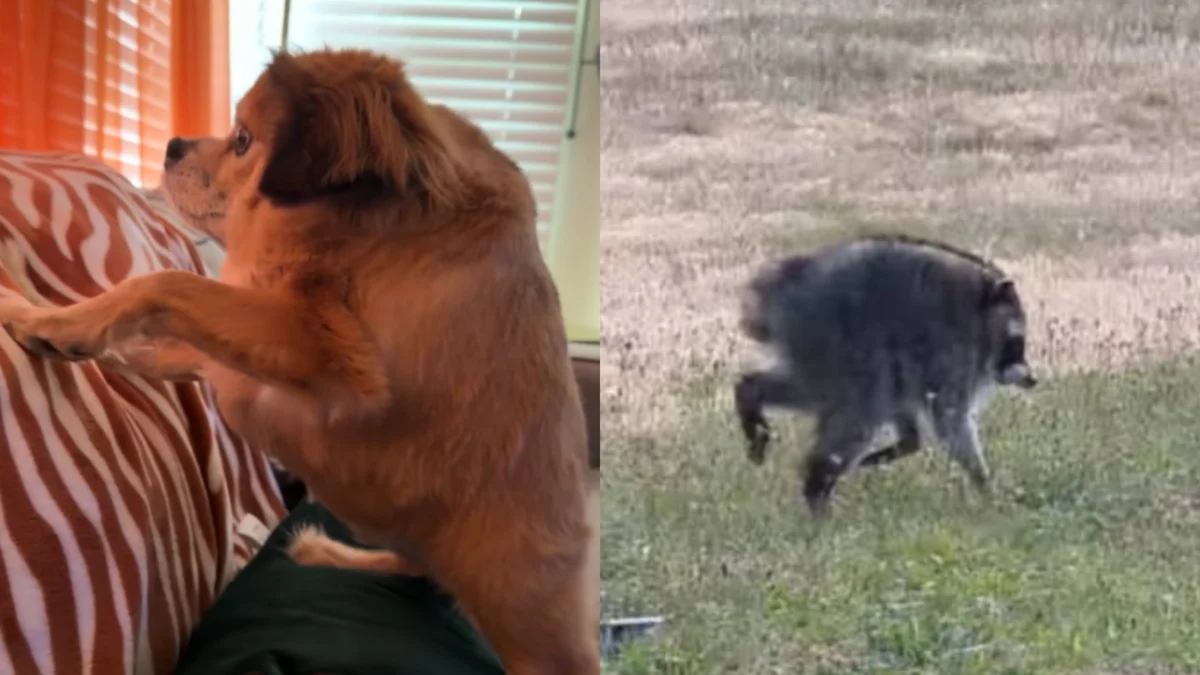
The landscape of internet viral culture has recently undergone a significant shift, pivoting from traditional "cute" aesthetics toward a deep fascination with animals possessing unique biological traits. Following the explosive popularity of a raccoon known as Jimothy, a seven-year-old dog named Tilly Bean has emerged as the latest figurehead for a rare genetic condition known as short spine syndrome. This condition, which results in a distinctively compressed physical appearance, has not only captivated millions of social media users but has also sparked a broader conversation regarding animal rescue, genetic mutations, and the representation of disability in the digital age.
The Emergence of Short Spine Syndrome in the Public Eye
Short spine syndrome is an exceptionally rare genetic condition characterized by a severe shortening of the vertebral column. In affected animals, the vertebrae are compressed and often fused together, while the limbs and head typically remain of normal size. This results in a "hunched" or "loaf-like" appearance, where the animal appears to have no neck. While the condition is permanent, it is not necessarily a death sentence; many animals with the syndrome lead full, active lives with proper veterinary care.
The condition first captured widespread public attention through Jimothy, a raccoon discovered roaming the streets of Seattle. Initial sightings of Jimothy led to speculation about his health, with some observers labeling him a "mutant." However, as experts weighed in, it became clear that Jimothy was a rare example of a wild animal surviving into adulthood with a significant skeletal deformity. His resilience and unusual silhouette turned him into an overnight sensation, leading to his integration into various facets of popular culture, including the gaming industry.
Tilly Bean: From Rescue to Digital Icon
While Jimothy represents the wild side of this phenomenon, Tilly Bean serves as its domesticated counterpart. Tilly, a mixed-breed dog, was rescued in 2019 by owners who recognized her unique needs and potential. At seven years old, Tilly has spent the majority of her life navigating the world with short spine syndrome. Unlike Jimothy, whose fame was accidental and rooted in urban sightings, Tilly’s presence is curated through dedicated social media platforms, including TikTok and Instagram, where she is known by the handle "Tilly the Friendly Loaf."
Tilly’s digital footprint is substantial, boasting over one million followers across her primary accounts. Her content ranges from domestic vignettes of her daily life to themed photoshoots featuring custom-made outfits designed to accommodate her unique frame. The resurgence of interest in Tilly can be directly correlated with the Jimothy trend. As users shared clips of the Seattle raccoon, the algorithmic nature of social media platforms began surfacing Tilly’s content to a demographic already primed for "short spine" content.
The Jimothy Catalyst and the Gaming Industry Response
The speed at which Jimothy the raccoon transitioned from a local curiosity to a global brand is a testament to modern digital momentum. The "Jimothy Effect" reached its zenith when the gaming community began incorporating the raccoon into major titles. Independent modders were the first to act, creating assets that allowed players to include Jimothy in "Stardew Valley" and "The Elder Scrolls V: Skyrim."
The momentum did not stop at unofficial modifications. Major gaming entities recognized the cultural weight of the character. "Dungeons & Dragons" officially introduced Jimothy as a non-player character (NPC) in their lore, providing him with specific stats and a backstory that honored his real-world counterpart. Similarly, Blizzard Entertainment announced the addition of a Jimothy-inspired creature to "World of Warcraft," solidifying the raccoon’s status as a permanent fixture of digital folklore.
This level of institutional recognition has set a high bar for Tilly Bean. While Tilly has yet to be featured in a major video game title, her fans are actively campaigning for similar recognition. The "crossover" appeal between the two animals has created a niche but powerful community of advocates who view these animals as symbols of resilience.
Understanding the Medical Realities of Short Spine Syndrome
To provide context for the viral success of these animals, it is necessary to examine the medical implications of the condition. Short spine syndrome is not a disease but a congenital malformation. Historically, it was first documented in the 17th century, though it remains one of the rarest conditions in the canine world. Estimates suggest that there are fewer than 40 dogs worldwide currently diagnosed with the syndrome.
Animals like Tilly Bean and Jimothy face specific physical challenges:
- Mobility Constraints: Due to the lack of a neck, these animals cannot turn their heads to groom themselves or look behind them. They must turn their entire bodies to change their field of vision.
- Respiratory and Digestive Pressure: The compression of the spine can sometimes put pressure on internal organs. However, in cases like Tilly’s, the organs often adapt to the shortened torso.
- Neurological Considerations: While the spine is short, the spinal cord itself is of normal length, which can lead to it becoming coiled or compressed within the shortened vertebral canal.
Despite these challenges, the veterinary community notes that with specialized care—such as raised food bowls to prevent neck strain and regular weight management to reduce stress on the joints—these animals can enjoy a high quality of life. Tilly’s longevity, reaching seven years of age, serves as a benchmark for the potential lifespan of dogs with this condition.
The Social Media Narrative: From "Mutant" to "Friendly Loaf"
The language used to describe Tilly Bean and Jimothy reflects a broader trend in how the public perceives biological differences. Early descriptions of Jimothy often used the word "mutant," a term that carries both scientific and science-fiction connotations. However, as the narrative shifted toward Tilly Bean, the language became more affectionate and domestic.
The branding of Tilly as a "Friendly Loaf" is a strategic use of "Internet Speak" (specifically "doggo-speak"). A "loaf" typically refers to an animal tucking its limbs under its body, but in Tilly’s case, it describes her permanent physical state. This linguistic reframing transforms a medical deformity into a charismatic trait, fostering a sense of empathy and protection among her followers.
Public reaction on platforms like X (formerly Twitter) demonstrates this emotional investment. Comments such as "I want to make sure that all Jimothy fans know about Tilly" indicate a self-organizing community dedicated to "unconventional" animal appreciation. This community often overlaps with "adopt don’t shop" advocates, using Tilly’s story to highlight the importance of adopting special-needs pets who might otherwise be overlooked in shelters.
Comparative Analysis: The Wild vs. The Domestic
The juxtaposition of Jimothy and Tilly Bean provides a unique case study in animal welfare. Jimothy, as a wild raccoon, faces the harsh realities of urban survival without human intervention. His survival is a biological anomaly that fascinates zoologists. Conversely, Tilly Bean represents the success of specialized domestic care.
The data suggests that viral pets like Tilly Bean contribute significantly to the fundraising efforts of animal rescues. While Tilly herself is in a permanent home, her platform frequently highlights the needs of other special-needs rescues. This "influencer" model of pet ownership has become a vital revenue stream for non-profit shelters, as followers are more likely to donate to causes associated with a familiar, "famous" face.
Broader Implications for Inclusive Representation
The obsession with Jimothy and Tilly Bean may be more than just a passing trend. Sociologists suggest that the internet’s embrace of animals with disabilities mirrors a growing societal move toward inclusivity. By celebrating animals that do not fit the "standard" mold of beauty or health, the public is practicing a form of radical empathy.
Furthermore, the integration of Jimothy into "Dungeons & Dragons" and "World of Warcraft" marks a significant moment where disability—even in animal form—is represented as a heroic or notable trait rather than a tragedy. For Tilly Bean, the path forward involves maintaining this visibility while ensuring that her physical well-being remains the priority over social media engagement.
Future Outlook
As Tilly Bean’s following continues to grow, her management team and owners face the challenge of balancing her viral fame with her health needs. The "Jimothy Effect" has provided a massive boost in visibility, but the long-term impact will likely be seen in increased awareness of short spine syndrome and a potential rise in the adoption of other "imperfect" pets.
The story of Tilly Bean and Jimothy serves as a reminder of the internet’s power to transform the misunderstood into the beloved. Whether through video game mods or viral TikToks, these animals have carved out a space in the public consciousness that celebrates the extraordinary nature of biological diversity. As the "Short Spine" community grows, it remains a testament to the fact that being different is not just a medical curiosity, but a catalyst for global connection and compassion.




 Yuyun Lusiyani
 Joko Widodo
 Eva Lovia
 admin
admin
 Lina Irawan