
 Joko Widodo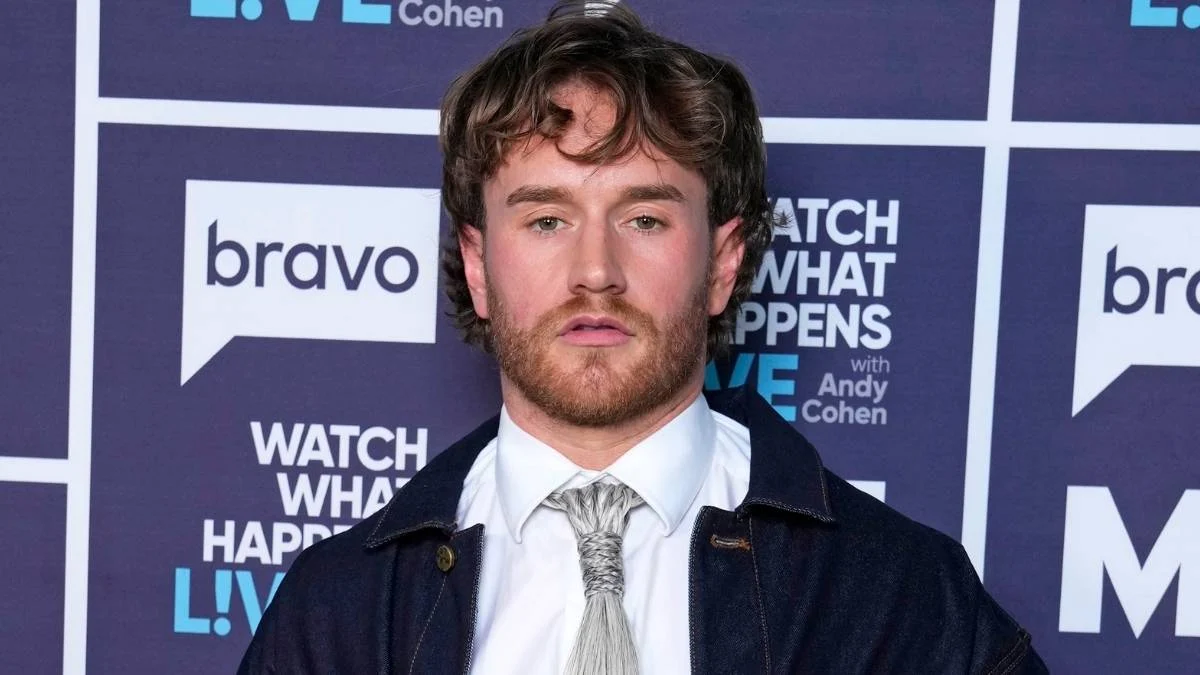
The increasingly polarized discussion surrounding the inclusion of transgender athletes in women’s sports has ignited a notable public exchange, drawing in figures from both the reality television and professional sports arenas. West Wilson, a familiar face from the Bravo series Summer House, has publicly voiced an opinion that sharply diverges from that of his Indiana Fever WNBA co-host, Sophie Cunningham. While Cunningham has articulated concerns about protecting the integrity of women’s sports and safeguarding young female athletes, Wilson has characterized the issue as largely overblown, arguing that transgender athletes are being unfairly portrayed as a significant threat. This divergence in perspective, particularly between close friends and podcast collaborators, highlights the deep divisions and complexities inherent in this ongoing societal debate.
Wilson Challenges the Narrative of Threat
West Wilson articulated his perspective in a TikTok video posted on Saturday, July 25th. The 31-year-old reality television personality stated, "Transgender athletes in American sports are such a borderline non-existent issue." This statement directly challenges the prevailing narrative amplified by some segments of the public and media, which often frames the participation of transgender individuals in sports as an existential threat to women’s athletics. Wilson, who co-hosts the "Show Me Something" podcast with Cunningham, a friendship forged since their high school days, argued that the level of concern expressed is disproportionate to the actual prevalence of transgender athletes.
"Right-wingers have convinced a massive portion of people in our country that these people are, like, a threat to sports in America, when mathematically it’s not the case at all," Wilson asserted in his video. He contended that the intense focus on transgender athletes serves to further marginalize an already vulnerable community and distracts from more pressing societal issues. Wilson specifically pointed to the low numbers of transgender individuals participating in collegiate sports. He cited statistics suggesting that the number of transgender athletes within the NCAA is remarkably small, estimated to be in the single digits. He elaborated that this spotlight on a statistically minor issue diverts crucial attention and resources from more significant challenges such as housing, healthcare, and ongoing global conflicts, which affect a far larger portion of the population and demand more immediate and substantial support.
Statistical Realities and Scientific Findings
Wilson’s claims are supported by available data. The National Collegiate Athletic Association (NCAA), which governs collegiate athletics in the United States, reports over 500,000 student-athletes participating across its various divisions. In a 2024 congressional hearing, NCAA President Charlie Baker stated that fewer than 10 of these student-athletes are transgender. This statistic underscores Wilson’s assertion that the issue, in terms of sheer numbers within collegiate sports, is indeed marginal.
Furthermore, scientific research has begun to shed light on the physiological aspects of athletic performance for transgender women. A study funded by the International Olympic Committee (IOC) and published in the British Journal of Sports Medicine in 2024 explored potential performance differences. The findings indicated that transgender women, despite undergoing hormone therapy, may still experience some disadvantages in areas such as lower-body strength and lung function compared to cisgender women. This research offers a more nuanced perspective, suggesting that blanket assumptions about inherent competitive advantages may not always align with biological realities and the impact of medical interventions.
Cunningham’s Stance: Protecting "Biological Women"
In contrast to Wilson’s perspective, Sophie Cunningham, a prominent player for the Indiana Fever and a vocal participant in the debate, has emphasized the importance of protecting the integrity of women’s sports and the safety of female athletes. In an interview with ESPN on July 21st, Cunningham stated her intention was never to express hatred towards any individual but rather to "protect young girls in a locker room." When pressed further on the issue during a Fever practice, she reiterated that safeguarding children was "kind of common sense."
Cunningham’s statements reflect a sentiment shared by many who advocate for stricter policies regarding transgender participation in women’s sports. This viewpoint often centers on the belief that biological differences between males and females, particularly those related to physical development during puberty, can confer lasting athletic advantages, even after hormone therapy. Cunningham, while acknowledging that "there is room for absolutely everyone here," explicitly stated her commitment to protecting the rights of "biological women." This framing highlights a fundamental disagreement on how to balance inclusivity with the perceived need to preserve a distinct category for cisgender women in athletic competition.
Chronology of the Debate
The public discourse surrounding transgender athletes in sports has been escalating for several years, gaining significant traction in political and social arenas. Key milestones in this ongoing conversation include:
- Early 2010s: Increased visibility of transgender athletes in collegiate and professional sports begins to spark debate, particularly concerning policies for hormone therapy and eligibility.
- Mid-2010s: Various sports governing bodies, including the NCAA and international federations, begin to establish and revise policies regarding transgender participation. These policies often involve requirements for hormone levels and duration of therapy.
- Late 2010s – Early 2020s: The debate intensifies, becoming a prominent issue in political discourse, with legislative efforts in several U.S. states attempting to restrict transgender athletes’ participation in school sports based on their sex assigned at birth.
- 2022: The debate reaches a fever pitch following high-profile cases, such as the participation of University of Pennsylvania swimmer Lia Thomas in women’s collegiate swimming, drawing widespread media attention and public commentary.
- 2023-2024: Discussions continue to evolve, with some sports organizations reassessing their policies. The IOC released updated guidance in 2021, emphasizing an individual approach rather than a one-size-fits-all policy, but many national federations and leagues have opted for more restrictive measures. The statements by Sophie Cunningham and West Wilson in July 2024 represent the latest chapter in this ongoing public dialogue.
Broader Implications and Societal Impact
The differing viewpoints of West Wilson and Sophie Cunningham underscore a fundamental societal tension: how to best foster inclusivity while addressing concerns about fairness and the specific needs of different groups. Wilson’s argument, rooted in statistical data and a call for broader perspective, suggests that the current debate is disproportionately focused on a non-issue, potentially causing harm by further alienating transgender individuals. His emphasis on larger societal problems implies a need to redirect energy and resources towards issues with demonstrably wider impacts.
Conversely, Cunningham’s position, centered on the protection of cisgender women and the perceived inherent biological advantages, reflects a deep-seated concern for the future of women’s sports as a distinct competitive category. Her focus on "common sense" and "protecting young girls" resonates with many who feel that changes in sports categories could fundamentally alter the landscape of female athletic achievement.
The implications of this debate extend beyond the realm of sports. It touches upon broader questions of identity, sex, gender, and fairness in public life. The way society navigates these discussions, the data it prioritizes, and the narratives it amplifies will shape not only athletic policies but also the broader social acceptance and rights of transgender individuals. As more voices, from reality stars to professional athletes, engage with these complex issues, the public discourse is likely to remain dynamic and deeply contested. The divergent perspectives of Wilson and Cunningham serve as a stark reminder of the multifaceted nature of this debate and the significant challenges in finding common ground.




 Jia Lissa
 Yuyun Lusiyani
 Eva Lovia

 Pevita Pearce